





Vitamin E plays a crucial role in exercise recovery and maintaining cellular health. This antioxidant helps protect cells from oxidative stress caused by intense physical activity, making it a valuable supplement for athletes and fitness enthusiasts. Incorporating vitamin E into a diet can aid in repair and recovery, allowing individuals to train harder and recover faster.
Research has shown that vitamin E works alongside other antioxidants to combat free radicals generated during exercise. The presence of vitamin E in the body can help minimize muscle damage and support overall recovery. For those looking to enhance their performance naturally, understanding the benefits of this vitamin is essential.
Athletes should consider how vitamin E can be part of their nutritional strategy. This vitamin not only supports recovery but also promotes cellular health, making it an important nutrient for anyone engaged in physical activity.
Key Takeaways
- Vitamin E helps reduce oxidative stress from exercise.
- It aids in muscle recovery and repair after workouts.
- Incorporating vitamin E supports overall cellular health.
Understanding Antioxidants and Exercise
Antioxidants play a key role in exercise by supporting the body’s ability to manage oxidative stress. This section outlines how antioxidants influence physical activity, the production of free radicals, and their effect on athletic performance.
The Role of Antioxidants in Physical Activity
Antioxidants help protect the body from damage caused by free radicals. During exercise, the body produces reactive oxygen species (ROS), which can lead to oxidative stress. This stress is linked to muscle fatigue and damage. Antioxidants, like Vitamin E, neutralize these free radicals, stabilizing them and reducing potential harm.
Athletes often rely on a combination of dietary sources and supplements to boost their antioxidant capacity. Foods rich in antioxidants include fruits, vegetables, nuts, and seeds. By incorporating these foods, individuals can support their recovery and overall performance.
Oxidative Stress and Exercise-Induced Lipid Peroxidation
When the body undergoes intense physical activity, it experiences oxidative stress, which can lead to lipid peroxidation. This process involves the oxidation of lipids in cell membranes, harming their structure and function. High levels of free radicals damage these lipids, which can disrupt normal muscle function.
The balance between ROS production and antioxidant defense is crucial. Maintaining this balance helps in preserving cell integrity during recovery. An appropriate intake of antioxidants can support muscle membranes and enhance the recovery process.
Antioxidant Status and Athletic Performance
An athlete’s antioxidant status significantly impacts their performance and recovery. Low antioxidant levels can lead to increased oxidative stress, resulting in muscle damage and prolonged fatigue. This can affect training outcomes and athletic progression.
Supplementation with vitamins like C and E is common among athletes. Nonetheless, high doses may not always yield better results. It is essential to find the right balance, as excessive supplementation may interfere with physiological adaptations to training.
Monitoring antioxidant status can help athletes tailor their diets and supplementation effectively. By optimizing their antioxidant intake, they can potentially improve their performance while reducing recovery time.

Vitamin E’s Impact on Exercise and Recovery
Vitamin E plays a significant role in exercise recovery and cellular health. It is primarily known for its antioxidant properties, which help combat oxidative stress during and after physical activity. This section explores how vitamin E affects muscle damage, inflammation, and recovery processes.
Muscle Damage and Inflammation
Vitamin E is recognized for its potential to reduce muscle damage and inflammation. It does this by neutralizing free radicals generated during intense exercise. Free radicals can lead to oxidative stress, which may result in muscle soreness and inflammation.
Studies show that adequate vitamin E levels assist in protecting cell membranes from oxidative stress. This protective effect may help minimize muscle damage, potentially leading to less soreness and faster recovery times.
Recovery from Physical Exercise
The role of vitamin E in the recovery process remains a topic of discussion. While some research indicates that vitamin E supplementation does not universally enhance recovery, it may help mitigate oxidative stress.
In some cases, individuals who supplement with vitamin E experience less muscle soreness. However, the evidence is mixed. It is important to consider that vitamin E might not be as effective as previously thought, especially when other factors are involved in the recovery process.
The Interplay of Vitamin E and Other Micronutrients
Vitamin E does not act alone. Its effectiveness may be enhanced when paired with other micronutrients, such as vitamin C and selenium. These nutrients work together as antioxidants, providing broader protection against oxidative stress.
For instance, vitamin C can regenerate vitamin E after it has neutralized free radicals. This interplay suggests that a balanced intake of various antioxidant nutrients could be more beneficial for recovery than high doses of vitamin E alone.
Incorporating a range of antioxidants in the diet is crucial for optimal muscle health and recovery. Foods rich in these nutrients should be prioritized by those looking to improve post-exercise recovery outcomes.
Nutritional Strategies for Enhanced Performance
Nutritional strategies play a crucial role in athletic performance and recovery. These involve the right blend of dietary components and supplements to meet an athlete’s specific needs.
Supplementation Protocols for Athletes
Athletes often consider various supplementation protocols to enhance performance. This includes vitamins such as E and C. Vitamin E is known for its antioxidant properties, which help combat oxidative stress during intense exercise. A typical protocol might include 200 to 400 IU of vitamin E daily.
Vitamin C is another popular choice, usually taken at doses of 500 to 1000 mg per day. The timing of supplementation matters too; taking these vitamins before or immediately after workouts may maximize their benefits. Still, individual needs can vary, so athletes should consult with nutritionists for personalized guidance.
Dietary Antioxidants and Exercise Performance
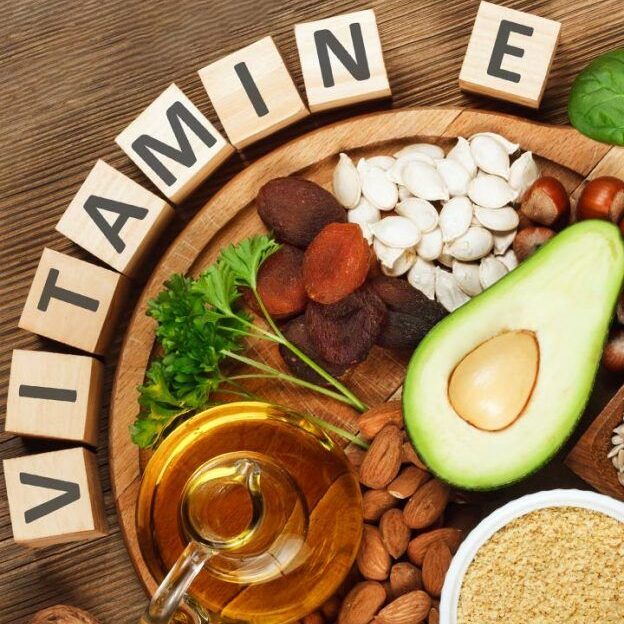
Dietary antioxidants are essential for maintaining cellular health and improving exercise performance. Foods rich in antioxidants, like berries, nuts, and green leafy vegetables, can help reduce muscle damage caused by free radicals during exercise.
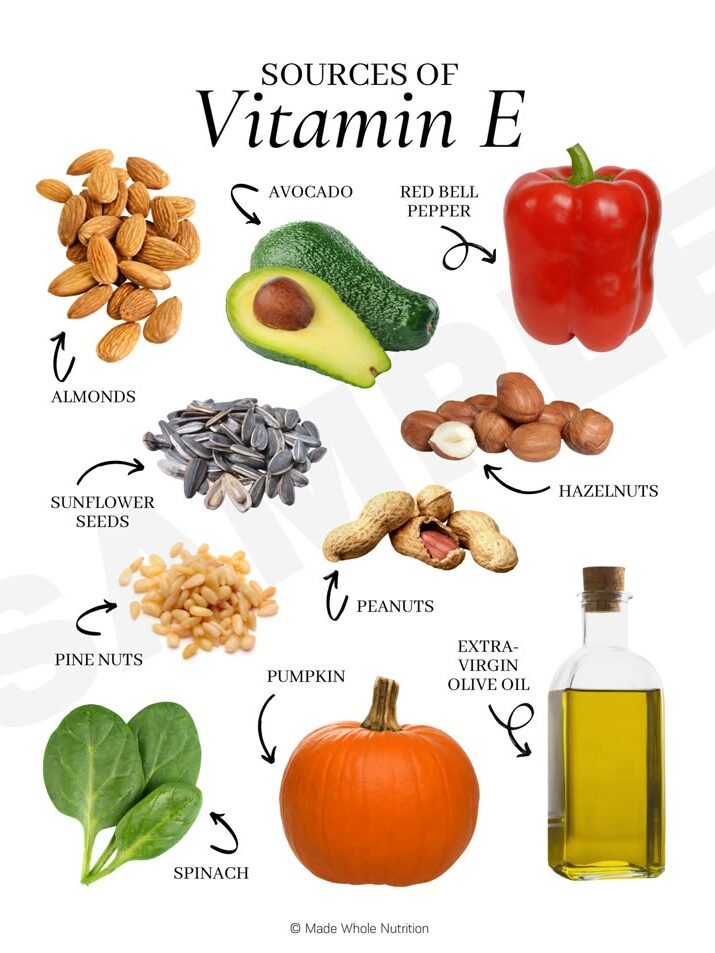
Vitamin E, found in nuts and seeds, can aid recovery by stabilizing cell membranes and reducing inflammation. Including these foods regularly in an athlete’s diet can contribute to better recovery and sustained performance. The right balance of dietary antioxidants can also decrease fatigue and support overall well-being.
Balancing Diet and Antioxidant Supplementation
Finding the right balance between diet and supplementation is key for athletes. While supplements like vitamin E and C can be helpful, they should not replace whole food sources. A diet high in fruits, vegetables, whole grains, and healthy fats provides the essential nutrients necessary for peak performance.
Athletes should focus on a varied diet, including sources of omega-3 fatty acids, such as fatty fish. These nutrients, combined with the right supplements, can optimize recovery and support cellular health. Regularly reviewing one’s nutrition plan with a qualified dietitian can ensure that athletes meet their specific needs and enhance their performance effectively.
Scientific Evidence and Exercise Guidelines
Research has explored the effects of vitamin E on exercise recovery and athletic performance. Various studies have tested its impact, while guidelines are now being shaped for athletes. Understanding this evidence helps in making informed decisions about supplementation.
Meta-Analysis of Vitamin E Research
Several meta-analyses have examined the role of vitamin E in exercise recovery. These analyses review multiple studies to determine overall trends. Results show that vitamin E may reduce oxidative stress, which occurs during intense exercise. Yet, some findings also indicate limited evidence for its effectiveness in improving muscle recovery and performance.
One significant issue is the variability in study results. Factors like dosage, timing of supplementation, and individual responses complicate the conclusions. While some data suggest a potential benefit, generally, the findings remain inconclusive for ensuring exercise recovery.
Randomized Controlled Trials on Exercise and Vitamin E
Randomized controlled trials (RCTs) are critical in assessing vitamin E’s effectiveness. In these trials, participants are randomly assigned to receive either vitamin E or a placebo. Some studies involving young, healthy adults indicate that vitamin E supplementation does not significantly enhance recovery of muscle function following intense exercise.
In particular, a trial involving combined vitamin C and E showed no change in muscle damage markers after training. The lack of consistent results across various RCTs suggests that while vitamin E might have some protective effects, its role in recovery for athletes needs more focused research.
Current Recommendations for Vitamin E Intake in Athletes
Current guidelines for vitamin E intake in athletes emphasize obtaining nutrients from a balanced diet rather than relying on supplements. Foods rich in vitamin E include nuts, seeds, and green leafy vegetables. For athletes, the recommended daily allowance (RDA) is about 15 mg.
While moderate intake is considered safe, high doses may interfere with training adaptation. Athletes are advised to consult healthcare professionals when considering supplementation. Personalized plans can help optimize recovery while ensuring overall health.
Conclusion
Vitamin E plays a significant role in exercise recovery and cellular health. It acts as an antioxidant, helping to protect cells from damage caused by free radicals during physical activity.
Studies show that vitamin E can support muscle recovery. It reduces oxidative stress and inflammation, particularly after intense exercise. This is crucial for athletes looking to improve performance and enhance recovery times.
Practical applications of vitamin E can be seen in dietary supplements and food sources, such as nuts, seeds, and green leafy vegetables. Incorporating these into a balanced diet may offer benefits to overall health.
Future research should explore the long-term effects of vitamin E supplementation. Investigating optimal dosages and timing for athletes may provide deeper insights into its benefits.
Additionally, research into the interactions of vitamin E with other nutrients, like vitamin C, could enhance our understanding of recovery processes.
In summary, vitamin E is an important nutrient for those engaged in regular exercise. Its impact on recovery and cellular health makes it a key component in any athletic nutrition plan.