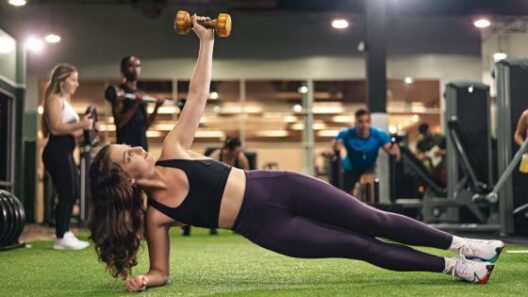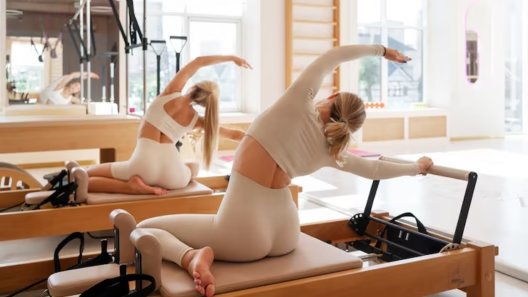





Have you found the perfect app to match your workouts yet?
In 2025, training is no longer limited to gyms or personal trainers. Fitness apps powered by AI, smart tracking, and adaptive workout plans are changing how we train. Whether you’re looking for structured strength programs, yoga flows, or on-demand classes, there’s an app built for your lifestyle.
The only question is—which one is right for you?
We’ve tested and compared the top 10 workout apps everyone is using right now. From free must-haves to premium platforms with all-in-one programs, here’s what stands out.

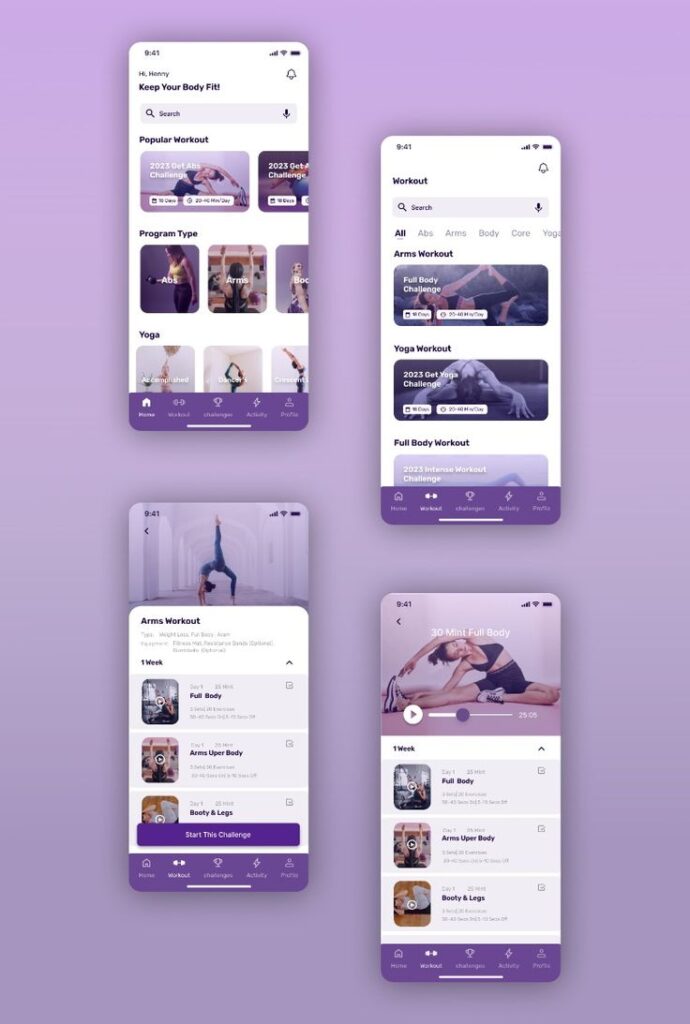

The 10 Best Workout Apps in 2025
1. DIE RINGE – Calisthenics and Functional Training
- Available on: iOS, Android, Web
- Highlights: Step-by-step calisthenics progressions, mobility and flexibility training, personalized workout schedules.
- Best for: Anyone from beginners to advanced users looking to master pull-ups, handstands, or just get stronger with bodyweight exercises.
- Pricing: Free basic plan; premium starts at €14.99/month or €99/year (includes free gymnastic rings).
- Downside: Less appealing if you prefer weight machines or traditional gym training.
2. Freeletics – HIIT and AI Coaching
- Available on: iOS, Android, Web
- Highlights: AI-driven programs, audio coaching, running + bodyweight training, Apple Watch integration.
- Best for: People who want efficient, no-equipment workouts.
- Pricing: Free version; premium from €49.99 for 3 months.
- Downside: Workouts are intense—beginners may find them overwhelming.
3. Nike Training Club (NTC)
- Available on: iOS, Android, Web
- Highlights: Over 300 workouts (strength, yoga, HIIT), plus nutrition and mindfulness guidance.
- Best for: Beginners or budget-conscious users who want free, high-quality content.
- Pricing: Completely free.
- Downside: Less personalized—programs don’t always flow for long-term progress.
4. adidas Running (Runtastic)
- Available on: iOS, Android
- Highlights: Detailed run tracking, GPS analysis, and performance stats.
- Best for: Runners training for endurance or tracking daily jogs.
- Pricing: Free basic version; premium unlocks advanced stats.
- Downside: Primarily running-focused—less versatile for strength training.
5. Fitbod – AI Strength Training
- Available on: iOS, Android
- Highlights: Smart algorithms design workouts based on equipment, past sessions, and recovery.
- Best for: Gym-goers focused on strength and muscle gain.
- Pricing: Free trial; premium subscription required.
- Downside: Works best if you already have gym access or home equipment.
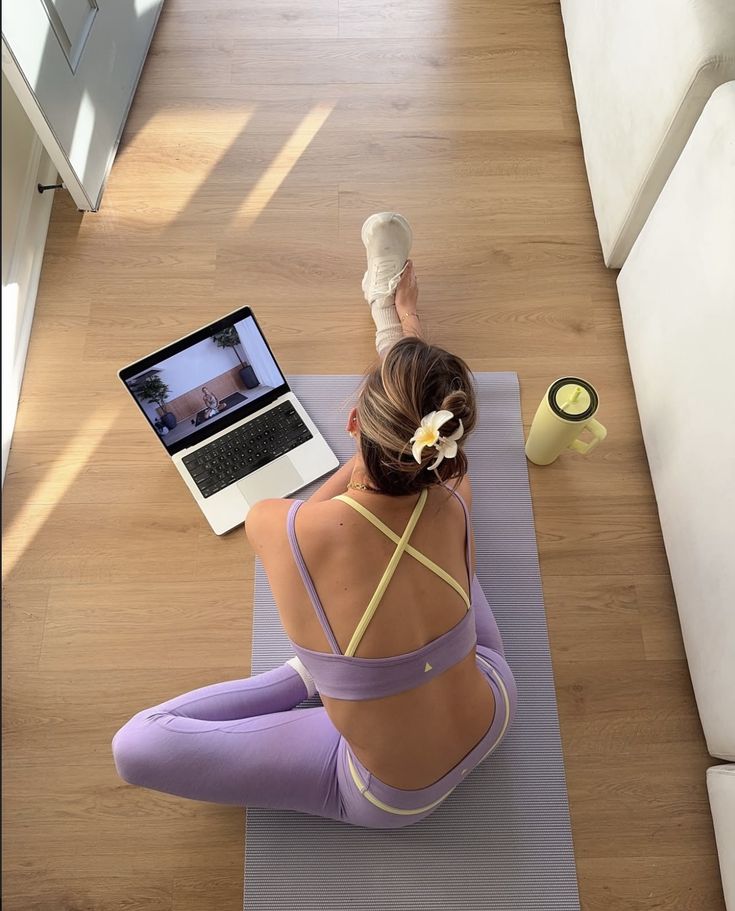
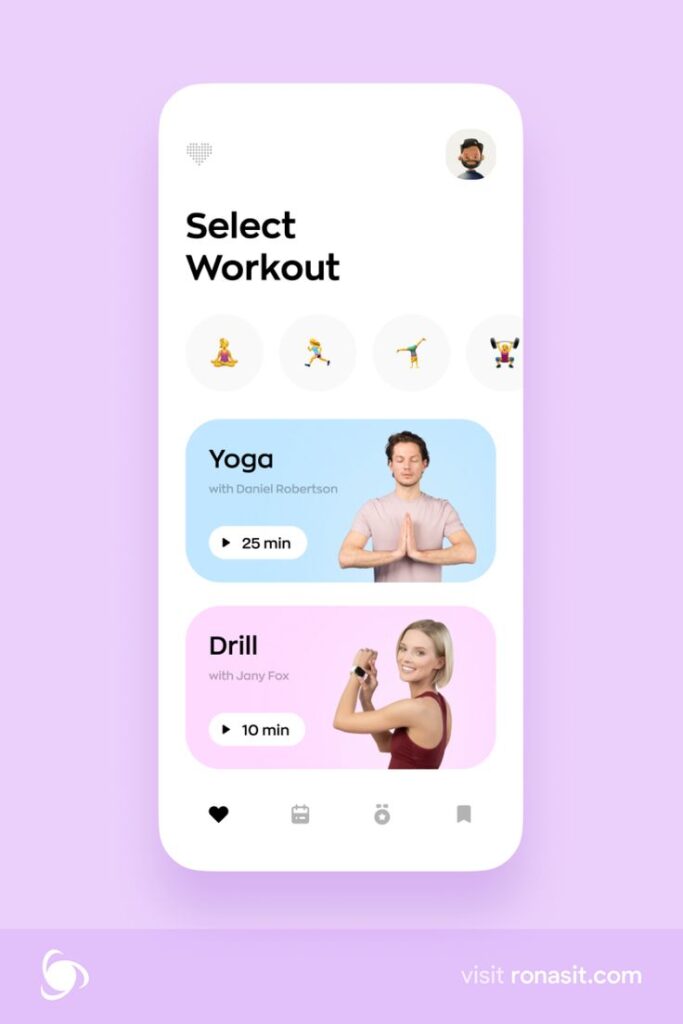

6. Asana Rebel – Yoga Meets Fitness
- Available on: iOS, Android
- Highlights: Yoga-inspired workouts, meditation tools, fitness for weight loss and toning.
- Best for: Users who want holistic training combining movement and mindfulness.
- Pricing: Premium plans only.
- Downside: Not ideal if you’re looking for heavy strength or HIIT training.
7. Strong – Workout Log and Tracking
- Available on: iOS, Android
- Highlights: Advanced workout logging, progress tracking, detailed stats.
- Best for: Experienced lifters and athletes who like data-driven training.
- Pricing: Free basic version; premium unlocks unlimited features.
- Downside: More of a tracker than a coaching app.
8. Peloton – Live and On-Demand Classes
- Available on: iOS, Android, Web
- Highlights: Studio-style workouts (cycling, HIIT, yoga, strength), live leaderboard classes.
- Best for: Users who thrive on community and interactive training.
- Pricing: Subscription required; premium pricing.
- Downside: Works best with Peloton equipment but can still be used without.

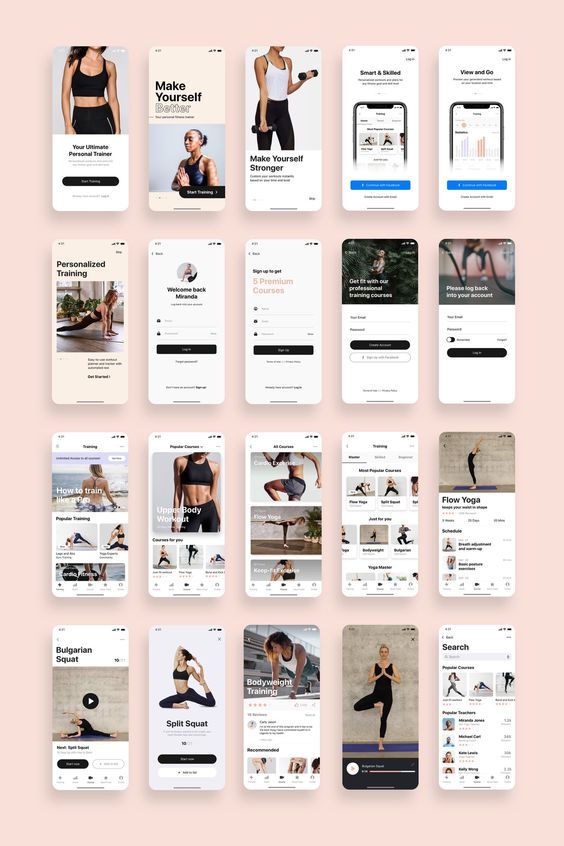

9. Sweat by Kayla Itsines
- Available on: iOS, Android
- Highlights: Structured fitness programs, especially popular with women.
- Best for: Beginners who want progressive home or gym workouts.
- Pricing: Premium subscription required.
- Downside: Narrow focus—less variety compared to other apps.
10. Centr by Chris Hemsworth
- Available on: iOS, Android, Web
- Highlights: Complete fitness ecosystem—workouts, meal plans, mindfulness, recovery tips.
- Best for: Users who want an all-in-one lifestyle app.
- Pricing: Subscription-based.
- Downside: Higher price point compared to others.

Free vs Premium Fitness Apps
- Free apps (like Nike Training Club or basic versions of DIE RINGE and Runtastic) are excellent starting points, especially if you’re new to fitness or don’t want to invest yet.
- Premium apps shine when you need structure, progression, and extra features such as nutrition tracking, AI coaching, or community support.
If your goal is serious, long-term progress, premium is worth the investment. But if you’re just starting or want to experiment, free versions will still get you moving.
The Best Apps for Different Fitness Levels
Beginners
- DIE RINGE – gradual strength progression.
- Nike Training Club – free, beginner-friendly variety.
- Sweat – structured home programs.
Advanced Users
- Strong – advanced tracking for serious lifters.
- Fitbod – smart AI-driven strength programming.
- Peloton – competitive, community-driven training.

FAQ: Choosing the Right Workout App
1. What is the best free fitness app in 2025?
Nike Training Club is the top choice for free users, offering a wide range of workouts without a subscription.
2. Which app is best for weight training?
Fitbod and Strong are the go-to apps for gym-goers focusing on muscle growth and detailed workout tracking.
3. Are paid apps worth it?
Yes—if you want structured progress, AI-driven plans, or nutrition guidance. Apps like Centr and Peloton provide all-in-one solutions.
4. Can I replace the gym with fitness apps?
Absolutely. Apps like DIE RINGE and Freeletics offer challenging bodyweight workouts, perfect for training at home.
Conclusion
Workout apps in 2025 have made fitness more accessible than ever. Whether you’re a beginner building consistency or an experienced athlete fine-tuning your progress, there’s an app for you. The key is matching your personal goals with the right platform—and then staying consistent.
With the right app in your pocket, motivation, structure, and results are always just a tap away.