





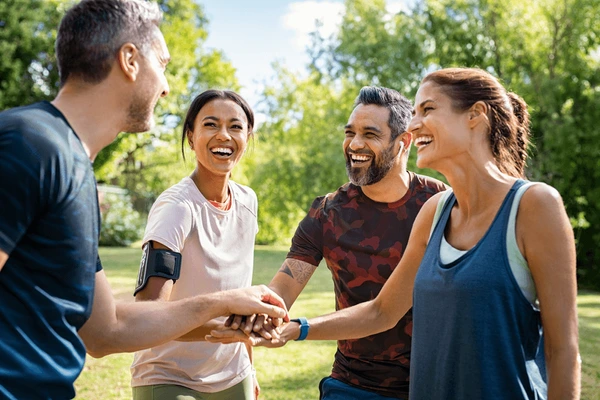
Finding time for exercise in a busy adult life often feels like a competition we are losing. We juggle work, family, and endless responsibilities. Physical activity often falls to the bottom of the list. Yet, neglecting our health carries a steep price. The good news is that fitness does not have to be a solo, solitary slog in the gym.
Enter team sports for adults.
Joining an adult sports league or a casual team offers a powerful, enjoyable solution. It is a game-changer for your physical health, mental well-being, and social life. Team sports wrap essential exercise in a package of fun, camaraderie, and purpose. It is a far more engaging and sustainable path to wellness than many solitary activities.
This article explores the immense value of returning to or discovering team sports. We will look at the concrete benefits, the science behind the joy, and how you can easily find the perfect team for you, no matter your age or fitness level.
The Undeniable Health Benefits: More Than Just a Workout


Team sports deliver a comprehensive fitness package that targets multiple areas of physical health. The physical demands of most team games ensure a high-quality, varied workout. This goes far beyond the predictable routine of a treadmill or weight machine.
Cardiovascular Fitness and Endurance
Most team sports, like soccer, basketball, or ultimate frisbee, involve continuous movement, including running, sprinting, and quick changes of direction. This type of activity is highly effective for your heart and lungs.
- Boosts Heart Health: Regular participation in team sports improves cardiovascular fitness. This strengthens your heart muscle, lowers your resting heart rate, and improves blood pressure. These effects directly reduce your risk of developing cardiovascular disease.
- Increases Stamina: The stop-and-start nature of many games—known as high-intensity interval training (HIIT)—is excellent for building endurance. It challenges your body to recover quickly, increasing your overall stamina and energy levels for daily life.
Weight Management and Body Composition
Consistent activity is the key to managing weight. Team sports make consistent activity enjoyable, which leads to better adherence.
- High Calorie Burn: Fast-paced team games burn a significant number of calories quickly. This makes them highly effective for reducing body fat and maintaining a healthy weight.
- Builds Lean Muscle: Sports like volleyball, basketball, and flag football require bursts of power and strength for jumping, throwing, and quick movements. This helps build and maintain lean muscle mass, which is crucial for a healthy metabolism as you age.
Musculoskeletal Strength and Injury Prevention
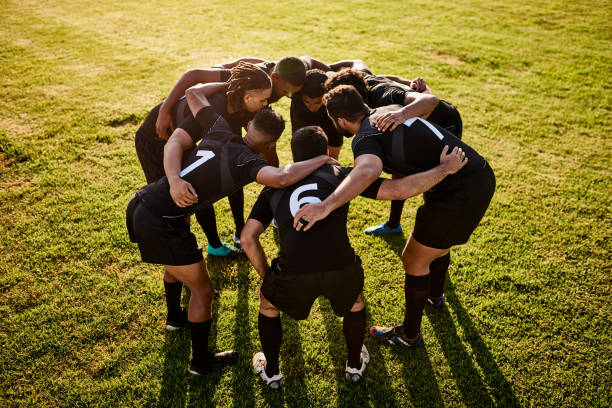
Team sports are fantastic for strengthening your entire body in functional, dynamic ways.
- Stronger Bones and Joints: Weight-bearing activities like running and jumping stimulate bone growth. This helps increase bone density and reduce the risk of conditions like osteoporosis. It also keeps joints mobile and flexible.
- Improved Coordination and Balance: Successfully participating in a team sport requires hand-eye or foot-eye coordination, agility, and balance. These skills are essential for reducing the risk of accidental falls and injuries in all areas of life.
Statistic Spotlight: The World Health Organization (WHO) recommends adults aged 18–64 get at least 150–300 minutes of moderate-intensity aerobic physical activity per week. Joining a team sport often helps adults easily hit and exceed these guidelines.
The Mental Edge: Team Sports and a Happier Brain

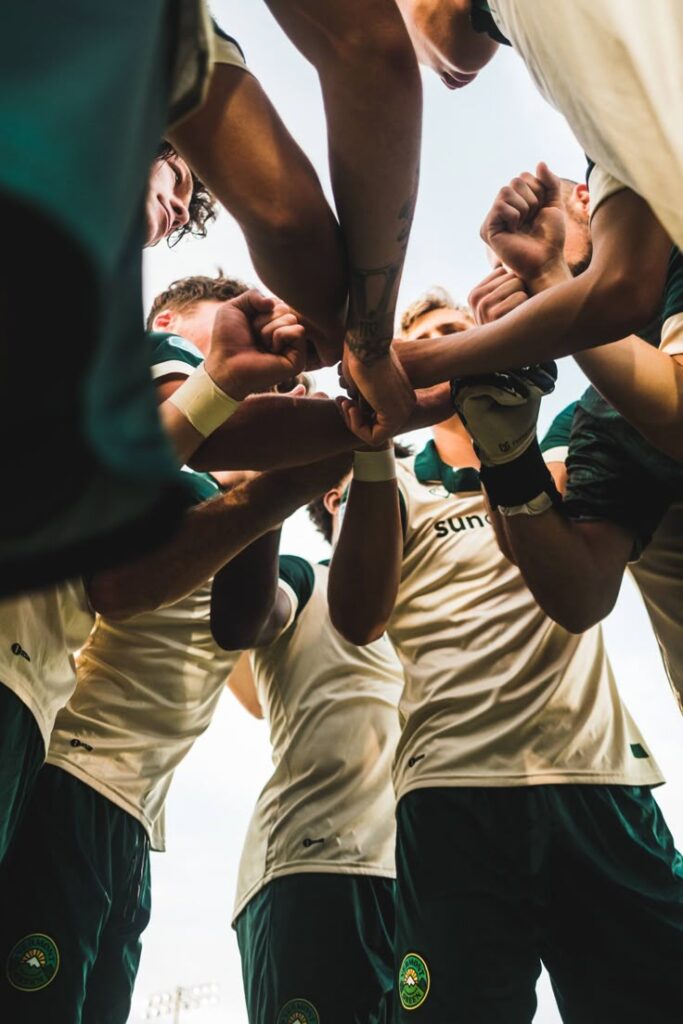
The benefits of team sports extend far beyond the physical. They are a powerful tool for combating stress, anxiety, and the general mental fatigue of adult life. Research consistently shows the positive impact of team participation on mental well-being.
Stress Reduction and Mood Enhancement
Physical activity is a natural stress reliever. The social aspect of a team elevates this effect.
- Endorphin Release: Exercise triggers the release of endorphins—the body’s natural mood elevators and pain relievers. This chemical reaction provides an immediate boost to your mood after a game.
- Healthy Distraction: For the duration of the game, your focus shifts entirely to the moment: the strategy, the ball, and your teammates. This intense focus provides a welcome, mandatory break from the worries and pressures of work or home life.
Improved Social Connections and Belonging
Loneliness and social isolation are growing public health concerns. Team sports offer a built-in solution by creating a ready-made social network.
- A Sense of Community: Being part of a team fosters a strong sense of belonging and social identity. This feeling of being a valued member of a group is crucial for psychological health. A scientific review highlighted that participation in team sports is associated with increased social inclusion, camaraderie, and positive peer relationships.
- Emotional Support System: You share wins, losses, challenges, and high-pressure moments with your teammates. This shared experience deepens bonds, providing an emotional support system that goes beyond the playing field.
Enhanced Cognitive Function and Life Skills
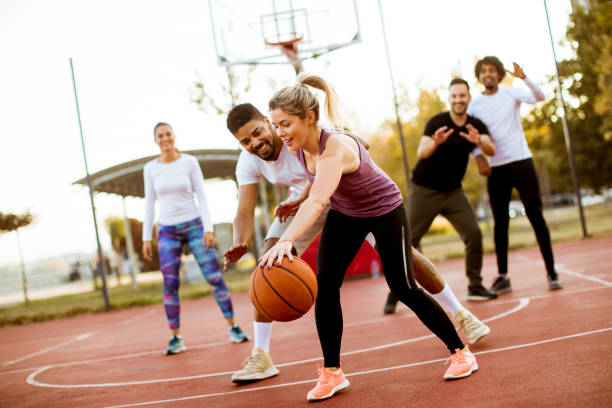
Team sports demand quick thinking and strategy, which trains your brain just as much as your body.
- Quick Decision-Making: In a fast-paced game, you constantly need to analyze the situation and make split-second decisions. This practice sharpens cognitive functions like attention, reaction time, and problem-solving skills, benefits that translate directly to your professional and personal life.
- Building Resilience: Dealing with a tough loss, recovering from a mistake, or pushing through physical exhaustion teaches resilience and coping skills. Team sports normalize setbacks as part of the process, helping you develop a stronger, more positive mindset toward adversity.
Expert Opinion: A review of studies on sport participation and mental health found that, compared to individual sports, team sports provide greater benefits to overall mental health. The combination of physical activity and required social interaction appears to be the key differentiator.
Structured Success: The Social and Professional Skills Transfer
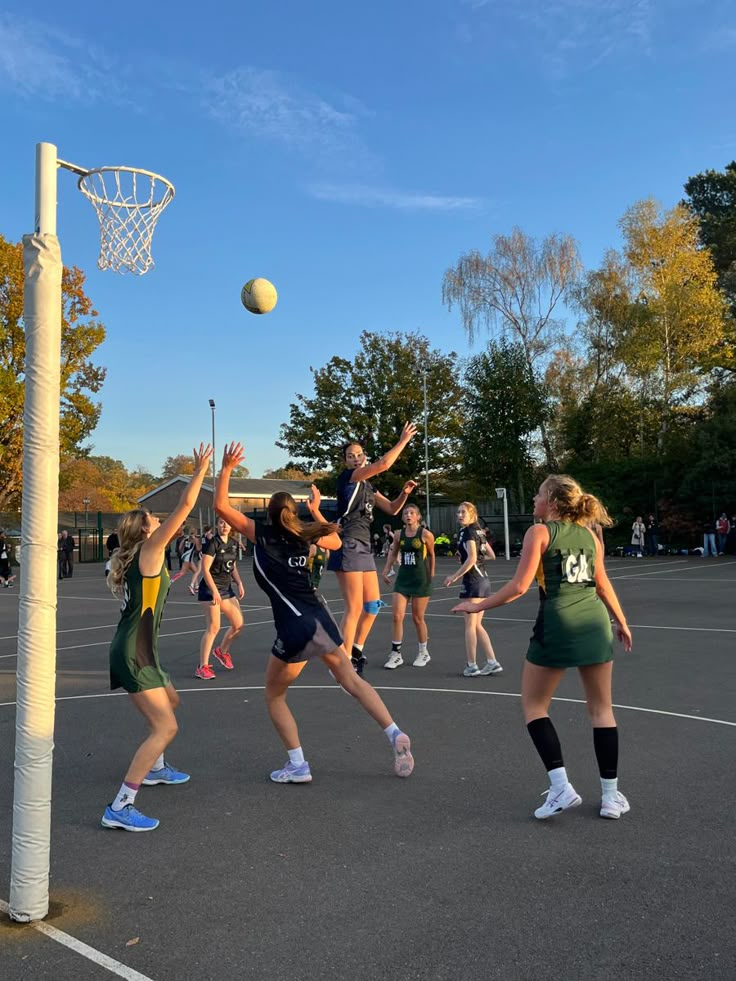
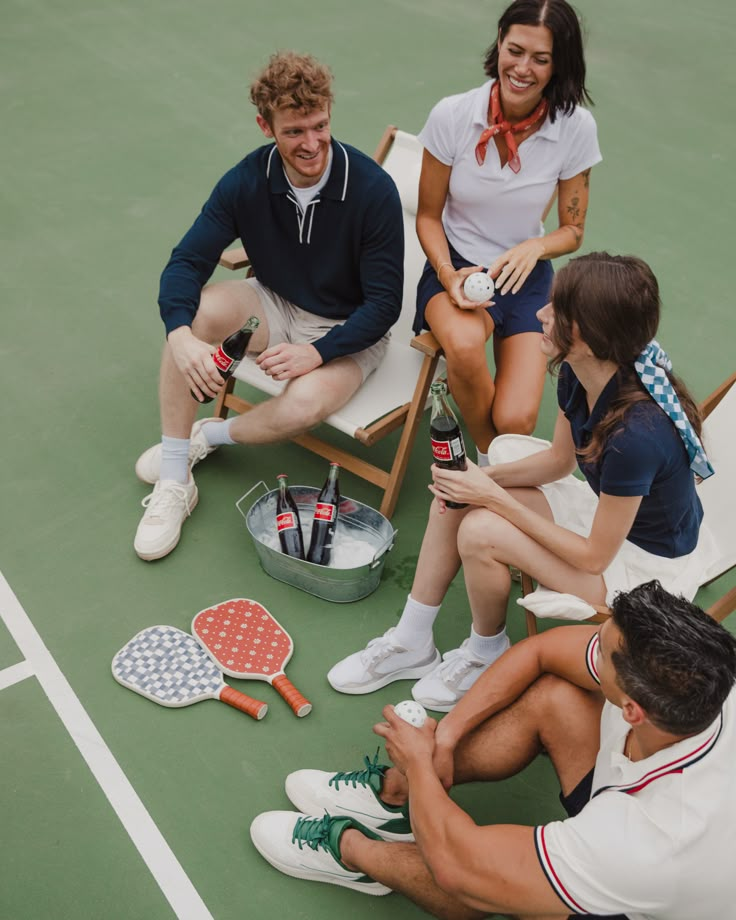
The teamwork, communication, and discipline you practice on the field are directly transferable to your career and relationships. Team sports are essentially a fun, active form of professional development.
Sharpening Communication Skills
Effective communication is paramount in any team setting. You learn to speak clearly, listen actively, and interpret non-verbal cues—all critical workplace skills.
- Verbal and Non-Verbal Cues: You learn to call out plays, offer concise instructions, and encourage a teammate. More subtly, you learn to anticipate a teammate’s next move through eye contact or body language.
- Constructive Feedback: Both giving and receiving feedback is part of the game. Learning to accept coaching and critique without taking it personally is a huge advantage in any professional environment.
Mastering Teamwork and Collaboration
At the core of team sports is collaboration toward a shared goal. This is perhaps the most valuable skill transfer for the modern workplace.
- Understanding Roles: Every player has a role, and success depends on each person executing their specific duties. You learn to appreciate the contributions of others and understand how individual effort supports the collective goal.
- Conflict Resolution: Teams are made up of diverse personalities, and disagreements are inevitable. You learn how to resolve conflicts quickly, prioritize the team’s success over personal feelings, and move forward.
Leadership and Accountability
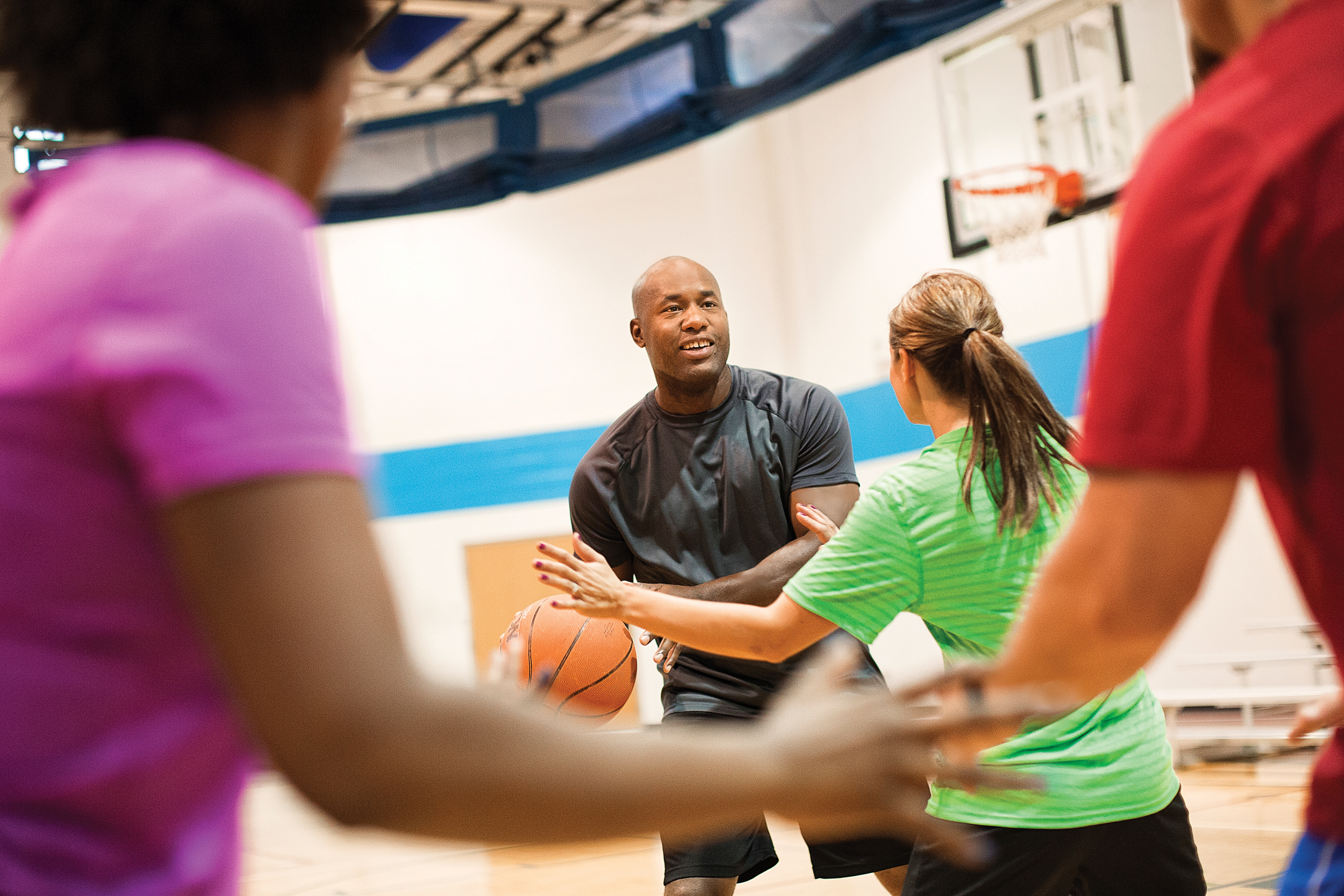
Adult team sports provide a low-stakes environment to practice both leading and following.
- Developing Leadership: Opportunities arise for players to step up, organize a play, or motivate the team during a tough moment. These natural leadership moments build confidence.
- Personal Responsibility: Showing up on time, knowing the rules, and doing your best hold you accountable not just to yourself, but to the entire team. This commitment increases personal discipline.
Case Study Snippet: A survey of 400 female corporate executives found that 94% had played a sport, and 61% stated that sports contributed to their career success. They often cite skills like teamwork, handling pressure, and goal-setting as having been honed on the playing field.
Finding Your Game: Popular Team Sports for Adults
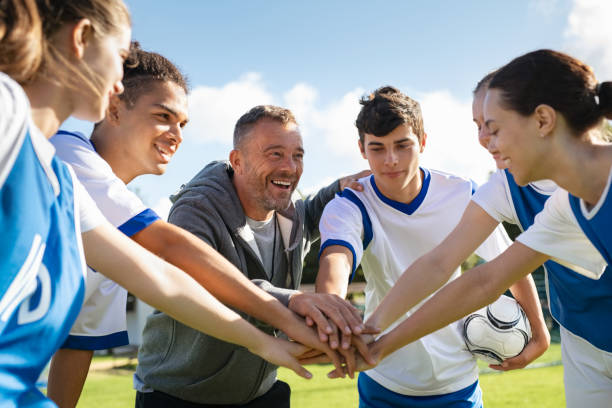
The world of adult team sports is incredibly diverse. You can find leagues and groups for almost any sport and every skill level, from fiercely competitive to purely recreational “beer leagues.”
Globally Popular and Accessible Options
These sports are popular because they are widely available and relatively easy to start, even as a beginner adult.
- Soccer (Football): The world’s most popular sport is highly accessible. It provides excellent cardiovascular exercise and improves endurance and agility. Leagues exist for all levels, from casual co-ed groups to competitive men’s or women’s teams.
- Basketball: A fast-paced sport perfect for a great cardio workout. It enhances coordination, agility, and quick decision-making. Look for local pickup games, YMCA leagues, or city recreation leagues.
- Volleyball: Excellent for coordination, jumping ability, and teamwork. It is a highly social sport, and you can find leagues both indoors and outdoors (sand volleyball). Many adult leagues are co-ed and emphasize fun over intense competition.
- Softball/Baseball: Often the quintessential adult recreational sport. It provides a moderate level of physical activity but is unmatched for its social opportunities. It’s perfect for a leisurely evening outdoors and provides a great sense of community.
Unique and Emerging Team Sports

If you are looking for something different, consider these rapidly growing team activities:
- Ultimate Frisbee: A non-contact, fast-paced sport combining elements of soccer, football, and running. It is known for its high level of sportsmanship and the “Spirit of the Game” rule, which relies on players to self-officiate.
- Dodgeball/Kickball: Throwbacks to childhood, these sports are now popular adult recreational leagues. They offer pure, unadulterated fun, an excellent aerobic workout, and a huge dose of nostalgia.
- Rowing (Crew): Often overlooked, this low-impact, high-intensity team sport works nearly every major muscle group. Being on a crew team requires incredible synchronization and teamwork, providing a deep sense of shared accomplishment.
- Flag Football: Offers the strategy and excitement of American football without the high-impact collisions. It’s a great way to stay fast and agile while developing complex team strategies.
Overcoming Barriers: Getting Back in the Game
Many adults feel intimidated about joining a team, often saying, “I’m not fit enough,” or “I haven’t played since high school.” These feelings are completely normal, but they should not stop you.
Addressing Common Concerns
| Barrier/Concern | Practical Solution | Key Takeaway |
| “I’m too out of shape.” | Start with a recreational or beginner league. These divisions prioritize fun and participation over elite skill. Many leagues are explicitly designed for older adults or those returning to sports. | Focus on participation, not performance. |
| “I’m afraid of injury.” | Choose a low-impact or non-contact sport (like softball, volleyball, or Ultimate Frisbee). Always stretch before playing and listen to your body. Consistency builds resilience. | Pick a safe, sustainable sport. |
| “I don’t know where to find a team.” | Check your local city’s Parks and Recreation department website, the YMCA, or search online for “[Your City Name] adult sports leagues.” Websites like Meetup or local Facebook groups often list informal teams. | Local government and community centers are great starting points. |
| “I don’t have enough time.” | Many adult leagues play just once a week for an hour. Treat this commitment like any other important appointment—it’s an investment in your mental and physical health. | Schedule it and commit to it. |
The Value of Coaching and Mentorship

For adults who are serious about skill development, hiring a coach or joining a structured training group is highly valuable. This applies even in recreational settings.
- Refine Basic Skills: A coach can help you relearn fundamental movements and techniques, which increases your confidence and reduces the risk of injury.
- Structured Practice: Organized practice drills help you improve rapidly, making the game more enjoyable and rewarding.
- Team Dynamics: A good coach helps a group of strangers quickly gel into a cohesive unit, accelerating the social benefits of the sport.
The Long-Term ROI: A Lifetime of Benefits
The decision to join a team sport is an investment that pays dividends for years. It’s not just about getting fit now; it’s about building habits for a healthy future.
Building a Foundation for Lifelong Activity
Studies show that adults who participate in sports are more likely to remain physically active throughout their lives. The positive association with a sport creates a habit that is enjoyable, not a chore.
- Sustainability: When exercise feels like a fun social event, you are far more likely to stick with it than a solitary routine you dread. This consistency is the single biggest predictor of long-term health success.
- Adaptability: As you age, you can transition to less physically demanding versions of your favorite sports, such as slow-pitch softball or walking soccer, maintaining the social and mental benefits even as your physical capacity changes.
The Power of Shared Memory
A team sport provides you with a reservoir of shared memories, stories, and inside jokes that enrich your life. These shared experiences become part of your personal narrative. They are a source of pride, laughter, and connection, a true measure of a life well-lived.
Your Call to Action: The Time to Play is Now
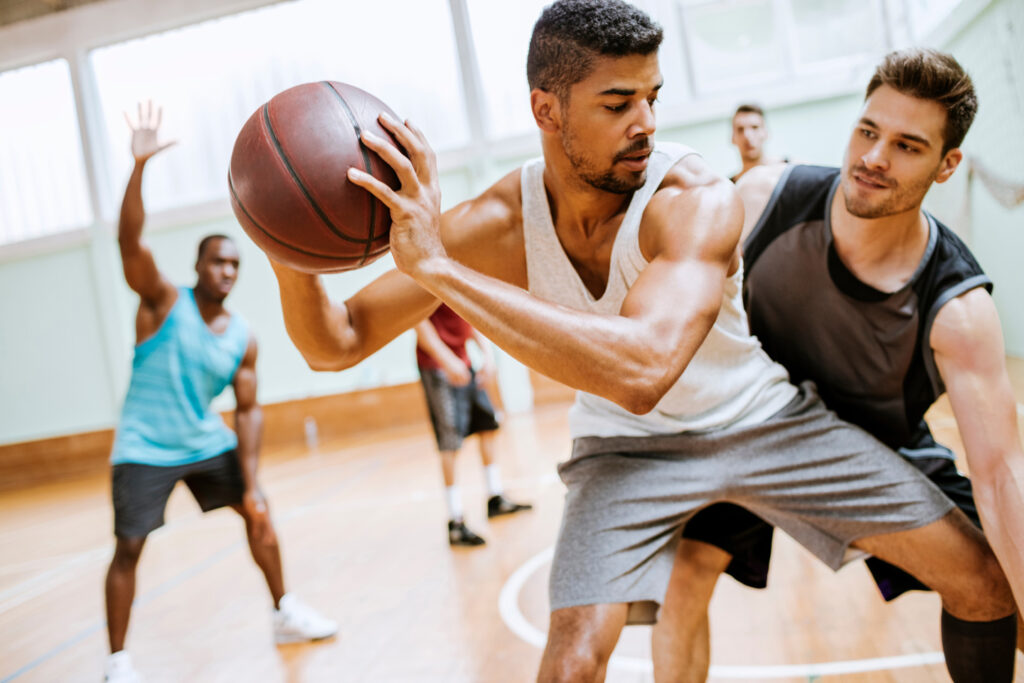
Your adult life is ready for an upgrade. The benefits of team sports—from a stronger heart and a clearer mind to a richer social life—are too significant to ignore. There is a team out there waiting for you, regardless of your skill level, age, or background.
Stop viewing exercise as a mandatory chore and start seeing it as an opportunity for play, connection, and growth.
Take the First Step Today:
- Identify Your Sport: Choose a sport you genuinely find interesting, whether it’s a nostalgic favorite or something new like Ultimate Frisbee.
- Find a League: Search your local city’s Parks & Rec site or a community sports organizer for a beginner, recreational, or co-ed league.
- Sign Up and Commit: Pay the fee and mark the first game on your calendar. This commitment is the final barrier to a new, healthier, and more connected life.
Reclaim your game, reconnect with your community, and transform your well-being. The bench is open—it’s time to get back in the game!