






Why Emotional Health is Your Most Valuable Asset
In the relentless rush of modern life, we obsess over physical fitness, career success, and financial security. We track our steps, monitor our portfolios, and optimize our diets. Yet, we often neglect the most critical element of a fulfilling life: emotional health.
Emotional health is not simply the absence of mental illness; it is the active, ongoing process of understanding, managing, and positively expressing your feelings. It’s the resilience that allows you to weather life’s inevitable storms, the clarity that helps you make sound decisions, and the foundation upon which strong, meaningful relationships are built.
Think of your emotional health as the operating system for your entire being. When the system is robust, everything runs smoothly. When it’s compromised, even the smallest tasks can feel overwhelming. Prioritizing this inner world is not a luxury; it is a fundamental necessity for achieving true happiness and sustained success.


Key Takeaways to Understand:
- Emotional Health vs. Mental Health: While interconnected, emotional health specifically focuses on your ability to recognize, accept, and effectively process feelings like joy, anger, sadness, and fear. Mental health is a broader term encompassing cognitive and behavioral well-being.
- It’s Dynamic, Not Static: Being emotionally healthy doesn’t mean you’re always happy. It means you have the tools to navigate the full spectrum of human emotions without being constantly derailed by negative ones.
- The ROI is Immeasurable: Investing in your emotional well-being leads to better physical health, increased productivity, stronger relationships, and a profound sense of inner peace.
The Hidden Crisis: A Call for Inner Awareness
Despite the growing conversation around wellness, a significant portion of the population struggles with emotional well-being.
- Expert Opinion (The American Psychological Association): Stress is often cited as a major obstacle. Chronic stress, a direct threat to emotional health, is a pervasive issue, leading to conditions like anxiety and depression.
- A recent study highlighted by the WHO suggests that global rates of anxiety and depression have significantly increased, underscoring the urgency of developing robust emotional coping mechanisms. This isn’t just a personal issue; it’s a global health imperative.
The good news is that emotional intelligence and resilience are not fixed traits; they are skills that can be learned, practiced, and mastered. This definitive guide will walk you through the core components of emotional health, providing actionable strategies to help you master your inner world and live a life of greater depth and meaning.
The Core Pillars of Emotional Health



To build a skyscraper, you need a strong foundation. Emotional health rests on three interconnected pillars. Understanding these is the first step toward self-mastery.
Emotional Awareness (The “Know Thyself” Principle)
This is the ability to recognize and name your emotions as they happen. It sounds simple, but many people spend their lives disconnected from their true feelings, masking them with distractions or harmful habits.
Key Concepts in Awareness:
- The Emotional Spectrum: Moving beyond simple “good” or “bad.” Learning to distinguish between frustration, disappointment, and anger, for example, allows for a more targeted response.
- Body Cues: Your body is the first responder to your emotions. A tight chest, a knot in your stomach, or a racing heart are signals. Emotional awareness means listening to these whispers before they become shouts.
- Non-Judgmental Observation: Observing an emotion without immediately reacting to it or judging yourself for having it. This creates a vital space between feeling and action.
Emotional Regulation (The Power of Response)


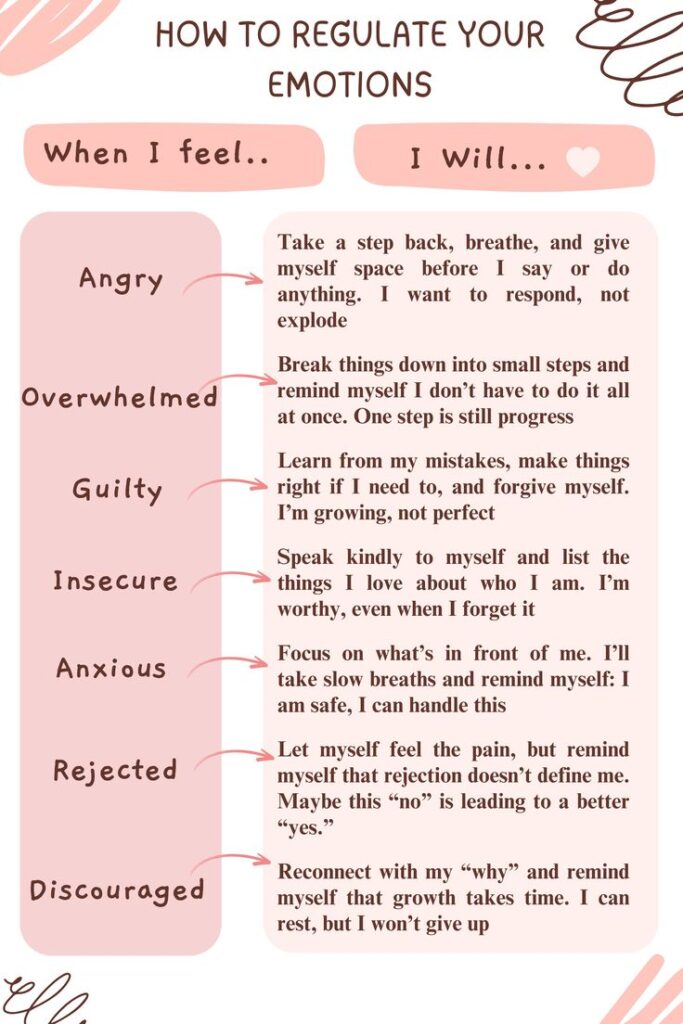
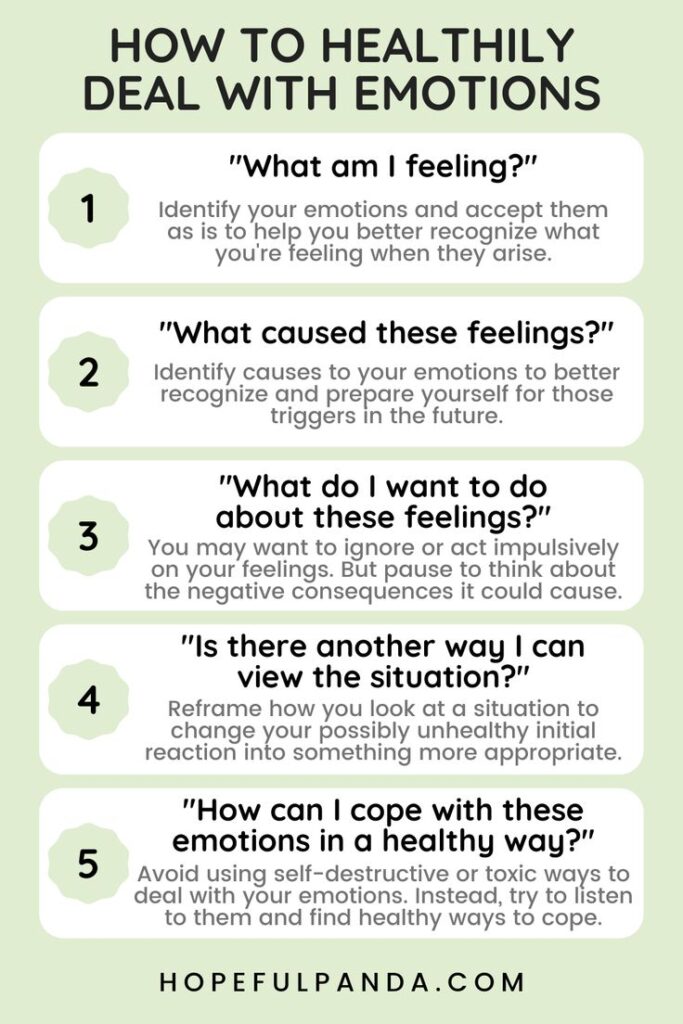
Awareness is the what; regulation is the how. This pillar is your ability to manage, modulate, and respond constructively to your feelings, especially intense or negative ones. It’s the difference between lashing out in anger and calmly communicating your boundaries.
Effective Regulation Techniques:
- Cognitive Reframing: Shifting your perspective on a situation. Instead of viewing a mistake as a catastrophe, reframing it as a valuable learning experience.
- Mindfulness and Deep Breathing: Simple, yet profoundly powerful tools. Deep, diaphragmatic breathing immediately signals to your nervous system that you are safe, interrupting the stress response.
- The 5-Minute Rule (Example): When intense emotion strikes, commit to waiting just five minutes before reacting. This short delay often allows the rational part of your brain to re-engage.
3. Emotional Expression and Connection (The Relational Aspect)
Health is also about flow and connection. Healthy emotional expression involves communicating your feelings honestly and respectfully, fostering deeper connections with others, and asking for support when you need it.
Actionable Strategies for Expression:
- “I” Statements: Communicating feelings without placing blame. (e.g., “I feel frustrated when the deadline is moved,” rather than “You always change the deadline.”)
- Setting Healthy Boundaries: Understanding that saying “no” is an act of self-care, protecting your emotional energy from draining commitments or difficult people.
- Vulnerability and Trust: True connection requires the willingness to be vulnerable. Sharing your authentic self, flaws and all, is an essential ingredient for meaningful, emotionally supportive relationships.
Conclusion: Your Journey to Emotional Freedom


Emotional health is not a destination; it is a dedicated practice. The work you do in your inner world will echo across every aspect of your outer life—your career, your relationships, and your physical vitality. Mastering your emotions is the ultimate form of self-empowerment. It frees you from being a passenger to your moods and allows you to become the deliberate architect of your life.
Take Action Now:
- Start a Daily Check-in: Dedicate five minutes each morning to simply ask yourself, “How do I truly feel right now?” Name the emotion and accept it.
- Practice Mindful Pauses: The next time a strong emotion arises, pause. Take three deep, slow breaths before you speak or act.
- Invest in Yourself: Commit today to prioritizing your emotional health. Seek out a reputable resource, read an accredited book on Emotional Intelligence, or schedule an introductory session with a therapist or life coach.
Your most valuable asset is waiting for your attention. Begin the journey today.
Frequently Asked Questions
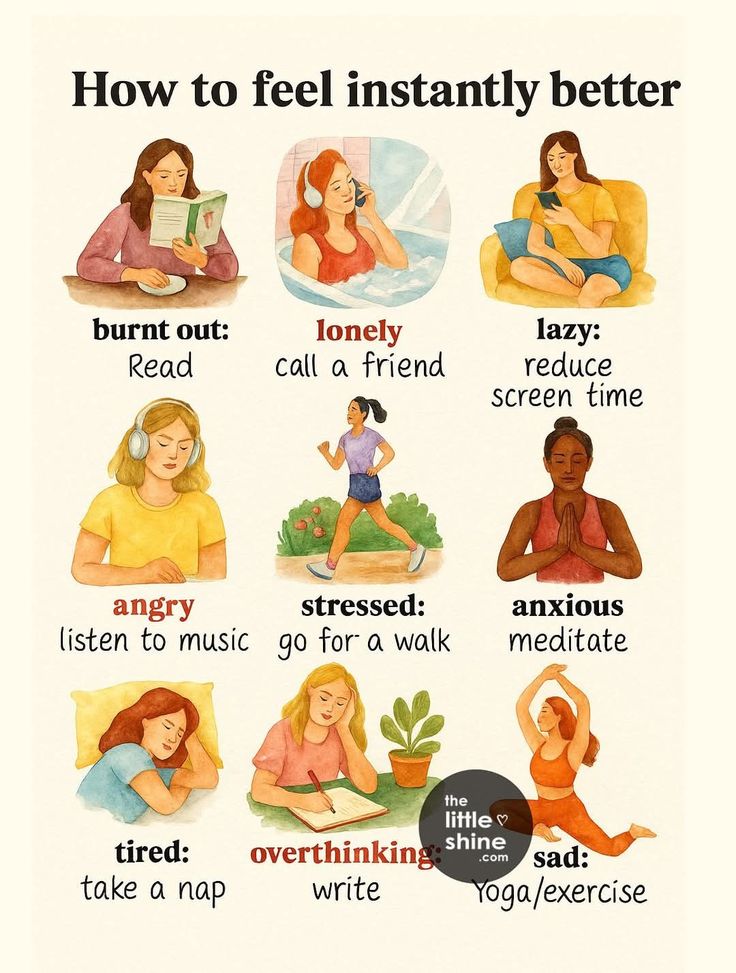
What exactly is Emotional Health, and how is it different from Mental Health?
Emotional health is your ability to understand, manage, and express your feelings effectively. It involves recognizing your emotions (joy, fear, anger, sadness) and knowing how to respond to them in a healthy way.
Mental Health is a broader concept that encompasses your emotional, psychological, and social well-being. While emotional health focuses on your feelings, mental health includes your cognitive functions (thinking clearly) and behavioral patterns. Think of emotional health as a vital component within the larger umbrella of mental health.
Does being emotionally healthy mean I should always be happy?
Absolutely not. A core misunderstanding is that emotional health equals constant happiness.
- Emotional health is about completeness, not perpetual positivity. It means accepting and skillfully navigating the full spectrum of human emotions, including sadness, anger, frustration, and disappointment.
- An emotionally healthy person feels negative emotions when appropriate, but they have the resilience to process those feelings without being overwhelmed or allowing them to dictate their long-term behavior.
What are the key warning signs that my emotional health is declining?
Look for persistent changes in your daily patterns that last for more than a few weeks. These signs often include:
- Sleep Disturbances: Significant difficulty falling or staying asleep (insomnia) or sleeping too much (hypersomnia).
- Persistent Fatigue: Feeling constantly drained, even after adequate rest.
- Changes in Appetite: Overeating or a significant loss of appetite.
- Emotional Volatility: Becoming easily irritated, snapping at loved ones, or crying more frequently.
- Withdrawal: Losing interest in activities you once enjoyed, or isolating yourself from friends and family.
- Difficulty Concentrating: Struggling to focus on work tasks or making simple decisions.
How quickly can I improve my emotional health?

Improving emotional health is a journey, not an event. You can see small, immediate improvements by implementing simple, daily practices, but sustained change takes time and consistency.
| Time Frame | Expected Improvement | Actionable Examples |
| Immediate | Reduction in acute stress, momentary clarity. | Taking 10 deep, diaphragmatic breaths; stepping away from a difficult situation. |
| Short-Term (1-4 Weeks) | Slightly better mood, more control over reactions. | Starting a gratitude journal; committing to 30 minutes of daily physical movement. |
| Long-Term (3+ Months) | Stronger resilience, healthier relationships, deeper self-awareness. | Consistent practice of mindfulness; successfully setting and maintaining personal boundaries. |
What is “Emotional Regulation,” and why is it important?
Emotional Regulation is the ability to influence which emotions you have, when you have them, and how you experience and express them. It’s your internal steering wheel for feelings.
- Importance: Without regulation, you are a passenger to your feelings. If you can regulate, you can choose a constructive response instead of a reactive one. This prevents minor frustrations from escalating into major conflicts or self-destructive behaviors.
- Technique Example: Cognitive Reframing—the ability to look at a challenging situation from a different, less threatening perspective.
Are physical health and emotional health truly connected?

Absolutely. The connection is bidirectional and scientifically proven. Your body and mind are a single system.
- Body to Mind: Stress (an emotional challenge) triggers the release of the hormone cortisol, which, in excess, suppresses your immune system, raises blood pressure, and contributes to weight gain. Regular exercise, conversely, releases mood-boosting neurotransmitters like endorphins.
- Mind to Body: Positive emotional states like optimism and hope are associated with better cardiovascular health, faster wound healing, and a longer lifespan, as demonstrated by studies like the famous Nun Study.
When should I seek professional help for my emotional health?
Seeking help is a sign of strength and self-awareness, not failure. You should seek professional support if:
- Impairment: Your emotional state is significantly interfering with your daily life, work, or relationships.
- Duration: Symptoms of distress (sadness, anxiety, hopelessness) last for two weeks or more.
- Self-Harm: You are having thoughts of harming yourself or others.
- Coping Mechanisms Fail: You are increasingly relying on destructive coping mechanisms (e.g., substance abuse, excessive gambling, severe isolation) to manage your feelings.