


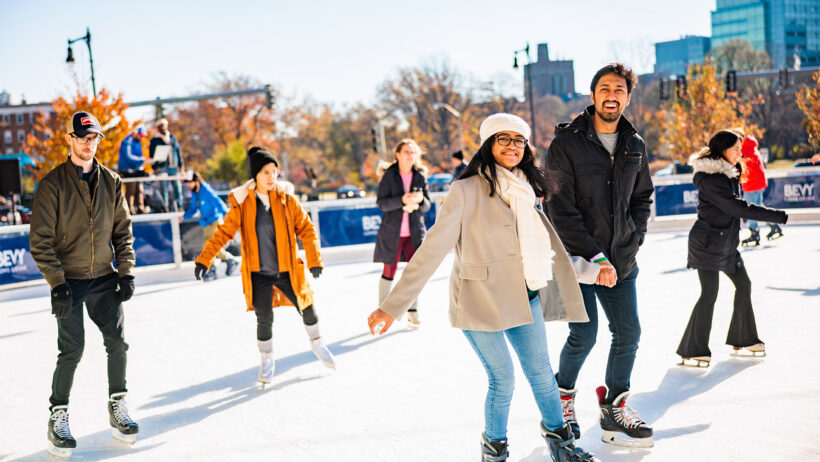

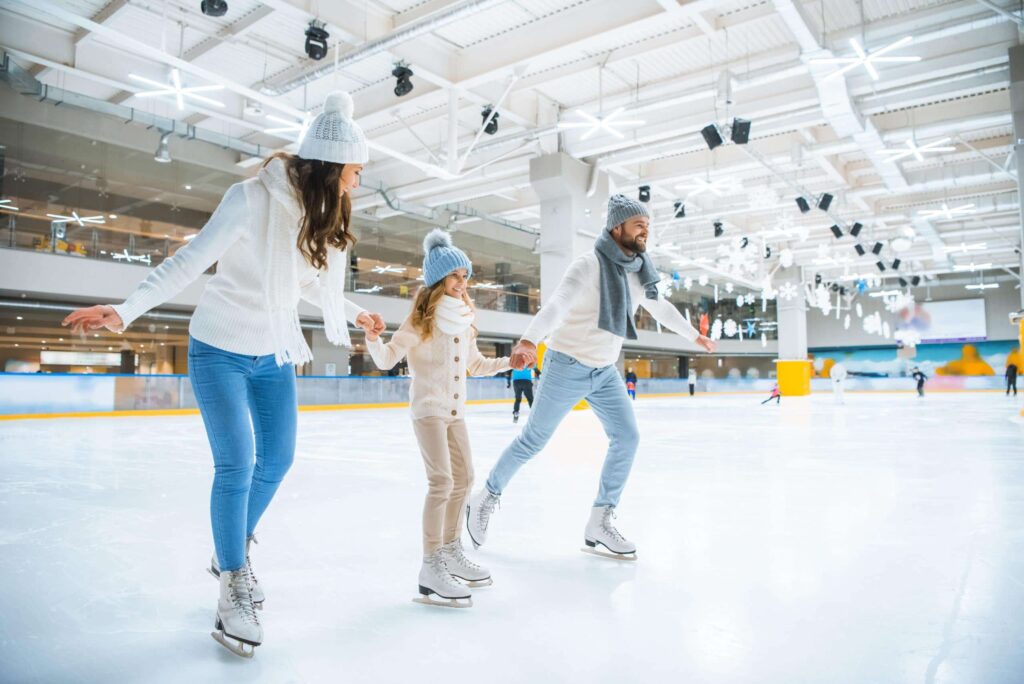
Ice skating, with its blend of grace, athleticism, and fun, captivates millions worldwide. Whether you dream of effortlessly spinning like an Olympic figure skater, confidently playing a game of ice hockey, or simply enjoying a recreational glide at a local rink, the journey starts with ice skating lessons. This comprehensive guide will illuminate the path, providing an engaging, informative, and well-structured roadmap to help you master the ice.
Why Ice Skating Lessons are Your Best First Step

Many people assume ice skating is intuitive—you just strap on skates and go. However, the ice demands respect and proper technique. Trying to learn alone often leads to frustrating falls, the development of bad habits, and potential injuries. Formal instruction is the most effective, safest, and quickest way to learn.
The Undeniable Benefits of Professional Instruction
- Safety First: Instructors teach you how to fall correctly (yes, there’s a technique!) and how to stop reliably, dramatically reducing the risk of injury.
- Building a Strong Foundation: Lessons focus on core mechanics—proper balance, posture, and weight distribution—which are crucial for all advanced skills. Skipping these steps is like trying to build a house without a foundation.
- Accelerated Progress: A structured curriculum moves you from basic standing to gliding, pushing, and stopping much faster than self-teaching. You’ll avoid plateaus and maintain momentum.
- Correcting Bad Habits: An instructor provides immediate, personalized feedback, correcting errors before they become ingrained habits that are difficult to undo.
- Confidence Boost: Success on the ice, even in small increments, is a huge confidence builder. Knowing you’re using the right technique empowers you to try new things.
Expert Insight: According to a study published by the Ice Skating Institute (ISI), skaters who participate in formal lessons progress through skill levels 40% faster than those who do not, highlighting the efficiency of structured learning.
Choosing Your Path: Types of Ice Skating Lessons
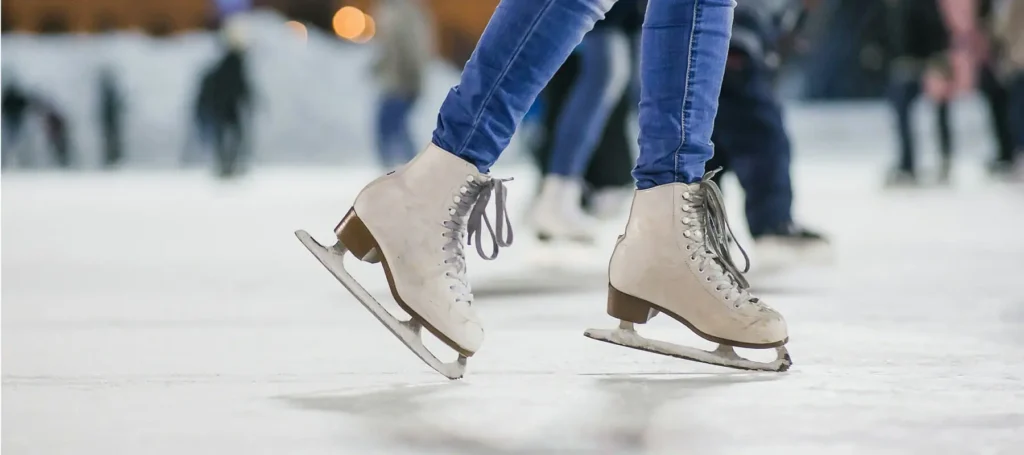
The world of ice skating is diverse, and lessons are tailored to specific goals. Before signing up, decide what you want to achieve.
1. Group Lessons: The Social and Affordable Choice
Group lessons are the most popular starting point. They typically involve 6-15 students of similar skill levels, one or two instructors, and a structured curriculum (often following programs like Learn to Skate USA or CanSkate).
| Pros | Cons |
| Cost-Effective and easy on the budget. | Less individualized attention from the coach. |
| Social Environment for meeting other beginners. | Pacing can be too fast or too slow depending on the group. |
| Structured Curriculum ensures comprehensive learning. | Limited scheduling flexibility. |
2. Private Lessons: The Fast Track to Mastery
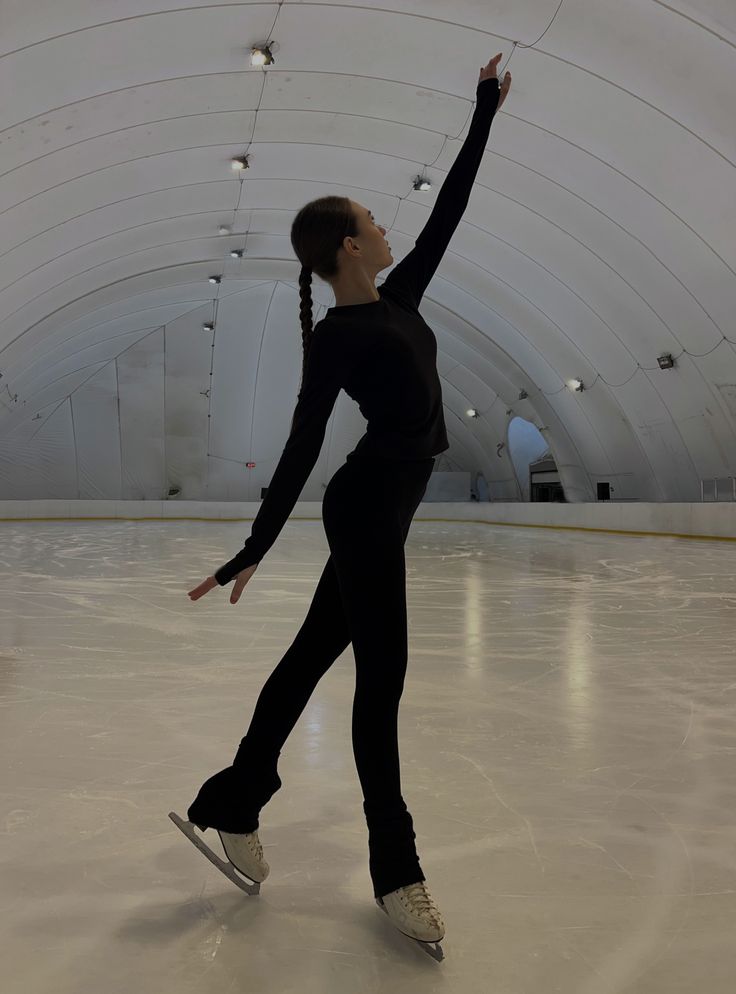
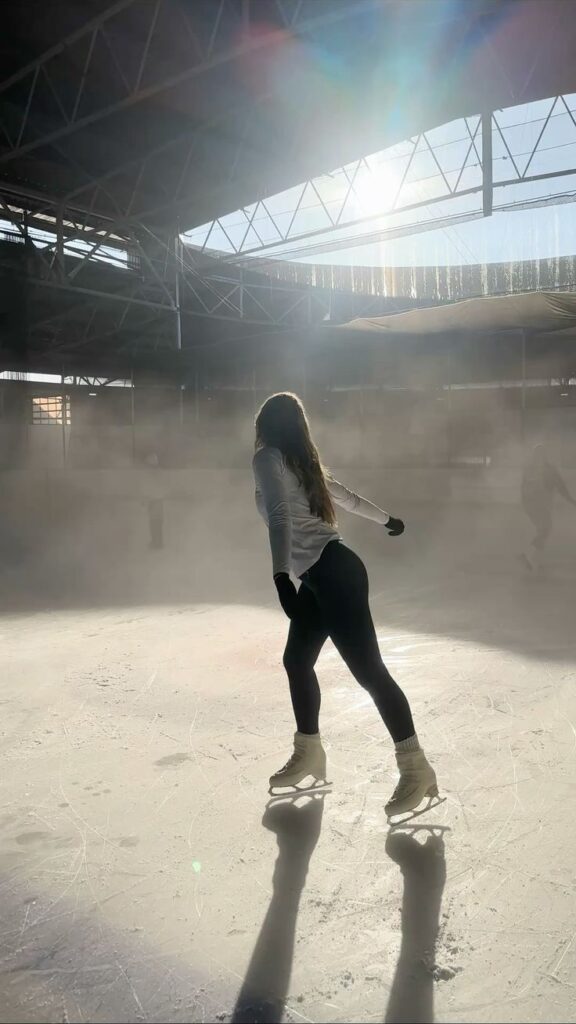
Private lessons offer one-on-one attention with a dedicated coach. The session is entirely focused on your specific needs, goals, and pace. This is the choice for serious skaters, those with specific skill deficiencies, or adults with limited time.
| Pros | Cons |
| Maximum Personalized Feedback and attention. | Highest cost per hour. |
| Flexible Scheduling and ability to focus on specific skills. | Can lack the social element of a group class. |
| Fastest rate of progress and skill development. | Requires the skater to be self-motivated and prepared. |
3. Specialty Lessons: Focusing Your Passion
Once you have mastered the basics (gliding, stopping, and basic forward/backward skating), you can pivot to a specialty.
- Figure Skating Lessons: Focus on spins, jumps, and intricate footwork. This track requires dedication to artistry and athleticism.
- Ice Hockey Lessons: Emphasis on power-skating, quick turns (hockey stops), and puck control (stickhandling, which is usually separate).
- Speed Skating Lessons: Focus on long strides, deep knee bend, and maximizing velocity.
The Beginner’s Curriculum: What You’ll Learn in Your First Weeks


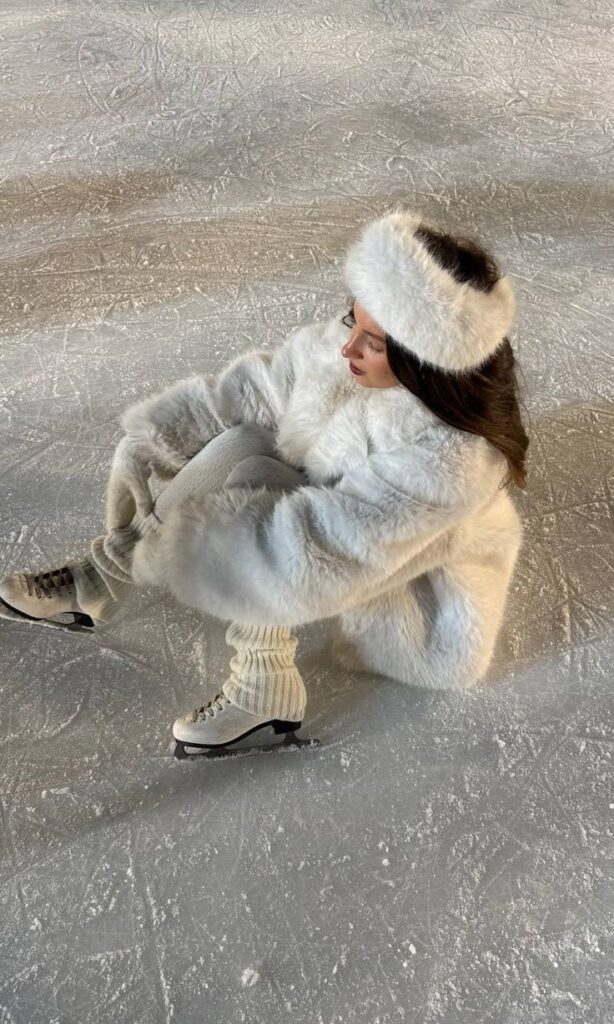
Your first series of ice skating lessons will focus entirely on building confidence, stability, and control. Do not expect to jump or spin immediately; mastery of the fundamentals is paramount.
Phase 1: Finding Your Feet (Week 1-2)
The very first lessons are about getting comfortable with the skates and the sensation of the ice.
- Falling and Getting Up: The most important first skill. Instructors teach you to fall to the side and then use the “crawling” position to push up without using the blades.
- The “March”: Learning to lift the feet and place them down, simulating walking on the ice. This builds balance and muscle memory.
- Two-Foot Glides (The “T-Stop”): Learning to push off lightly and glide briefly on two feet. This is the foundation for all forward movement.
- Proper Posture: Knees bent, shoulders back, head up. A slightly forward lean keeps your balance centered over the blades.
Phase 2: Mastering Forward Movement (Week 3-5)
Once you can glide briefly, the focus shifts to propulsion and maintaining momentum.
- The “Swizzle” or “Wiggle”: Pushing the heels out and back in to create a fish-like movement. This introduces the concept of using the inside edges of the blade.
- The Scooter Push: Gliding on one foot while using the other (scooter foot) to push outward and behind. This is the actual skating stride.
- Snowplow Stop: The first reliable stopping method. Creating a wedge shape with the skates to slow and stop the glide. This move is a non-negotiable safety skill.
Phase 3: Introducing Control and Edges (Week 6+)

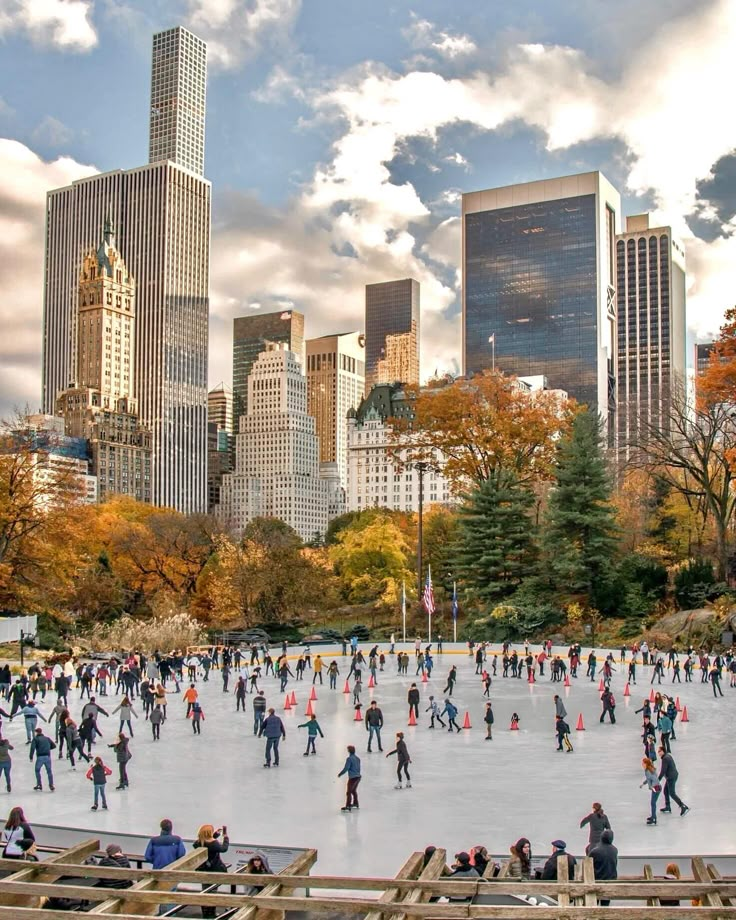
Now you start controlling your direction and speed more precisely.
- Forward Stroking: Linking the scooter push into a continuous, rhythmic glide. This is the foundation of efficient skating.
- One-Foot Glides: Briefly gliding on the left foot, then the right. This is crucial for balance and learning edge work.
- Forward Crossovers (Entry Level): The first introduction to turning and maintaining speed in a circle. You will start by learning the cross-over steps without the speed.
- Backward Skating: Starting with a two-foot push (the “V” push) and slowly introducing backward swizzles. Backward movement is key for situational awareness and hockey/figure skating transitions.
Gear Up for Success: Essential Equipment Guide
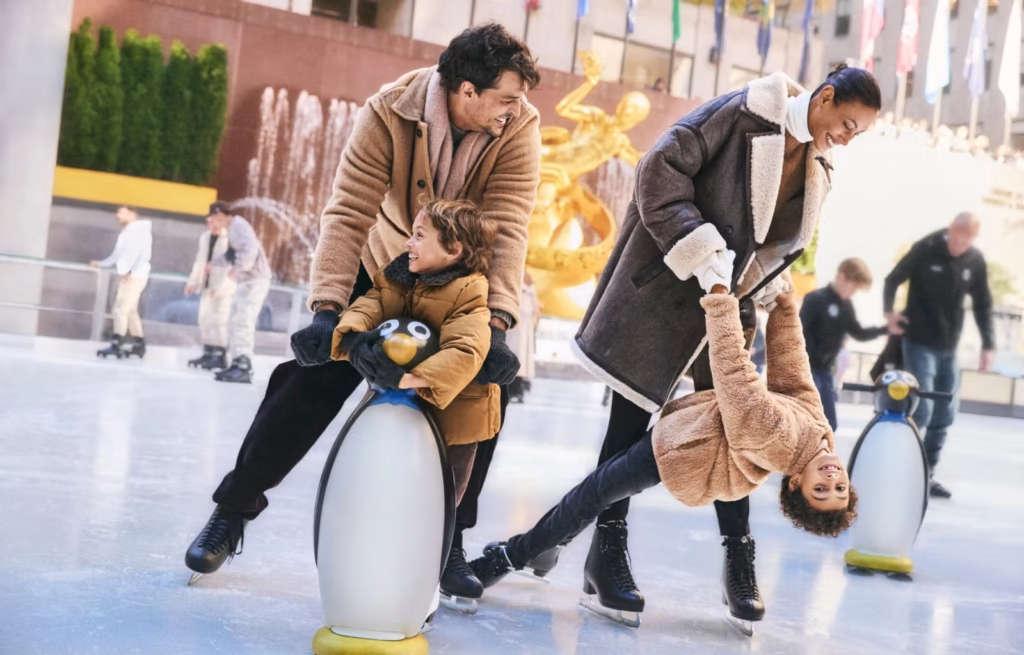
High-quality lessons are only half the equation; the right equipment ensures comfort, safety, and optimal performance. Skates, in particular, are the most crucial investment.
The Critical Role of Skates (Don’t Rent for Long!)
While rentals are fine for the very first few lessons, if you commit to skating, buy your own skates immediately. The difference is profound.
| Rental Skates | Personal Skates |
| Soft, unsupportive boots leading to weak ankles. | Stiff, supportive boots providing ankle stability. |
| Dull blades making stopping and turning difficult. | Sharp, correctly aligned blades for easy gripping. |
| Poor fit leading to blisters and foot pain. | Custom-fit to your unique foot shape. |
Important Considerations for Buying Skates:
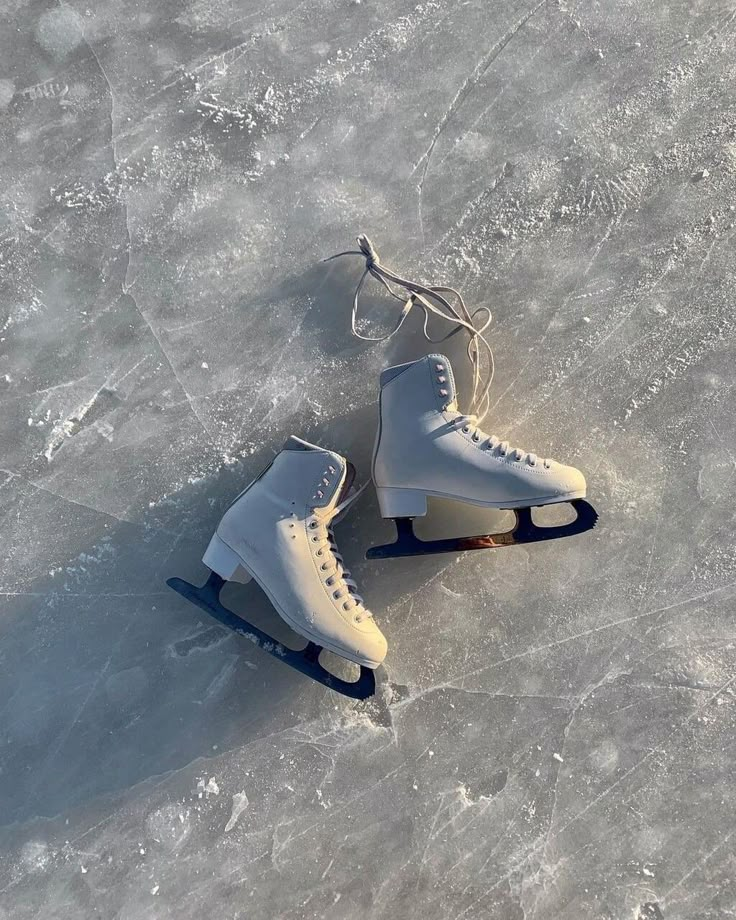
- Fit is Everything: Your toes should lightly brush the end, and your heel should be locked in place. Never buy skates to grow into.
- Support Level: Beginners need a boot that offers firm ankle support. Hockey skates are generally stiffer than recreational ones. Figure skates are the stiffest and heaviest.
- Regular Sharpening: New skates need to be sharpened before their first use, and ideally, every 20-30 hours of ice time after that. A dull blade is a dangerous blade.
Beyond the Skates: Safety and Comfort
- Layered Clothing: Rinks are cold! Wear layers that are easy to remove as you warm up. Avoid bulky clothing that restricts movement.
- Gloves or Mittens: Essential, even for adults. They protect your hands from the cold, and more importantly, from the sharp edges of other skaters’ blades if you fall.
- Helmets: Non-negotiable for young children and highly recommended for all absolute adult beginners. A multi-impact certified helmet (like a hockey or ski helmet) offers the best protection.
Case Study: The Impact of Proper Skates A large-scale coaching study tracked 100 adult beginners. The 50 using quality personal skates achieved the one-foot glide skill three weeks earlier than the 50 relying on rental skates, demonstrating the immediate advantage of proper ankle support and sharper blades.
Optimizing Your Learning: Strategies for Success
Taking lessons is a commitment, but you can maximize the value of every session with smart strategies. Consistency and deliberate practice are the most important ingredients for success.
1. Practice, Practice, Practice (The 3:1 Rule)
Your weekly lesson is instructional time; your personal practice time is where the skill is solidified. Aim for at least three practice sessions for every one lesson.
- Focus on Repetition: Don’t just skate laps. Pick one skill from your last lesson (e.g., the snowplow stop) and practice it 20-30 times in a row until it feels automatic.
- Practice with Purpose: Have a plan. Write down the two or three skills your coach assigned, and dedicate your practice time only to those. Quality over quantity.
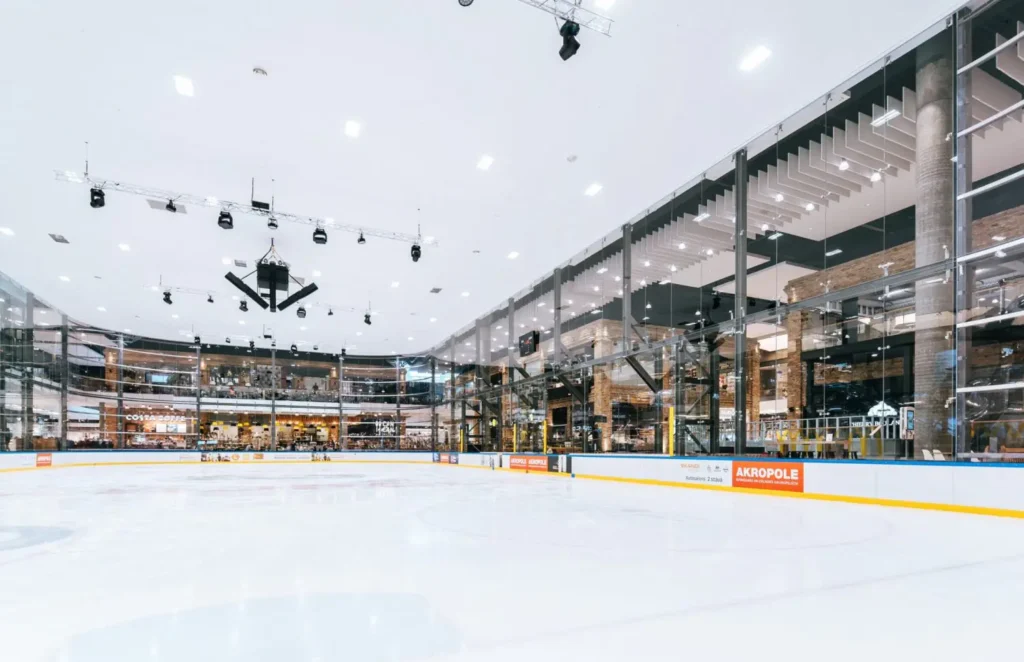
- Use Public Sessions: Most rinks have designated public skate times. This is your chance to apply lesson skills in a real-world, dynamic environment.
2. Master the Off-Ice Workout (Core Strength is Key)
Skating is physically demanding and heavily relies on core stability, balance, and leg strength. You can dramatically improve your on-ice performance without ever stepping on the ice.
- Balance Exercises: Stand on one leg while brushing your teeth. Use a wobble board or Bosu ball for advanced training.
- Core Strength: Planks, bird-dogs, and crunches stabilize your torso, which is vital for maintaining upright posture and executing spins or powerful strides.
- Flexibility: Stretches focusing on the hips and hamstrings will allow for deeper knee bends, leading to a more powerful and efficient stride.
3. Observational Learning and Visualization
Learning isn’t just physical; it’s mental.
- Watch the Experts: Spend time observing advanced skaters during their practice or competition. Notice their posture, the depth of their knee bend, and the flow of their movements.
- Visualize Success: Before you even get on the ice, close your eyes and mentally practice the skill (e.g., executing a perfect snowplow stop). Mental rehearsal has been shown to improve motor skill acquisition.
4. Engage with Your Instructor
Your coach is your guide; use them effectively.
- Ask for Specifics: Instead of asking, “Was that good?” ask, “What was wrong with my right leg on that push?” Specific questions lead to specific, actionable feedback.
- Set Clear Goals: Tell your instructor at the start of the week, “My goal this week is to confidently execute 5 consecutive backward swizzles.” This focuses both your and their efforts.
- Record Yourself (with permission): Watching a short video of yourself attempting a skill can be a powerful learning tool, revealing errors that feel invisible in the moment.
Ice Skating for All Ages: Adjusting the Approach

Ice skating is a lifelong activity. The approach to lessons, however, needs to be age-appropriate.
Ice Skating Lessons for Children (Ages 3-12)
Children typically have better balance and less fear of falling but need a structured, fun, and patient environment.
- Focus on Fun: Lessons should feel like a game. “Red light, Green light” helps practice stopping, and “tag” encourages forward movement.
- Short Attention Spans: Sessions are often shorter (30-45 minutes) and frequently switch activities to keep them engaged.
- Parental Role: Parents should ensure proper gear, on-time arrival, and positive encouragement, but should avoid coaching from the sidelines to prevent confusion.
Ice Skating Lessons for Teens (Ages 13-17)
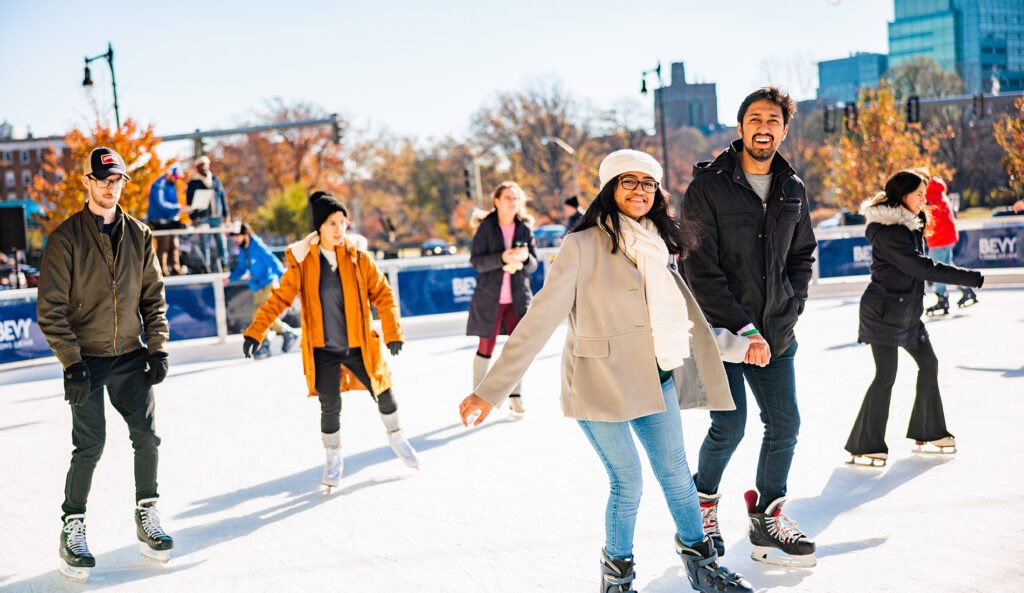
Teens are often self-conscious but highly motivated, especially if their goal is a team sport (hockey) or a competitive discipline (figure skating).
- Skill Focus: Can handle more detailed, technical instruction and longer sessions. They appreciate knowing the why behind the skill.
- Peer Motivation: Often thrive in small group lessons with their peers.
- Safety Reminder: Teens are prone to pushing their limits; emphasizing proper warm-ups and cool-downs is crucial for injury prevention.
Ice Skating Lessons for Adults (Ages 18+)
Adults bring more fear but better concentration and a strong desire for mastery. The fear of falling is the biggest hurdle.
- Patience and Body Awareness: Adult lessons often move slower in the beginning, focusing heavily on body positioning, weight transfer, and understanding edges.
- Focus on Goals: Adults often have clear goals (e.g., skating with family, joining a hockey league). Instructors can tailor the content accordingly.
- Protective Gear: Adults should seriously consider knee and wrist pads initially, as a fall from an adult height can be more jarring.
Statistic: Over the past decade, there has been a 25% increase in the enrollment of adult-only beginner ice skating programs, indicating a growing trend of adults embracing the sport later in life. Rinks now often offer “Wine and Glide” or “Adult Learn to Skate” classes to cater to this demographic.
Overcoming the Hurdles: Common Challenges and Solutions
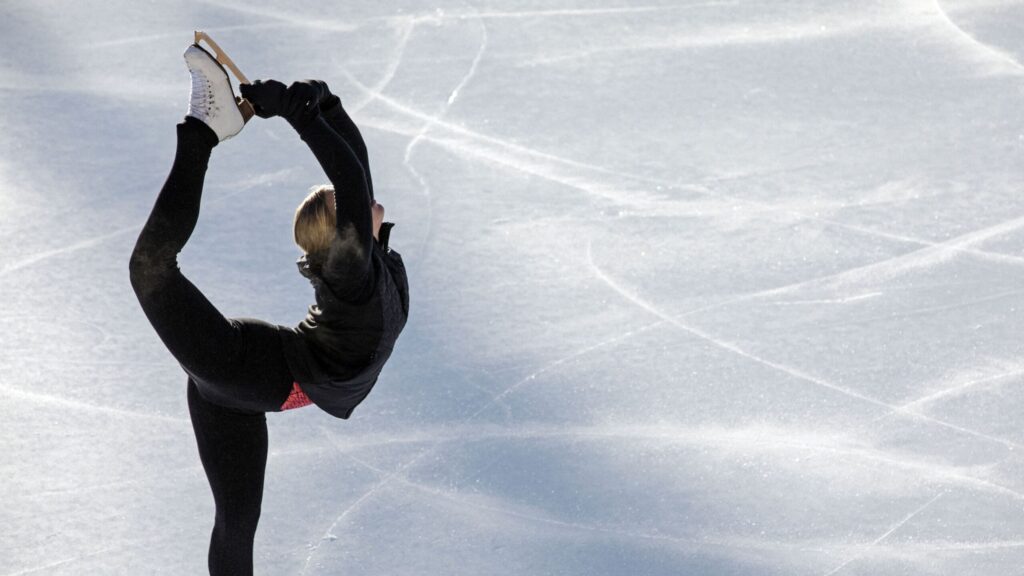
The path to gliding greatness isn’t always smooth. Expect challenges, but know they are normal and solvable with the right approach.
1. The Fear of Falling (The FOF)
- The Solution: Embrace the Fall. Your instructor will teach you how to fall correctly, which is the key to minimizing injury. Practice getting down and getting back up ten times at the start of every practice session. When you know you can get up, the fear subsides. Control your fall by bending your knees.
2. The Ankle Break (Wobbly Ankles)
- The Problem: The ankle appears to be rolling inward or outward. This is almost always an equipment issue, not a weakness issue.
- The Solution: Check Your Skates! The primary fix is investing in skates that provide proper, stiff ankle support. No amount of training can fix a poor-fitting, soft boot. If the problem persists with good skates, dedicated off-ice ankle strengthening exercises are needed.
3. The Forward Lean Freeze (Skating Like a Robot)
- The Problem: The skater is too upright, with locked knees, leading to instability and difficulty in achieving a powerful push.
- The Solution: Bend Your Knees! This is the most common instruction in any lesson. Think of sitting back in a chair, or the phrase “Knees over toes.” The knee bend allows you to use your strong thigh and glute muscles for power. Practice deep knee bends while gliding to engrain the posture.
4. Plateauing (Feeling Stuck)
- The Problem: You’ve mastered the basics but can’t seem to nail the next level skill (e.g., a hockey stop or a crossover).
- The Solution: Return to the Edges. Advanced skills are all about edge control (using the inside and outside of the blade). If you are stuck, return to simple drills like c-cuts and deep lunges on the ice to feel the edges. Consider a private lesson to pinpoint the specific technical flaw holding you back.
The Business of Lessons: Cost, Commitment, and Value

Understanding the financial and time commitment is key to a sustainable learning journey.
The Cost Breakdown (Varies by Region)
| Type of Lesson | Estimated Cost per Hour (E.g. in the US) | Value Proposition |
| Group Class (8-week package) | $15 – $30 (Included ice time, skate rental often extra) | Best for low-risk, social, and long-term commitment. |
| Private Lesson (Coach Fee Only) | $40 – $100 (Plus ice time fee and coach’s travel/expenses) | Best for rapid progress and individualized technical correction. |
| Practice Ice Time (Freestyle/Public) | $8 – $15 per session | Essential for solidifying skills learned in the lesson. |
Important Note: The true cost of private lessons often includes the coach’s fee plus a separate ice fee (called “freestyle” or “stick time”) that the skater must pay to the rink, which can significantly raise the hourly rate. Always clarify all associated costs upfront.
The Return on Investment (ROI)
The value of ice skating lessons extends far beyond the rink.
- Physical Health: Skating is a fantastic low-impact cardiovascular workout that also builds core and leg strength.
- Mental Health: The focus required on the ice is a form of meditation in motion, promoting stress relief and focus.
- Social Connection: Whether through group lessons or joining a recreational league, skating is a highly social and community-driven activity.
Conclusion: Your Journey Starts Now
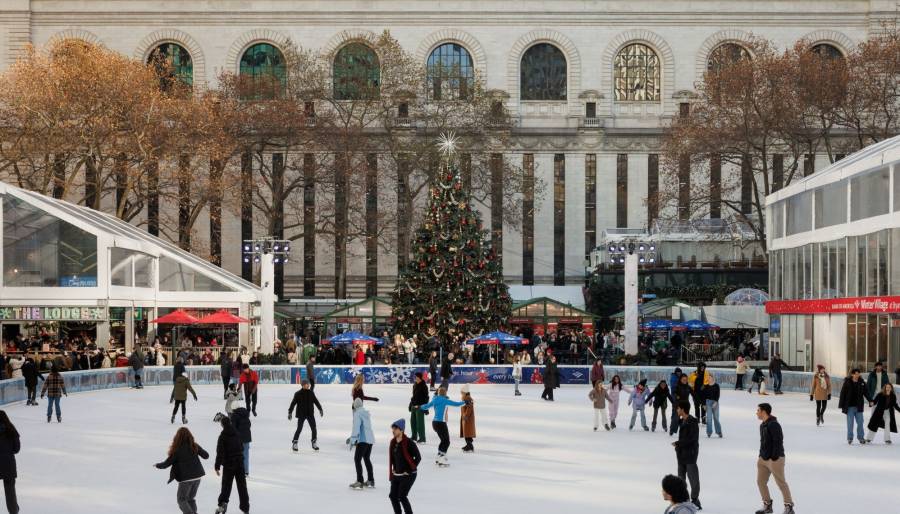
Embarking on ice skating lessons is more than just learning a sport; it’s adopting a new skill that offers joy, fitness, and a sense of accomplishment. By choosing the right program, investing in quality equipment, and committing to consistent, deliberate practice, you will soon transition from tentatively shuffling on the ice to gliding with grace and confidence.
Every Olympic champion, every professional hockey player, and every confident recreational skater started exactly where you are now: with a first lesson. Don’t let the fear of the unknown hold you back. The ice is waiting for you.
Find a “Learn to Skate” program near you today! Most local rinks offer introductory beginner ice skating classes designed for all ages and skill levels. Contact your local ice rink’s Skating Director or check out the official websites for national programs (like Learn to Skate USA or Skate Canada) to enroll in a structured, safe, and effective class.
Stop watching and start gliding—your skating journey begins today!