




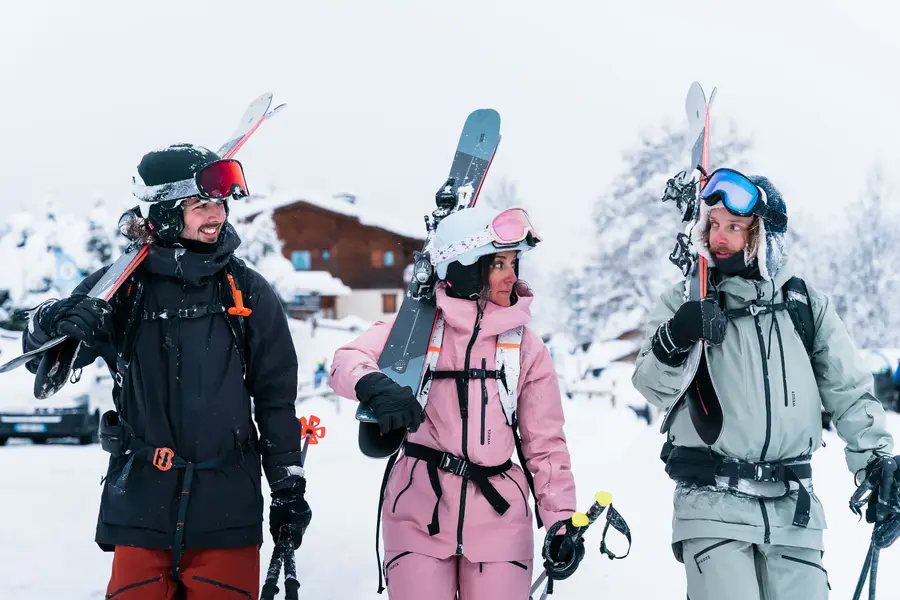
The thrill of carving fresh powder, the burn of a Nordic ski track, or the crisp air on an ice rink—these experiences are made infinitely better when you are perfectly outfitted. Winter sports clothing is more than just a fashion statement on the slopes; it is a critical piece of performance gear. Getting it wrong leads to discomfort, distraction, and even danger. Getting it right means staying warm, dry, and focused, allowing you to push your limits and fully enjoy the winter landscape.
This extensive guide will break down the science of staying comfortable in the cold, detail the essential layering system, analyze the best materials for various activities, and offer actionable advice to elevate your winter sports experience.
The Core Philosophy: Why One Bulky Jacket Isn’t Enough
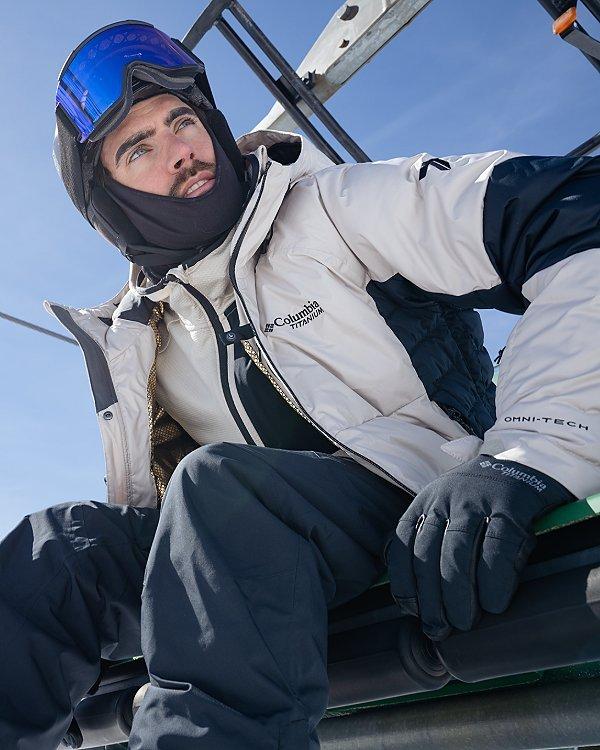

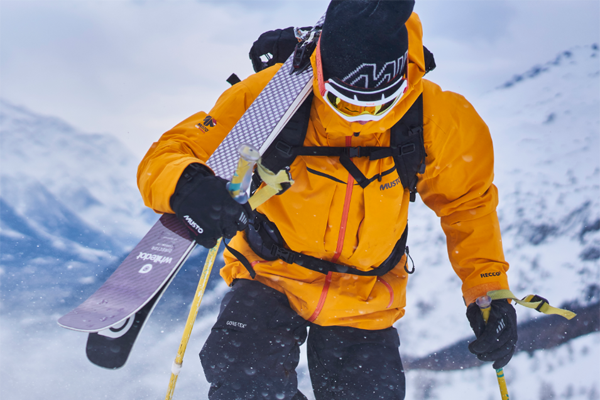
Many newcomers to winter sports mistakenly believe that piling on one massive, heavily insulated jacket is the key to warmth. This approach is fundamentally flawed. Modern winter sports apparel relies on intelligent layering—a system that actively manages your body’s fluctuating temperature and moisture output.
The Science of Staying Comfortable
When you engage in physical activity, your body generates significant heat. In cold weather, this heat, combined with sweat, can quickly saturate your inner layers. If this moisture stays trapped against your skin, it rapidly cools down as you slow your activity, leading to that notorious, uncomfortable chill—a phenomenon known as post-exertion chill.
The solution? A system that allows you to regulate heat and manage moisture dynamically.
Expert Insight: According to outdoor gear specialists, the goal of effective winter layering is to maintain a stable, dry microclimate next to your skin. This requires fabrics that excel at moisture-wicking and breathability.
The Three Pillars of Winter Performance
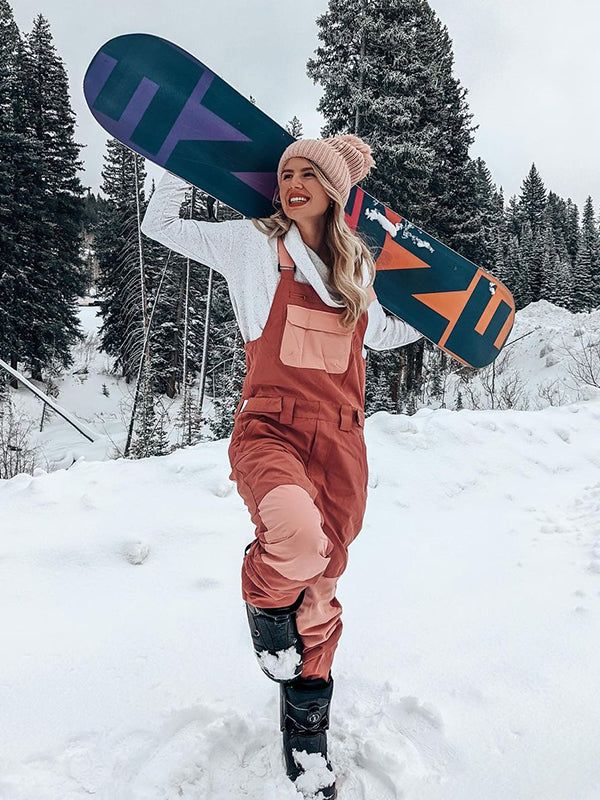
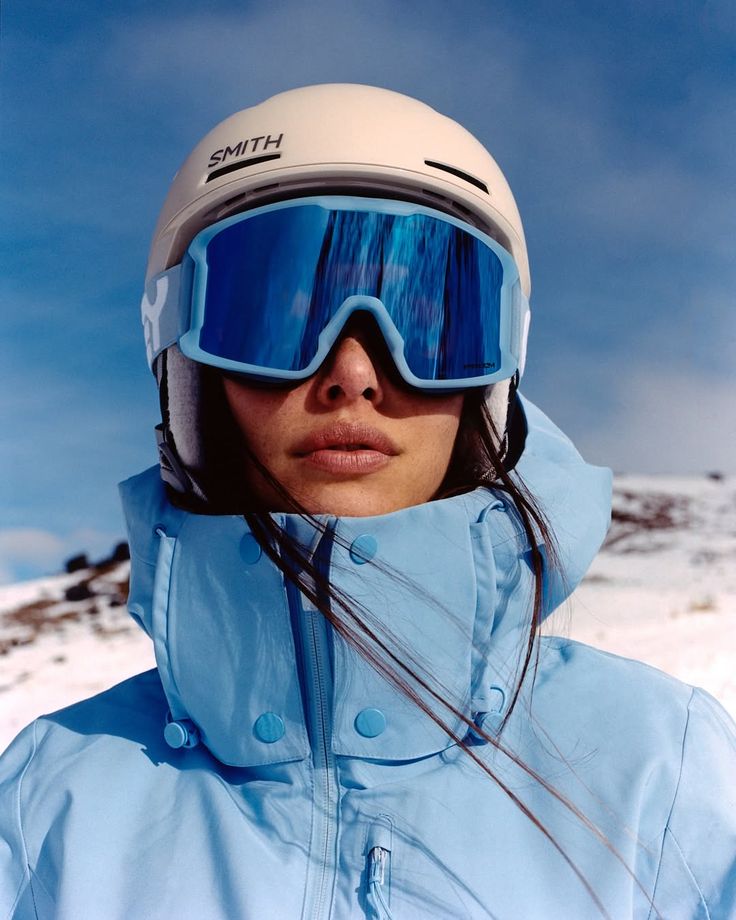
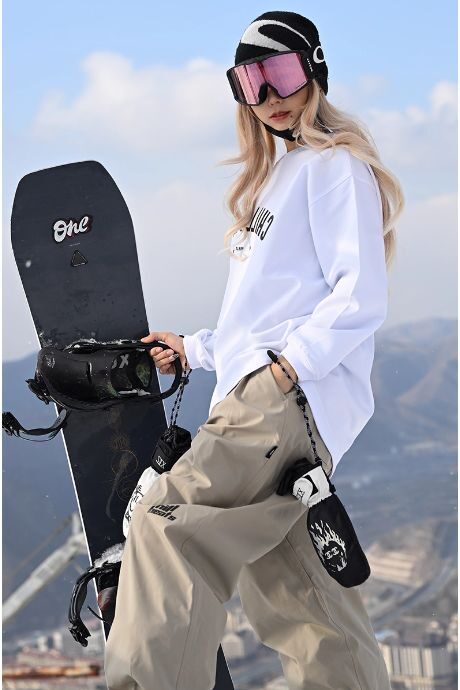
The foundation of all high-quality winter sports clothing lies in the three-part layering system. Each layer has a distinct and non-negotiable job. You must select materials appropriate for the intensity of your activity and the expected climate.
Layer 1: The Base Layer (Wicking & Dryness)
This is the layer closest to your skin. Its function is simple: transport moisture (sweat) away from your body and provide initial, light insulation.
- Primary Function: Moisture Management. Keeping the skin dry is priority number one.
- Fit: Should be relatively snug or close-fitting to efficiently transfer moisture, but must never restrict movement or circulation.
- Material Imperative: AVOID COTTON. Cotton absorbs sweat like a sponge, dries incredibly slowly, and sucks heat away from your body when wet, creating a serious risk of hypothermia.
| Material Choice | Pros | Cons | Best For |
| Merino Wool | Excellent insulation even when damp, naturally odor-resistant, highly breathable, comfortable. | Dries slower than synthetics, generally more expensive, less durable against abrasion. | All-around use, multi-day trips, colder conditions. |
| Synthetics (Polyester/Nylon) | Superb moisture-wicking, dries extremely fast, highly durable, often more affordable. | Tends to retain odors quickly, breathability can sometimes be lower than quality wool. | High-intensity sports (e.g., backcountry touring, winter running) where maximum drying speed is needed. |
Layer 2: The Mid Layer (Insulation & Warmth)
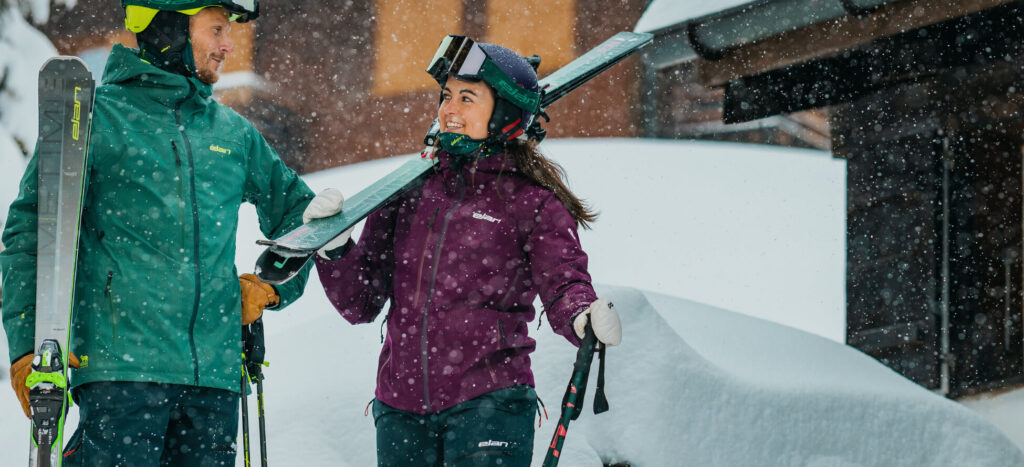
The mid layer traps the heat your body generates. It is the most flexible part of your system, allowing you to easily add or remove insulation to adapt to changing weather or activity levels.
- Primary Function: Insulation by trapping air warmed by your body.
- Fit: Should fit comfortably over your base layer without bunching, and under your outer shell without feeling restrictive.
- Versatility: This layer can range from a single light fleece to multiple pieces, depending on the temperature.
Common Mid Layer Options:
- Fleece (Polartec is a premium example): Fantastic warmth-to-weight ratio, highly breathable, quick-drying. It is the workhorse of the mid-layer world.
- Light Puffy Jackets (Synthetic or Down): Used for colder days or for warmth during breaks (e.g., lift rides, lunch stops). Synthetic insulation (like PrimaLoft) retains warmth better when damp, while down offers superior warmth-to-weight for very cold, dry conditions.
Layer 3: The Outer Layer (Protection & Weatherproofing)
This is your shield against the elements: wind, snow, and rain. For most resort skiing or snowboarding, the outer layer needs to be waterproof and windproof.
- Primary Function: Weather Protection.
- Key Technology: Look for fabrics featuring advanced waterproof/breathable membranes like Gore-Tex, eVent, or high-performance proprietary technologies.
- Waterproofing vs. Breathability: This is a balancing act. High waterproofing (measured in mm of water) keeps external moisture out, while high breathability (measured in $\text{g/m}^2/24\text{h}$) lets internal sweat vapor escape.
- Hard Shells: Maximum waterproofness/windproofness. Rely entirely on the base and mid-layers for insulation. Ideal for wet, stormy conditions.
- Soft Shells: Offer more stretch and breathability, with moderate water/wind resistance. Great for dry, high-output activities where maximum venting is desired.
Case Study Highlight: A 2024 industry report on ski apparel noted that participants engaging in backcountry activities prioritized breathability ratings above 15,000 to prevent overheating on the ascent, even if it meant slightly lower waterproofing than resort-only gear.
Deep Dive: Material Science for Winter Sports Clothing


Understanding the materials dictates your comfort level. We move beyond generalities to explore the specific technologies that make elite winter sports clothing perform.
The Reign of Merino Wool
Merino wool is a natural fiber that has seen a massive resurgence in the technical apparel world. Its structure creates microscopic air pockets that trap heat.
- Odor Control: A major advantage for multi-day trips; it can be worn for several days without developing significant odor.
- Temperature Regulation: It excels at buffering temperature swings, keeping you warm when it dips and helping to cool you when you heat up.
The Synthetic Advantage: Speed and Durability
Polyester and Nylon form the backbone of most modern synthetic base layers and mid layers.
- Polyester: Known for its excellent wicking capability and quick-drying nature. Blends often include Spandex/Elastane for necessary stretch.
- Nylon: Offers superior abrasion resistance, which is vital for areas like the seat of pants or jacket elbows.
Innovation Spotlight: The Insulation Battle
For puffy mid-layers, the choice is often Down vs. Synthetic Fill (e.g., PrimaLoft).
- Down: Offers the best warmth-to-weight ratio, packing down incredibly small. Drawback: It clumps and loses nearly all insulating power when wet.
- Synthetic: Heavier for the same warmth, but crucially, retains insulation even when saturated. This makes it the safer bet for unpredictable, damp alpine environments.
Waterproofing Technology: Beyond the DWR Coat
Outer layers rely on waterproof membranes laminated to the fabric.
| Membrane Technology | Key Feature | Best Application |
| Gore-Tex | The industry standard; excellent balance of waterproofness and breathability. | All-mountain resort skiing, high exposure to elements. |
| eVent | Often cited as having slightly superior breathability compared to traditional Gore-Tex. | High-output activities like ski touring or splitboarding. |
| SympaTex | A recyclable, polyester-based membrane offering high performance. | Environmentally conscious consumers seeking top technical performance. |
Every garment with a waterproof rating needs a DWR (Durable Water Repellent) finish on the exterior fabric. This coating causes water to bead up and roll off. When your jacket “wets out” (the fabric soaks up water), you need to re-apply DWR treatment to restore breathability and comfort.
Outfitting Extremities: Don’t Forget the Details

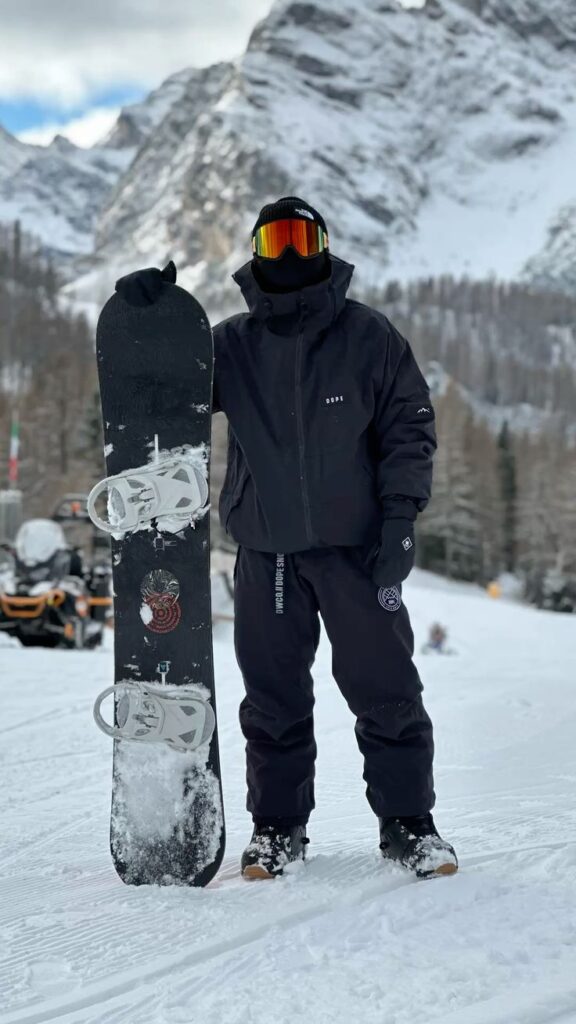
Heat loss through your head, hands, and feet can severely compromise your entire experience. These extremities require specialized attention in your winter sports clothing selection.
Headwear: Helmets, Beanies, and Balaclavas
Safety first: A ski helmet is non-negotiable for most downhill sports. The helmet itself provides light insulation, but proper fit is crucial.
- Helmet Liner/Beanie: Choose a lightweight Merino wool or synthetic beanie that fits under your helmet without creating pressure points or overheating you.
- Neck Gaiter/Balaclava: Incredibly versatile. A good neck warmer or balaclava protects your neck, chin, and face from windburn and snow spray. It is far superior to a loose scarf, which can pose a snagging hazard.
Hand Protection: Gloves vs. Mittens
This is a classic trade-off between dexterity and warmth.
- Mittens: The warmest option. They allow your fingers to share a pocket of warm air, maximizing insulation. Ideal for very cold days or low-output activities.
- Gloves: Offer superior dexterity for adjusting bindings, using zippers, or handling equipment. Modern ski gloves are often insulated and waterproof.
- The Liner Trick: For extremely cold days, wear a thin pair of wool or synthetic glove liners inside your primary glove or mitten. You can quickly remove the outer layer to perform a task without exposing your hands to immediate freezing.
Socks: The Unsung Hero
Your feet can make or break a day. Ski socks must be warm, padded in key areas, and, critically, thin enough not to cramp your boot.
- Material: Wool or high-quality synthetic blends are the only acceptable choices.
- Thickness: Do not wear two pairs of thick socks. This restricts blood flow, leading to colder feet. Use one pair of proper, medium-weight ski socks. If you are cold, upgrade the quality or weight of that single pair, or address the insulation in your boots.
Activity-Specific Considerations: Tuning Your Kit
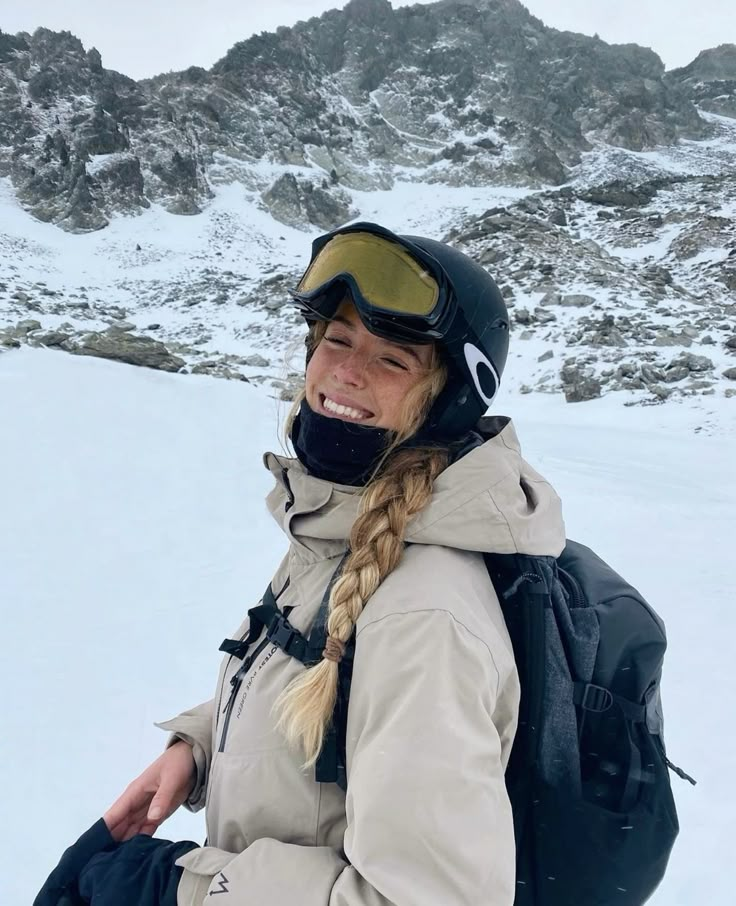
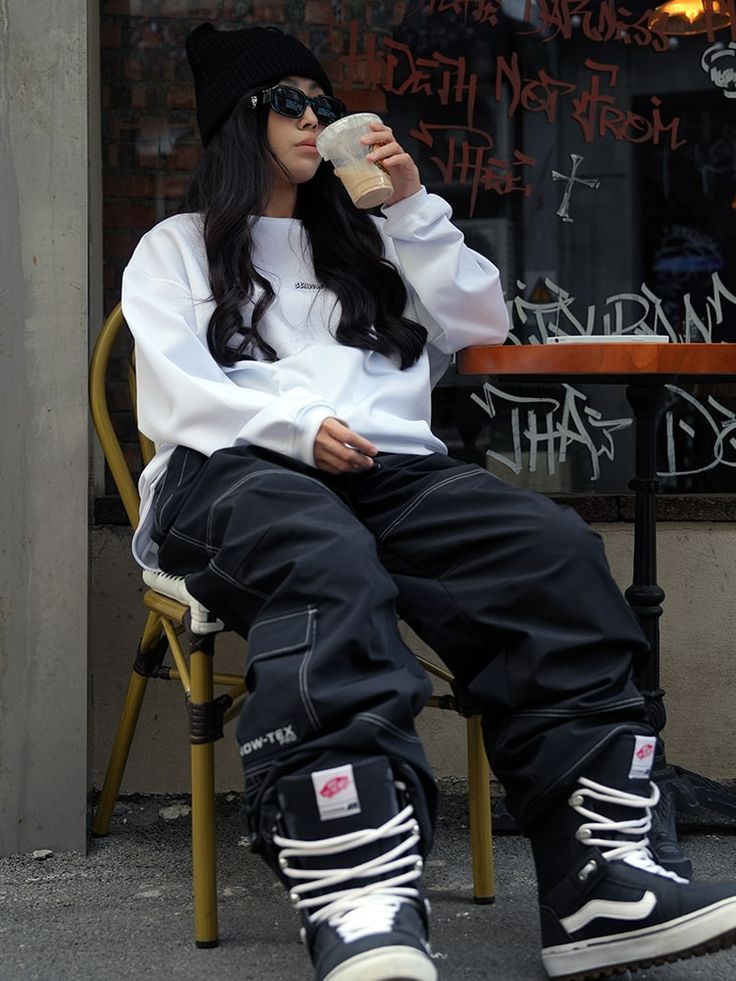

The ideal setup for a mellow day of resort cruising differs significantly from what a backcountry adventurer needs.
1. Resort Skiing & Snowboarding (Moderate Intensity)
This involves periods of high output (carving) followed by periods of low output (lift rides). The layering system must be easily adjustable.
- Base Layer: Midweight Merino wool or synthetic.
- Mid Layer: A midweight fleece jacket or a light synthetic puffy vest.
- Outer Layer: Durable, waterproof and windproof ski jacket and salopettes (or bibs). Bibs are highly recommended as they prevent snow ingress during falls.
- Statistic: Studies show that up to 40% of comfort complaints on resort days are linked to insufficient protection on the lift (wind/cold) or overheating on the descent (poor venting). Look for jackets with pit zips and thigh vents.
2. Backcountry Skiing & Snowboarding (High Intensity/Ascent Focused)
This activity is exercise-intensive uphill travel, often requiring significant venting, followed by periods of intense cold while descending or resting. Weight and packability become paramount.
- Base Layer: Lightweight synthetic or Merino for maximum moisture-wicking speed.
- Mid Layer: A breathable fleece for the ascent; a packable down or synthetic jacket to pull on immediately at the summit or during a break.
- Outer Layer: A true hardshell (Gore-Tex or similar) that is highly breathable (high $\text{g/m}^2$ rating). Some athletes forgo traditional pants for breathable softshell pants or high-quality shell trousers with full-length side zippers.
3. Winter Running, Snowshoeing, and Cross-Country Skiing (Sustained High Intensity)
These activities generate near-constant, high levels of sweat. Insulation should be minimal and focused purely on core warmth.
- Base Layer: Lightweight synthetic is often preferred for its rapid drying.
- Mid Layer: Often skipped entirely on mild days, or replaced with a very light, technical fleece.
- Outer Layer: A lightweight, windproof vest or jacket is usually sufficient. Waterproofness is less critical than breathability here, as heavy rain is less common than heavy sweat.
Essential Accessories and Safety Gear

High-quality winter sports clothing extends far beyond the main layers. Never neglect these crucial, often overlooked items that directly impact safety and enjoyment.
UV Protection: The Alpine Sun Hazard
The danger of sun exposure is compounded in winter. Snow reflects up to 80% of UV radiation, leading to severe sunburn and potential snow blindness.
- Goggles: Must offer 100% UV protection. Look for interchangeable lenses or lenses designed for variable light.
- Sunglasses: Essential for non-helmet activities or breaks; always check for a UV rating.
- Sunscreen & Lip Balm: Apply high-SPF products frequently to exposed skin, especially under the nose and chin where reflected light hits.
Durability and Maintenance: Investing Wisely
Technical winter apparel is an investment. Protect it to ensure longevity.
- Washing: Use technical washes specifically designed for outdoor gear (often avoiding fabric softeners, which can clog pores in breathable membranes).
- Repair: Small tears in outer shells can be easily fixed with seam tape or specialized patches. For waterproofing, re-apply DWR when water stops beading.
Statistic: A 2023 consumer survey indicated that 65% of consumers who purchased high-end technical ski apparel planned to keep it for five years or more, underscoring the value of quality and maintenance.
The Après-Ski Transition
Comfort after the activity is just as important. Have a dedicated, dry set of clothes for the lodge or evening. This prevents carrying damp gear and ensures you don’t get a chill while relaxing. Packable down booties or dry, warm cabin socks are a game-changer for post-sport comfort.
Conclusion: Dress Smart, Play Harder
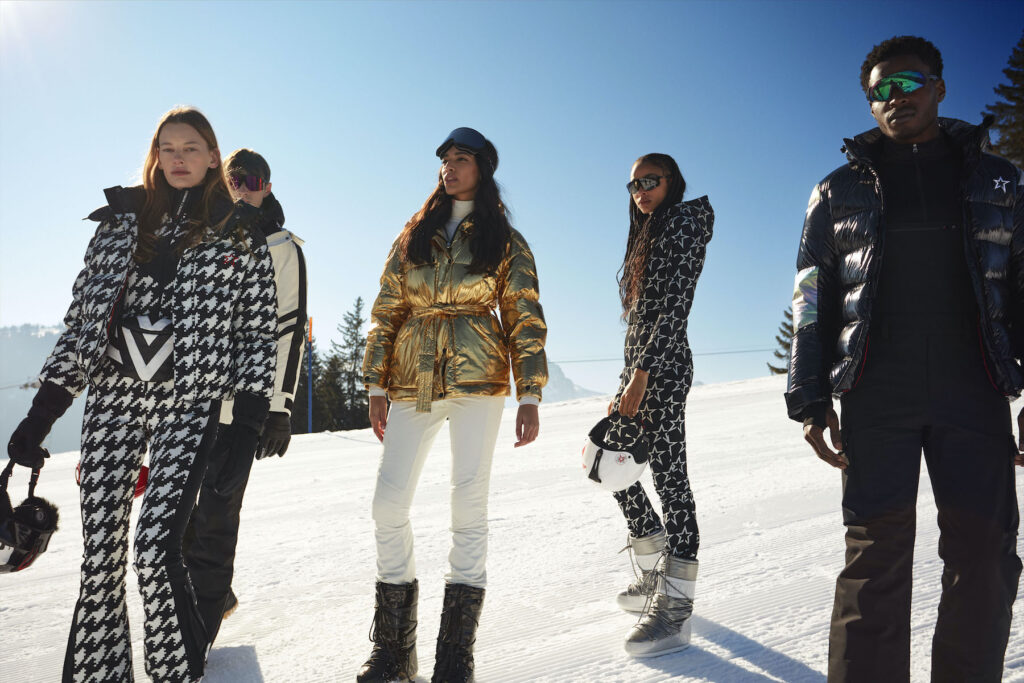
Winter sports clothing is a sophisticated system built on the principles of moisture management, insulation, and weather protection. By mastering the three-layer approach—a wicking base, an insulating mid layer, and a protective outer shell—you take control of your body’s microclimate. Prioritizing technical materials like Merino wool and high-performance synthetics over cotton ensures you remain dry, warm, and ready for any challenge the mountain throws at you. Invest in quality, understand your activity level, and dress with intention.
Your next step is to audit your current gear closet. Are your base layers synthetic or wool? Are your outer layers truly waterproof? Do you have an easily accessible insulation piece for breaks?
Evaluate your current setup against the three-layer standard outlined above. If you are ready to upgrade your comfort and performance on the slopes this season, explore our curated collection of top-rated, high-performance ski and snowboard gear, focusing specifically on advanced Gore-Tex shells and Merino wool base layers for an immediate, noticeable difference!