






Many people embark on a weight loss journey driven by the desire for quick fixes and strenuous gym routines. However, a growing body of evidence and countless personal transformations point towards a more holistic, sustainable, and deeply rewarding path: yoga for weight loss. Far from being just a gentle stretching exercise, yoga offers a comprehensive approach that targets not only the physical aspects of shedding pounds but also the mental and emotional factors that often underpin weight challenges. It’s a practice that empowers individuals to cultivate a healthier relationship with their body, food, and stress, leading to long-term results that extend far beyond the number on the scale.
Understanding Yoga’s Role in Weight Management


The perception of yoga as a low-intensity activity often leads people to overlook its profound impact on weight loss. While it may not always deliver the immediate calorie burn of a high-intensity interval training (HIIT) session, yoga works on multiple fronts to create an environment conducive to sustainable weight management. It’s not just about what you do on the mat; it’s about how the practice transforms your entire lifestyle.
At its core, yoga integrates physical postures (asanas), breathing techniques (pranayama), and meditation. This integration is crucial because weight gain and difficulty losing weight are often multifaceted issues, not merely a matter of “calories in, calories out.” Stress, poor sleep, emotional eating, metabolic imbalances, and a lack of body awareness all play significant roles. Yoga addresses these underlying factors, providing tools to navigate them effectively.
The Physiological Mechanisms: How Yoga Burns Calories and Builds Muscle


While some yoga styles are more vigorous than others, all forms contribute to physical fitness and calorie expenditure. Dynamic styles like Vinyasa, Power Yoga, and Ashtanga link breath with movement, creating a continuous flow that elevates the heart rate and builds heat within the body. A typical Vinyasa class, for instance, can burn between 300 to 500 calories per hour, depending on its intensity and the individual’s effort.
Calorie Expenditure and Metabolism:
Even slower styles like Hatha and Restorative yoga contribute to weight loss by stimulating metabolism. Holding poses requires isometric strength, which engages muscles deeply. Regular practice increases muscle mass, and muscle tissue burns more calories at rest than fat tissue. This means a consistent yoga practice can gradually boost your basal metabolic rate (BMR), making your body more efficient at burning calories even when you’re not actively exercising.
Building Lean Muscle Mass:
Yoga is exceptional for building functional strength and lean muscle without necessarily bulking up. Poses like Chaturanga Dandasana (Four-Limbed Staff Pose), Warrior I, II, and III, Plank Pose, and various arm balances engage multiple muscle groups simultaneously. They challenge stability, endurance, and strength, particularly in the core, arms, shoulders, and legs. This isn’t just about aesthetics; stronger muscles support joints, improve posture, and enhance overall physical capability, making it easier to engage in other physical activities.
Improved Flexibility and Mobility:
While not directly a calorie-burning mechanism, increased flexibility and mobility are vital for weight loss. When your body is more limber and less prone to injury, you’re more likely to stay consistent with your physical activity. Yoga helps to release tension in tight muscles, increase range of motion, and reduce stiffness, paving the way for more comfortable and effective workouts.
The Psychological Dimension: Mindful Eating and Stress Reduction

Perhaps the most underestimated benefit of yoga for weight loss lies in its profound impact on mental well-being and eating habits. The practice cultivates mindfulness, a state of being present and aware, which is directly antithetical to emotional or mindless eating.
Cultivating Mindfulness:
Yoga encourages you to tune into your body’s internal signals – hunger, fullness, and satisfaction. Many people eat out of habit, boredom, stress, or emotional distress, rather than true physical hunger. By practicing mindfulness on the mat, you learn to observe your thoughts and feelings without judgment, a skill that translates directly to the dining table. This leads to more conscious food choices, savoring meals, and recognizing when you’ve had enough, effectively preventing overeating.
A study published in the Journal of the American Dietetic Association found that people who practiced yoga regularly reported more mindful eating behaviors and had a lower body mass index (BMI) compared to those who didn’t. This suggests a direct link between the contemplative aspects of yoga and healthier weight outcomes.
Reducing Stress and Cortisol Levels:
Stress is a major contributor to weight gain, particularly around the abdominal area. When stressed, our bodies release cortisol, the “stress hormone.” Chronic elevation of cortisol can lead to increased appetite, cravings for sugary and fatty foods, and a tendency for the body to store fat, especially visceral fat.
Yoga, with its emphasis on deep breathing (pranayama) and meditation, is a powerful stress-reducer. Regular practice activates the parasympathetic nervous system, also known as the “rest and digest” system, counteracting the effects of the “fight or flight” response. Lower stress levels mean lower cortisol, which in turn helps to regulate appetite and reduce fat storage. This makes yoga an invaluable tool for breaking the cycle of stress-induced weight gain.
Improved Sleep Quality:
Stress and poor sleep are often intertwined, both contributing to weight gain. Lack of sleep disrupts hormones that regulate appetite, leading to increased hunger and cravings. Yoga helps improve sleep quality by calming the nervous system, reducing anxiety, and promoting relaxation. A well-rested body is better equipped to make healthy choices, manage stress, and recover effectively from physical activity.
Building Your Yoga for Weight Loss Routine: Key Poses and Sequences


To maximize yoga’s weight loss benefits, a consistent and varied practice is essential. While private instruction is ideal, many online resources and studio classes cater to all levels.
Beginner-Friendly Poses for Strength and Flexibility:
Start with foundational poses to build strength, flexibility, and proper alignment. Focus on holding poses with correct form rather than pushing too hard.
- Mountain Pose (Tadasana): The blueprint for all standing poses, establishing grounding and alignment.
- Downward-Facing Dog (Adho Mukha Svanasana): Lengthens the spine, strengthens arms and legs, and calms the mind.
- Plank Pose (Phalakasana): Builds core strength, upper body endurance, and stability. Hold for 30-60 seconds.
- Warrior I & II (Virabhadrasana I & II): Powerful standing poses that strengthen legs, core, and open hips.
- Triangle Pose (Trikonasana): Stretches hips, groin, hamstrings, and calves; strengthens legs and core.
- Chair Pose (Utkatasana): Engages glutes, thighs, and core, building heat and strength.
- Cobra Pose (Bhujangasana): Strengthens the spine, chest, and abdomen, improving posture.
- Boat Pose (Paripurna Navasana): Excellent for core strength and abdominal muscles.
- Bridge Pose (Setu Bandhasana): Strengthens glutes, hamstrings, and back, while opening the chest.
- Corpse Pose (Savasana): Essential for relaxation, integrating the benefits of your practice.
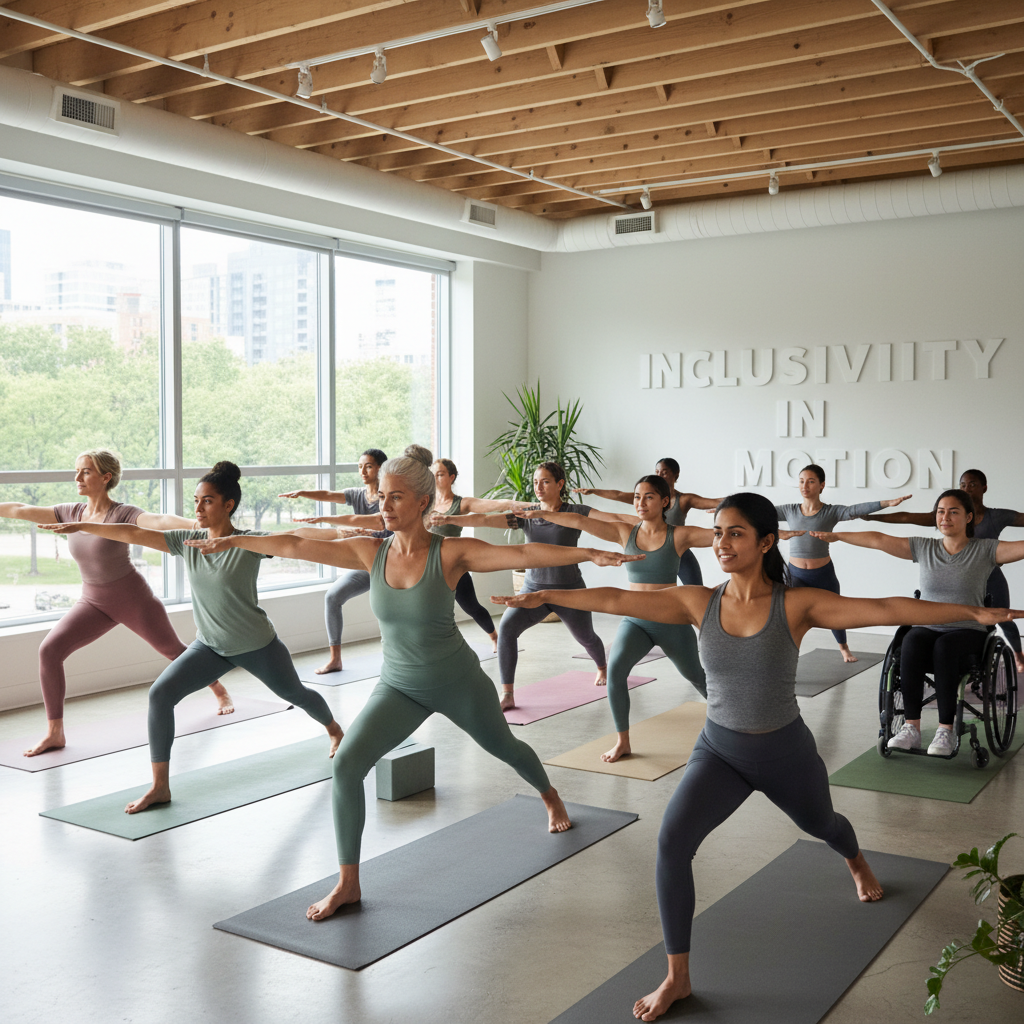
Dynamic Styles for Increased Calorie Burn:
Once you’re comfortable with the basics, incorporate more dynamic styles.
- Vinyasa Flow: Characterized by smooth transitions between poses, synchronized with breath. Often includes sun salutations (Surya Namaskar) which are a fantastic way to warm up and build stamina.
- Power Yoga: A more athletic, faster-paced form of Vinyasa, emphasizing strength and endurance. Expect more challenging arm balances and inversions.
- Ashtanga Yoga: A set sequence of poses performed in the same order, building heat and discipline. It’s physically demanding and requires dedication.
Sample 30-Minute Yoga for Weight Loss Sequence:
- Warm-up (5 minutes): Cat-Cow stretches, gentle spinal twists, Wrist and ankle rotations.
- Sun Salutation A (3-5 rounds): Flow through Mountain, Forward Fold, Halfway Lift, Plank, Chaturanga, Upward Dog, Downward Dog.
- Standing Sequence (10 minutes):
- Warrior I (both sides)
- Warrior II (both sides)
- Triangle Pose (both sides)
- Chair Pose (hold for 5 breaths, repeat 2-3 times)
- Core Work (5 minutes):
- Plank variations (forearm plank, side plank)
- Boat Pose (hold for 5 breaths, repeat 2-3 times)
- Cool-down & Stretch (5 minutes):
- Seated Forward Fold
- Spinal Twist
- Bridge Pose
- Savasana (2-3 minutes)
Consistency is paramount. Aim for 3-5 sessions per week, even if some are shorter. On days you can’t commit to a full practice, a 10-15 minute flow or a meditative session can still offer benefits.
Complementing Your Practice: Diet, Lifestyle, and Consistency

Yoga is a powerful catalyst for weight loss, but it’s most effective when integrated into a holistic healthy lifestyle.
Nourish Your Body Mindfully:
The mindful eating habits cultivated through yoga make it easier to make healthier food choices. Focus on a diet rich in whole, unprocessed foods:
- Lean Proteins: Essential for muscle repair and satiety (e.g., chicken, fish, legumes, tofu).
- Complex Carbohydrates: Provide sustained energy (e.g., whole grains, sweet potatoes, fruits).
- Healthy Fats: Crucial for hormone function and nutrient absorption (e.g., avocados, nuts, seeds, olive oil).
- Plenty of Vegetables: High in fiber, vitamins, and minerals, low in calories.
Hydration is also key. Drink plenty of water throughout the day, as sometimes thirst can be mistaken for hunger.
Prioritize Sleep:
As mentioned, quality sleep is non-negotiable for weight management. Aim for 7-9 hours per night. Yoga, particularly restorative poses and meditation before bed, can significantly improve sleep architecture.
Manage Stress Beyond the Mat:
While yoga is a potent stress reliever, complement it with other stress-reduction techniques like spending time in nature, journaling, or engaging in hobbies. A balanced life outside of your yoga practice reinforces the positive changes you’re making.
The Power of Consistency:
Sustainable weight loss is a marathon, not a sprint. The benefits of yoga accumulate over time. Don’t get discouraged by slow progress. Celebrate small victories and acknowledge that you are building a healthier, more resilient body and mind. It’s about developing new habits and shifting your entire relationship with well-being.
Real-World Transformations: Success Stories and Expert Insights


Numerous individuals have shared their profound transformations through consistent yoga practice. Take Sarah, a 42-year-old marketing executive who struggled with stress-eating and a sedentary lifestyle. “I started yoga initially just to de-stress,” she recounts. “I never thought of it for weight loss. But after a few months, I noticed I was making better food choices almost automatically. I was less anxious, sleeping better, and suddenly, my clothes fit differently. It wasn’t about deprivation; it was about truly listening to my body.” Sarah lost 30 pounds over a year, but emphasizes the biggest change was her mental clarity and emotional resilience.
Yoga instructors often observe these shifts firsthand. “It’s common for students to come in seeking physical change, but they leave with so much more,” says Maya Sharma, a seasoned yoga teacher. “The physical poses are just the entry point. The real work happens when they connect with their breath and observe their thoughts. This awareness is what empowers them to make sustainable changes in all areas of their life, including their diet and activity levels. Weight loss becomes a natural byproduct of a healthier, more mindful existence.”
Research supports these anecdotal accounts. A systematic review published in Obesity Reviews highlighted yoga’s potential to reduce weight and BMI, particularly in overweight and obese individuals, attributing the success to improvements in body awareness, stress management, and mindful eating.
Overcoming Challenges and Staying Motivated

Starting any new health regimen can present challenges. Yoga is no exception.
Time Constraints: Life is busy. Instead of aiming for perfect hour-long sessions, commit to shorter, focused practices. A 20-minute morning flow is better than no flow at all. Explore online platforms for quick, effective routines you can do at home.
Lack of Flexibility/Strength: Don’t let perceived limitations deter you. Yoga is for every body. Use props like blocks, straps, and blankets to modify poses. Flexibility and strength are built gradually over time; the journey is the practice itself. Comparing yourself to others in a class or online is counterproductive. Focus on your own progress.
Plateaus: Weight loss often isn’t linear. If you hit a plateau, reassess your routine. Are you challenging yourself enough? Is your diet consistent? Are you managing stress effectively? Sometimes, switching up your yoga style or incorporating other activities can reignite progress.
Staying Motivated: Find a style of yoga you genuinely enjoy. Practice with a friend or join a supportive community. Set realistic goals beyond just the scale – perhaps improving a specific pose, feeling stronger, or sleeping better. Celebrate non-scale victories. Remember your “why” – why did you start this journey? Reconnect with that purpose when motivation wanes.
Conclusion

Yoga for weight loss isn’t a fad diet or a quick-fix exercise routine; it’s a transformative lifestyle practice. By integrating physical postures, breathwork, and mindfulness, yoga offers a holistic pathway to sustainable weight management. It empowers you to build strength, enhance flexibility, boost metabolism, reduce stress, improve sleep, and cultivate a deeply mindful relationship with food and your body. The journey may require patience and consistency, but the rewards extend far beyond a lighter body, encompassing a clearer mind, a calmer spirit, and a profound sense of well-being.
Embrace the mat not just as a place to exercise, but as a space for self-discovery and transformation. Start your yoga journey today, honor your body, and allow the ancient wisdom of this practice to guide you towards a healthier, happier, and more balanced life. The power to transform your health, one breath at a time, is within you.
Frequently Asked Questions


Is yoga effective for losing weight?
Yes, yoga is effective for weight loss, especially when practiced consistently and combined with a healthy diet. It contributes to weight loss by increasing muscle mass, boosting metabolism, improving body awareness, reducing stress, and promoting mindful eating, all of which are crucial for sustainable results.
What type of yoga is best for weight loss?
Dynamic styles like Vinyasa, Power Yoga, and Ashtanga are often recommended for higher calorie burn due to their continuous movement and challenging poses. However, even gentler styles like Hatha or restorative yoga contribute by building muscle, reducing stress (and thus cortisol), and fostering mindful habits. A balanced practice incorporating both dynamic and restorative elements can be most effective.
How often should I practice yoga for weight loss?
For optimal results, aim for 3-5 yoga sessions per week. These can range from 20-minute flows to 60-90 minute classes. Consistency is more important than intensity, so even shorter, regular practices are beneficial. Complementing this with other physical activities and a healthy diet will amplify the results.
Can yoga help reduce belly fat?
Yoga can certainly help reduce belly fat. Excess belly fat is often linked to high stress levels and elevated cortisol. By reducing stress, improving sleep, and building core strength through poses like Plank, Boat Pose, and various twists, yoga directly addresses factors contributing to abdominal fat storage. The mindful eating aspect also helps prevent the consumption of foods that typically contribute to belly fat.
Do I need to be flexible to start yoga for weight loss?
Absolutely not. You do not need to be flexible to start yoga. Flexibility is a benefit you gain from practicing yoga, not a prerequisite. There are modifications and props available for every pose, making yoga accessible to all body types and levels of flexibility. The key is to start where you are and progress at your own pace.
How long does it take to see weight loss results from yoga?
The timeline for seeing weight loss results from yoga varies greatly depending on individual factors like starting weight, diet, consistency of practice, and overall lifestyle. Some people may notice changes within a few weeks due to reduced bloating and improved body awareness, while significant weight loss can take several months or even a year. The key is to focus on the long-term, sustainable health benefits rather than immediate numbers on the scale.