





Ever found yourself staring at a treadmill with a sense of dread, wondering if there’s any way to actually enjoy a cardio workout? You’re not alone. For many, the idea of “cardio” conjures images of grueling, monotonous sessions that feel more like a punishment than a path to better health. But what if we told you that getting your heart pumping doesn’t have to be a chore? What if it could actually be… fun?
It’s time to ditch the preconceived notions and embrace a world where exercise is enjoyable, invigorating, and something you genuinely look forward to. This isn’t just about breaking a sweat; it’s about finding movement that lights you up, boosts your mood, and leaves you feeling fantastic. We’re diving deep into the exciting, diverse world of cardio workouts, uncovering options that will not only improve your physical health but also add a serious dose of joy to your routine. Get ready to discover how to move your body in ways that feel good, are effective, and keep you coming back for more!
Why Cardio Matters (Beyond Just Weight Loss)

Before we jump into the fun stuff, let’s quickly touch on why a cardio workout is so crucial. Often, people associate cardio primarily with weight loss, and while it certainly plays a role there, its benefits stretch far beyond shedding pounds. Cardio, short for cardiovascular exercise, is any activity that elevates your heart rate and keeps it up for a sustained period, strengthening your most vital muscle: your heart.
Think of your heart as a powerful pump. Regular cardio makes that pump more efficient, meaning it can move more blood with each beat. This improved efficiency translates into a cascade of incredible health benefits:
- Heart Health: Reduces the risk of heart disease, stroke, and high blood pressure. It keeps your arteries clear and flexible.
- Boosts Mood and Mental Well-being: Releases endorphins, those feel-good chemicals that can alleviate stress, anxiety, and even symptoms of depression. Ever heard of a “runner’s high”? It’s real!
- Increases Energy Levels: Paradoxically, expending energy through cardio can actually increase your overall energy and stamina throughout the day. You’ll feel less fatigued.
- Improves Sleep Quality: Regular physical activity can help you fall asleep faster and enjoy deeper, more restorative sleep.
- Strengthens Immune System: Moderate cardio can boost your body’s defense mechanisms, making you less susceptible to common illnesses.
- Manages Blood Sugar: Helps improve insulin sensitivity, which is vital for preventing and managing type 2 diabetes.
- Bone Density: Weight-bearing cardio exercises, like running or dancing, can help maintain or even improve bone density, reducing the risk of osteoporosis.
So, while feeling good in your clothes is a great motivator, remember you’re also investing in a healthier, happier, and more energetic future. It’s truly a full-body, mind-boosting powerhouse.
The “Fun Factor”: Why Enjoyment is Key
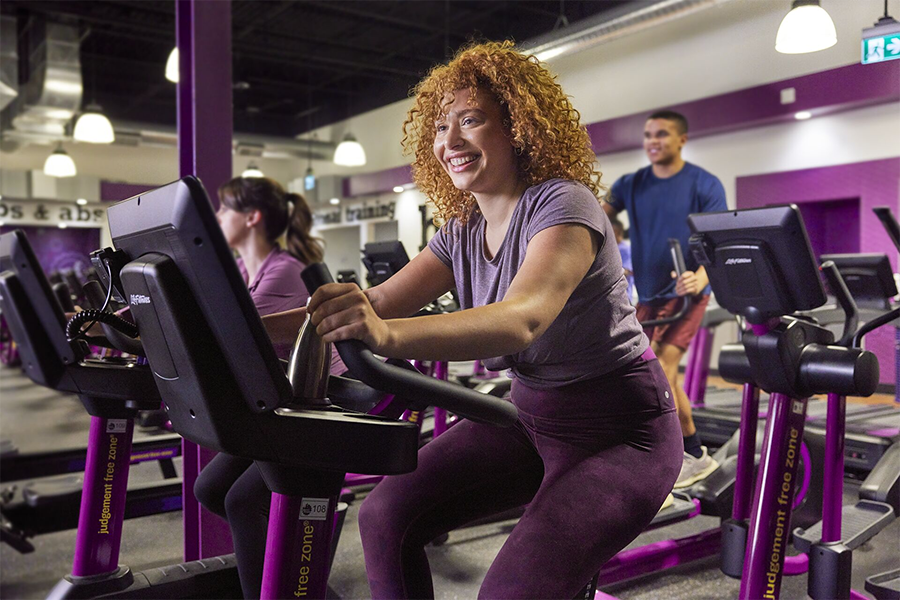
Let’s be honest: if you dread something, you’re probably not going to stick with it. This is particularly true for exercise. The fitness world is littered with abandoned gym memberships and dusty home equipment, all because the initial enthusiasm wore off when the “fun factor” wasn’t there.
This isn’t just about motivation; it’s about consistency. Consistency is the secret sauce to seeing results from any fitness routine. If you genuinely enjoy your cardio workout, you’re far more likely to:
- Show Up: You’ll wake up eager, not resentful, about your scheduled activity.
- Work Harder: When you’re having fun, you naturally push yourself a little more without even realizing it.
- Stay Consistent Long-Term: Exercise becomes a sustainable part of your lifestyle, not a temporary fix.
- Reduce Mental Burnout: If exercise feels like a chore, it can add to your stress load. When it’s fun, it becomes a stress reliever.
Our goal here is to help you reframe your perception of cardio. It’s not just about burning calories; it’s about moving your body in ways that bring you joy, challenge you positively, and make you feel alive. Forget what you think cardio should be, and open yourself up to what it could be.
Beyond the Treadmill: Diverse Cardio Options
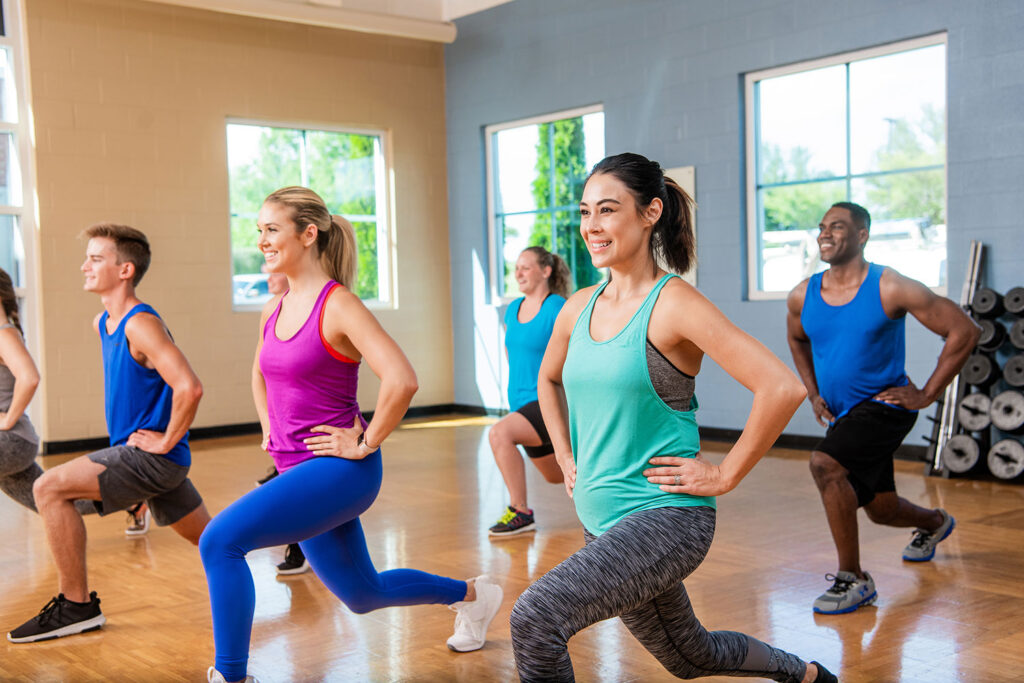
The treadmill, elliptical, and stationary bike are fantastic tools, but they represent only a tiny fraction of the cardio universe. There’s a vast galaxy of activities out there, each offering a unique way to get your heart rate up. The trick is finding the one (or several!) that resonate with you.
To help you explore, we can categorize cardio in a few ways:
- Low-Impact vs. High-Impact: Low-impact activities are gentler on your joints, while high-impact ones involve movements where both feet leave the ground simultaneously.
- Individual vs. Group: Do you prefer solo pursuits or the energy of a class or team sport?
- Indoor vs. Outdoor: Do you thrive in a controlled gym environment or crave fresh air and natural scenery?
- Structured vs. Freeform: Do you like following a set routine or moving intuitively?
Let’s dive into some specific, often overlooked, and incredibly fun cardio workout options!
Low-Impact Heroes: Gentle Yet Effective

Don’t let the term “low-impact” fool you; these activities can still deliver a powerful cardio punch without putting undue stress on your joints. They’re excellent for beginners, individuals recovering from injuries, or anyone looking for a sustainable, everyday option.
Walking (But Make It Brisk!)
Forget a leisurely stroll. We’re talking about power walking, brisk walking, or even rucking (walking with a weighted backpack).
- Brisk Walking: Pick up the pace until you can talk but can’t sing. Aim for 30-60 minutes.
- Hiking: Take your walk to the trails! Uneven terrain engages more muscles, and varying inclines provide a fantastic challenge. The scenery is a bonus mood booster.
- Race Walking: A more technical, Olympic-level sport, but the principles of fast, deliberate strides can be incorporated into your routine.
Why it’s great: Accessible, free, can be done almost anywhere, and highly customizable. Pop in some headphones, listen to a podcast, or chat with a friend.
Swimming
Diving into the pool offers a full-body cardio workout that’s incredibly gentle on your joints. The resistance of the water challenges your muscles while your heart works hard to pump blood.
- Laps: Freestyle, breaststroke, backstroke – mix it up to work different muscle groups.
- Water Aerobics: A fantastic option for all fitness levels, often set to music and led by an instructor.
- Aqua Jogging: Running in the deep end with a flotation belt mimics the benefits of running without the impact.
Why it’s great: Low-impact, cooling in warm weather, builds endurance and strength, and can be incredibly meditative.

Cycling
Whether you prefer the open road or the controlled environment of a studio, cycling is a phenomenal cardio workout.
- Road Cycling: Explore your local area, discover new routes, and feel the wind in your hair. Great for longer endurance rides.
- Mountain Biking: For the adventurous, tackling trails offers an exciting challenge for both cardio and balance.
- Spinning/Indoor Cycling Classes: High-energy classes led by an instructor, often with motivating music and varying resistance levels. The group atmosphere can be incredibly motivating.
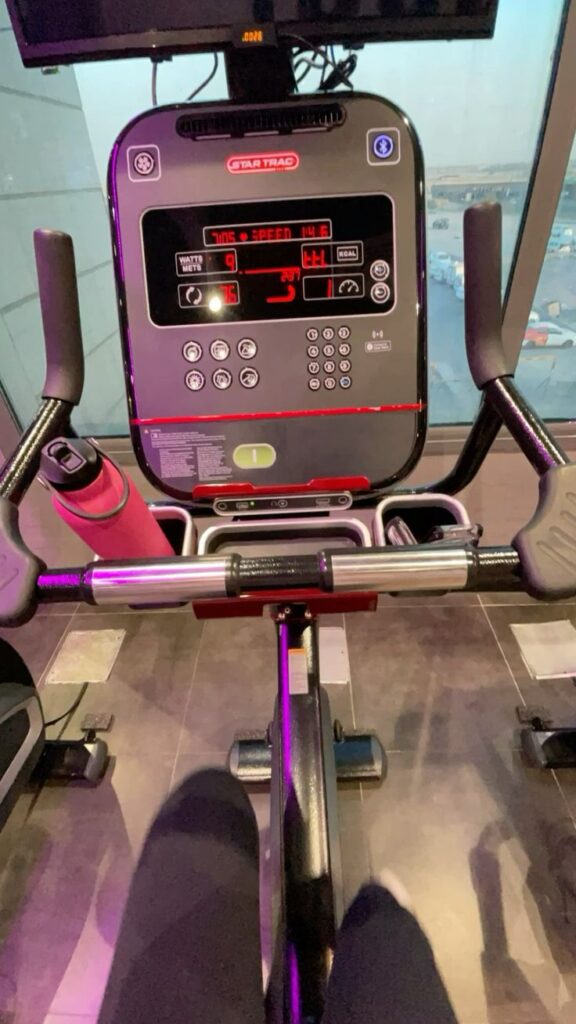
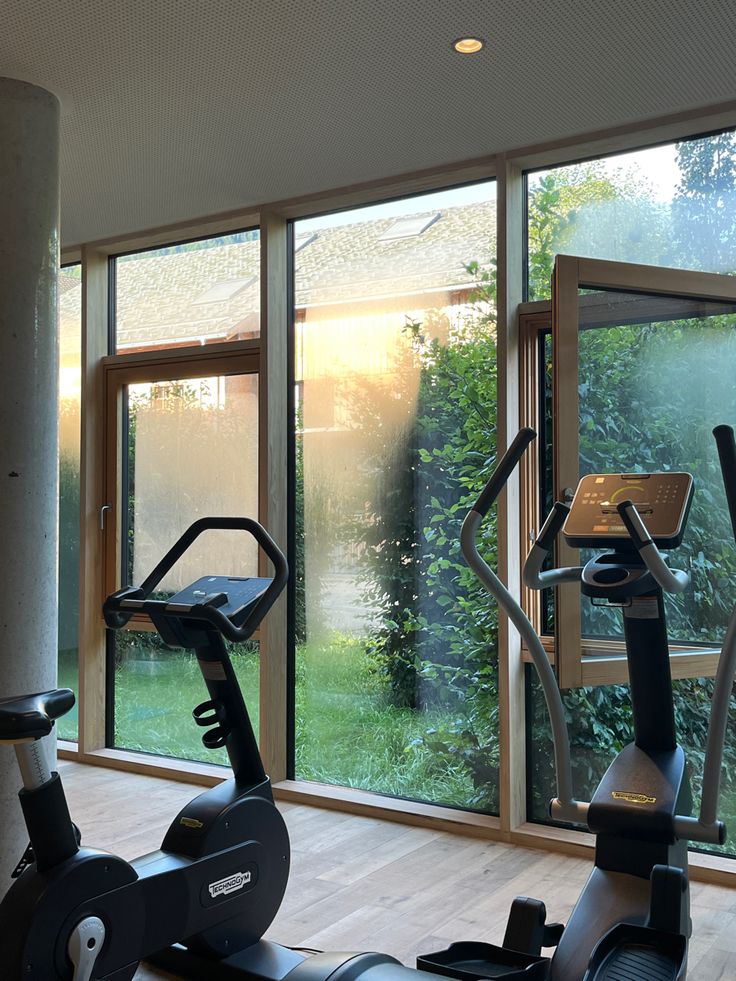
- Stationary Bike: A classic for a reason. Great for home workouts, especially if you enjoy multitasking (reading, watching TV).
Why it’s great: Builds leg strength, good for endurance, environmentally friendly (if outdoor), and offers a sense of freedom.
Elliptical and Stair Climber
These machines are fantastic for mimicking running or climbing motions without the harsh impact.
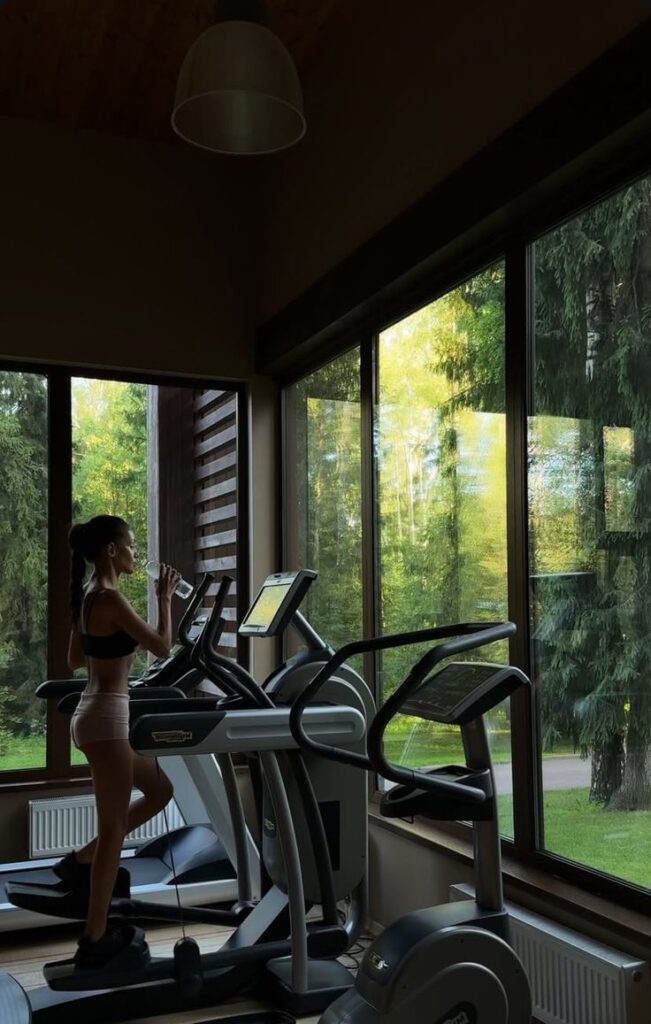
- Elliptical: Provides a smooth, gliding motion that works both upper and lower body simultaneously.
- Stair Climber/Stepper: Excellent for glutes, quads, and serious cardio. Feels like climbing endless stairs.
Why it’s great: Full-body engagement (elliptical), high calorie burn, and minimal joint stress.
High-Intensity Thrills: Get Your Heart Pumping

Ready to really challenge yourself and feel that satisfying burn? High-intensity cardio options are designed to push your limits, improve your speed, and boost your cardiovascular fitness rapidly.
High-Intensity Interval Training (HIIT)
HIIT involves short bursts of intense exercise followed by brief periods of rest or lower-intensity activity. Think 30 seconds of all-out effort, followed by 30 seconds of rest, repeated for 15-20 minutes.
- Examples: Sprints, burpees, jump squats, mountain climbers, box jumps.
- Benefits: Highly efficient (burns a lot of calories in a short time), boosts metabolism, improves endurance.
- Caution: Not for absolute beginners. Ensure proper form to prevent injury.
Why it’s great: Time-efficient, keeps things varied, and provides an incredible post-workout metabolic boost.
Running
The ultimate classic for a reason. Running is a fantastic way to improve cardiovascular endurance, burn calories, and clear your head.
- Jogging: A steady, comfortable pace for longer durations.
- Sprinting: Short, explosive bursts of maximum speed, excellent for power and speed training.
- Trail Running: Combine cardio with nature exploration, often with varied terrain and inclines.
- Group Runs: Joining a running club can provide motivation and a social outlet.
Why it’s great: Accessible (just need shoes!), great for stress relief, builds incredible endurance.
Jump Rope
Don’t underestimate the power of a simple jump rope! This activity is a full-body cardio and coordination powerhouse.
- Basic Jumps: Two feet together.
- Alternating Feet: Like running in place.
- Double Unders: The rope passes under your feet twice per jump (advanced!).
- Cross-overs: Challenges coordination.
Why it’s great: Portable, inexpensive, fantastic for coordination, agility, and a serious cardio challenge.
Sports and Team Games
If you’re a competitive spirit or love the social aspect of exercise, team sports are an incredibly fun way to get your cardio in.
- Basketball: Constant running, jumping, and quick directional changes.
- Soccer (Football): Sustained running, sprints, and strategic movement.
- Tennis/Badminton/Racquetball: Short bursts of intense movement, quick reactions, and agility.
- Volleyball: Jumping, quick lateral movements, and bursts of energy.
Why it’s great: Social, engaging, provides a competitive outlet, and often doesn’t feel like “exercise.”
Dance Your Way to Fitness: The Ultimate Fun Cardio
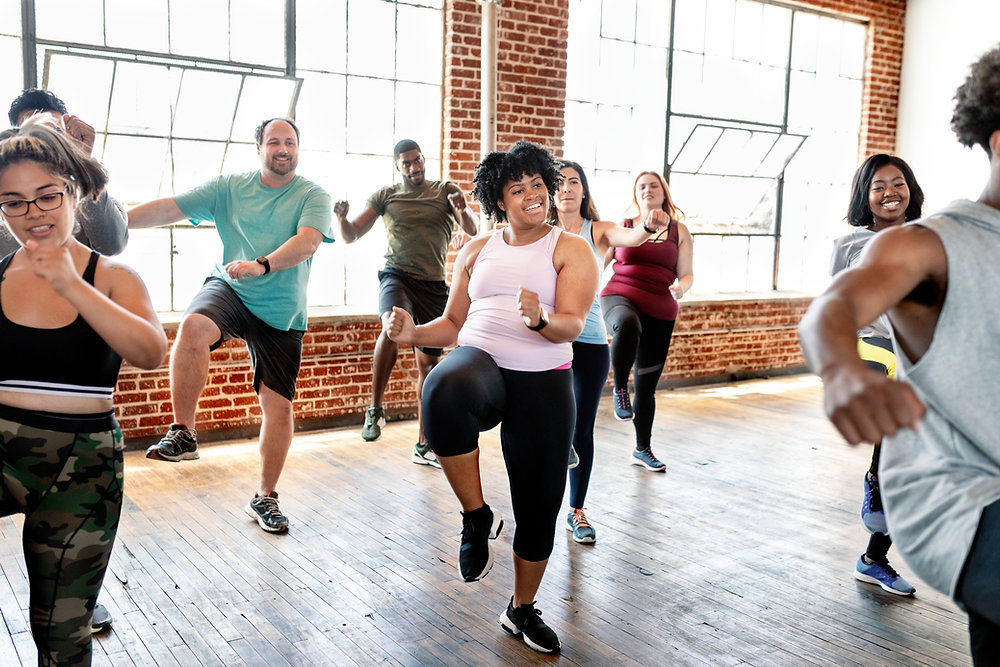
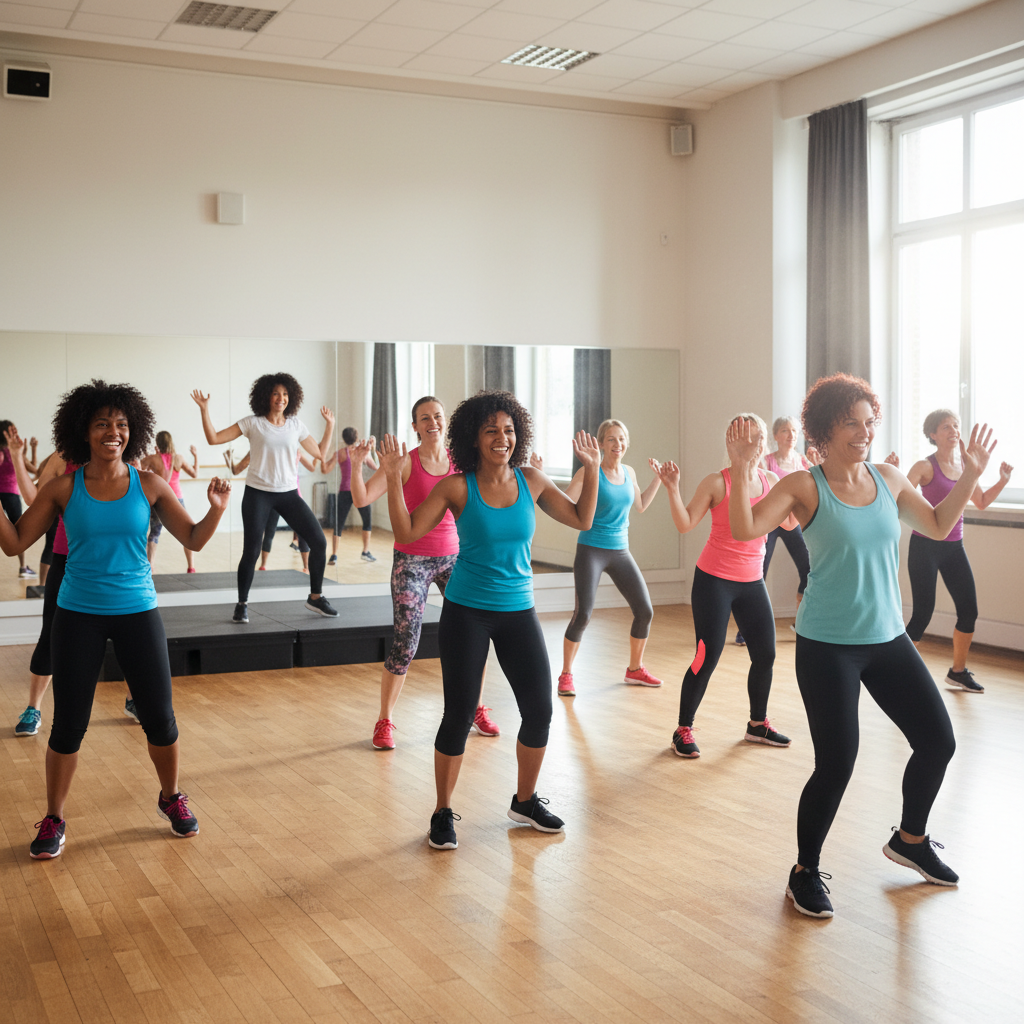
Is there anything more joyful than moving to music? Dancing is perhaps the most universally appealing form of cardio workout, blending fitness with artistry and fun.
Zumba and Dance Fitness Classes
These classes are designed specifically to get your heart rate up through choreographed dance routines, often to upbeat, international music.
- Zumba: High-energy, Latin-inspired dance fitness.
- Hip-Hop Dance: Learn routines while getting a great workout.
- Aerobics/Dance Aerobics: Classic cardio set to pop music.
Why it’s great: No experience necessary, incredible mood booster, social, improves coordination, and often feels like a party.
Freestyle Dancing
Crank up your favorite playlist at home and just move! No choreography needed, just pure, unadulterated joy of movement.
Why it’s great: Free, convenient, great for stress relief, and completely customizable to your mood and energy.
Outdoor Adventures: Breathe Fresh Air While You Sweat
Combining your cardio workout with the beauty of nature can be incredibly invigorating and mentally refreshing.
Hiking and Trail Running
Already mentioned, but worth reiterating for the sheer joy of it. Varying terrain, fresh air, and stunning views make these activities feel less like a workout and more like an exploration.
Kayaking and Paddleboarding
These water sports provide a fantastic upper-body and core cardio workout while allowing you to explore lakes, rivers, or coastal areas.
Why it’s great: Low-impact, relaxing yet challenging, great for core strength, and offers unique perspectives of nature.
Rollerblading/Skating
Dust off those old rollerblades or try out roller skating! This is a fantastic, low-impact way to glide your way to a cardio boost, often feeling more like play than exercise.
Why it’s great: Fun, builds leg strength, improves balance, and a great way to explore urban paths or parks.
Winter Sports (Skiing, Snowboarding, Ice Skating)
If you live in a colder climate, don’t let winter stop you! These activities offer exhilarating cardio challenges.
- Downhill Skiing/Snowboarding: Bursts of intense movement, core engagement, and major leg work.
- Cross-Country Skiing: A full-body endurance workout that’s incredibly efficient.
- Ice Skating: Graceful yet demanding, works legs and core while improving balance.
Why it’s great: Adrenaline-pumping, beautiful scenery, and makes winter exciting.
Bodyweight Cardio at Home: No Equipment, No Excuses
Sometimes, getting to a gym or a specific location just isn’t feasible. That’s where bodyweight cardio shines! You can get an incredible cardio workout right in your living room, with zero equipment needed.
- Jumping Jacks: The classic full-body warm-up, but excellent for sustained cardio too.
- Burpees: The ultimate full-body, high-intensity move that combines a squat, push-up, and jump.
- High Knees: Running in place, bringing your knees up towards your chest.
- Mountain Climbers: In a plank position, alternate bringing your knees to your chest.
- Butt Kicks: Running in place, trying to kick your glutes with your heels.
- Squat Jumps: A squat followed by an explosive jump.
- Shadow Boxing: Punching and moving as if you’re sparring, great for upper body and agility.
You can combine these into a circuit: do each exercise for 45-60 seconds, rest for 15-30 seconds, then move to the next. Repeat the entire circuit 3-5 times. This creates a challenging and effective home cardio workout.
Why it’s great: Convenient, free, no special equipment needed, and highly adaptable to your fitness level and space.
Crafting Your Perfect Cardio Plan
With so many options, how do you put it all together? Here are some tips for creating a cardio routine you’ll actually stick with:
- Start Slow and Listen to Your Body: If you’re new to exercise or restarting after a break, don’t go all-in on HIIT right away. Begin with brisk walking or gentle cycling, gradually increasing duration and intensity. Pain is your body’s way of saying “stop!”
- Mix It Up (Variety is the Spice of Life!): Don’t feel obligated to stick to one activity. Incorporate different types of cardio throughout your week. Maybe a dance class on Monday, a long walk on Wednesday, and a cycling session on Saturday. This prevents boredom and works different muscle groups.
- Set SMART Goals: Specific, Measurable, Achievable, Relevant, Time-bound. Instead of “I want to do more cardio,” try “I will walk briskly for 30 minutes, 3 times a week, for the next month.”
- Warm-up and Cool-down are Non-Negotiable: Always start with 5-10 minutes of light activity (like marching in place or arm circles) to prepare your muscles. End with 5-10 minutes of gentle stretching to improve flexibility and aid recovery.
- Focus on Consistency Over Intensity (Initially): It’s better to do a moderate workout consistently than to crush yourself once a week and then quit for two weeks. Build the habit first, then gradually increase intensity.
- Find Your “Why”: Beyond the general health benefits, what’s your personal reason for wanting to move more? Is it to keep up with your kids, feel more confident, or simply enjoy a new hobby? Connect with that motivation regularly.
Making It Stick: Tips for Long-Term Enjoyment
Finding fun cardio workouts is step one. Step two is making sure they become a consistent part of your life.
- Find a Workout Buddy: Exercising with a friend, partner, or family member can provide accountability, motivation, and make the activity even more enjoyable.
- Track Your Progress: Use a fitness tracker, an app, or even a simple journal to log your workouts. Seeing how far you’ve come or how much faster/stronger you’re getting can be incredibly motivating.
- Reward Yourself (Non-Food Rewards!): When you hit a goal, celebrate! A new piece of workout gear, a massage, a relaxing bath – choose something that makes you feel good and reinforces your positive behavior.
- Create the Right Environment: If you’re working out at home, clear a space, put on your favorite music or a compelling podcast, and make it inviting. If you’re at the gym, find a spot you’re comfortable in.
- Listen to Music or Podcasts: For many, the right soundtrack can transform a mundane cardio session into an energizing experience. Experiment with different genres or dive into an intriguing podcast.
- Embrace the Outdoors: If weather permits, take your cardio outside. The changing scenery, fresh air, and natural beauty can significantly boost your mood and enjoyment.
- Don’t Fear Experimentation: The “perfect” cardio workout for you might change over time. Keep trying new things – dance classes, martial arts, rock climbing – until you find what truly clicks.
The Best Cardio Workout is the One You Actually Do!

It’s a simple truth: the most effective cardio workout isn’t necessarily the one that burns the most calories or is the most intense. It’s the one you genuinely enjoy and consistently integrate into your life.
Gone are the days of forcing yourself through soul-crushing exercise routines. The world of fitness has evolved, offering a vibrant spectrum of activities that can challenge your body, uplift your spirit, and bring a genuine smile to your face. From the rhythmic sway of a Zumba class to the serene glide of a kayak, the invigorating rush of a trail run to the empowering movements of a home circuit, there’s a cardio workout out there waiting to become your new favorite pastime.
So, take a deep breath, shed the old expectations, and embark on a journey of joyful movement. Experiment, explore, and don’t be afraid to try something completely new. Your heart, your body, and your mind will thank you for it. Get moving, have fun, and embrace the incredible power of a cardio workout you actually enjoy!
Frequently Asked Questions

How much cardio do I need?
Most health organizations recommend at least 150 minutes of moderate-intensity aerobic activity or 75 minutes of vigorous-intensity aerobic activity per week, or a combination of both. This can be broken down into shorter sessions, such as 30 minutes, five days a week.
What if I genuinely hate all traditional cardio?
If you truly dislike traditional cardio like running or cycling, explore non-traditional options! Consider dance fitness, team sports, martial arts, vigorous hiking, swimming, or even active outdoor play with kids or pets. The key is to find something that feels like fun, not just exercise.
Is walking enough cardio?
Brisk walking is absolutely a fantastic form of moderate-intensity cardio. To make it more effective, try to walk at a pace where you can talk but not easily sing, and incorporate inclines or varied terrain. Power walking or rucking (walking with a weighted pack) can also increase the intensity.
How do I know if my cardio workout is effective?
You can gauge effectiveness by your heart rate and perceived exertion. For moderate intensity, you should be able to hold a conversation but feel somewhat breathless. For vigorous intensity, you’ll likely only be able to speak a few words at a time. A smart watch or heart rate monitor can give you precise data on your heart rate zones.
Can I do cardio every day?
Yes, you can do moderate-intensity cardio activities like brisk walking or cycling most days of the week. For more vigorous activities like HIIT or long-distance running, it’s generally recommended to include rest days or alternate with lower-intensity activities to allow your body to recover and prevent overtraining or injury.
What’s the best time of day for cardio?
The “best” time for cardio is entirely personal and depends on your schedule and preferences. Some people prefer morning workouts to boost energy for the day, while others find evening sessions help relieve stress. Consistency is more important than the specific time of day.