





Winter often brings a magical charm – cozy nights, festive cheer, and crisp, clean air. But for your skin, especially if it leans towards the drier side, these colder months can feel more like a relentless assault. The sudden drop in humidity, biting winds, and the constant blast of indoor heating conspire to strip your skin of its precious moisture, leaving it feeling tight, flaky, itchy, and sometimes even painful. If you’ve ever felt like your skin is waging a losing battle against the elements, you’re not alone. Developing a dedicated winter skincare routine for dry skin isn’t just a suggestion; it’s an absolute necessity to maintain comfort, health, and a radiant complexion.
It’s time to stop merely surviving winter with your skin and start thriving. This isn’t about adding twenty steps to your routine; it’s about making smart, targeted choices that deliver maximum hydration and protection when your skin needs it most. We’ll dive deep into understanding why winter is such a challenge, then walk through a comprehensive, yet easy-to-follow, regimen designed to fortify your skin barrier, lock in moisture, and keep dryness at bay, allowing you to truly “chill out” without the dryness.


Understanding Winter’s Relentless Assault on Dry Skin
Before we build our defense, let’s understand the enemy. Why does winter hit dry skin so hard? It’s a combination of environmental factors and their direct impact on your skin’s natural defenses.
- Low Humidity: As temperatures drop, so does the amount of moisture in the air. This dry air acts like a sponge, drawing water directly out of your skin. Indoors, heating systems further exacerbate this effect, turning your cozy home into a desert for your dermis.
- Cold, Harsh Winds: Blustery winds strip away the skin’s natural oils, further compromising its protective barrier. This exposure accelerates moisture evaporation and can lead to windburn, redness, and irritation.
- Hot Showers and Baths: While incredibly tempting on a freezing day, prolonged exposure to hot water can strip your skin of its natural lipids, essential for retaining moisture. This leaves your skin feeling even drier after you step out.
- Compromised Skin Barrier: Your skin has a natural protective layer, known as the skin barrier, composed of lipids and skin cells. In dry skin types, this barrier is often already weaker, making it more susceptible to external aggressors. Winter conditions further damage this barrier, leading to increased transepidermal water loss (TEWL) and heightened sensitivity.
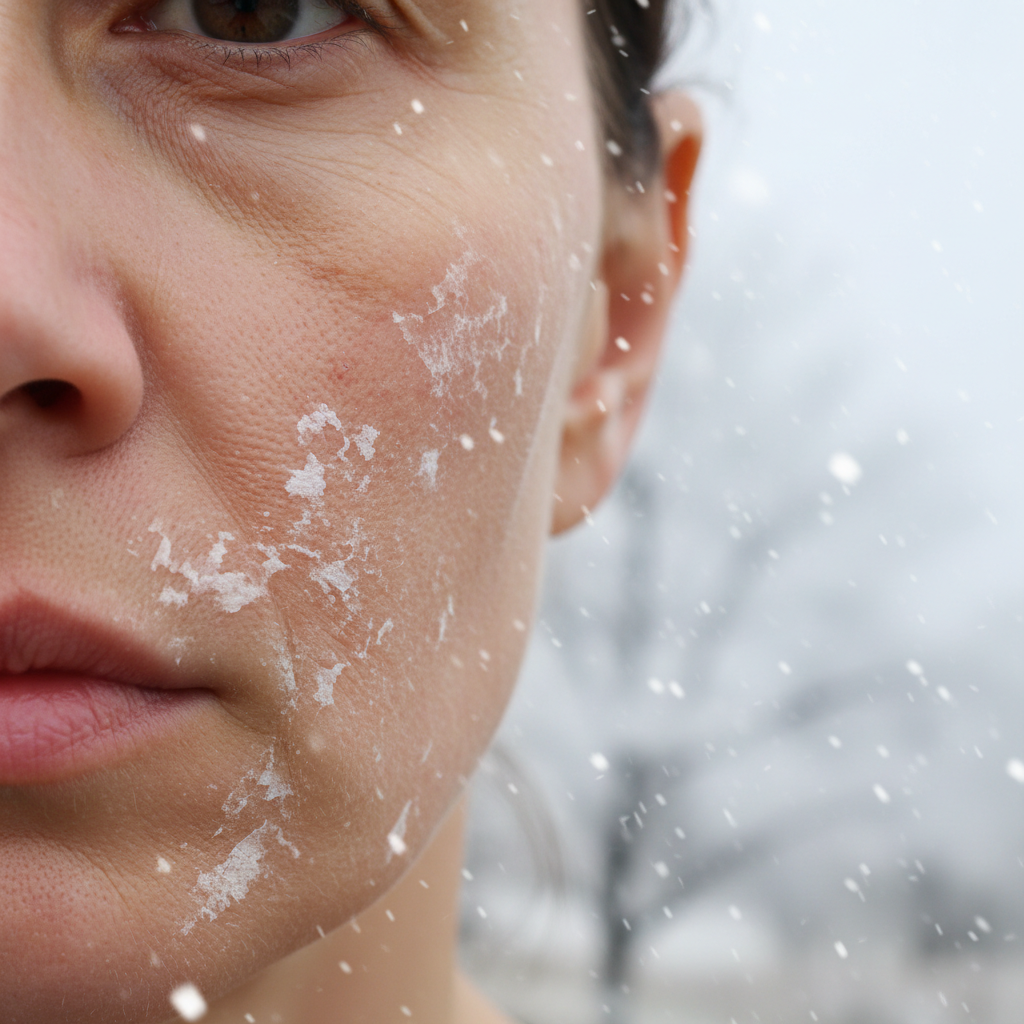
The result? Skin that feels tight, looks dull, flakes easily, and can even develop cracks or eczema flare-ups. This is why a strategic shift in your skincare approach is non-negotiable for a happy winter.
The Foundation: Gentle Cleansing is Key
When your skin is already struggling for moisture, the last thing it needs is a harsh cleanser. Many popular cleansers contain sulfates or strong detergents that can strip away natural oils, leaving your skin feeling tight and parched.
- Choose Wisely: Opt for creamy, hydrating, or oil-based cleansers that are specifically designed for dry or sensitive skin. Look for ingredients like glycerin, ceramides, hyaluronic acid, or colloidal oatmeal. These cleansers effectively remove impurities without disrupting your skin’s delicate moisture barrier.
Example:* A non-foaming cleansing milk or an oil-to-milk cleanser.
- Lukewarm, Not Hot: Resist the urge for scalding hot water. It might feel good for a moment, but it’s detrimental to your skin’s hydration. Use lukewarm water to rinse your face, ensuring you don’t strip away essential oils.
- Gentle Application: Use your fingertips to gently massage the cleanser onto your face. Avoid harsh scrubbing or abrasive cloths.
- Frequency Matters: For some, cleansing twice a day in winter might be too much. If your skin feels particularly dry or sensitive, consider a simple water rinse in the morning and a thorough cleanse at night.


Hydration Heroes: Serums and Essences for a Moisture Boost
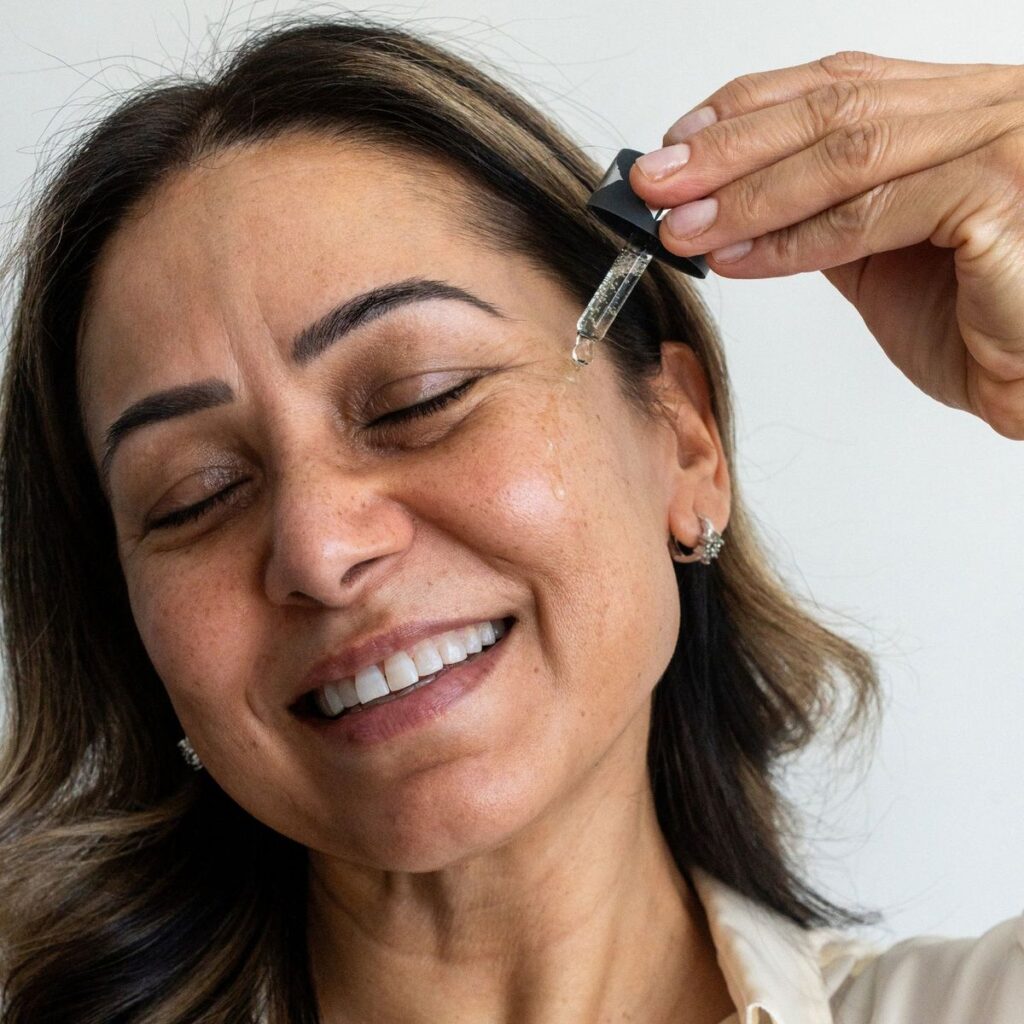
After cleansing, your skin is primed to absorb beneficial ingredients. This is where hydrating serums and essences come into play, delivering a concentrated shot of moisture-binding ingredients. Think of them as the power-ups in your winter skincare routine for dry skin.
- Hyaluronic Acid (HA): This superstar ingredient can hold up to 1,000 times its weight in water, drawing moisture from the air and deeper layers of your skin to the surface. It’s excellent for plumping up dry skin and improving its elasticity.
Tip:* Apply HA to slightly damp skin to maximize its water-attracting power, then follow immediately with a moisturizer to seal it in.
- Glycerin: A potent humectant like HA, glycerin is a natural component of healthy skin. It helps to hydrate the skin and supports barrier function, making it an ideal ingredient for winter.
- Ceramides: These are lipids naturally found in your skin barrier. Think of them as the “mortar” between your skin cells (“bricks”). Supplementing with ceramide-rich serums helps to repair and strengthen a compromised barrier, reducing moisture loss.
- Beta-Glucan: Derived from oats, mushrooms, or yeast, beta-glucan is another fantastic humectant that also possesses soothing and wound-healing properties, perfect for irritated winter skin.
- Layering for Impact: Apply your serum or essence while your skin is still slightly damp from cleansing. This helps the ingredients penetrate more effectively.

The Mighty Moisturizer: Your Winter Shield
This is arguably the most critical step in your winter skincare routine for dry skin. Your moisturizer in winter needs to do more than just hydrate; it needs to create a protective barrier that seals in moisture and shields your skin from the harsh environment.
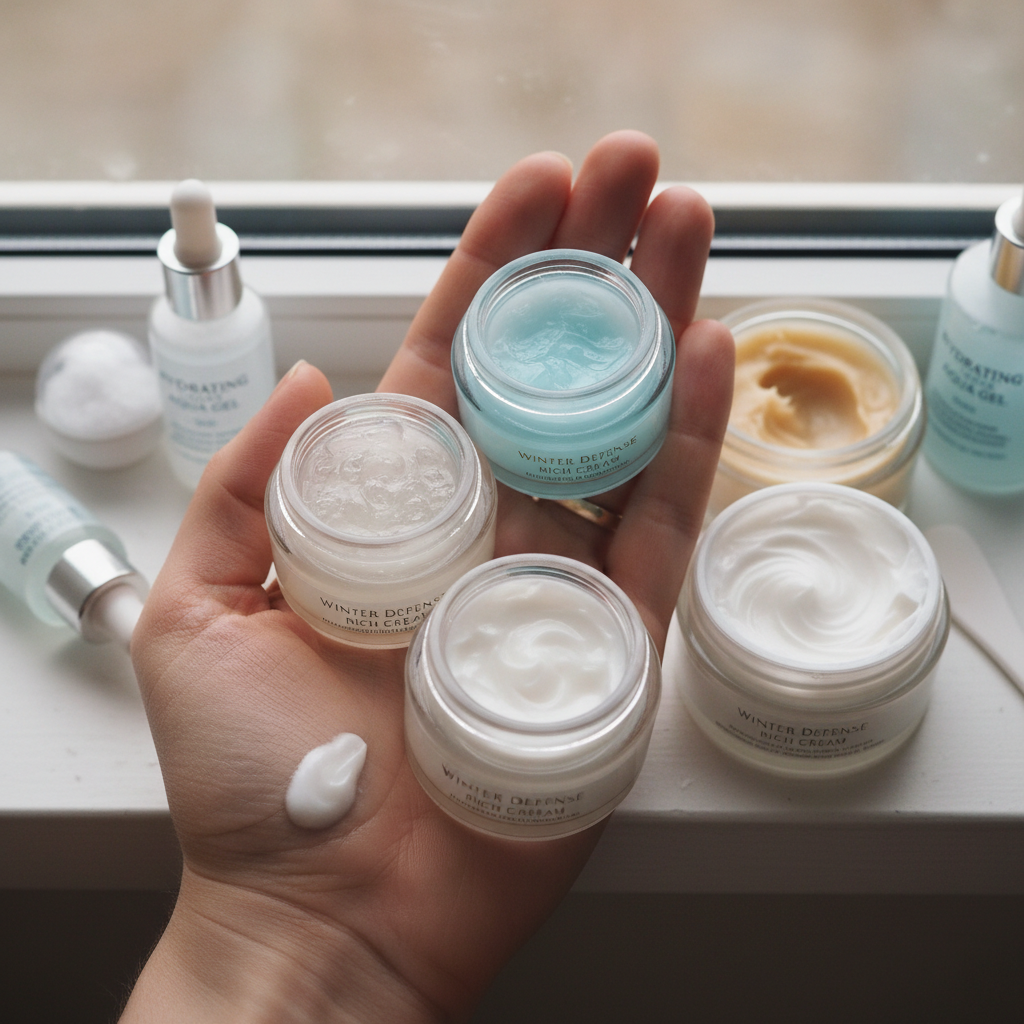
- Go Thicker, Richer: Ditch your lightweight summer lotions for thicker creams or balms. Look for products labeled “emollient” or “occlusive.”
- Key Ingredients to Seek Out:
Occlusives: These ingredients form a protective layer on the skin’s surface, preventing water loss. Examples include petrolatum (petroleum jelly), mineral oil, dimethicone, lanolin, shea butter, and beeswax. Emollients: These smooth and soften the skin, filling in gaps between cells. Examples include fatty acids (like linoleic acid), cholesterol, squalane, and plant oils (jojoba, argan, sunflower). Humectants:* While present in serums, they are also vital in moisturizers to draw and hold water. Glycerin and hyaluronic acid are prime examples.
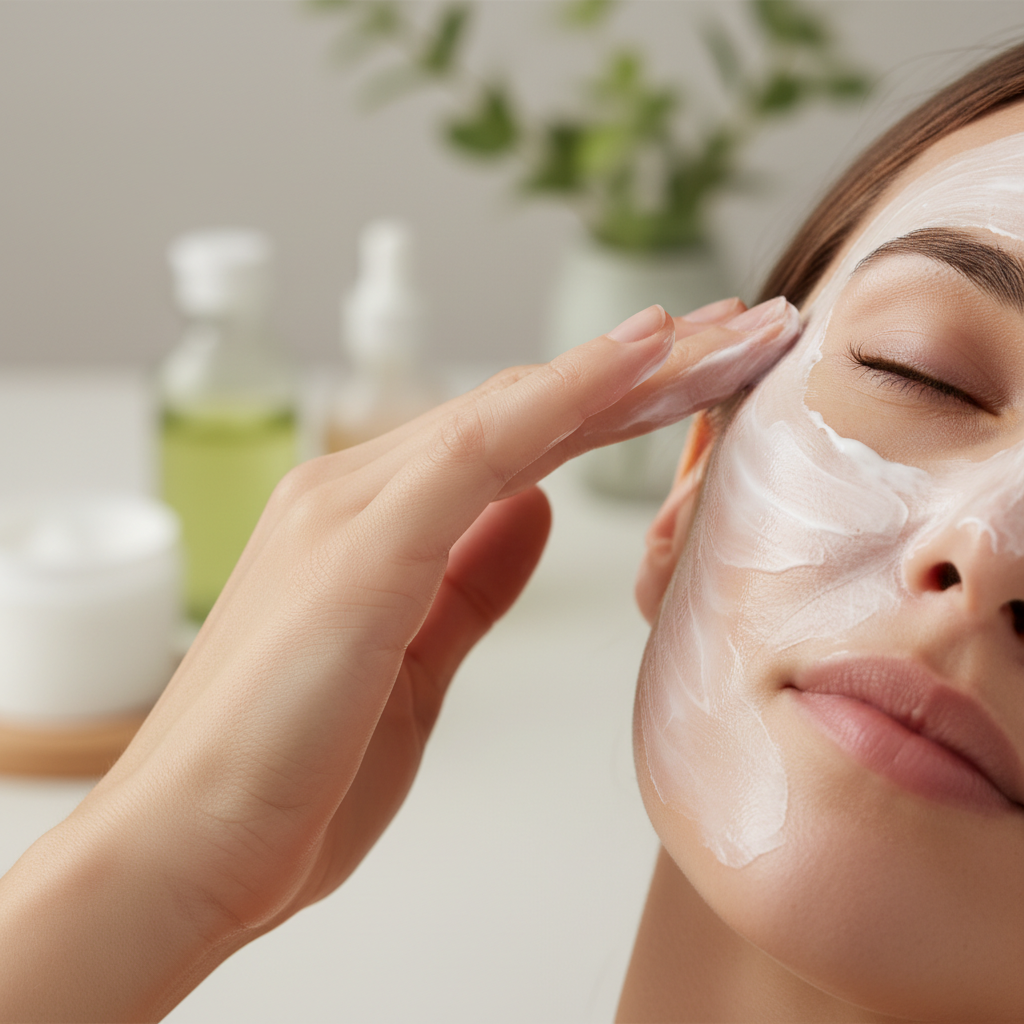
- Apply to Damp Skin: Just like with serums, applying your moisturizer within minutes of cleansing or after your serum, while your skin is still slightly damp, helps to trap that moisture. Don’t rub; gently pat and press it into your skin.
- Don’t Forget Your Neck and Decolletage: These areas are just as exposed to the elements and often show signs of dryness and aging first. Extend your moisturizing routine downwards.
Sealing the Deal: Face Oils and the Power of Occlusion
For those with extremely dry or compromised skin, or during particularly harsh conditions, layering a face oil or a more potent occlusive on top of your moisturizer can be a game-changer. This step creates an extra layer of protection, preventing the evaporation of all the good ingredients you’ve just applied.
- Face Oils: These are not meant to hydrate on their own but rather to nourish and seal. Applied as the last step in your routine (before SPF in the morning), they create a lipid barrier.
Look for: Squalane, jojoba oil, rosehip oil, marula oil, or blends specifically formulated for dry skin. Application: Warm a few drops between your palms and gently press onto your face.
- “Slugging”: This viral trend, rooted in old dermatological practices, involves applying a thin layer of an occlusive ointment (like petroleum jelly) as the final step in your evening routine. It creates an impenetrable barrier that drastically reduces transepidermal water loss.
Benefits: Incredible for extremely dry, cracked, or compromised skin. Caution: Best done overnight and only if your skin isn’t prone to breakouts, as it can trap other ingredients and potentially clog pores for some.
Beyond the Face: Body Care in Winter
Your face gets a lot of attention, but the rest of your body suffers just as much from winter dryness. It’s crucial to extend your diligent skincare practices head-to-toe.
- Shower Smart:
Temperature: Stick to lukewarm water. Duration: Keep showers short (5-10 minutes). Cleanser:* Use a gentle, hydrating body wash or shower oil. Avoid harsh soaps that leave your skin feeling “squeaky clean,” as this often means stripped.
- Moisturize Immediately: Within three minutes of stepping out of the shower or bath, while your skin is still damp, slather on a rich body cream or balm. Don’t wait until your skin is completely dry.
Ingredients:* Look for the same occlusives and emollients as you would for your face: shea butter, cocoa butter, ceramides, petrolatum, mineral oil.
- Targeted Care:
Hands: They are constantly exposed to water and cold. Carry a rich hand cream and reapply frequently, especially after washing hands. Consider wearing gloves outdoors. Feet: Often neglected, feet can become incredibly dry and cracked in winter. Apply a thick foot cream (one containing urea or lactic acid for exfoliation can be beneficial) and wear cotton socks overnight to lock in moisture.


The Unsung Hero: Humidifiers
While topical products are essential, addressing the dry air itself can make a significant difference. A humidifier is your skin’s best friend in winter.
- How They Work: Humidifiers add moisture back into the air, counteracting the drying effects of indoor heating. This means less moisture is drawn from your skin.
- Placement: Place a humidifier in your bedroom, especially if you spend 7-8 hours sleeping there. A unit in your main living area can also be beneficial.
- Maintenance: Clean your humidifier regularly according to manufacturer instructions to prevent mold and bacteria buildup.
- Results: You’ll likely notice softer skin, less static electricity, and possibly even better sleep and fewer dry sinuses.
Sunscreen: Not Just for Summer Fun
It’s a common misconception that sunscreen isn’t necessary in winter. However, UVA and UVB rays are present year-round, even on cloudy days. UVA rays, which contribute to aging and skin cancer, can even penetrate windows. Snow is also highly reflective, intensifying UV exposure.
- Year-Round Protection: Make SPF 30 (or higher) a non-negotiable part of your morning winter skincare routine for dry skin.
- Broad-Spectrum: Ensure your sunscreen protects against both UVA and UVB rays.
- Hydrating Formulas: Many sunscreens now offer hydrating ingredients, making them less likely to exacerbate dryness. Look for mineral sunscreens (zinc oxide, titanium dioxide) if you have sensitive skin, as they tend to be less irritating.


Lifestyle Adjustments for Happy Winter Skin
Skincare isn’t just about what you put on your skin; it’s also about how you live. A holistic approach can significantly boost your efforts to combat winter dryness.
- Hydrate from Within: Drinking plenty of water is always important for overall health, and while its direct impact on skin hydration is debated, it certainly won’t hurt. Aim for 8 glasses a day.
- Balanced Nutrition: A diet rich in essential fatty acids (omega-3s and omega-6s) can support a healthy skin barrier. Think fatty fish, flaxseeds, chia seeds, and walnuts. Antioxidant-rich fruits and vegetables also help protect skin cells from damage.
- Avoid Irritants:
Fragrance: Many fragrances can be irritating to sensitive, dry skin. Opt for fragrance-free products. Harsh Fabrics: Wool can be scratchy. Choose soft, breathable fabrics like cotton or silk against your skin, especially for clothing layers.
- Layer Up: Protecting your skin from direct exposure to cold wind is crucial. Wear scarves, hats, and gloves when venturing outdoors. This physical barrier prevents moisture evaporation and windburn.
- Mindful Exfoliation: While exfoliation can remove dead skin cells, over-exfoliating in winter can severely damage your already fragile skin barrier.
Recommendation:* Reduce the frequency of chemical or physical exfoliation. If you have very dry skin, consider a gentle enzymatic exfoliant once a week, or skip it altogether if your skin is feeling particularly vulnerable. Listen to your skin!
- Stress Management: High stress levels can impact skin health, potentially worsening conditions like eczema or psoriasis that thrive on dry, irritated skin. Incorporate stress-reducing activities like meditation, yoga, or simply taking time for hobbies you enjoy.
Common Pitfalls to Avoid in Your Winter Skincare Routine
Even with the best intentions, it’s easy to fall into traps that can worsen dry winter skin.
- Ignoring Symptoms: Don’t wait until your skin is flaky and irritated to adjust your routine. Proactive care is always better than reactive damage control.
- Over-Exfoliating: As mentioned, your skin barrier is already under siege. Piling on harsh exfoliants will only make things worse, creating micro-tears and increasing moisture loss.
- Using Summer Products: Lightweight gels and lotions that felt perfect in humid summer months won’t cut it when the air is dry. Swap them out for richer, more protective formulas.
- Forgetting Water Temperature: It’s hard to resist a steaming hot shower, but your skin will thank you for turning down the dial to lukewarm.
- Skipping Sunscreen: The sun is still powerful in winter, and reflective surfaces like snow can intensify its effects. Protect yourself daily.
Building Your Personalized Winter Skincare Routine for Dry Skin
Here’s a template to help you organize your winter skin defense:
Morning Routine:
1. Cleanse: Gentle, hydrating cleanser or just a lukewarm water rinse. 2. Treat (Optional): Hydrating serum (Hyaluronic Acid, Ceramides) on damp skin. 3. Moisturize: Rich, thick cream or balm for dry skin. 4. Protect: Broad-spectrum SPF 30+ sunscreen.
Evening Routine:
1. Cleanse: Gentle, hydrating cleanser. (Double cleanse if wearing heavy makeup/SPF: oil cleanser first, then gentle cream cleanser). 2. Treat: Hydrating serum (Hyaluronic Acid, Ceramides) on damp skin. 3. Moisturize: Rich, restorative night cream or balm. 4. Seal (Optional, for extra dry skin): A few drops of face oil or a thin layer of occlusive ointment (“slugging”).
Remember, consistency is key. Sticking to this regimen will help fortify your skin’s natural defenses and keep it feeling soft, supple, and protected throughout the winter months.
Conclusion: Embrace Winter, Not Dryness
Conquering winter dryness is all about strategy and consistency. By understanding the unique challenges winter presents to your skin and implementing a targeted winter skincare routine for dry skin, you can transform your complexion from tight and flaky to nourished and glowing. Focus on gentle cleansing, layering humectant-rich serums, embracing rich, occlusive moisturizers, and remembering to protect your skin from the sun and harsh elements.
Don’t let the chilly weather dictate your skin’s health. Take control, empower your skin with the hydration and protection it needs, and you’ll find yourself not just surviving winter, but truly thriving. Your skin is your body’s largest organ, and it works tirelessly to protect you; give it the love and care it deserves this season.


Frequently Asked Questions
What makes winter particularly harsh for dry skin?
Winter is harsh for dry skin due to low humidity, cold winds, and indoor heating systems that draw moisture out of the air and, consequently, your skin. This compromises the skin’s natural barrier, leading to increased moisture loss, tightness, flakiness, and irritation.
Should I change my cleanser in winter if I have dry skin?
Yes, it’s highly recommended. In winter, switch to a creamy, hydrating, or oil-based cleanser that is sulfate-free and doesn’t strip your skin of its natural oils. Avoid harsh foaming cleansers that can exacerbate dryness.
What are the most important ingredients to look for in a winter moisturizer for dry skin?
Look for a combination of humectants (like hyaluronic acid, glycerin) to draw in moisture, emollients (like shea butter, squalane) to smooth and soften, and occlusives (like petrolatum, mineral oil, dimethicone, lanolin) to form a protective barrier and prevent water loss.
Is it okay to take hot showers to warm up in winter?
While tempting, prolonged hot showers are detrimental to dry skin. Hot water strips away the skin’s natural lipids, leaving it even drier. Opt for lukewarm showers and keep them short (5-10 minutes) to minimize moisture loss.
Do I still need to use sunscreen in winter?
Absolutely! UV rays are present year-round, even on cloudy days. UVA rays, which contribute to aging, can penetrate glass. Snow also reflects UV radiation, intensifying exposure. Use a broad-spectrum SPF 30+ sunscreen daily as the last step in your morning routine.
What is “slugging” and is it good for dry winter skin?
“Slugging” involves applying a thin layer of an occlusive ointment (like petroleum jelly) as the final step in your evening skincare routine. It creates a powerful barrier that dramatically reduces transepidermal water loss overnight, making it excellent for extremely dry or compromised skin in winter. However, it may not be suitable for those prone to breakouts.
How can lifestyle changes support my winter skincare routine?
Beyond topical products, staying hydrated by drinking plenty of water, consuming a diet rich in essential fatty acids, using a humidifier indoors, avoiding harsh fabrics, and managing stress can significantly improve your skin’s ability to cope with winter dryness.