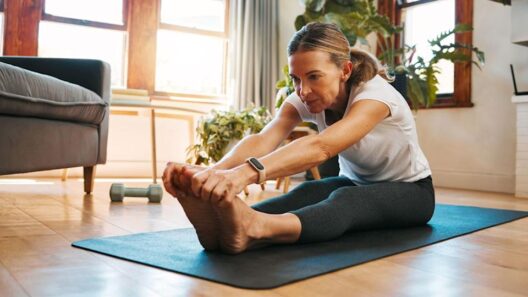



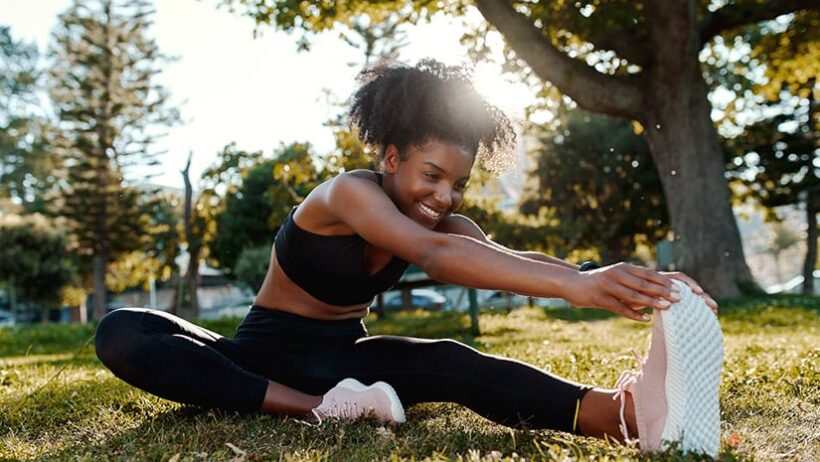

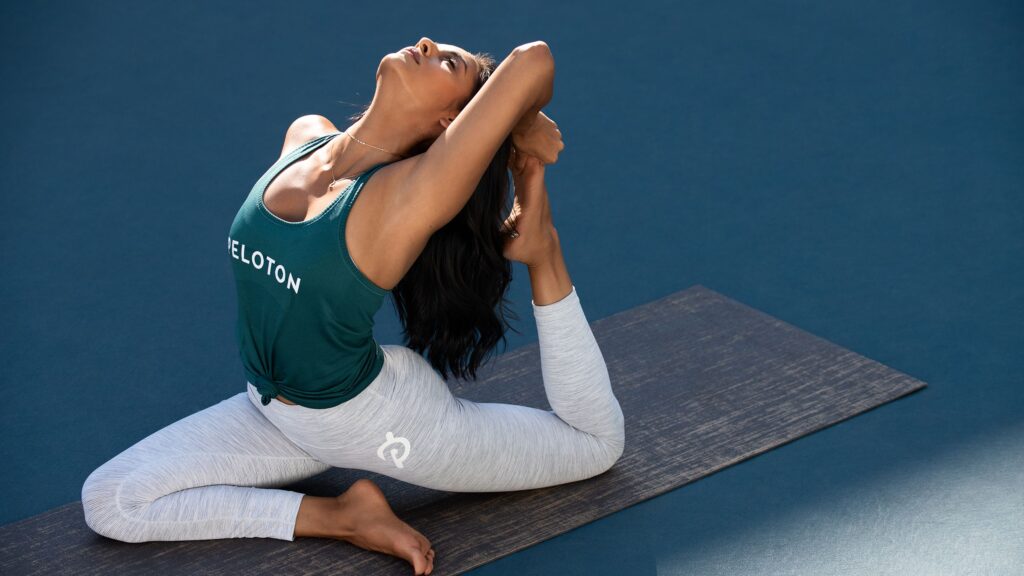
Are you ready to unlock a simpler, yet incredibly powerful secret to feeling amazing? We’re talking about something you can do almost anywhere, anytime, with no special equipment required. If you’ve ever felt stiff after a long day, a bit sluggish in your movements, or just wished you had a little more pep in your step, then you’re in for a treat. This isn’t just about touching your toes; it’s about transforming your well-being from the inside out. In this article, we’re diving deep into the awesome 10 benefits of stretching that will pave the way for a happier, healthier you. Get ready to discover how a few minutes of mindful movement can revolutionize your body and mind!
1. Boost Your Flexibility and Range of Motion
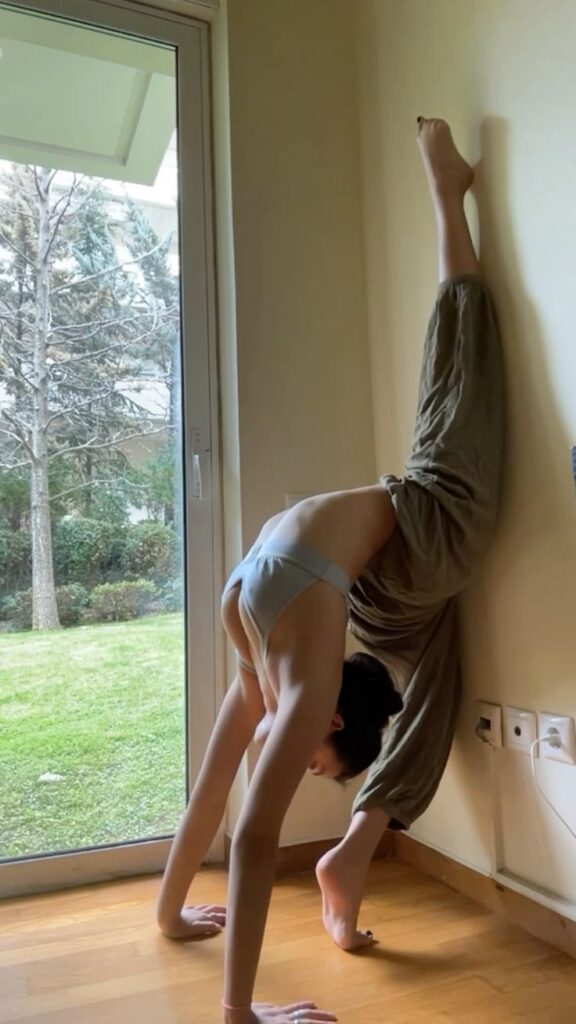
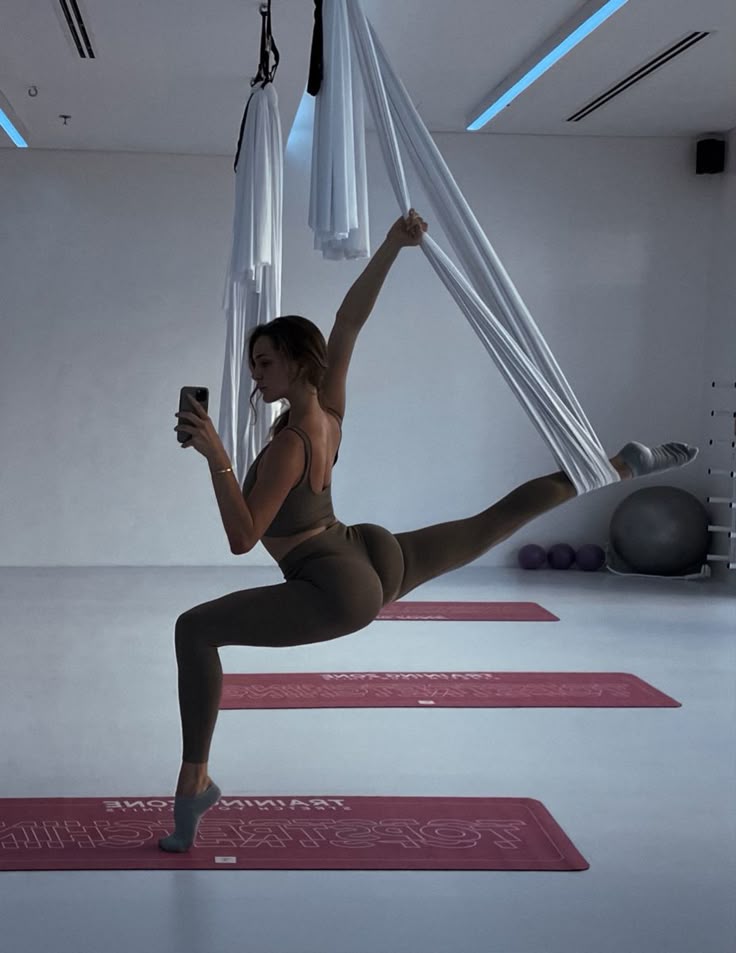
Let’s kick things off with the most obvious, yet profoundly impactful, benefit: supercharging your flexibility and range of motion. Think of flexibility as the ability of your muscles and connective tissues to lengthen and move through their full potential. When you regularly stretch, you’re not just tugging on your muscles; you’re gently coaxing them to become more pliable, less restricted. This is crucial because stiff, tight muscles limit how far your joints can move.
Imagine trying to reach for something on a high shelf or bending down to tie your shoes. If your flexibility is limited, these everyday actions become more of a struggle. Consistent stretching helps to lengthen muscle fibers and increase the elasticity of tendons and ligaments around your joints. This directly translates to an improved range of motion, allowing your joints — like your shoulders, hips, and knees — to move through their full, natural arc. A greater range of motion means you can perform daily tasks with greater ease, fluidity, and without feeling that nagging resistance. It’s like greasing the hinges on a rusty door – suddenly, everything moves so much smoother!
2. Reduce Your Risk of Injury
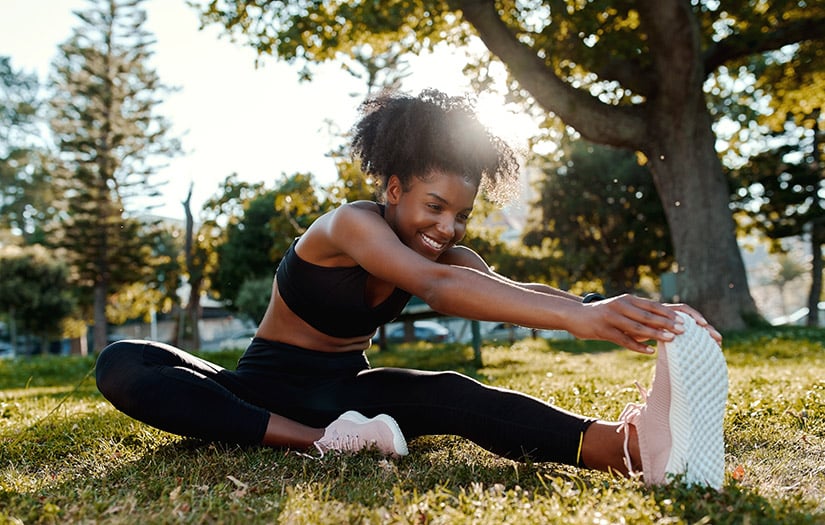
Nobody wants to get sidelined by an injury, whether it’s from a workout, a clumsy step, or just reaching awkwardly. This is where stretching steps in as your unsung hero for injury prevention. When your muscles are tight and inflexible, they’re under more stress, making them more prone to tears, strains, and sprains. Think of a tight rubber band – it’s much more likely to snap than one that’s relaxed and pliable.
Regular stretching helps prepare your muscles for activity by increasing their elasticity and warming them up. This means they can handle more stress and sudden movements without overstretching or tearing. For instance, a study published in the Journal of Strength and Conditioning Research highlighted how improved flexibility is associated with a reduced risk of muscle strains, particularly in the hamstrings and groin. By systematically incorporating stretching into your routine, you create more resilient muscles and connective tissues. This gives you a significant buffer against those unexpected twists, turns, and impacts that can lead to painful injuries, keeping you in the game, whatever your “game” may be.
3. Alleviate and Prevent Muscle Soreness and Pain
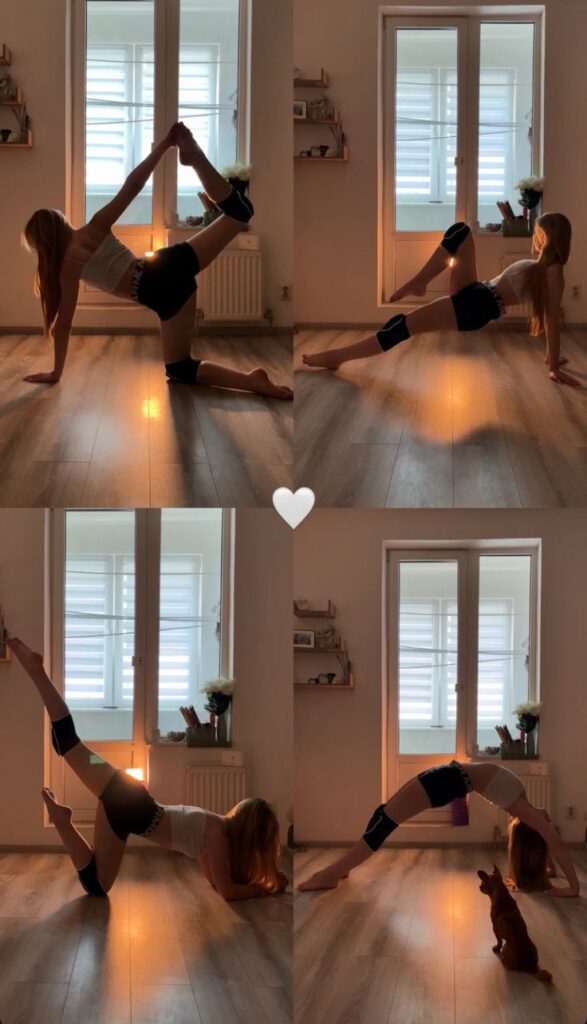
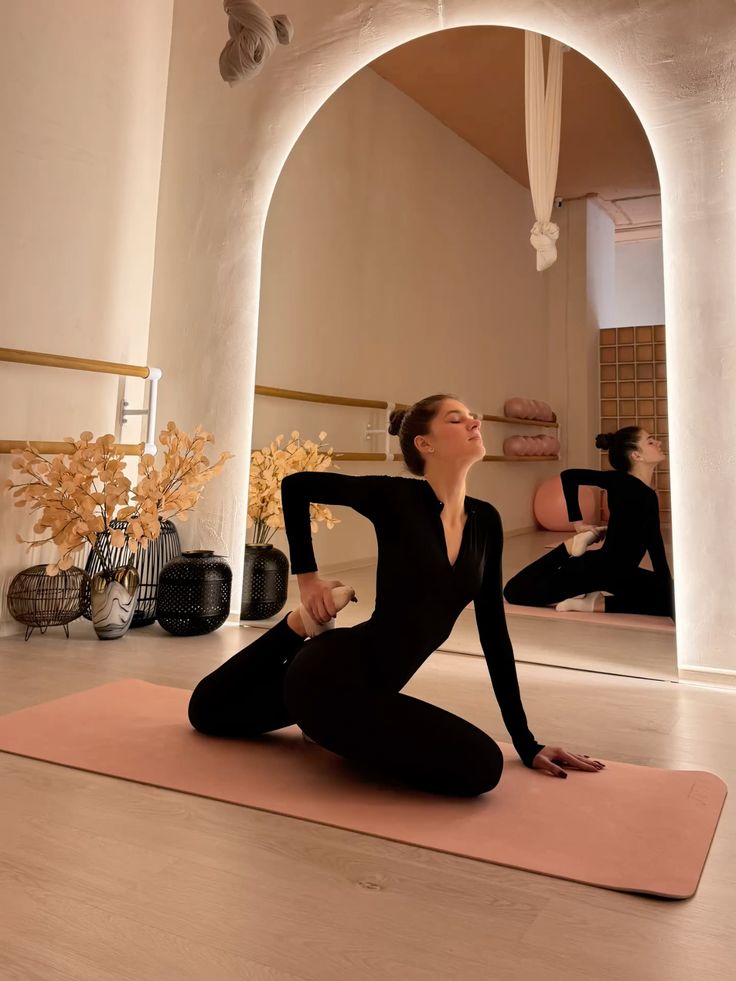
Ever woken up the day after a workout feeling like you’ve been run over by a truck? That’s often delayed onset muscle soreness (DOMS) making its grand appearance. While stretching directly after an intense workout might not completely erase DOMS, consistent, regular stretching plays a powerful role in both alleviating and preventing general muscle soreness and tightness.
When you stretch, you’re promoting blood flow to your muscles, which helps deliver oxygen and nutrients while flushing out metabolic waste products that contribute to that “knotty” feeling. Over time, this improved circulation can significantly reduce chronic muscle tension, which is a common culprit behind persistent aches and pains, especially in areas like the neck, shoulders, and lower back. Moreover, stretching can help correct muscular imbalances, where one muscle group is tighter or stronger than another. These imbalances can pull your body out of alignment, leading to compensatory pain elsewhere. By gently lengthening tight muscles, you help restore balance, alleviate undue pressure on joints, and create a more comfortable, pain-free state of being.
4. Improve Your Posture

In our modern world, many of us spend hours hunched over computers, phones, or steering wheels. This often leads to poor posture, characterized by rounded shoulders, a slouched back, and a forward-tilted head. Not only does this look less-than-confident, but it also places immense strain on your spine, neck, and shoulders, leading to chronic pain and fatigue. Good news: stretching can be a game-changer for your posture!
Specific stretches target the muscles that become tight and shortened due to poor postural habits. For example, chest stretches can help open up a rounded chest, allowing your shoulders to pull back naturally. Hamstring and hip flexor stretches can relieve tension that often pulls the pelvis out of alignment, which then impacts your lower back and overall spinal curve. By regularly lengthening these tight muscles, you make it easier for your body to maintain proper alignment. You’ll find yourself standing taller, sitting straighter, and experiencing less strain on your back and neck. It’s not just about looking better; it’s about feeling strong and aligned from the inside out, allowing your body to work more efficiently and comfortably.
5. Enhance Athletic Performance
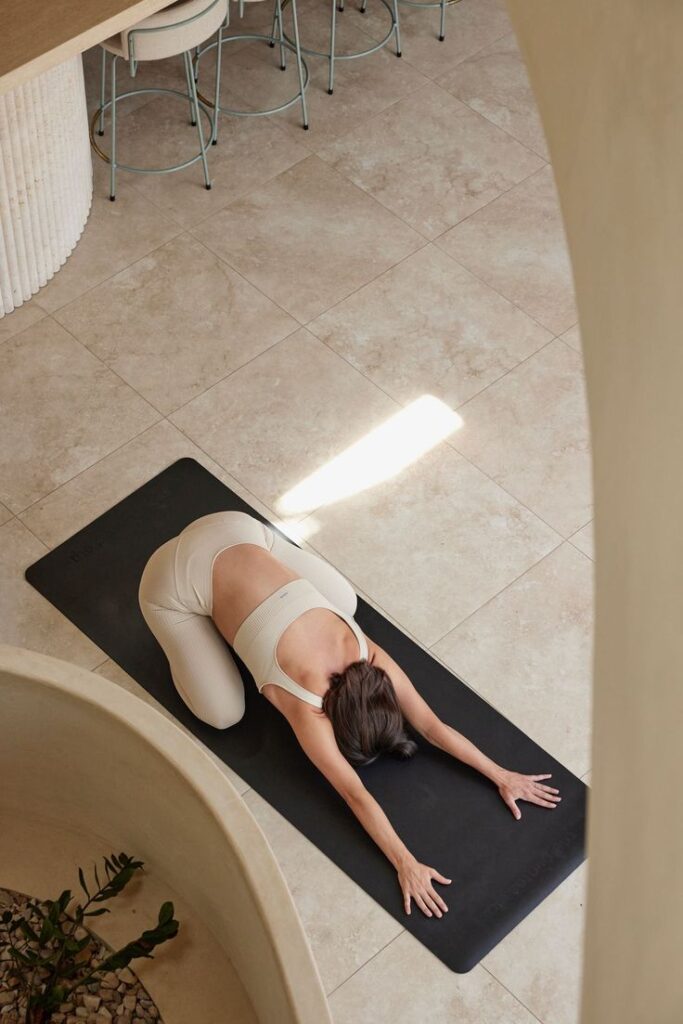

If you’re an athlete, or even just someone who enjoys recreational sports or physical activities, stretching isn’t just a nice-to-have; it’s a performance enhancer. While dynamic stretching (movements that take your body through a range of motion) is generally recommended before exercise, and static stretching (holding a stretch for a period) after, the overall benefit of a consistent stretching regimen is undeniable.
Improved flexibility and range of motion mean your muscles can generate more power and move with greater efficiency. Imagine a baseball pitcher with a greater range of motion in their shoulder; they can generate more velocity. Or a runner whose hips are loose and uninhibited, allowing for longer, more powerful strides. Stretching also helps to reduce muscle stiffness, which can impede speed, agility, and power output. When your muscles are supple, they can contract and relax more quickly and effectively, translating to faster reaction times, better balance, and an overall boost in your athletic prowess. You’ll move with greater freedom, reduce effort, and potentially gain that crucial edge in your chosen activity.
6. Increase Blood Flow and Circulation
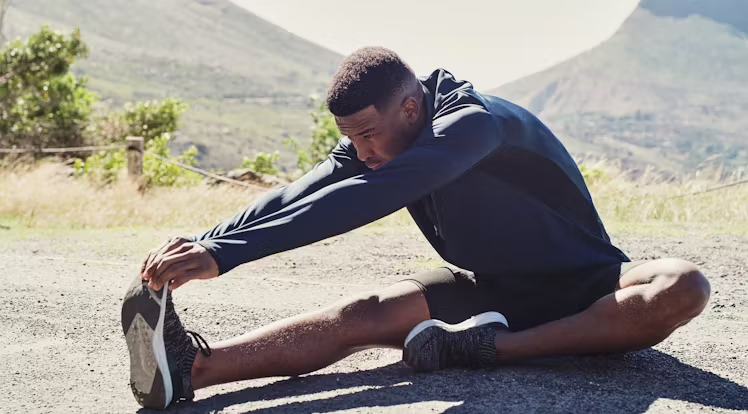
Think of your circulatory system as a vast highway network within your body, delivering essential nutrients and oxygen to every cell and whisking away waste products. Stretching plays a surprisingly significant role in keeping this highway running smoothly. When you stretch, especially when you lengthen a muscle, you temporarily restrict blood flow to that area, and then, as you release the stretch, there’s a surge of fresh, oxygenated blood rushing back in.
This rhythmic compression and release act like a gentle pump, improving overall circulation. Better blood flow means your muscles and tissues receive more of what they need to function optimally and recover faster. It also helps to prevent conditions like varicose veins and reduce swelling. This improved circulation isn’t just good for your muscles; it benefits your entire body, including your organs and skin. Better circulation can lead to warmer hands and feet, more vibrant skin, and a general feeling of vitality as your body’s cellular machinery operates more efficiently.
7. Reduce Stress and Promote Relaxation
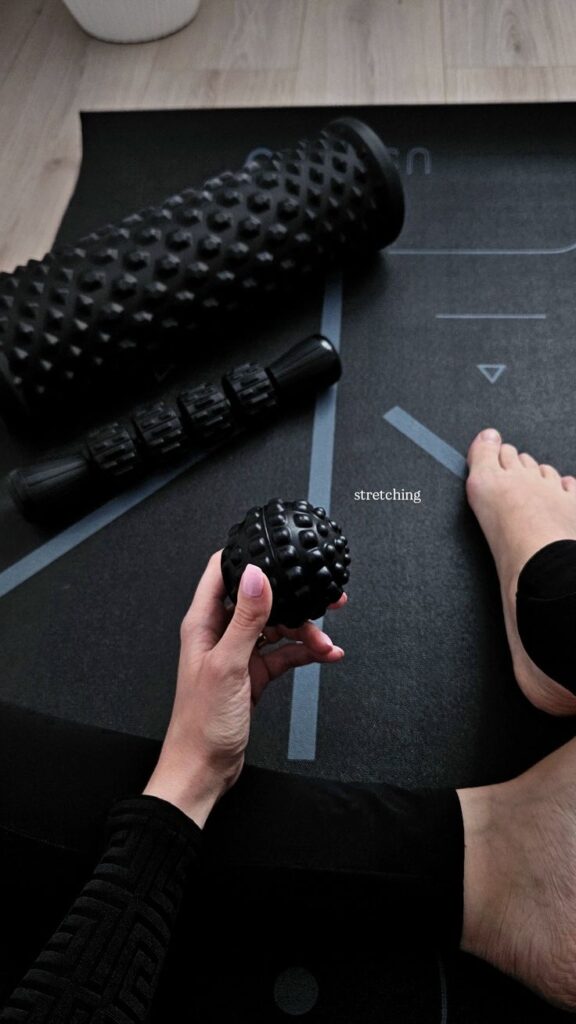
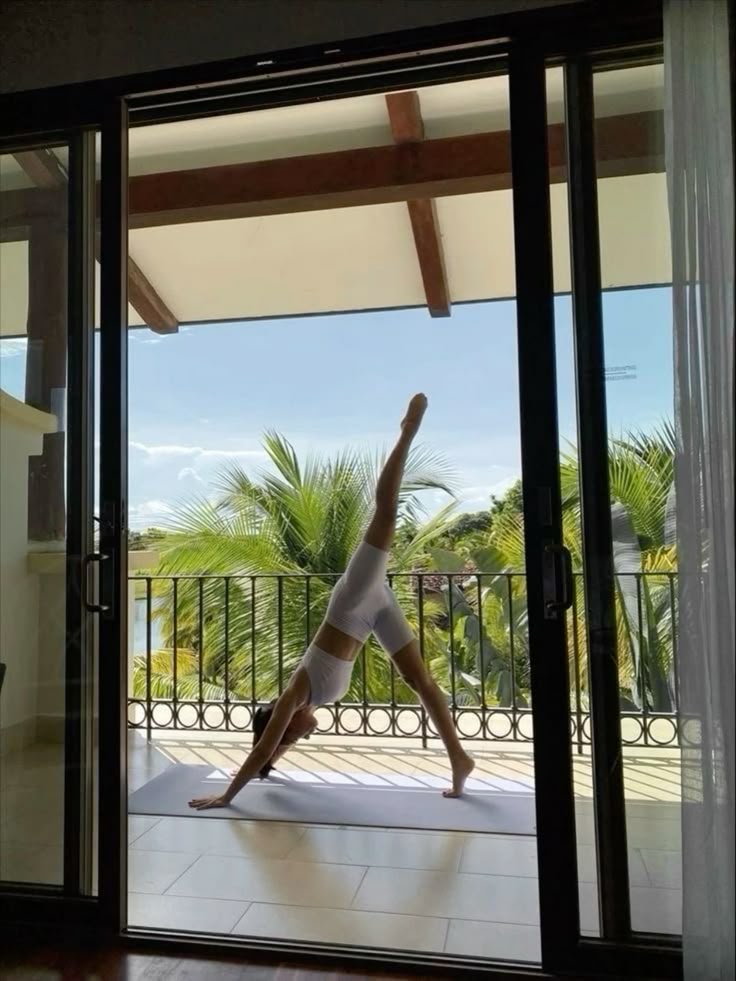
In our fast-paced lives, stress often feels like an unwelcome permanent resident. But here’s a secret: stretching is a phenomenal, accessible tool for melting away tension and promoting deep relaxation. When you’re stressed, your body often responds by tightening up, particularly in areas like your neck, shoulders, and jaw. This creates a vicious cycle where physical tension feeds mental stress, and vice versa.
Stretching offers a mindful break. As you focus on your breath and the sensations in your body during a stretch, you naturally shift your attention away from worries and anxieties. The physical act of lengthening tight muscles signals to your nervous system that it’s okay to relax. This can lower your heart rate, reduce blood pressure, and activate your parasympathetic nervous system – your “rest and digest” mode. Even just a few minutes of gentle stretching can release endorphins, your body’s natural feel-good chemicals, leaving you with a sense of calm and clarity. It’s a simple, free, and incredibly effective way to hit the reset button on your day and bring a sense of tranquility into your life.
8. Boost Your Energy Levels

Feeling sluggish, even when you’ve had enough sleep? Sometimes, what you need isn’t more caffeine, but more movement. Stretching can be an instant pick-me-up, revitalizing your body and mind in surprising ways. When your muscles are tight and stiff, your body has to work harder to move, leading to fatigue.
By increasing blood flow and reducing muscle tension, stretching helps your body use its energy more efficiently. The improved circulation ensures more oxygen and nutrients reach your muscles, giving them the fuel they need to perform. Furthermore, the act of stretching itself can be invigorating. It awakens your body, shakes off stiffness, and clears your head, much like a good yawn or a brisk walk. Incorporating a few stretches into your morning routine can help you feel more alert and ready to tackle the day. And if you hit that afternoon slump, a quick stretch break can re-energize you without the jitters of another cup of coffee. It’s a clean, natural energy boost that leaves you feeling refreshed, not wired.
9. Improve Coordination and Balance
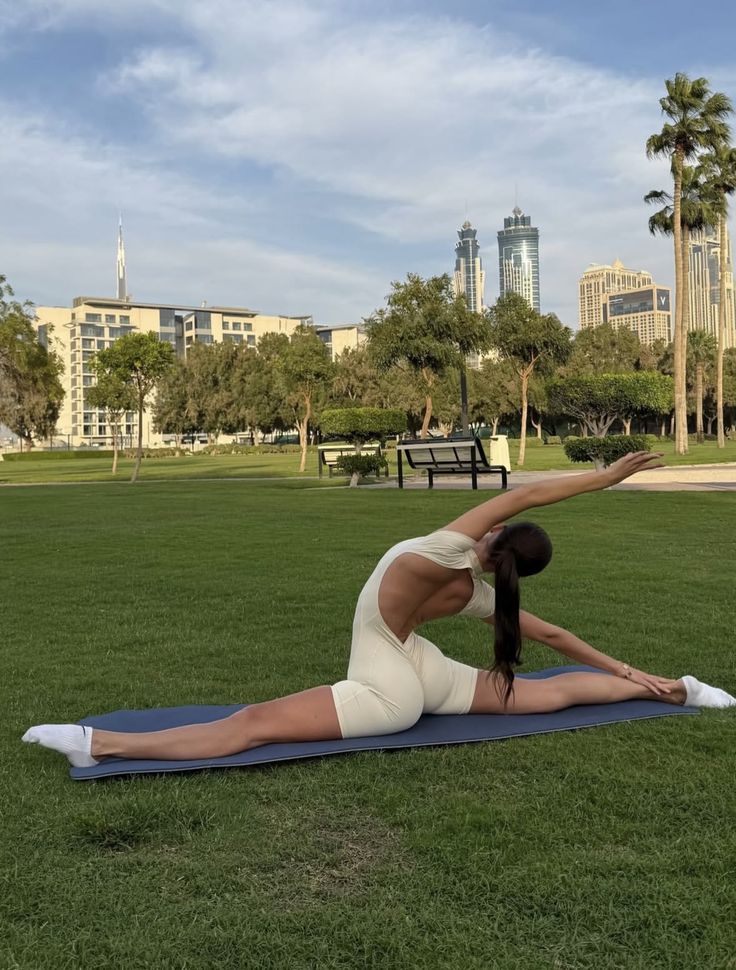

Balance and coordination are vital for everything from walking down the street without tripping to performing complex athletic maneuvers. As we age, these skills can naturally diminish, but consistent stretching can help maintain and even improve them. When your muscles are flexible and your joints have a full range of motion, your body has a greater capacity to adapt to different positions and movements.
Stretching enhances proprioception, which is your body’s awareness of its position in space. Think of it as your internal GPS. When your muscles are tight, this feedback system can become muddled. By making your muscles more supple and your joints more mobile, stretching improves the communication between your brain and your body. This clearer communication allows you to react more quickly, stabilize yourself more effectively, and move with greater precision and control. Better balance and coordination mean fewer falls, more confident movements, and the ability to engage in activities you love with greater confidence and skill.
10. Enhance Mental Clarity and Focus
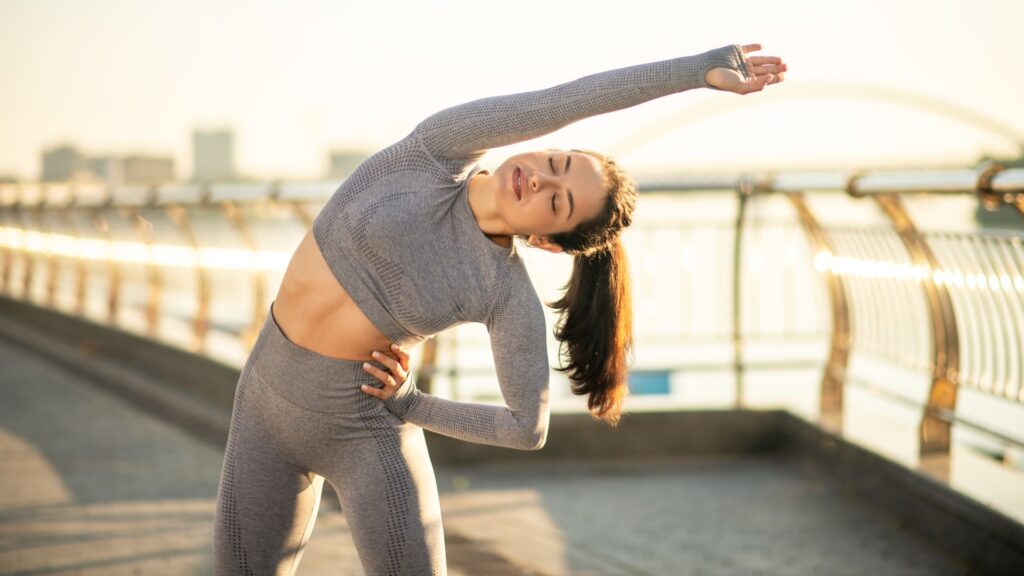
Beyond the physical benefits, stretching offers a remarkable advantage for your brainpower. When you engage in mindful stretching, you’re not just moving your body; you’re also tuning into your internal state. This practice of being present and focused on your breath and sensations can be incredibly beneficial for mental clarity and focus.
The deep breathing often associated with stretching helps to oxygenate your brain, which is crucial for optimal cognitive function. By reducing physical tension and stress (as discussed earlier), stretching creates a calmer mental landscape. When your mind isn’t burdened by stress hormones or distracted by physical discomfort, it’s freer to concentrate, solve problems, and think creatively. Many people find that a short stretching session can act as a mental palate cleanser, clearing away mental fog and allowing them to approach tasks with renewed focus and a sharper mind. It’s like decluttering your physical space, but for your brain, making room for clearer thoughts and improved concentration.
Frequently Asked Questions
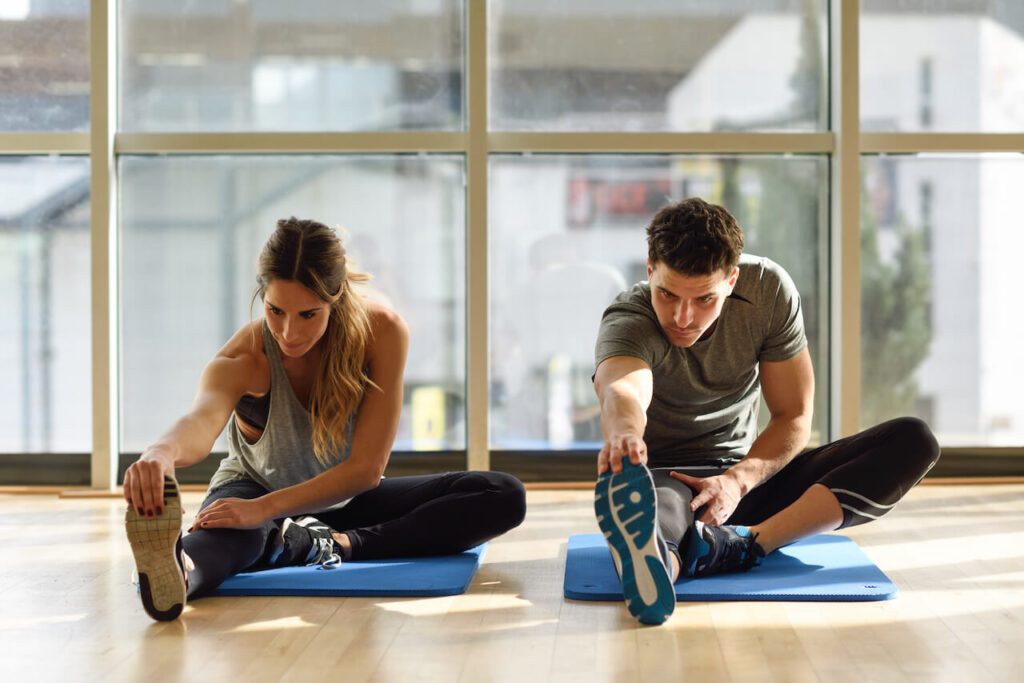
What is the best time of day to stretch?
There’s no single “best” time; it depends on your goals! Dynamic stretching (with movement) is great before a workout to warm up muscles. Static stretching (holding positions) is ideal after a workout or later in the day when your muscles are already warm to improve flexibility and aid relaxation. Many find morning stretches helpful to wake up or evening stretches beneficial for winding down.
How long should I hold a stretch?
For static stretches aimed at increasing flexibility, most experts recommend holding each stretch for 20-30 seconds. For older adults or those with less flexibility, holding for up to 60 seconds may be more beneficial. Avoid bouncing, as this can activate the stretch reflex and potentially cause injury.
Should stretching be painful?
Absolutely not! Stretching should feel like a gentle pull or tension, not pain. If you feel sharp pain, it means you’re pushing too hard and should ease back immediately. Listen to your body and work within your comfortable range of motion. Overstretching can lead to muscle tears or strains.
Can I stretch if I’m injured?
It depends on the injury. If you have an acute injury (like a fresh sprain or strain), stretching the affected area might worsen it. It’s always best to consult a doctor or physical therapist before stretching an injured area. They can guide you on safe and appropriate movements for recovery.
How often should I stretch to see results?
Consistency is key! To genuinely improve flexibility and reap the full range of benefits, aim to stretch at least 3-5 times a week, if not daily. Even short, consistent stretching sessions (10-15 minutes) are more effective than infrequent, long ones.
Is stretching only for athletes?
Definitely not! While athletes benefit greatly, stretching is for everyone. From desk workers to seniors, parents to students, regular stretching can improve daily comfort, prevent pain, boost energy, and enhance overall quality of life, regardless of your activity level.
What’s the difference between static and dynamic stretching?
Static stretching involves holding a stretch in a fixed position for a period (e.g., touching your toes and holding). Dynamic stretching involves moving your body through a range of motion (e.g., arm circles, leg swings). Dynamic stretches are generally better for warming up, while static stretches are better for increasing flexibility after activity.
So there you have it – ten incredibly compelling reasons to make stretching a non-negotiable part of your routine. From unlocking greater flexibility and easing those persistent aches to boosting your mood and sharpening your focus, the 10 benefits of stretching offer a holistic pathway to a happier, healthier you. It’s more than just a physical act; it’s an investment in your well-being, a moment of self-care that pays dividends throughout your day, every day. Start small, be consistent, and listen to your body. You’ll be amazed at how quickly this simple practice transforms your life. Why wait? Roll out that mat, find a comfortable space, and start stretching your way to a more vibrant existence today!