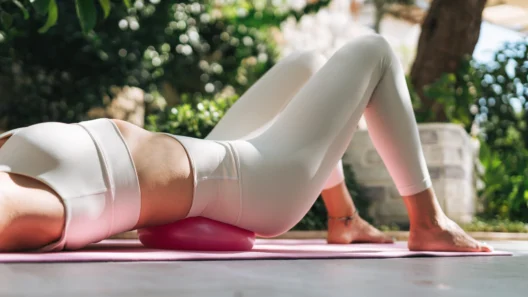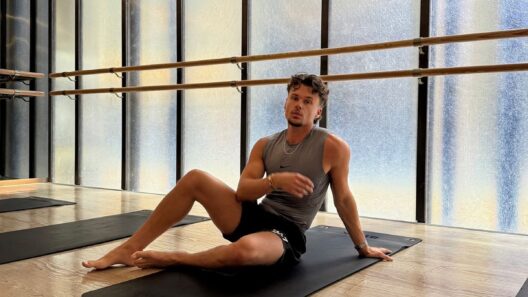





That nagging ache in your lower back? You’re definitely not alone. It’s estimated that up to 80% of people will experience lower back pain at some point in their lives. Whether it’s a dull throb, a sharp pang, or a constant stiffness, lower back pain can throw a serious wrench in your daily plans, making everything from tying your shoes to enjoying a walk feel like a monumental task. The good news? You don’t have to live with it. One of the most effective, accessible, and often overlooked strategies for finding relief and preventing future discomfort is stretching for lower back pain.
Think of your lower back as the central command center for your body’s movement. When it’s tight, weak, or out of alignment, the ripple effect can be felt everywhere. Often, the pain isn’t just about your back itself; it’s about the interconnected muscles and joints – your hips, hamstrings, glutes, and core – that all play a role in supporting your spine. Ignoring these connections is like trying to fix a flat tire by only looking at the air valve. You need a holistic approach. That’s where a smart, consistent stretching routine comes into play. It’s not just about temporary relief; it’s about restoring balance, improving flexibility, and building resilience so you can move through life with greater ease and comfort. This guide is your casual, friendly roadmap to understanding why your back hurts, how stretching can be your secret weapon, and which stretches will give you the most bang for your buck. Get ready to feel better, faster!
Understanding Your Back: A Quick Anatomy Lesson
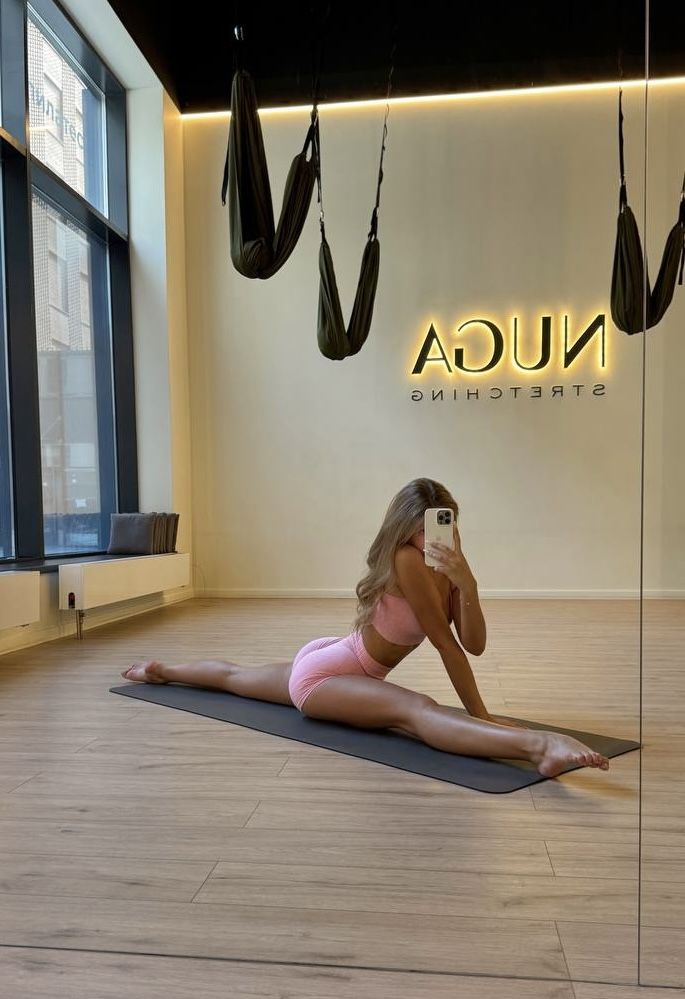
Before we dive into specific stretches, let’s get a basic understanding of what’s going on back there. Don’t worry, we’re not going for a medical degree, just enough to appreciate why these stretches work.
Your lower back, medically known as the lumbar spine, is a marvel of engineering. It consists of five large vertebrae (L1-L5) stacked on top of each other. Between each vertebra are soft, jelly-like discs that act as shock absorbers, protecting your bones from impact. Around these bones and discs is a complex network of muscles, ligaments, and tendons that provide stability and allow for movement. Crucially, major nerves branch out from your spinal cord in this region, extending down into your legs.
Why Your Back Might Be Complaining
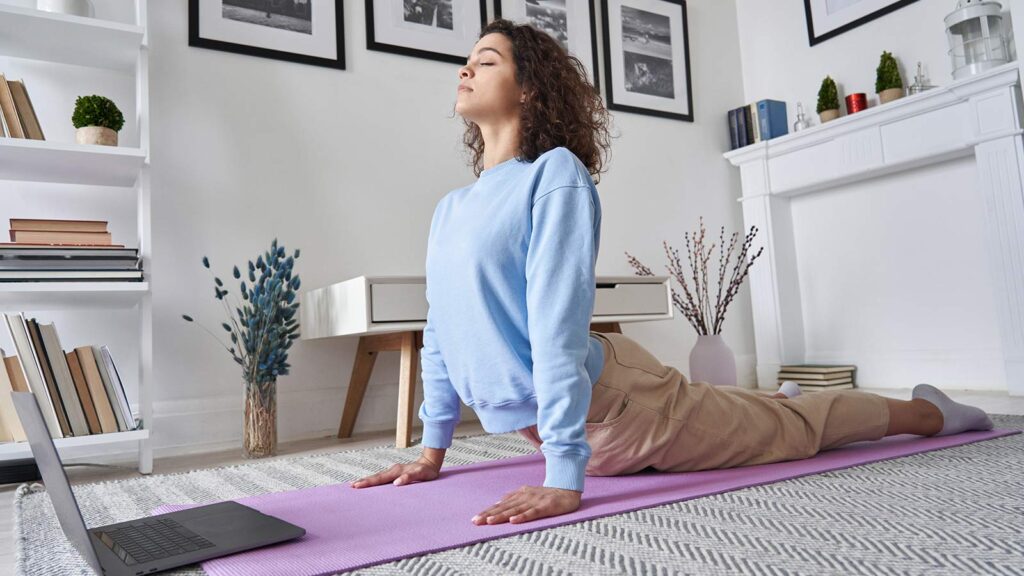
So, what makes this incredible system decide to send you pain signals? It’s often a combination of factors:
- Sedentary Lifestyle: Sitting for prolonged periods shortens hip flexors, weakens glutes, and puts constant pressure on your lumbar discs. This imbalance is a huge culprit for modern back pain.
- Poor Posture: Slouching, hunching, or uneven weight distribution (e.g., always carrying a bag on one shoulder) can misalign your spine and strain supporting muscles.
- Muscle Imbalances: When some muscles are too tight (like hamstrings or hip flexors) and others are too weak (like glutes or core), it pulls your spine out of its natural alignment, leading to strain.
- Overuse or Injury: Lifting heavy objects improperly, sudden twisting movements, or repetitive actions can strain muscles, sprain ligaments, or even herniate a disc.
- Stress: Believe it or not, emotional stress often manifests as physical tension, especially in the neck and lower back muscles. Your body literally tenses up.
- Lack of Flexibility: Stiff muscles (especially in the hips, hamstrings, and lower back itself) limit your range of motion, forcing your spine to compensate in unhealthy ways.
Understanding these underlying causes helps us see why stretching isn’t just a temporary fix but a vital component of long-term back health. It targets the very issues that often lead to discomfort in the first place.
Why Stretching Is Your Lower Back’s Best Friend
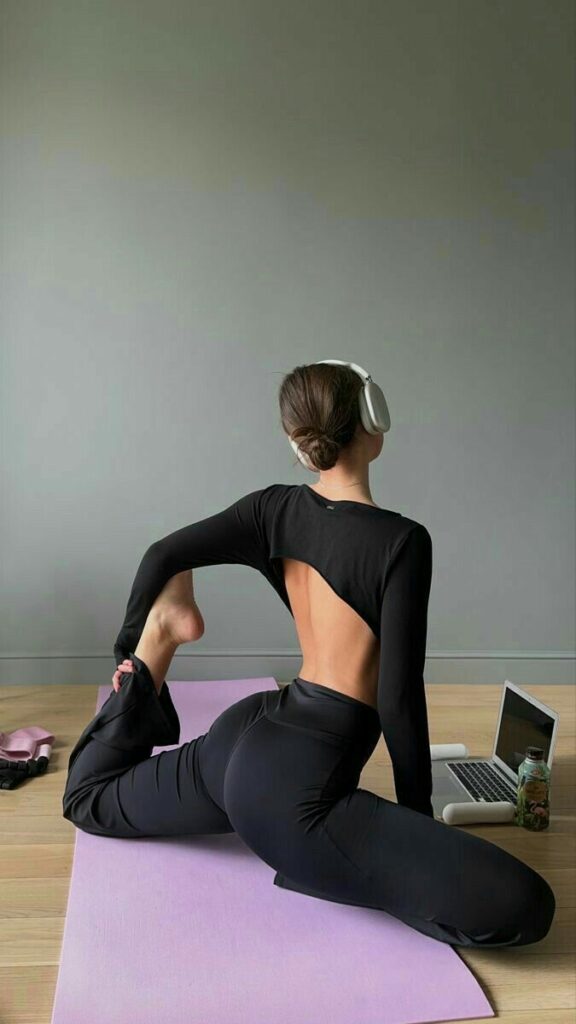
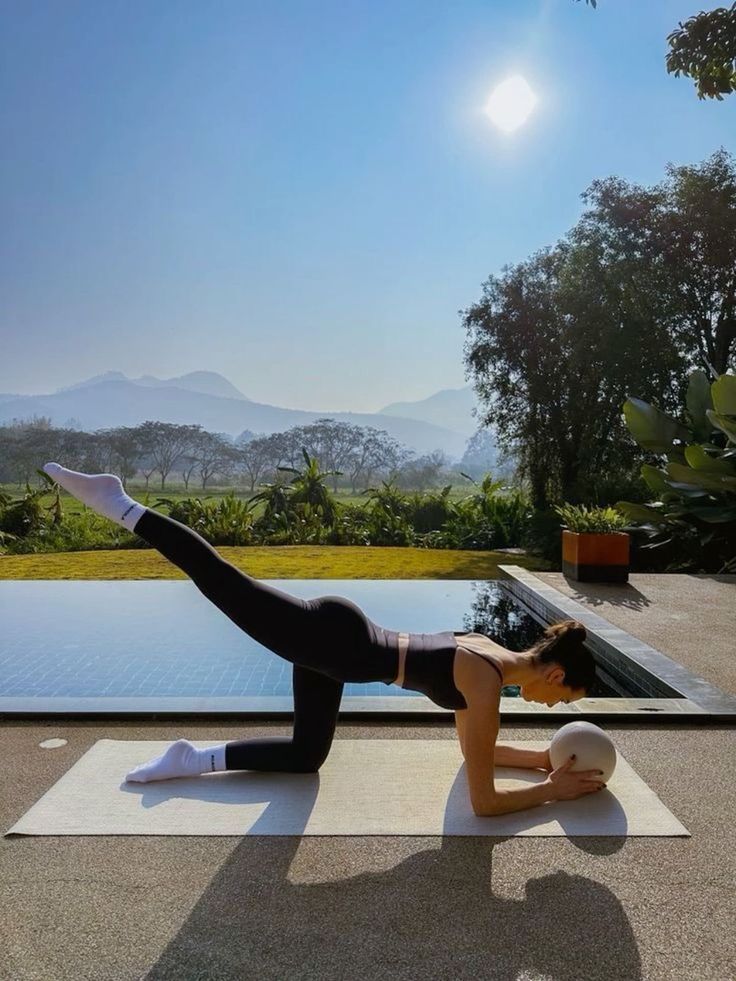
Now that you know a bit about your back and why it might be protesting, let’s talk about the superhero cape of back care: stretching. It’s more than just “loosening up”; it’s a strategic intervention with a host of benefits that directly combat the root causes of lower back pain.
The Power-Up Benefits of a Good Stretch:
- Increased Flexibility and Range of Motion: This is the most obvious benefit. Stretching lengthens tight muscles and increases the mobility of your joints. When your hips, hamstrings, and lower back muscles are supple, your spine can move more freely and efficiently, reducing strain. Imagine trying to bend over with stiff wires instead of elastic bands – that’s what tight muscles feel like to your spine!
- Reduced Muscle Tension and Spasms: Often, lower back pain comes from muscles that are constantly contracted. Stretching gently encourages these muscles to relax and release their grip. This not only alleviates immediate pain but also helps break the cycle of tension that can lead to spasms.
- Improved Circulation: Stretching increases blood flow to the muscles and surrounding tissues. This surge of oxygen and nutrients helps repair damaged tissues and flush out metabolic waste products that can contribute to soreness and stiffness. Better circulation also means your discs, which don’t have their own blood supply, receive nutrients more effectively.
- Better Posture: When your muscles are balanced – neither too tight nor too weak – they can properly support your spine in its natural, healthy alignment. Stretching helps correct postural imbalances by lengthening muscles that pull your body out of whack (like tight hip flexors that cause an anterior pelvic tilt, leading to an exaggerated arch in your lower back).
- Stress Reduction: The mind-body connection is real. When you’re stressed, your muscles often unconsciously tense up. Taking time to stretch mindfully can be incredibly relaxing, signaling to your nervous system that it’s okay to unwind. This can reduce both physical tension and mental anxiety.
- Enhanced Pain Relief: By addressing muscle tightness, improving flexibility, and promoting relaxation, stretching directly contributes to alleviating the discomfort associated with lower back pain. It helps decompress the spine, ease pressure on nerves, and restore a sense of ease.
- Prevention is Better Than Cure: Regularly stretching isn’t just for when you’re in pain. It’s a proactive measure that can prevent future episodes by maintaining muscle balance, flexibility, and good posture. It builds a more resilient back, ready to handle the demands of daily life.
So, while it might seem like a simple act, stretching is a powerful, multi-faceted tool in your arsenal against lower back pain. But like any powerful tool, it needs to be used correctly and safely.
Before You Start: Safety First!

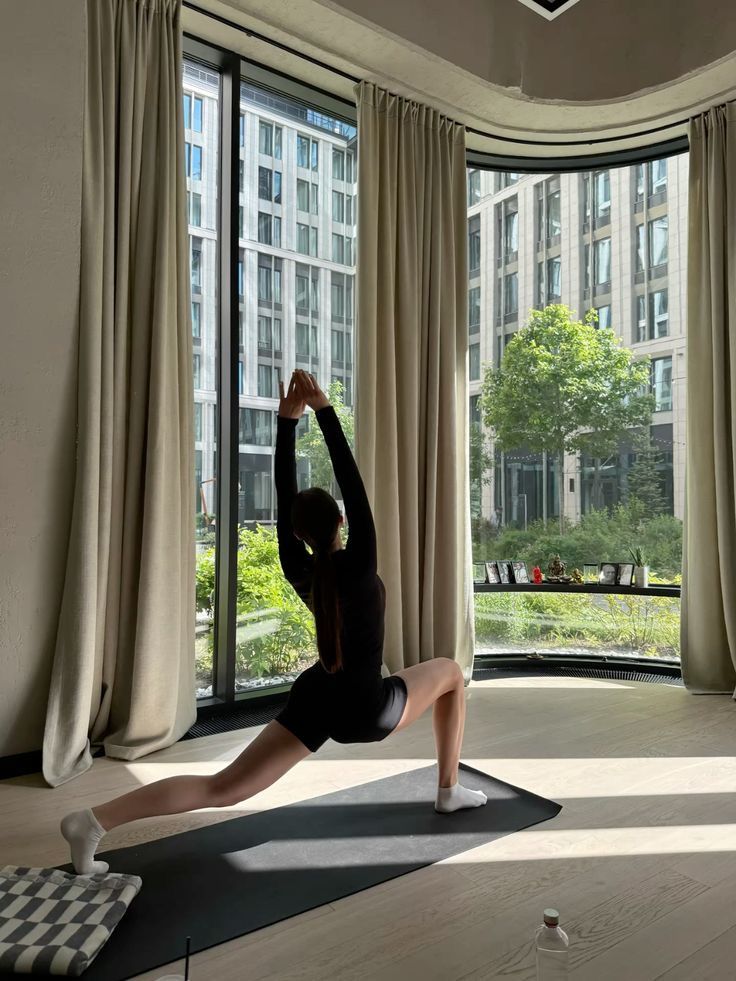
Before you roll out that mat and get stretching, a few important ground rules will ensure you’re doing yourself good, not harm. Think of these as your personal safety checklist.
Always Keep These in Mind:
- Consult a Doctor, Especially for Severe or Chronic Pain: If you have severe, sharp, or radiating pain (especially down your legs), numbness, tingling, or if your pain is persistent and doesn’t improve, it’s crucial to see a healthcare professional first. They can diagnose the underlying issue and advise if stretching is appropriate for your specific condition. This guide offers general advice and is not a substitute for medical consultation.
- Listen to Your Body (Seriously!): This is perhaps the most important rule. Stretching should feel like a gentle pull, not sharp pain. If you feel any sudden, intense, or shooting pain, stop immediately. Pushing through pain can worsen your condition. There’s a difference between a deep stretch and hurting yourself.
- Warm-Up Lightly: Don’t go into deep stretches with cold muscles. A few minutes of light cardio – like walking in place, gentle arm circles, or marching – can get your blood flowing and prepare your muscles. Even gentle pelvic tilts or cat-cow stretches (described below) can serve as a warm-up.
- Proper Form Over Depth: It’s not a competition. The goal is to stretch the intended muscles safely and effectively, not to touch your toes if your body isn’t ready. Focus on correct technique, even if it means you can’t stretch as far as you’d like initially. Your flexibility will improve over time.
- Breathe Deeply: Your breath is your friend. Inhale before the stretch, and as you exhale, gently deepen into the stretch. Holding your breath tenses your body, counteracting the relaxation you’re trying to achieve. Deep, slow breaths also help relax your nervous system.
- Be Consistent, Be Patient: You won’t fix years of stiffness in one session. Aim for short, regular stretching sessions (e.g., 10-15 minutes, 3-5 times a week) rather than one long, intense session sporadically. Patience is key; progress comes with consistency.
- Hold, Don’t Bounce: For most pain-relief stretching, static stretches (holding a position) are preferred. Hold each stretch for 20-30 seconds. Bouncing or “ballistic” stretching can actually trigger your muscles to contract in self-defense, potentially causing injury.
By following these guidelines, you can ensure your stretching journey is safe, effective, and truly beneficial for your lower back. Ready to move on to the actual stretches? Let’s do it!
Your Go-To Stretching Routine for Lower Back Pain
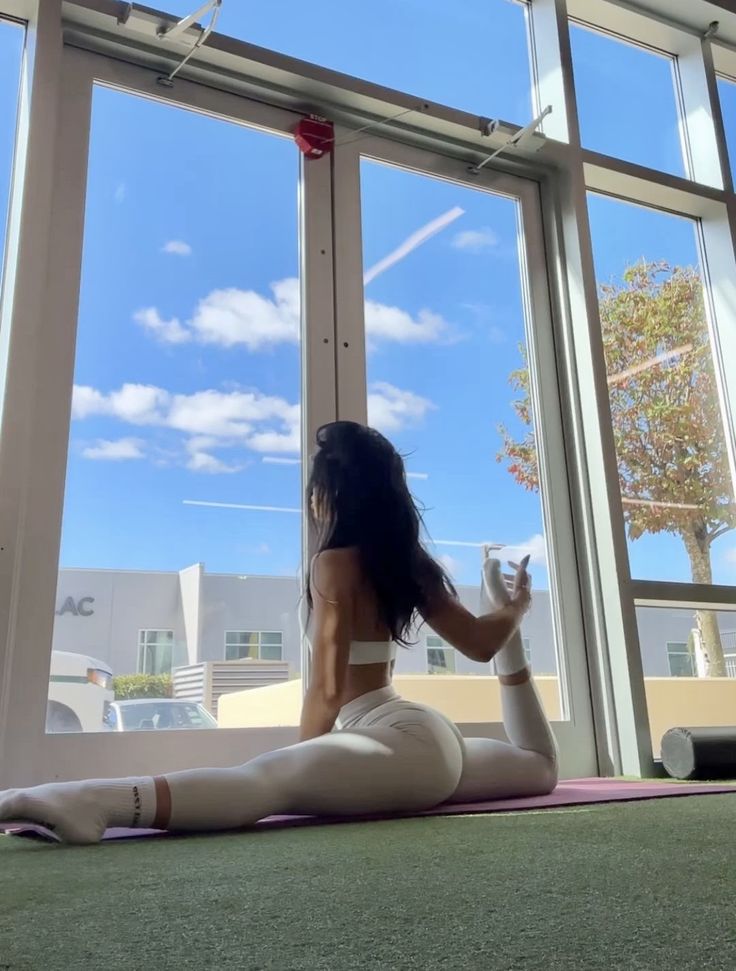
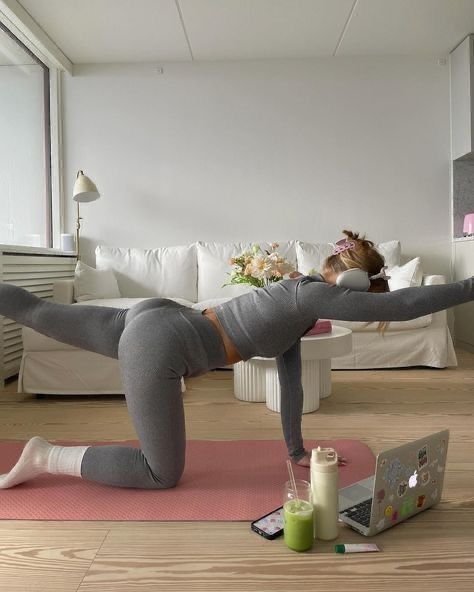
Alright, it’s time to get practical. Here’s a curated selection of stretches specifically chosen for their effectiveness in targeting common areas of tightness that contribute to lower back pain. Remember the safety rules from the previous section!
Gentle Warm-Up Stretches
Always start here to gently prepare your back and surrounding muscles.
Pelvic Tilts
- How to do it: Lie on your back with your knees bent and feet flat on the floor, about hip-width apart. Keep your spine in a neutral position (a small gap between your lower back and the floor).
- Step 1: Inhale, then as you exhale, gently press your lower back into the floor, tilting your pelvis up slightly as if you’re flattening your spine. You should feel your abdominal muscles engage.
- Step 2: Inhale and slowly release back to the neutral position, allowing a gentle arch in your lower back.
- Muscles Targeted: Lower abdominal muscles, lower back extensors.
- Tips: Focus on controlled, gentle movement. It’s a small movement.
- Repetitions: 8-12 slow repetitions.
Cat-Cow Stretch
- How to do it: Start on your hands and knees, with your wrists directly under your shoulders and knees under your hips. Your back should be flat.
- Step 1 (Cow Pose): Inhale, drop your belly towards the floor, lift your chest and tailbone towards the ceiling, and gently look up.
- Step 2 (Cat Pose): Exhale, round your spine towards the ceiling, tuck your chin to your chest, and pull your navel towards your spine.
- Muscles Targeted: Entire spine, back extensors, abdominals.
- Tips: Move fluidly between the two poses, coordinating with your breath.
- Repetitions: 8-10 slow repetitions.
Targeting the Lumbar Spine & Hips
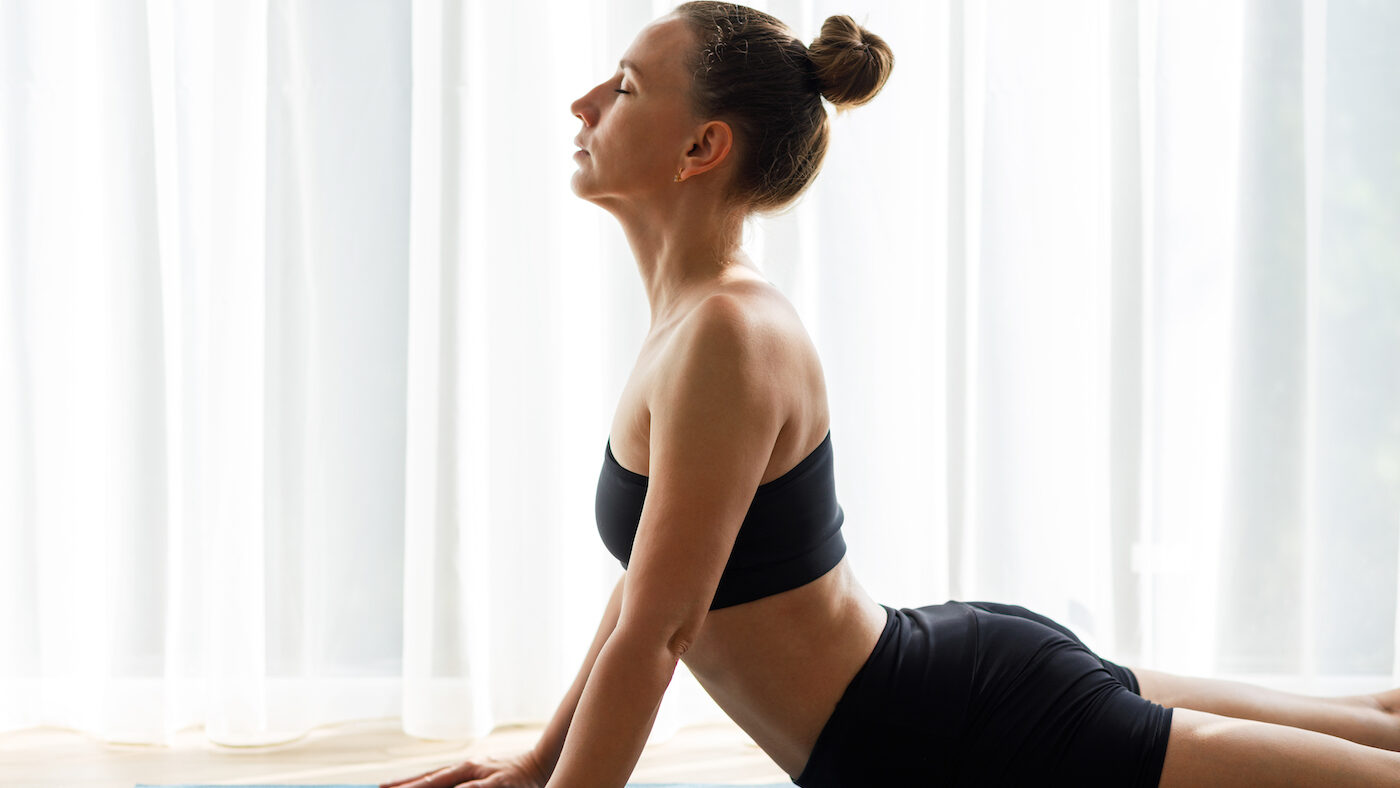
These stretches directly address tightness in the lower back itself and the often-overlooked hip region.
Knee-to-Chest Stretch (Single and Double)
- How to do it: Lie on your back with your knees bent and feet flat on the floor.
- Single Knee-to-Chest:
- Step 1: Gently bring one knee towards your chest, grasping it with both hands.
- Step 2: Hold the stretch, keeping your other foot flat on the floor (or straight if comfortable).
- Double Knee-to-Chest:
- Step 1: Bring both knees towards your chest, grasping them with your hands.
- Step 2: Gently hug your knees towards your chest, feeling a stretch in your lower back.
- Single Knee-to-Chest:
- Muscles Targeted: Lower back, glutes.
- Tips: Keep your head and shoulders relaxed on the floor. Don’t pull too forcefully.
- Hold Time: 20-30 seconds per side (for single), 20-30 seconds (for double).
Figure-Four Stretch / Piriformis Stretch
- How to do it: Lie on your back with your knees bent and feet flat on the floor.
- Step 1: Cross one ankle over the opposite knee, forming a “figure four” shape.
- Step 2: Gently thread your hands behind the thigh of the leg with the foot on the floor.
- Step 3: Pull that thigh towards your chest, deepening the stretch in the glute and hip of the crossed leg.
- Muscles Targeted: Piriformis, glutes, outer hip. This is excellent for sciatic-like pain often caused by a tight piriformis muscle.
- Tips: Keep your back flat on the floor. If this is too intense, you can use a strap around the thigh instead of your hands.
- Hold Time: 20-30 seconds per side.
Supine Spinal Twist
- How to do it: Lie on your back with both knees bent and feet flat on the floor. Extend your arms out to the sides in a “T” shape, palms facing up.
- Step 1: Gently let both knees fall to one side, keeping your shoulders as close to the floor as possible.
- Step 2: Turn your head to look in the opposite direction of your knees.
- Muscles Targeted: Lower back, obliques, hips, glutes.
- Tips: Don’t force your knees all the way down if your shoulders lift significantly. Let gravity do the work.
- Hold Time: 20-30 seconds per side.
Opening the Hips & Hip Flexors
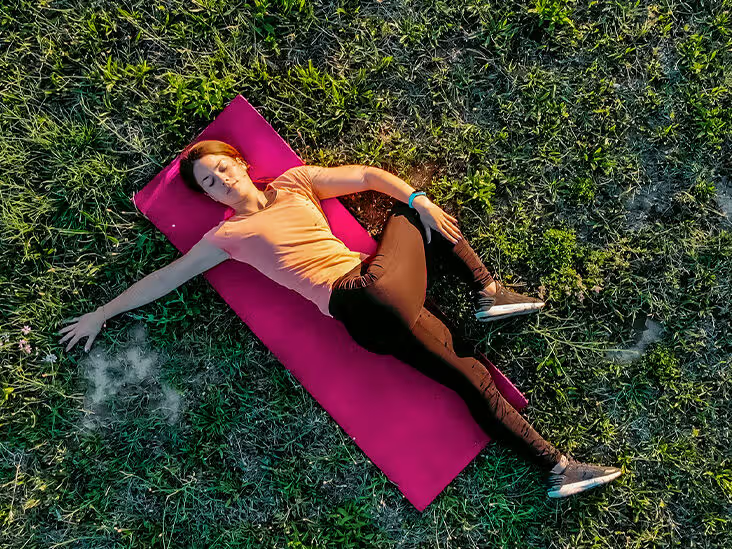
Tight hip flexors are a major contributor to lower back pain, pulling your pelvis forward and increasing the arch in your lower back.
Kneeling Hip Flexor Stretch (Lunge Stretch)
- How to do it: Kneel on your right knee (you might want a cushion under it) with your left foot flat on the floor in front of you, creating a 90-degree angle at your left knee.
- Step 1: Keep your torso upright and your core gently engaged.
- Step 2: Gently push your hips forward until you feel a stretch in the front of your right hip and thigh. Ensure your front knee doesn’t go past your ankle.
- Muscles Targeted: Hip flexors (psoas, iliacus).
- Tips: Don’t arch your lower back. Keep your pelvis neutral or slightly tucked.
- Hold Time: 20-30 seconds per side.
Butterfly Stretch (Bound Angle Pose)
- How to do it: Sit on the floor with the soles of your feet together, knees bent out to the sides.
- Step 1: Hold onto your feet or ankles.
- Step 2: Gently let your knees fall towards the floor, feeling the stretch in your inner thighs and hips. You can lean forward slightly from your hips for a deeper stretch, keeping your back relatively straight.
- Muscles Targeted: Inner thighs (adductors), hips.
- Tips: Don’t force your knees down. You can place cushions under your knees if they are far off the floor.
- Hold Time: 30-45 seconds.
Hamstring & Glute Relief
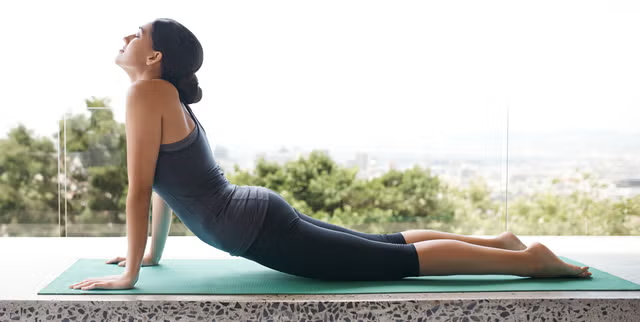
Tight hamstrings pull on your pelvis, contributing to lower back strain. Strong, flexible glutes support your back.
Gentle Standing Hamstring Stretch
- How to do it: Stand tall with your feet hip-width apart.
- Step 1: Place one heel slightly forward, keeping that leg straight but not locked.
- Step 2: Hinge forward at your hips, keeping your back straight (don’t round your spine!), until you feel a gentle stretch in the back of your thigh. You can rest your hands on your bent front knee or a chair for support.
- Muscles Targeted: Hamstrings.
- Tips: Focus on hinging from the hips, not bending your waist. Keep your core gently engaged.
- Hold Time: 20-30 seconds per side.
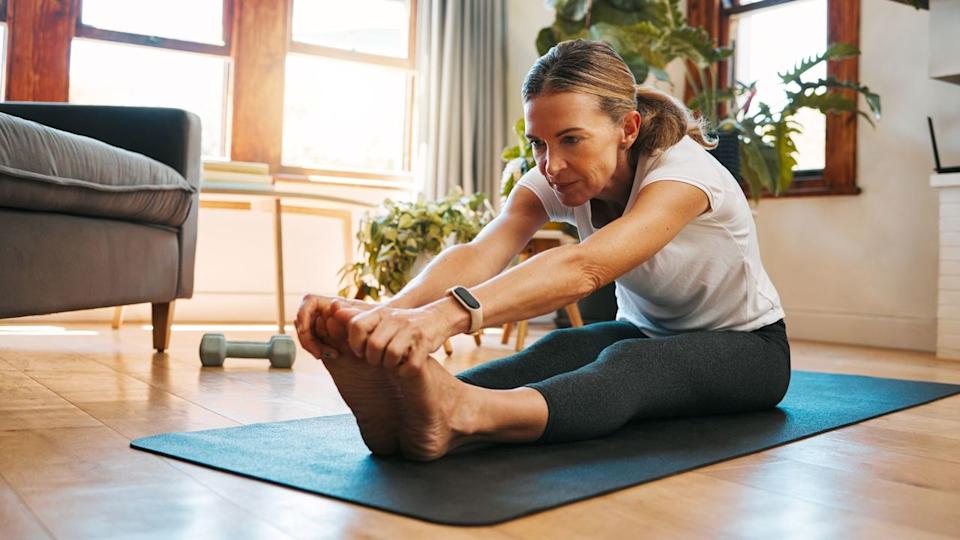
Seated Forward Fold (Gentle Version)
- How to do it: Sit on the floor with your legs extended straight in front of you. You can place a rolled towel under your sit bones to tilt your pelvis forward slightly.
- Step 1: Keep a slight bend in your knees.
- Step 2: Inhale, lengthen your spine, and then exhale as you gently hinge forward from your hips (not your waist). Reach for your shins, ankles, or feet, going only as far as you can while keeping your back relatively straight.
- Muscles Targeted: Hamstrings, lower back.
- Tips: Avoid rounding your back excessively. The goal is a gentle stretch, not extreme flexibility.
- Hold Time: 30-45 seconds.
Glute Bridge (for activation/strength, also helps mobility)
While primarily a strengthening exercise, the glute bridge helps activate and strengthen the glutes, which are often weak in people with back pain. Strong glutes take pressure off the lower back.
- How to do it: Lie on your back with your knees bent, feet flat on the floor hip-width apart, and arms by your sides.
- Step 1: Engage your core and glutes.
- Step 2: Press through your heels to lift your hips off the floor until your body forms a straight line from your shoulders to your knees.
- Step 3: Hold briefly at the top, squeezing your glutes, then slowly lower your hips back down.
- Muscles Targeted: Glutes, hamstrings, core.
- Tips: Don’t arch your lower back excessively at the top. Focus on squeezing your glutes.
- Repetitions: 10-15 repetitions.
Core Engagement & Stability

A strong, stable core is the foundation of a healthy back. These aren’t traditional “stretches” but are crucial for long-term back health once acute pain has subsided.
Bird-Dog
- How to do it: Start on your hands and knees, wrists under shoulders, knees under hips. Keep your back flat and core engaged.
- Step 1: As you exhale, slowly extend your right arm straight forward and your left leg straight back, keeping your core stable and hips level.
- Step 2: Hold briefly, then inhale as you slowly return to the starting position.
- Step 3: Repeat on the other side (left arm, right leg).
- Muscles Targeted: Core, lower back stabilizers, glutes.
- Tips: Focus on controlled movement and maintaining a flat back. Avoid arching or rotating your lower back.
- Repetitions: 8-10 repetitions per side.
Modified Plank
- How to do it: Start on your hands and knees. Walk your hands forward slightly, then lower onto your forearms, keeping your elbows under your shoulders.
- Step 1: Extend your legs back, keeping your body in a straight line from head to heels. For a modified version (easier on the back), you can rest on your knees, ensuring your body forms a straight line from head to knees.
- Step 2: Engage your core, glutes, and quadriceps. Avoid letting your hips sag or hike up too high.
- Muscles Targeted: Entire core (abdominals, obliques, lower back), shoulders, glutes.
- Tips: Keep your neck in line with your spine. Breathe deeply.
- Hold Time: Start with 20-30 seconds, building up as you get stronger.
Remember, the goal is not to perform all of these every day, especially if you’re just starting. Pick 3-5 that feel most relevant and beneficial for your body, and slowly incorporate more as you build strength and flexibility. Consistency and listening to your body are paramount.
Consistency is Key: Making Stretching a Habit
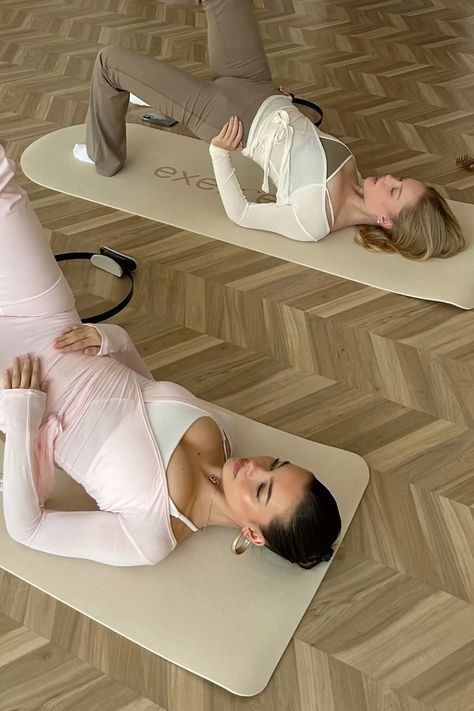

You know the stretches, you understand the why, and you’ve got the safety rules down. But even the best intentions can fizzle out without a solid plan. The truth about stretching for lower back pain, or any fitness goal, is that consistency trumps intensity. A few minutes every day or most days will yield far better results than an hour-long session once a month.
So, how do you make stretching a non-negotiable part of your routine?
- Schedule It Like an Appointment: Don’t just hope you’ll get around to it. Block out 10-15 minutes in your calendar. Treat it with the same importance as a work meeting or a doctor’s visit. Early morning, before bed, or a mid-day break are popular choices. Experiment to find what works for you.
- Start Small, Build Up: If 15 minutes feels daunting, start with 5-7 minutes. Even a couple of well-chosen stretches consistently performed are better than nothing. As you feel the benefits, you’ll naturally want to increase the duration.
- Tie it to an Existing Habit: This is a powerful behavioral trick. Do you always have coffee in the morning? Do a few stretches while the coffee brews. Always watch the news? Stretch during commercial breaks. Connecting stretching to something you already do makes it feel less like a chore.
- Create a Dedicated Space: You don’t need a fancy yoga studio. Just a corner of a room where you can comfortably lay down a mat or towel. Having a designated spot can psychologically prime you for your session.
- Set Realistic Goals: Don’t expect to be able to do the splits in a week. Your goal should be feeling better, moving more freely, and reducing pain. Celebrate small victories, like being able to reach a little further or having less stiffness in the morning.
- Find an Accountability Partner (Optional but Powerful): If you have a friend or family member also looking to improve their back health, agree to check in with each other. A little friendly encouragement can go a long way.
- Track Your Progress (Even Mentally): Notice how you feel before and after stretching. Keep a simple journal or just make a mental note. “My back feels less stiff today after my stretches” is a powerful motivator to keep going.
- Make it Enjoyable: Put on some calming music. Use aromatherapy. Focus on your breath and turn it into a mindful moment rather than just a physical task. The more you enjoy it, the more likely you are to stick with it.
Remember, your body is incredibly adaptable. With consistent, gentle effort, you can significantly improve your flexibility, reduce your lower back pain, and reclaim your comfort and mobility. Don’t underestimate the power of showing up for yourself, even for just a few minutes a day. Your back will thank you!
Conclusion
Lower back pain can feel like a relentless burden, dictating how you move, sleep, and experience life. But it doesn’t have to be a life sentence. As we’ve explored, understanding the basics of your back, embracing targeted stretching, and making smart lifestyle adjustments can be your roadmap to lasting relief and a more comfortable future.
Stretching is far more than just “loosening up”; it’s a proactive strategy to reduce muscle tension, enhance flexibility, improve posture, and alleviate the very pain that holds you back. From gentle warm-ups like pelvic tilts to specific stretches that target tight hips, hamstrings, and the piriformis muscle, you now have a comprehensive toolkit at your disposal. Remember to always prioritize safety by listening to your body, never pushing into sharp pain, and warming up properly.
Beyond the mat, integrate mindful movement, ergonomic adjustments, regular activity, and stress management into your daily routine. These holistic changes amplify the benefits of stretching, creating a robust defense against future discomfort. Finally, the key to unlocking these benefits lies in consistency. Make stretching a regular, non-negotiable part of your self-care, even if it’s just for a few minutes each day.
Your lower back isn’t meant to be a source of constant pain; it’s designed for strength, flexibility, and support. By committing to this gentle yet powerful routine, you’re not just managing pain; you’re investing in a happier, more mobile, and more resilient you. So, roll out that mat, take a deep breath, and start your journey towards a back that feels better, faster. You deserve to move freely and live comfortably!
Frequently Asked Questions

What causes lower back pain?
Lower back pain is often caused by a combination of factors including a sedentary lifestyle, poor posture, muscle imbalances (e.g., tight hamstrings or hip flexors, weak glutes or core), overuse or injury, and even stress. It can also stem from issues with the spinal discs or nerves.
How does stretching help with lower back pain?
Stretching helps by increasing flexibility, reducing muscle tension and spasms, improving circulation to muscles and discs, correcting postural imbalances, and reducing overall stress. These actions work together to alleviate pressure on the spine and nerves, leading to pain relief and improved mobility.
How often should I stretch for lower back pain?
For best results, aim for consistency. Short, regular stretching sessions (e.g., 10-15 minutes, 3-5 times a week) are generally more effective than sporadic, intense sessions. Listen to your body and adjust as needed, especially if you’re experiencing acute pain.
What are the most important stretches for lower back pain?
Key stretches often include the Knee-to-Chest stretch, Figure-Four/Piriformis stretch, Supine Spinal Twist, Kneeling Hip Flexor stretch, and gentle hamstring stretches. Incorporating core-strengthening exercises like Pelvic Tilts, Cat-Cow, and Bird-Dog (once acute pain subsides) is also crucial for long-term back health.
Should I stretch if my back pain is severe?
If you have severe, sharp, radiating pain, numbness, tingling, or if your pain is persistent, it’s crucial to consult a healthcare professional before starting any stretching routine. They can diagnose the underlying cause and advise on safe and appropriate exercises for your specific condition. Never push through sharp pain.
Can stretching make lower back pain worse?
Yes, if done incorrectly or too forcefully, stretching can potentially worsen lower back pain. Always listen to your body, avoid any stretches that cause sharp or shooting pain, and focus on gentle movements. It’s important to warm up lightly before stretching and maintain proper form.
Besides stretching, what else can I do for lower back pain?
Beyond stretching, lifestyle adjustments are vital. These include improving ergonomics at your workspace, practicing mindful movement (e.g., lifting with your legs), staying active with low-impact exercises (walking, swimming), maintaining a healthy weight, hydrating well, and managing stress effectively.