




Winter sports, from the explosive power of alpine skiing to the relentless endurance of cross-country racing, demand a highly specialized nutritional strategy. The cold environment, high altitudes, and sheer energy expenditure create unique physiological challenges that can drastically impact performance, recovery, and overall health. To excel on the snow or ice, you must move beyond general sports nutrition principles and adopt a regimen specifically engineered for the winter athlete.
This comprehensive, SEO-optimized guide is your blueprint for mastering winter sports nutrition. We will delve into the critical macronutrient ratios, hydration strategies, vital micronutrients, and expert-backed timing techniques that will keep you warm, energized, and performing at your absolute best, without fail.
The Unique Demands of Cold-Weather Exercise

Playing sports in the winter is fundamentally different from summer training. The cold air forces your body to work harder just to maintain its core temperature, increasing your basal metabolic rate and, consequently, your energy needs.
Increased Energy Expenditure
Your body acts like a furnace, constantly generating heat to fight the cold. This process significantly elevates your calorie burn.
- The ‘Shivering’ Effect: Even before visible shivering starts, microscopic muscle contractions increase energy use.
- Insulation Costs: Your body uses energy to transport blood to your skin to prevent heat loss, a process that requires fuel.
- Heavy Gear: Moving your body while wearing layers of clothing, boots, and equipment adds resistance, further increasing the workload.
Respiratory Fluid Loss
In cold, dry air—especially at high altitudes—your body loses a significant amount of fluid simply by breathing.
- Vapor Loss: The air you breathe in is cold and dry; the air you breathe out is warm and moist. This constant loss of water vapor from your lungs can be a primary source of dehydration in winter.
- Altitude Impact: High altitudes exacerbate this, as the air is thinner and drier, increasing the rate of fluid loss.
Reduced Thirst Sensation
A critical, often-overlooked challenge is the blunted thirst response in the cold. You simply don’t feel as thirsty as you would in the heat, even when you are severely dehydrated. This makes proactive hydration essential.
- Statistical Insight: Research consistently shows that athletes’ voluntary fluid intake is lower in cold weather, despite similar or even higher fluid losses compared to warm conditions. This fact makes a structured hydration plan non-negotiable.
Macronutrients: The Fuel Mix for Winter Performance

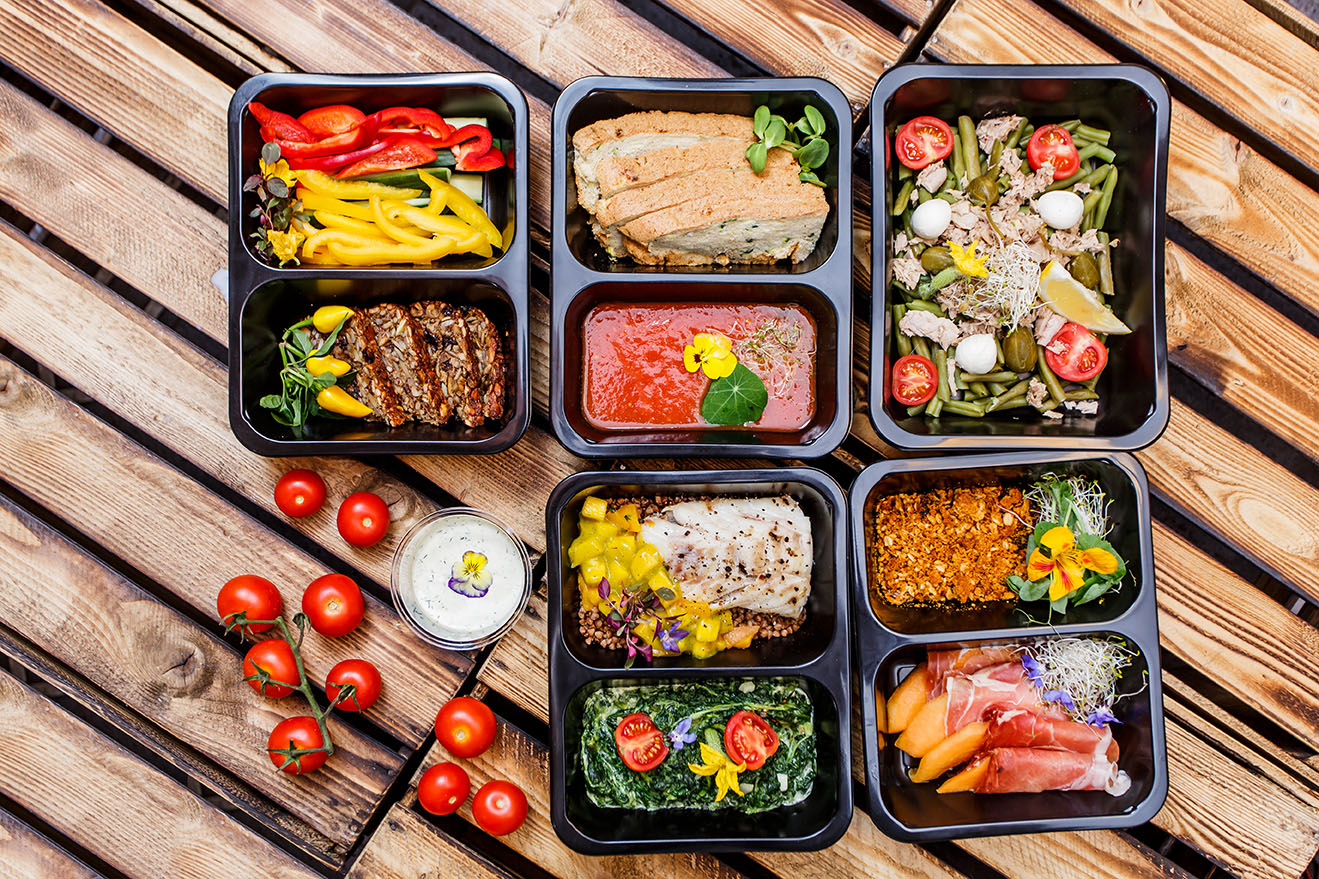
Your diet must be an optimal mix of carbohydrates, fats, and protein, adjusted to meet the unique energy demands of your specific winter sport.
Carbohydrates: The High-Octane Fuel
Carbohydrates are the primary fuel source for high-intensity exercise, which is characteristic of most winter sports, from short downhill bursts to long Nordic track efforts. When the cold and altitude increase your body’s glucose consumption, the need for readily available carbs skyrockets.
- Glycogen Depletion: High-intensity, long-duration winter activities like ski touring or long-distance cross-country skiing rapidly deplete muscle and liver glycogen stores. Replenishing these is paramount for sustained performance.
- Timing is Key: A high daily carbohydrate intake is critical, especially during heavy training blocks.
- Expert Recommendation: For periods of intense or high-volume training, the International Society of Sports Nutrition (ISSN) suggests athletes should aim for a high daily carbohydrate intake, sometimes up to 8–12 g per kg of body weight per day.
| Carbohydrate Type | When to Consume | Examples |
| Complex Carbs (Low GI) | Daily meals, 2-4 hours pre-exercise. Provides sustained energy. | Oats, quinoa, brown rice, sweet potatoes, whole-grain breads. |
| Simple Carbs (High GI) | Immediately pre-exercise (30-60 mins) and during exercise. Provides quick, accessible energy. | Energy gels, sports drinks, bananas, dried fruit. |
Protein: The Muscle-Repair Architect

Protein is vital for muscle repair and recovery after challenging workouts, which can be particularly damaging in cold, high-intensity conditions.
- Repair and Rebuild: Intense training creates microscopic tears in muscle fibers. Protein provides the amino acids needed to repair this damage, leading to stronger muscles.
- Immune Support: Adequate protein intake supports the immune system, which is often stressed by heavy training and exposure to cold.
- Daily Requirement: Athletes should generally consume 1.2 to 2.0 grams of protein per kilogram of body weight per day.
- Post-Exercise Priority: Aim for a high-quality protein dose—ideally 20-40 grams—within the recovery window (immediately to 2 hours post-exercise) to maximally stimulate muscle protein synthesis (MPS).
Healthy Fats: Insulation and Sustained Power
Fats provide long-lasting, sustained energy and play a crucial role in insulating the body and transporting fat-soluble vitamins.
- Endurance Fuel: For long, lower-intensity efforts, fats become the dominant fuel source, preserving your valuable glycogen stores.
- Essential Fatty Acids (EFAs): Omega-3 fatty acids, found in fatty fish, are critical. They possess anti-inflammatory properties, which can aid recovery and support joint health—a major concern in sports like skiing and snowboarding.
- Intake Target: Dietary fat should constitute 20% to 35% of your total daily calorie intake. Focus on unsaturated fats.
- Best Fat Sources:
- Avocados: Rich in monounsaturated fats.
- Nuts and Seeds: Excellent source of healthy fats and protein.
- Fatty Fish (Salmon, Mackerel): High in Omega-3 EFAs.
- Olive Oil: Ideal for cooking and dressing.
Hydration: The Hidden Performance Booster in the Cold

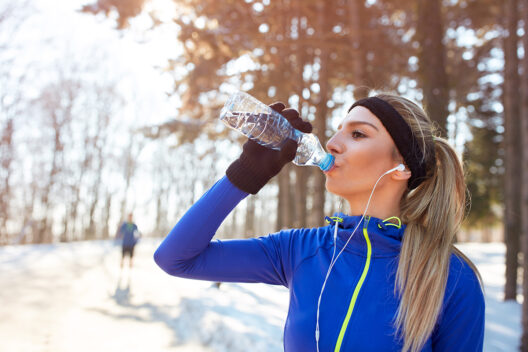
Dehydration is the silent killer of winter performance. Because you don’t feel as thirsty, you are at a much higher risk. Proactive, conscious hydration is the key to maintaining energy, cognitive function, and proper body temperature regulation.
Strategy 1: Warm Fluids and Electrolytes
Cold liquids can cause peripheral vasoconstriction (narrowing of blood vessels) and can be less palatable in the cold, making you less likely to drink enough.
- Drink Warm: Carry warm sports drinks or herbal teas in an insulated flask or hydration pack. This makes consumption more appealing and helps maintain your core temperature.
- Electrolyte Importance: Just like in summer, you lose electrolytes (sodium, potassium, etc.) through sweat and respiration. Replenish these with electrolyte-enriched drinks, warm broths, or salt-rich snacks.
Strategy 2: Pre- and Post-Training Hydration

Don’t start your session already behind.
- Pre-Load: Consume 400-600 mL (13-20 oz) of fluid 1-2 hours before exercise.
- During Activity: Sip continuously, aiming for a consistent intake. A general guideline is 150-350 mL (5-12 oz) every 15-20 minutes, adjusting based on your sweat rate.
- Monitor Sweat Loss: For a precise approach, weigh yourself before and after a training session. Replace any lost weight with fluid at a ratio of 1.5 L of fluid for every 1 kg (3 lbs for every 1 lb) of weight lost.
Case Study Insight: The Dehydration Risk
A study on elite cross-country skiers found that a significant number of both male (50-56%) and female (38-46%) athletes were dehydrated prior to training and competition. This alarming statistic highlights the universal risk and the absolute necessity of a rigid, proactive hydration plan, even for professional athletes.
Micronutrients: The Cold-Weather Essentials


While macronutrients provide the bulk of your energy, specific vitamins and minerals are critical for immune function, oxygen transport, and bone health—all of which are stressed in the winter environment.
1. Vitamin D: The Sunlight Gap
The most critical winter micronutrient. Due to reduced sunlight exposure and weaker UV rays, your body’s ability to synthesize Vitamin D is severely diminished.
- Role: Essential for calcium absorption (strong bones), immune system function, and muscle strength. Deficiency is widespread in winter athletes.
- Action Plan: Supplementation is often necessary. Consult a healthcare provider for the correct dosage. Good food sources include fatty fish, egg yolks, and fortified foods.
2. Iron: The Oxygen Carrier

Iron is vital for the formation of hemoglobin, which transports oxygen from your lungs to your working muscles. This is especially important at higher altitudes where oxygen availability is lower.
- Deficiency Risk: Athletes, particularly female athletes and those engaging in high-volume endurance sports, are at risk for iron depletion, which can drastically reduce endurance and performance.
- Action Plan: Consume iron-rich foods:
- Heme Iron (highly absorbable): Red meat, poultry, fish.
- Non-Heme Iron: Spinach, legumes, fortified cereals (pair with Vitamin C for better absorption).
3. Antioxidants: Fighting Oxidative Stress
Cold weather and intense exercise increase oxidative stress. Antioxidants help protect cells from damage.
- Action Plan: Load up on colorful fruits and vegetables.
- Sources: Berries (blueberries, raspberries), dark leafy greens (kale, spinach), nuts, and seeds.
Nutrient Timing: Optimizing Fuel and Recovery


The timing of your food intake dictates how effectively your body uses that energy. In the winter, proper timing is crucial for maintaining energy balance and warmth.
Pre-Exercise Fueling (2-4 Hours Before)
The goal is to top off glycogen stores without causing stomach upset. Choose complex carbohydrates that offer sustained release, combined with a moderate amount of protein.
- The Meal:
- Complex Carbs: Oatmeal with fruit, whole-grain toast with jam, or a turkey sandwich.
- Protein: Eggs, Greek yogurt, or lean meat.
- Hydration: Water or a warm, non-caffeinated tea.
- The Pro Tip: Carry your pre-made energy bars and gels close to your body (in an inside pocket) to keep them from freezing and becoming hard to chew or digest.
Fueling During Long Activities (Every 30-60 Minutes)
For activities lasting longer than 60-90 minutes, you must replenish carbohydrates to maintain blood glucose and energy levels.
- Target Intake: Aim for 30–60 grams of carbohydrate per hour. For very long events, some athletes may aim higher.
- Format: Choose options that are easy to consume with cold hands and are less likely to freeze:
- Energy Gels and Chews: Often the most practical, especially the liquid varieties.
- Dried Fruit: Raisins, dates.
- Warm Sports Drink: Provides both carbs and electrolytes.
- Small Portions: Keep portions small and frequent to prevent digestive issues.
Post-Exercise Recovery (The Golden Window)

The first 30-60 minutes after intense exercise is the “metabolic window” where your muscle cells are primed to absorb nutrients for repair and recovery.
- The 3:1 Ratio: Consume a recovery meal or shake with a carbohydrate-to-protein ratio of approximately 3:1 (e.g., 3 grams of carbs for every 1 gram of protein).
- Example 1: Chocolate milk (naturally hits the right ratio and is easily digestible).
- Example 2: Recovery shake with whey protein and a banana.
- Example 3: Hot soup with whole-grain bread and a source of lean protein.
- Rehydrate: Continue to sip on electrolyte fluids or water to fully rehydrate. A warm drink is a great way to start the rewarming process.
Expert Opinion and Case Studies in Action


The reality of winter sports nutrition is that it often falls short of the scientific recommendations, which provides a clear path for improvement for informed athletes.
Cross-Country Skiers: The Carb Deficit
A study of elite cross-country skiers highlighted a significant nutritional gap:
- Finding: 89% of male and 92% of female athletes failed to meet the recommended carbohydrate intake of $10-12 \text{ g/kg/day}$ during periods of high training.
- Conclusion: This carbohydrate deficit suggests a reliance on protein and fat for energy, which is inefficient for high-intensity, prolonged efforts. The takeaway for you: Be diligent about hitting your carbohydrate targets, especially during high-volume training.
Alpine Skiing: The Force Multiplier
Alpine skiers, who endure high forces and short, intense bursts, require a focus on muscle preservation and anti-inflammatory nutrients.
- Expert View (Bob Poehling, US Ski and Snowboard): Alpine athletes, who resist forces up to four times that of gravity, are notorious for chronic dehydration due to the dry, high-altitude air. He emphasizes, “Dehydration exacerbates fatigue—both cognitive and muscular—and it affects your ability to recover from training.”
- Nutritional Focus: Alpine skiers need to constantly replenish glycogen and feed protein for repair. They also benefit from the anti-inflammatory properties of Omega-3s to manage joint and muscle stress from hard impacts.
The Altitude Challenge: Appetite Suppression
Research on athletes training at altitude reveals a common problem: appetite suppression.
- The Effect: Athletes at altitude often experience a weight loss averaging about $1.4 \text{ kg}$ per week, often explained by appetite suppression and the body’s increased energy demand to maintain core temperature.
- Strategy: This necessitates a shift to more energy-dense foods and scheduled eating, rather than relying solely on hunger cues, to meet the massive energy expenditure. Liquid calories, such as high-calorie sports drinks or smoothies, can be useful for overcoming a lack of appetite.
Practical Strategy: Meal and Snack Ideas

Optimizing your diet doesn’t have to be complicated. Focus on whole, nutrient-dense, and temperature-appropriate foods.
Pre-Training Meal Ideas (2-4 Hours Before)
- Hot Cereal Power: Large bowl of hot oatmeal made with milk or water, topped with berries, a handful of walnuts, and a drizzle of honey.
- Baked Potato/Sweet Potato: Served with a small amount of lean meat (chicken or turkey) and light cheese.
- Whole-Grain Pancakes: Made with whole-wheat flour, served with fruit and a small portion of Greek yogurt.
On-The-Go Fuel (During Activity)
- Pocket Energy: Pita bread pocket with a banana and peanut butter (store close to the body).
- Dried Fruit Mix: A personalized mix of dates, apricots, and pretzels (for sodium).
- Homemade Rice Cakes: Cooked rice mixed with a small amount of honey and protein powder, molded into easy-to-eat squares.
Recovery Meal Ideas (Immediately to 1 Hour After)
- Warm Chicken and Rice Soup: Easy on the stomach, provides fluids, sodium, carbs, and protein.
- Recovery Smoothie: Milk, Greek yogurt, spinach, banana, and a scoop of protein powder.
- Shepherd’s Pie or Lentil Stew: Provides warm comfort, complex carbs (potatoes), and hearty protein.
Conclusion: Build Your Nutritional Edge

Mastering winter sports nutrition is not a suggestion—it is an absolute necessity for anyone who aims to perform at their peak and ensure consistent, healthy training throughout the cold months. The unique challenges of increased energy burn, high-altitude exposure, and hidden dehydration demand a specialized, proactive approach.
By prioritizing complex carbohydrates, timing your protein intake for recovery, embracing healthy fats for sustained energy, and making warm, electrolyte-rich fluids a non-negotiable part of your routine, you can turn the harsh winter environment into a performance advantage.
Your body is your greatest piece of equipment; fuel it accordingly.
Don’t wait for your performance to suffer or for a cold to sideline your season.
- Start a Fueling Log: For the next two weeks, log your daily food and fluid intake, paying special attention to the timing of your meals relative to your training sessions.
- Calculate Your Macros: Use the provided guidelines ($1.2-2.0 protein, $8-12$ carbs on heavy days, $20-35$ fat) to establish a personal target.
- Optimize Your Hydration: Invest in an insulated bottle and set a phone reminder to take a sip every 15 minutes while you are on the mountain or trail.
Are you ready to stop guessing and start fueling your body like the elite winter athlete you are?