



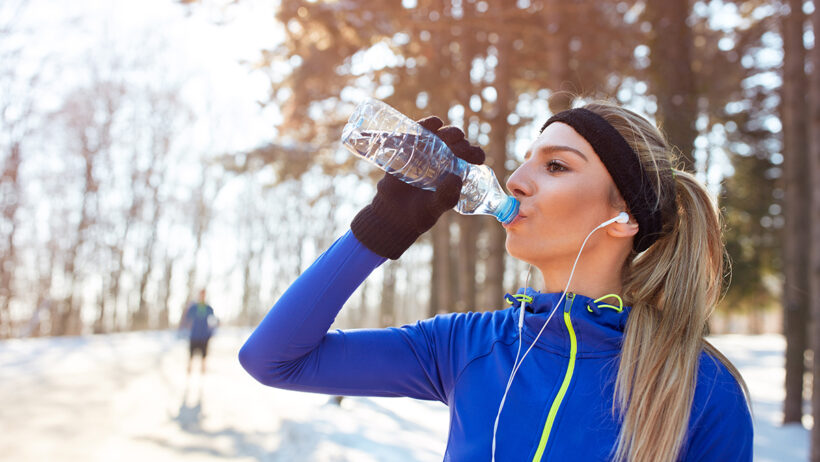

When the temperatures plummet, our minds often shift to cozy sweaters, hot drinks, and indoor warmth. What many fail to realize is that the chilling air hides a significant and often overlooked threat to our well-being: dehydration. We tend to associate heavy sweating and intense heat with the need for water, but the unique physiological demands and environmental factors of cold weather can deplete our body’s fluid stores just as effectively, if not more insidiously, than a summer workout.
This comprehensive, in-depth guide will expose the surprising science behind cold-weather dehydration, equip you with actionable strategies to maintain optimal fluid balance, and unlock the secrets to sustaining peak health and performance throughout the winter months. Forget the myth that cold air equals less thirst—it’s time to understand the hidden thirst and how to conquer it.
Understanding the Dehydration Paradox: Why Cold Weather is a Hidden Threat

It seems counterintuitive, doesn’t it? If you aren’t visibly sweating, why would you need to drink more water? The answer lies in a combination of biological responses and environmental conditions unique to cold climates. Ignoring these factors can lead to fatigue, reduced athletic performance, impaired cognitive function, and even increase your risk of cold-related injuries like frostbite.
1. Reduced Thirst Sensation (The Primary Culprit)
One of the most significant reasons for under-hydration in the cold is a physiological response that dulls your sense of thirst.
- The Mechanism: When your body is cold, peripheral vasoconstriction occurs—a narrowing of blood vessels near the skin to conserve heat and protect the core. This shift in blood volume tricks the brain. It perceives a higher-than-actual core blood volume and, therefore, dampens the signals from osmoreceptors that typically trigger thirst.
- The Result: You simply don’t feel thirsty even when your body is starting to become dehydrated. This is sometimes referred to as “voluntary dehydration.” Research published in the Wilderness & Environmental Medicine journal has noted that fluid intake during exercise in the cold can be up to 40% lower compared to similar activity in warmer conditions.
2. Respiratory Fluid Loss (The Invisible Drain)
Every breath you take in cold weather is robbing your body of precious moisture. This is arguably the largest non-sweating fluid loss in the cold.
- The Science: Cold air is inherently drier than warm air. When you inhale this dry, cold air, your lungs and respiratory passages must warm and humidify it to body temperature ($37^\circ \text{C}$) and 100% relative humidity before it can safely reach your alveoli.
- The Vapour You See: The visible “steam” you exhale is simply the warm, moisture-laden air condensing in the cold atmosphere. This moisture comes directly from your body’s fluid stores.
- The Impact: When you’re exercising or simply breathing heavily in the cold (e.g., skiing, shoveling snow, or hiking), this respiratory water loss significantly accelerates.
3. Increased Urine Production (Cold-Induced Diuresis)
The body’s mechanism for fighting the cold includes a process called “cold-induced diuresis,” which accelerates fluid loss through urination.
- The Process: As mentioned, peripheral blood vessels constrict to keep the core warm. This increases the blood pressure and volume detected by sensors in the heart and kidneys. The kidneys interpret this as a need to reduce overall blood volume and therefore ramp up urine production.
- The Double Whammy: This physiological response, designed to protect the core, actively flushes necessary fluids and electrolytes out of your system, deepening the state of dehydration and electrolyte imbalance.
4. Layered Clothing and Insensible Sweat
While you might not have a visible sheen of sweat, your body is still releasing moisture, particularly when you are active and heavily bundled.
- The Trap: Wearing multiple layers is essential for insulation, but these layers can trap perspiration close to the skin. This insensible perspiration evaporates slowly, often without you noticing it, especially if the clothing wicks it away effectively.
- The Deception: You feel dry and warm, yet the steady, unperceived moisture loss is draining your reserves. This loss is especially pronounced during periods of intense exercise followed by rest, where the body’s internal thermostat adjusts rapidly.
The Domino Effect: How Dehydration Compromises Performance and Safety



Dehydration is not just about feeling a little thirsty. In a cold environment, the consequences are amplified, directly impacting your core temperature regulation, athletic capabilities, and, critically, your safety.
1. Impaired Thermoregulation
A well-hydrated body is crucial for regulating temperature—in both heat and cold.
- Impact on Blood Flow: When dehydrated, your blood volume drops, making the blood thicker. The heart has to work harder, and the body’s ability to efficiently circulate blood to warm the extremities (or cool the core if you overheat) is severely compromised.
- Increased Hypothermia Risk: Poor circulation, exacerbated by dehydration, means less warm blood reaches your fingers and toes, increasing the risk of frostbite and hypothermia. Dehydration also reduces the amount of fluid available for metabolic processes that generate heat.
2. Reduced Physical and Cognitive Performance
Even a 1-2% loss of body weight due to dehydration can have measurable, negative effects.
- Physical Decline: Studies on soldiers and athletes operating in cold climates consistently show that dehydration leads to premature fatigue, reduced strength and endurance, and slower reaction times. Your muscles rely on water for effective contraction and waste removal.
- Cognitive Fog: Water makes up about 75% of your brain’s mass. Even mild dehydration can lead to difficulty concentrating, irritability, poor memory, and impaired decision-making. This is particularly dangerous when participating in high-risk winter sports or demanding outdoor work.
3. Increased Susceptibility to Injury and Illness
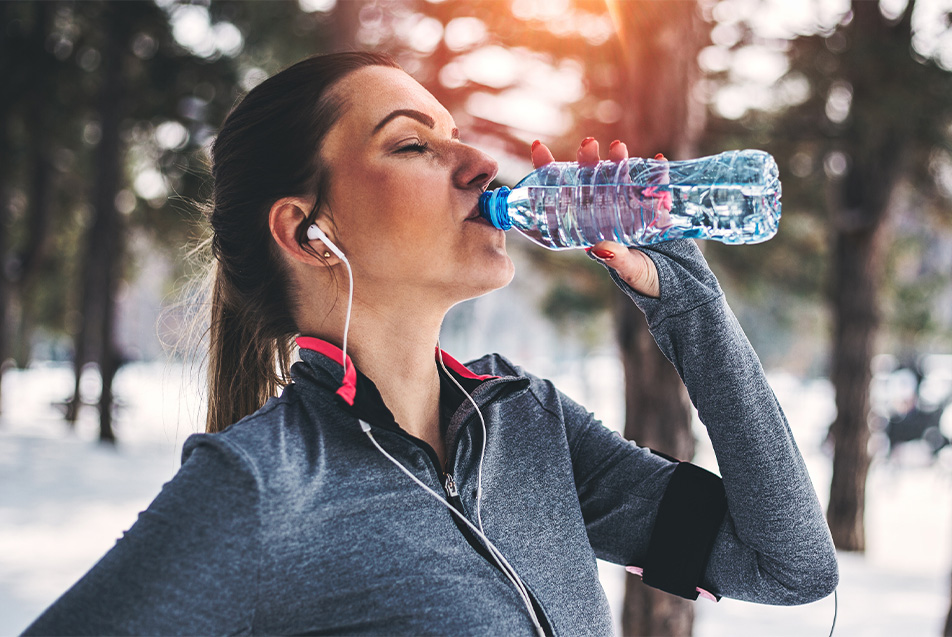
Adequate hydration is a cornerstone of your body’s protective systems.
- Muscle Cramping: Dehydration disrupts electrolyte balance, which is essential for proper nerve and muscle function. This can lead to painful muscle cramps and strains.
- Weakened Immune System: Dehydration dries out the mucosal lining in the nose and throat, which is the body’s first line of defense against airborne pathogens. This can make you more vulnerable to catching colds and the flu—a common concern during winter.
The Hydration Strategy: Your Actionable Cold-Weather Plan



Mastering cold-weather hydration is not about randomly sipping water; it requires a deliberate, strategic approach to counteract the body’s blunted thirst response and the environmental fluid drains.
Phase 1: Pre-Hydration and Baseline Intake
You can’t play catch-up with dehydration. Start your day and activity already ahead of the game.
- The Morning Ritual: Begin every cold day with a substantial intake of fluids. Aim for 500–750 ml (about 17–25 oz) of warm fluid within the first hour of waking up. This immediately counters overnight respiratory losses.
- Set a Minimum Daily Goal: A general rule of thumb for a sedentary adult is 8 glasses (about 2 liters). In cold weather, especially if active, consider increasing this baseline by 20–30%. For active individuals, a calculation of 30–40 ml of fluid per kilogram of body weight is a good starting point, adjusting upward for activity level.
Phase 2: Strategic During-Activity Intake
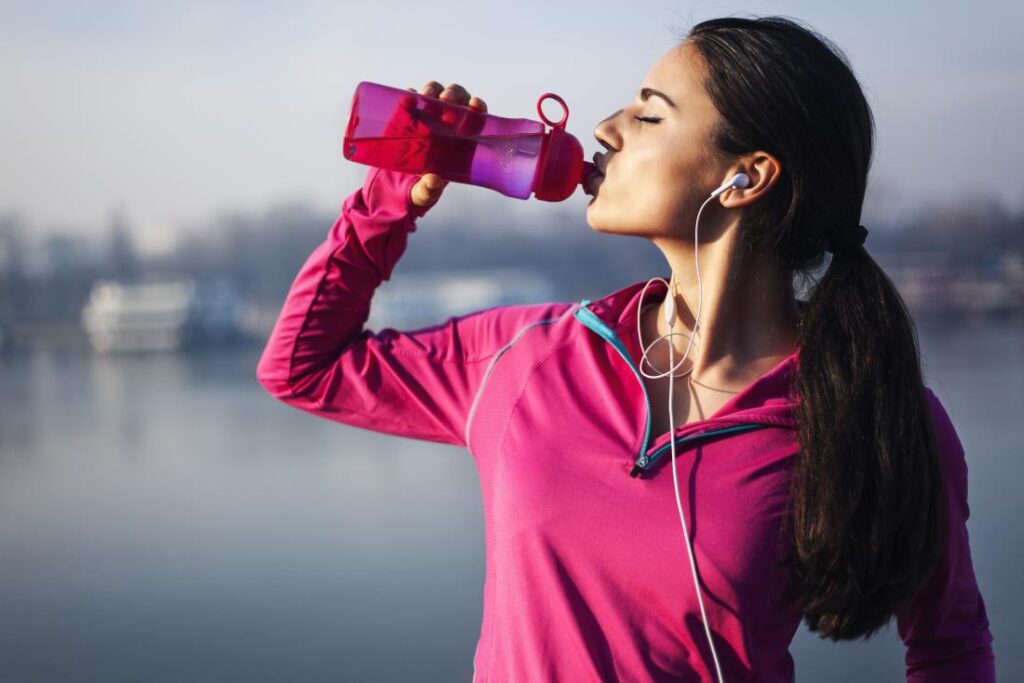
The key is to drink before you feel thirsty, taking small, frequent sips.
- Warm is Better: Cold water forces your body to expend energy to warm it up, diverting resources from other thermoregulatory needs. Carry fluids at room temperature or slightly warm. Soups, broths, or warm herbal teas are excellent choices.
- The 15-Minute Rule: Set a timer or use an activity watch reminder to drink 150–250 ml (5–8 oz) every 15–20 minutes during periods of sustained activity. This constant, moderate intake prevents the sharp dips in blood volume that trigger cold diuresis and reduced performance.
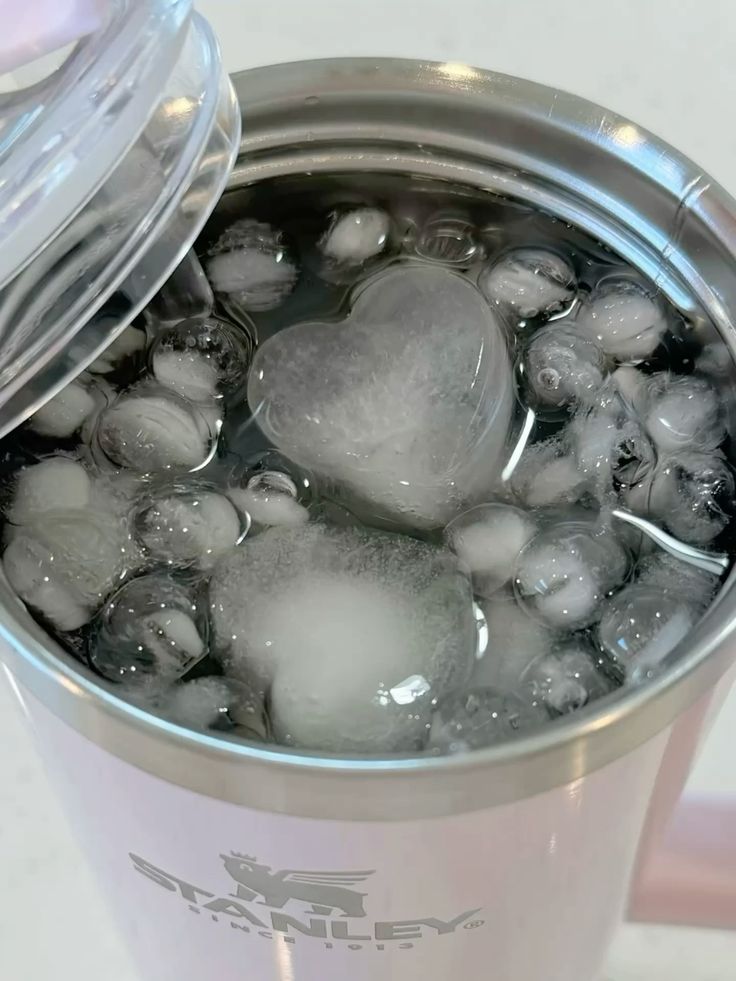
- The Insulated Vessel: Invest in a high-quality, insulated thermos or hydration pack with an insulated tube cover. In extreme cold, non-insulated tubes can freeze, making your hydration source inaccessible. Pro-Tip: Store your water bottle upside down in your pack. The water at the opening is less likely to freeze if it’s on the bottom.
Phase 3: Electrolyte Balance and Fueling
Water alone is often not enough when you’re losing fluids through cold-induced diuresis and insensible sweat. Electrolytes are crucial.
- The Sodium Sweet Spot: Don’t fear sodium! It plays a vital role in blood volume regulation and the absorption of water into your cells. For prolonged activities (over 90 minutes) or heavy exertion, incorporate a sports drink or an electrolyte tablet.
- Focus on Carbohydrates: In the cold, metabolic heat generation is critical. The body needs fuel to run the furnace. Hydration solutions that contain a small amount of simple carbohydrates (4–8%) aid in rapid water absorption and provide necessary energy.
- Avoid Excess Caffeine and Alcohol: Both are powerful diuretics, meaning they increase urine output and actively work against your hydration goals. While a warm coffee is tempting, limit consumption, and always follow it up with an equal amount of non-caffeinated, non-alcoholic fluid.
The Cold-Weather Hydration Toolkit: Practical Tips & Tricks
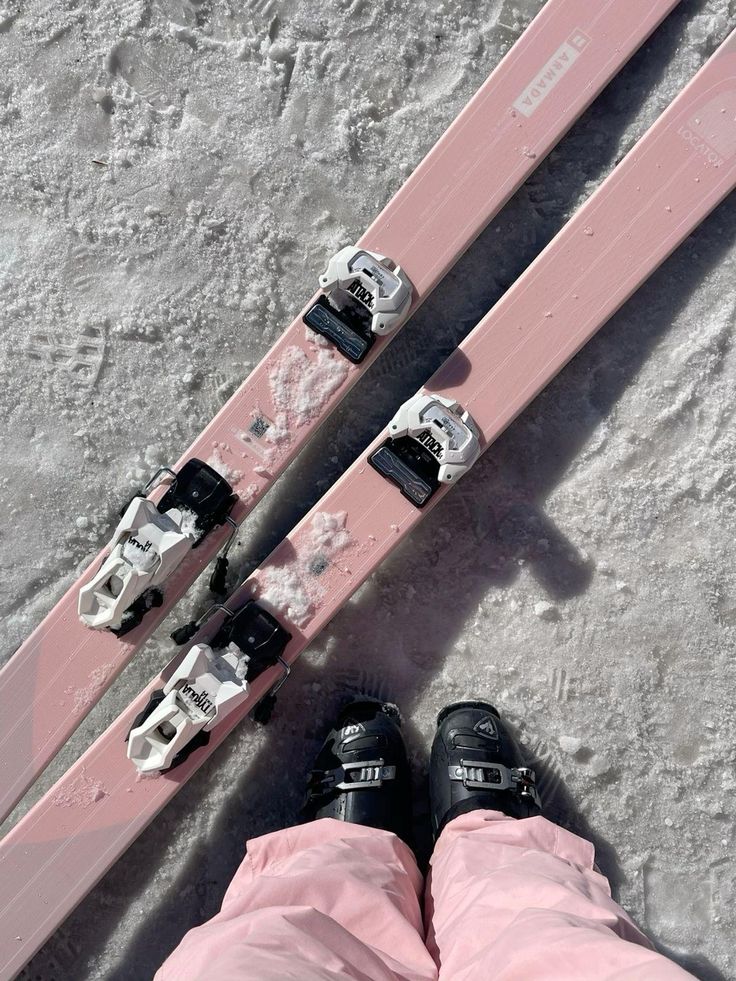
Knowing the why is essential, but having the how is what delivers results. Implement these practical changes to make hydration an effortless part of your cold-weather routine.
Hydrate with Food: The Power of Soups and Fruits
Don’t rely solely on beverages; incorporate fluid-rich foods into your diet.
- Embrace Broth-Based Meals: Start lunch or dinner with a cup of bone broth, vegetable soup, or a light stew. This is a delicious way to ingest significant fluid, electrolytes (sodium, potassium), and warm your core.
- Keep Fruits & Veggies in the Diet: While they are often associated with summer, many cold-weather fruits and vegetables have high water content.
- Examples: Oranges, grapefruits, berries, cucumbers, celery, and cooked squash.
Use Visual and Digital Reminders
Since your internal thirst mechanism is unreliable in the cold, external cues are vital.
- The Bottle Rule: Always keep a visually appealing, measured water bottle within easy reach—at your desk, next to your reading chair, and in your car. “Out of sight, out of mind” is the enemy of cold-weather hydration.
- Tech Tools: Utilize phone apps, smartwatches, or fitness trackers that allow you to log fluid intake and set hourly alarms. Make the alarm sound a signal to take 3-5 big gulps, not just a sip.
Monitor Your Status: The Urine Color Check
The simplest and most reliable indicator of your hydration status remains the color of your urine.
- Goal State: Aim for a pale yellow or straw color.
- Warning Signs: Dark yellow or amber indicates dehydration and requires immediate and substantial fluid intake. Note: Some vitamins (especially B vitamins) can temporarily darken urine, so use this as a general, not absolute, guide.
Case Study: The Winter Endurance Athlete
Consider a marathon runner training for a winter race. They are losing fluids rapidly through both respiratory loss and insensible sweat under layers of synthetic fabric.
- Initial Plan: The runner was only drinking when feeling thirsty, resulting in cramps and early fatigue.
- Revised Hydration Protocol:
- Pre-Run: 750 ml of warm water with a lemon-ginger electrolyte blend 1 hour before the run.
- During Run (2-hour training): Carried an insulated pack and consumed 200 ml every 15 minutes (Total: 1.6 Liters), alternating between plain water and a light carbohydrate/electrolyte solution.
- Post-Run: Hot lentil soup and 500 ml of plain water.
- Result: The athlete reported significantly less perceived exertion, no cramping, and faster recovery times, directly attributed to maintaining consistent hydration.
Expert Opinions and Key Statistics
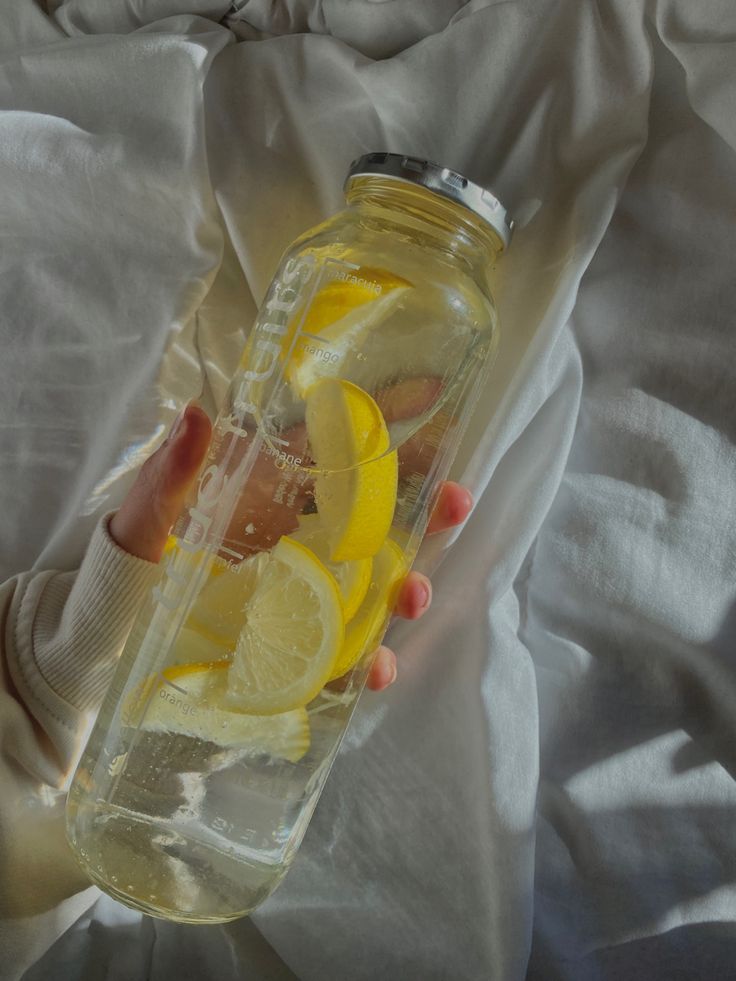
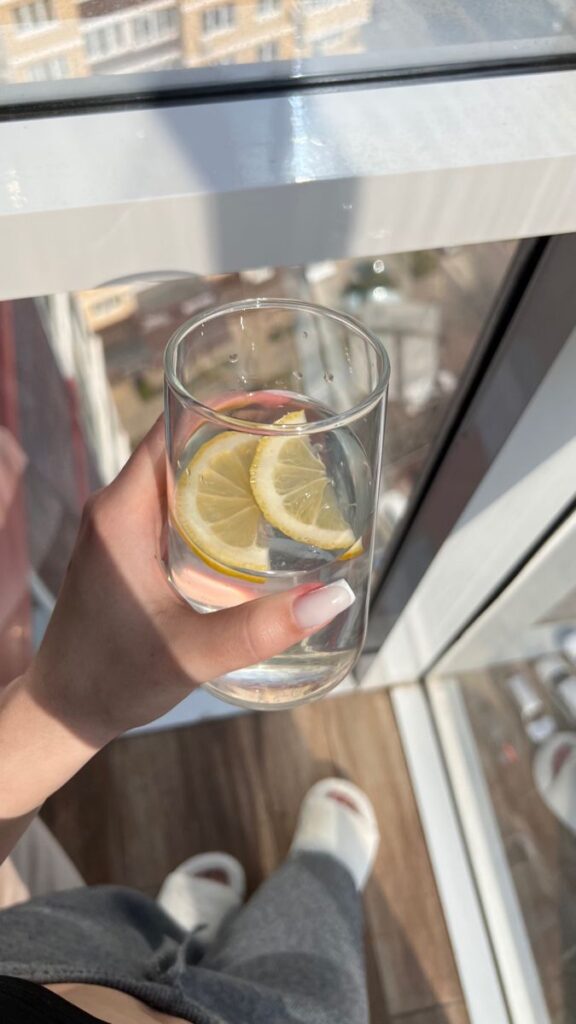
The urgency of this topic is underscored by medical and physiological experts across various domains.
- Dr. Robert Kenefick, a leading expert on cold-weather physiology: “The issue in the cold is that you don’t recognize the deficit until it’s too late. When you feel thirsty in a cold environment, you are already significantly dehydrated. The key is to implement proactive, scheduled hydration protocols.”
- Research Finding (US Army Research Institute of Environmental Medicine): Studies showed that individuals performing activities in the cold who consumed warm beverages were better able to maintain their core body temperature compared to those who drank cold beverages or no beverages at all. This highlights the importance of fluid temperature as a thermoregulatory tool.
- Statistics on Altitude/Cold Exposure: At high altitudes combined with cold (common in skiing or mountaineering), the effect of cold-induced diuresis and respiratory loss is compounded. An individual can lose an extra 1.5–2 liters of water per day just through breathing and urination compared to a sedentary person at sea level in a temperate climate.
The Last Word: Making Hydration Your Winter Superpower
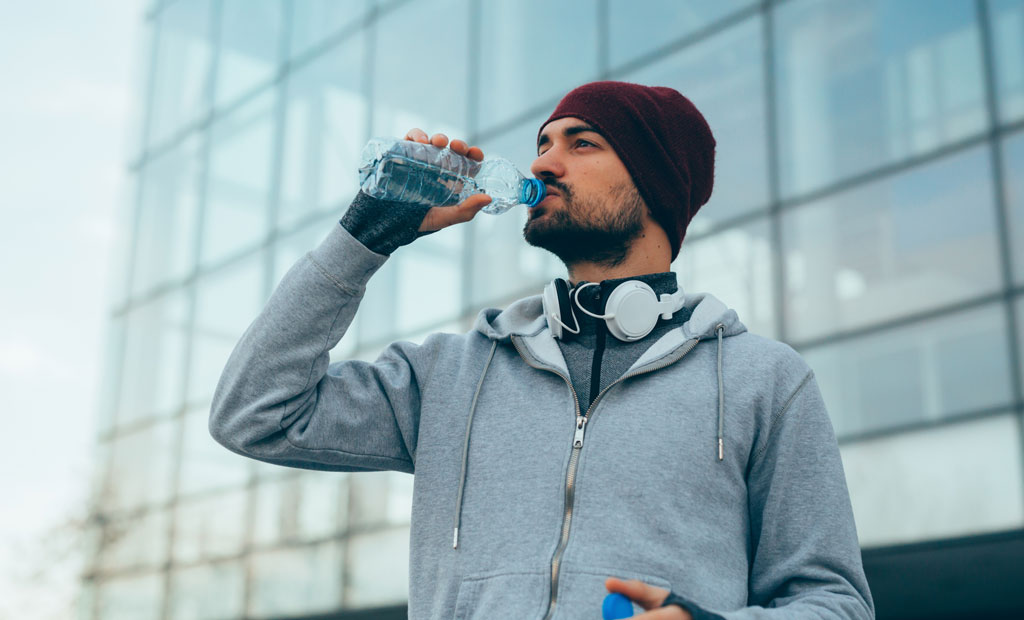
The narrative needs to change: Winter is not a time to relax your hydration habits; it is a time to double down on them.
Dehydration is a sneaky, subtle thief in the cold, capable of robbing you of energy, compromising your safety, and dulling your ability to enjoy the season. By understanding the unique physiological challenges—the dulled thirst, the invisible respiratory loss, and the counterintuitive cold diuresis—you gain the power to fight back.
Adopting a proactive hydration strategy—prioritizing warm fluids, setting regular reminders, embracing electrolyte-rich foods, and constantly monitoring your status—transforms a health vulnerability into a source of strength. Optimal hydration is your most powerful tool for maintaining core warmth, cognitive acuity, peak performance, and immunity throughout the winter months.
Hydrate for Peak Performance
Don’t wait until you feel the symptoms of dehydration. Take control of your winter wellness today.
Start immediately: Go grab a glass of warm water or herbal tea right now.
Next, commit to this:
- Invest in a Visual Reminder: Purchase a new, well-insulated water bottle or thermos that you genuinely enjoy carrying.
- Set an Alarm: Set a recurring reminder on your phone for every hour while you are awake. Label it simply: “DRINK!”
Are you ready to unlock your winter potential and conquer the hidden thirst? What is the single biggest change you will make to your daily hydration routine this week?