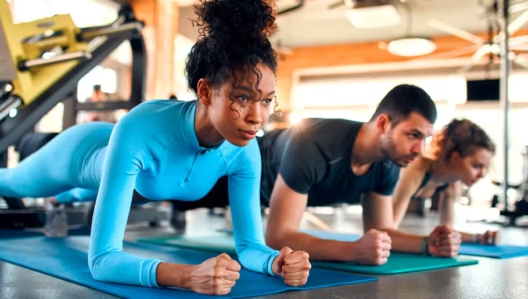



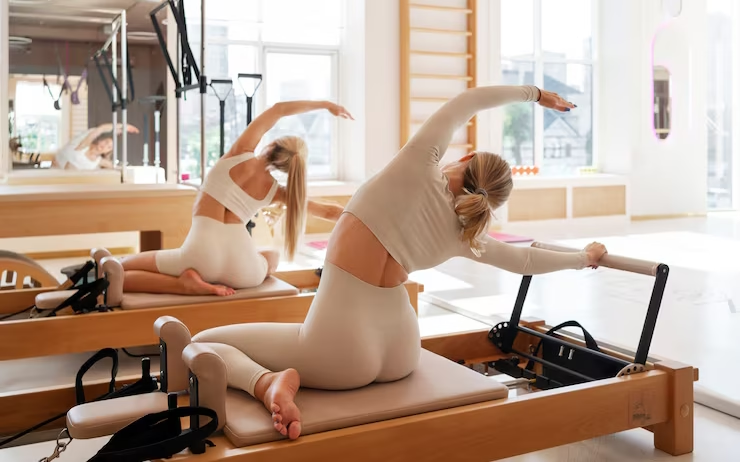

In the age of digital devices and personal branding, our screens and environments are reflections of our aspirations and focus. For the dedicated Pilates practitioner, integrating this philosophy into daily life can be a powerful motivator. This comprehensive guide explores the world of Pilates wallpaper — from chic, minimalist aesthetic digital backgrounds for your phone and computer to stunning, inspirational wall designs for your home studio or professional reformer space.
We will delve into how the right visual design can enhance your practice, maintain your focus on fitness goals, and create an atmosphere of tranquility, balance, and core strength, key principles of the Pilates method. Discover the different styles available, where to find high-quality images, and how to choose the perfect Pilates background that resonates with your personal wellness journey.
The Power of Visual Motivation: Why Choose Pilates Wallpapers
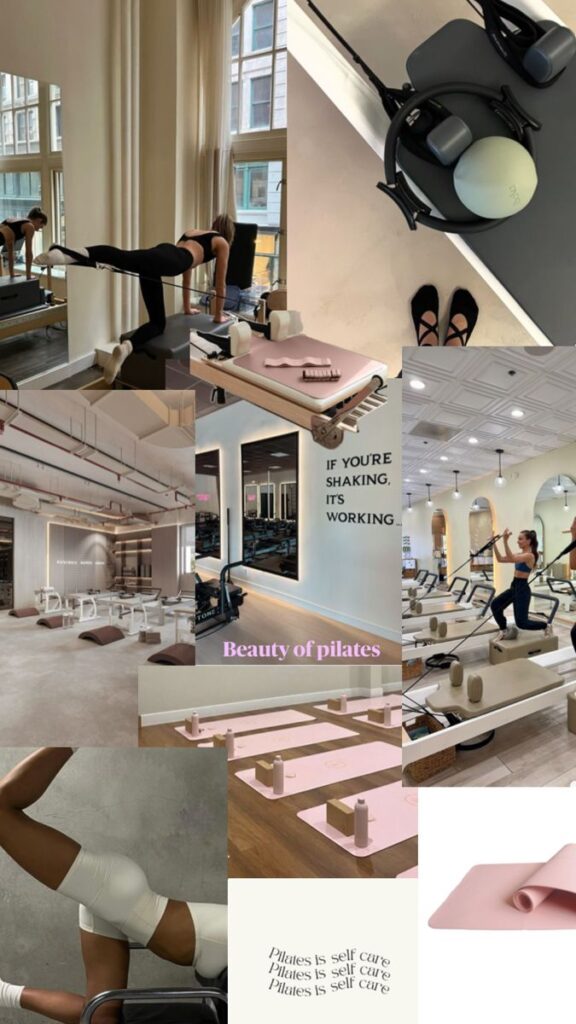
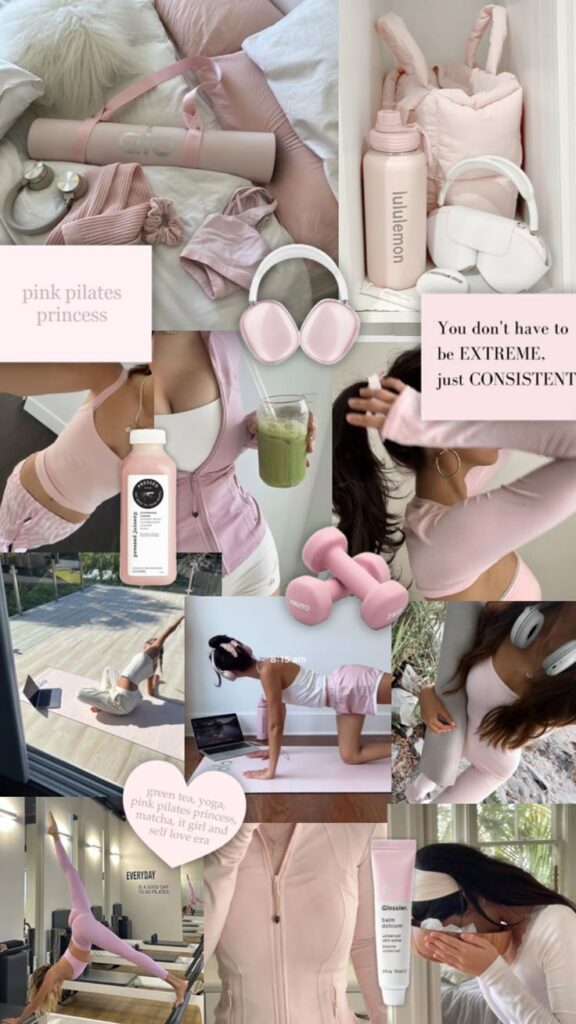
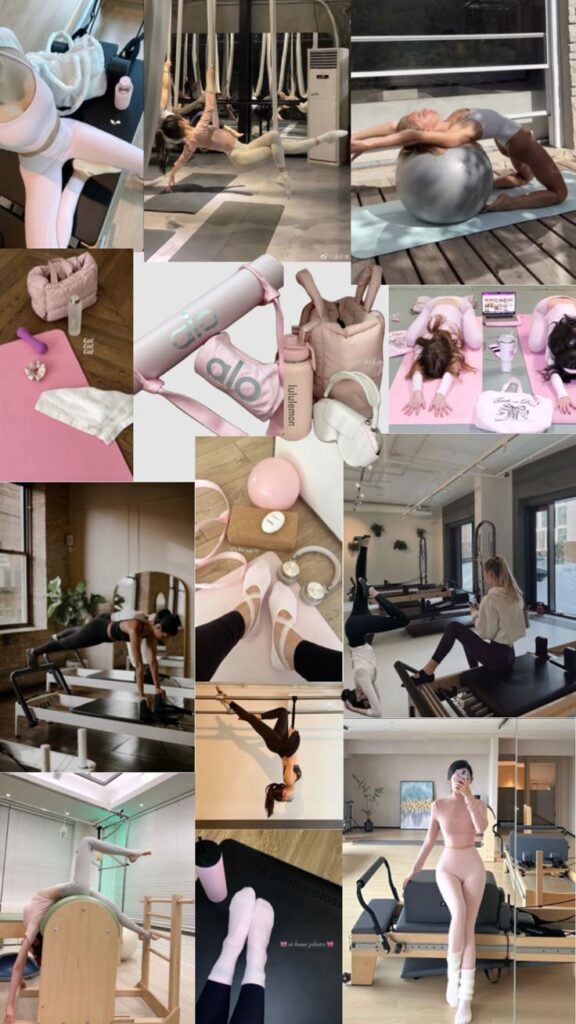
The principles of Pilates emphasize control, concentration, flow, and center. Surrounding yourself with visuals that reinforce these concepts can significantly impact your daily mindset and commitment to the practice. A well-chosen Pilates wallpaper serves as a constant, subtle reminder of your health and strength goals.
Digital Wallpapers: A Daily Dose of Inspiration
Our smartphones, tablets, and laptops are the screens we interact with most frequently. Customizing these backgrounds with Pilates-themed imagery is a simple yet effective strategy for maintaining focus on fitness and well-being.
Aesthetic and Focus: Choosing the Right Digital Background
The ideal digital Pilates wallpaper should strike a balance between aesthetics and functionality. It needs to be visually pleasing without obscuring important app icons or data.
- Minimalist Designs: Clean lines, simple silhouettes of Pilates poses (like the Hundred or the Roll-Up), or quotes focusing on “core strength” or “mind-body connection” are excellent choices. They offer inspiration without visual clutter.
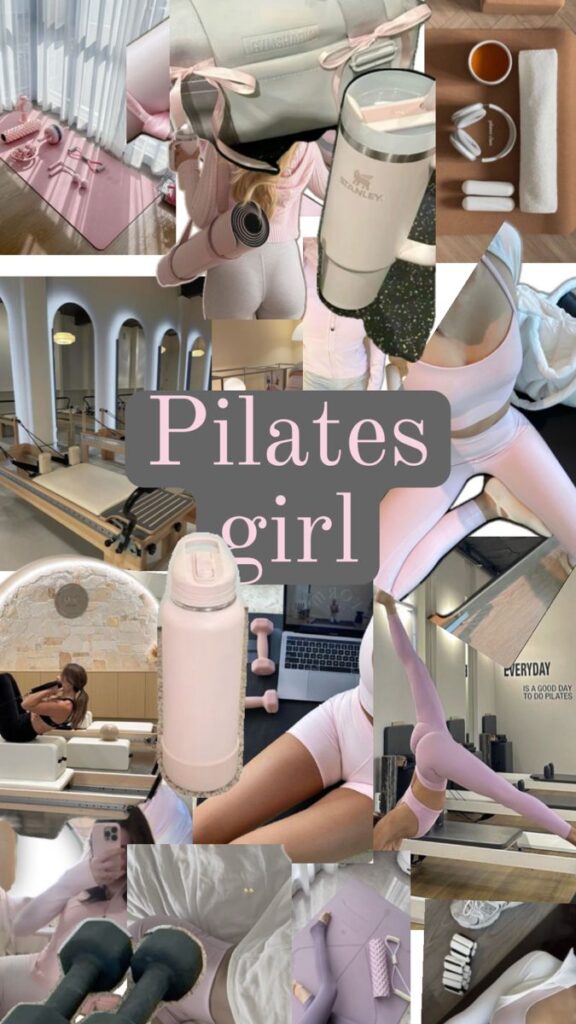
- Color Psychology: Soft, neutral tones—such as beige, cream, muted greens, or gentle pastels—are often preferred. These colors are known to evoke a sense of calm, similar to the serene atmosphere often found in a Pilates studio.
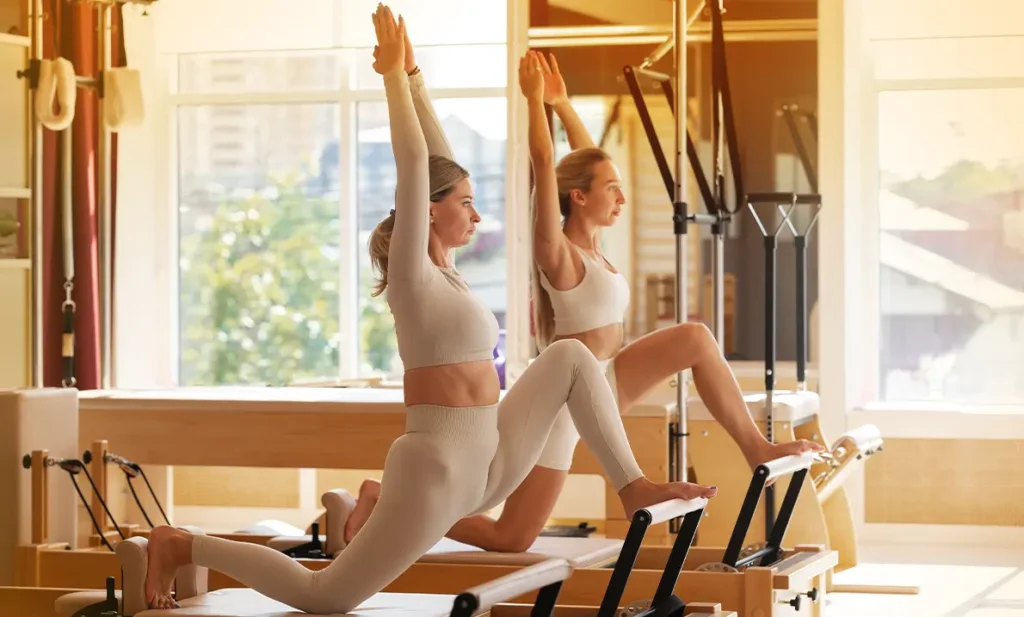
- Pilates Equipment Focus: Images featuring the iconic Reformer, Cadillac, or Wunda Chair can motivate you to attend your next studio session or visualize complex movements.
Where to Find High-Quality Digital Pilates Wallpapers
Numerous online resources offer free and premium high-resolution Pilates backgrounds suitable for various devices. Quality is crucial to ensure the image looks crisp and professional on a high-resolution screen.
- Stock Photo Websites: Platforms like Unsplash, Freepik, and Shutterstock offer vast libraries of royalty-free and licensed images. Use LSI terms like “Pilates aesthetic,” “Reformer studio,” or “yoga/Pilates illustration.”
- Design Marketplaces: Websites like Etsy and Creative Market provide bespoke digital downloads, often curated into themed packs like “Pilates Princess” or “Wellness Vision Board.”
- AI Generators: Advanced image generation tools can create truly unique and personalized artwork based on your specific prompts (e.g., “minimalist Pilates pose on a pink background”).
Physical Wallpapers and Murals: Designing Your Space
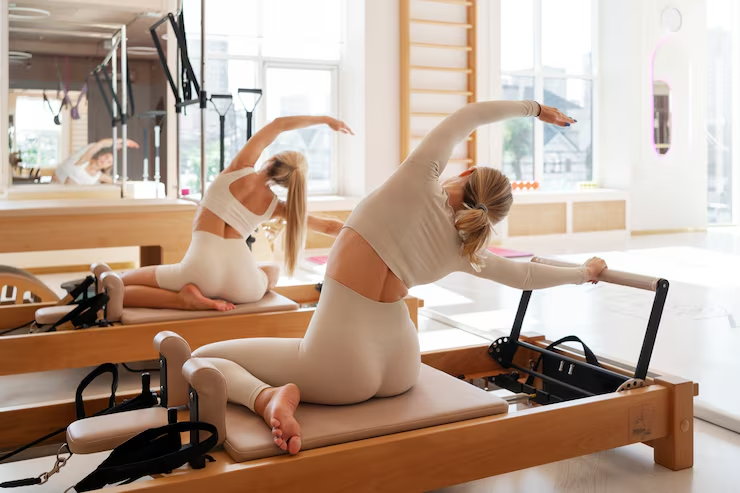
For those who have a dedicated home gym or who manage a commercial Pilates studio, the physical wall decor plays a significant role in setting the tone and energy of the space. Pilates wallpaper in a physical sense is a major design element.
Transforming a Home Studio with Wall Decor
Even a small corner dedicated to your mat work can be dramatically enhanced by the right wall design, transforming a generic room into an inspiring Pilates studio.
- Motivational Murals: A full-wall mural depicting a flowing, balanced Pilates sequence or a serene natural landscape can inspire the sense of “flow” and tranquility central to the method.
- Seamless Patterns: Repeat patterns featuring subtle illustrations of Pilates equipment, accessories (bands, balls), or movement silhouettes can add texture and depth without overwhelming the space.
- Vinyl Decals: These are an excellent, less permanent option. Large quotes (“Contrology,” “The Core is Key”) or stylized decals of figures performing poses can be applied directly to painted walls.
Commercial Studio Design: Branding Through Wallpaper
For a commercial Pilates establishment, the wallpaper choice is an extension of the brand identity, impacting client experience and perceived value.
- Brand Alignment: The background should reflect the studio’s style—be it classical, contemporary, or rehabilitation-focused. A classical studio might opt for muted, elegant designs, while a contemporary Megaformer studio might choose bold, graphic patterns.
- Creating a Calming Atmosphere: Given the focus on concentration, the decor should not be too distracting. Subtle textures, natural elements (like abstract leaves or stone effects), or blurred, defocused photos of serene studio spaces work best.
- Photo Opportunities: Consider a signature wall with high-aesthetic appeal—a perfect spot for clients to take and share photos, generating organic social media marketing for the studio.
Thematic Styles of Pilates Wallpapers
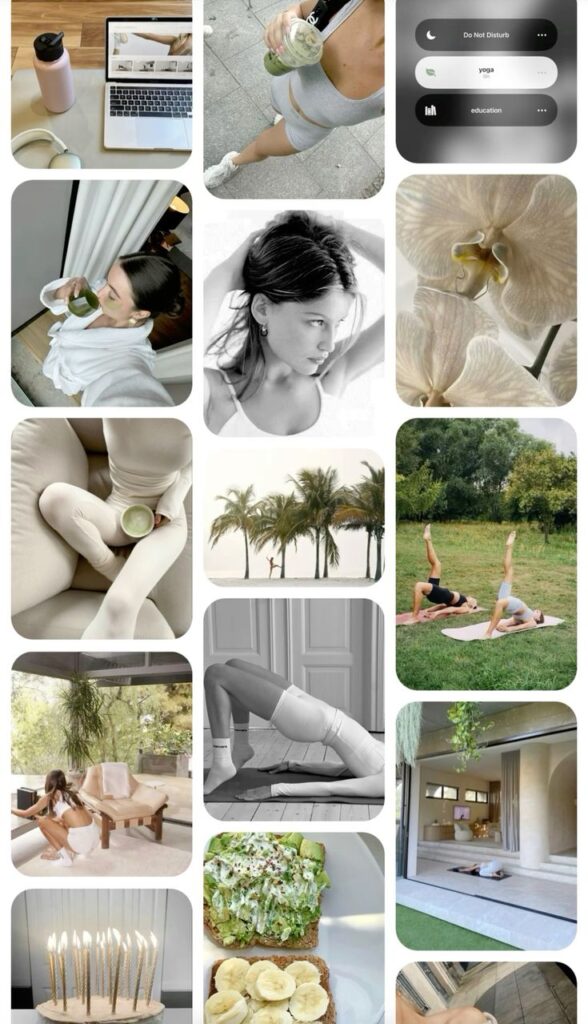
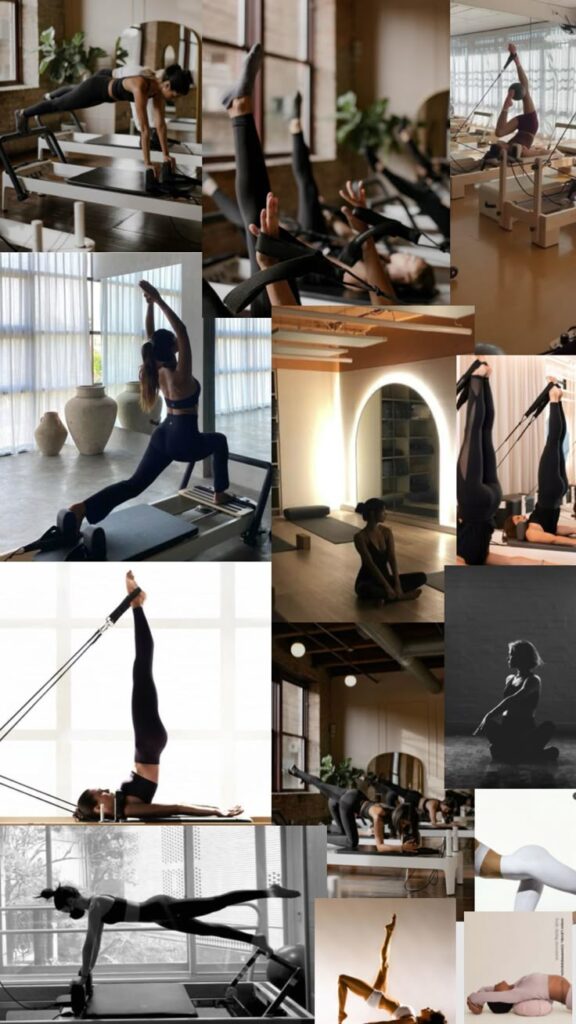
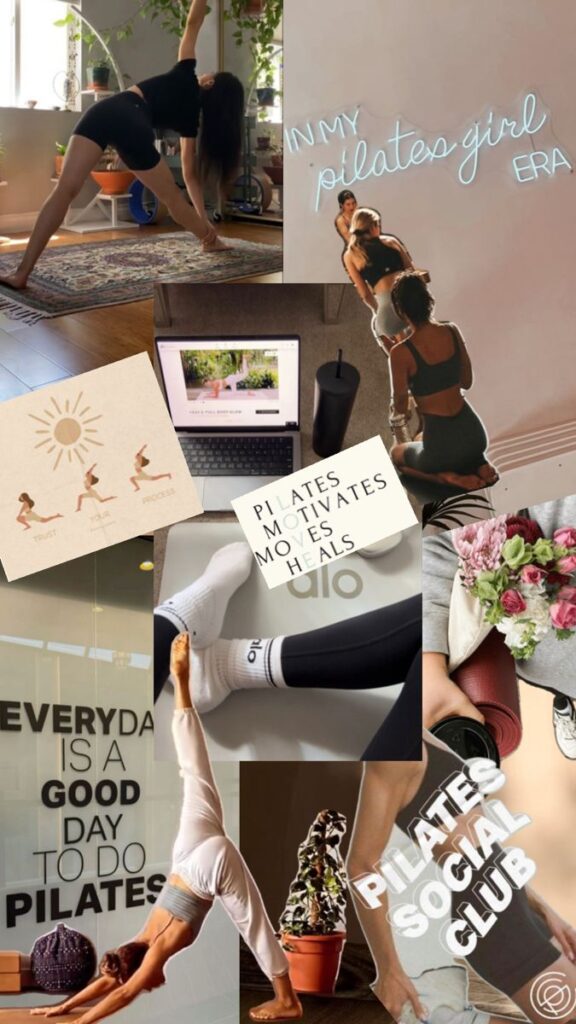
The world of Pilates backgrounds is diverse, allowing for personalization based on individual preferences and the desired mood. We can broadly categorize the styles into three main themes.
The Minimalist and Neutral Aesthetic
This is arguably the most popular style, aligning with the calming and controlled nature of Pilates. It prioritizes simplicity, soft colors, and clean composition.
- The Look: Characterized by beige, cream, charcoal, and white color palettes. Imagery often features single-line drawings, abstract shapes, or simple text.
- Core Concepts: Emphasizes tranquility, elegance, and focus. The lack of visual distraction promotes concentration during work or exercise.
- Example Usage: Perfect for a desktop background to maintain professionalism while keeping a personal touch of wellness inspiration, or for a studio focusing on refined, high-end clientele.
The Active and Motivational Style
This category appeals to those who view Pilates as a primary form of strength and fitness training. The visuals are designed to energize and encourage action.
- The Look: Features dynamic photos of people mid-pose, close-ups of equipment in motion, or motivational quotes with bolder, more saturated colors (e.g., deep greens, terracotta, or athletic blues).
- Core Concepts: Promotes strength building, persistence, and challenging oneself. It’s about visualizing the workout.
- Example Usage: Ideal for a phone lock screen, offering a quick burst of motivation before a workout, or in a fast-paced “Pilates with weights” studio setting.
The Illustrated and Abstract Art Style
For those who prefer a more artistic and unique approach, illustrated wallpapers offer a creative interpretation of the Pilates method.
- The Look: Utilizes vector illustrations, 3D renders, watercolor textures, or abstract geometric patterns that subtly resemble core movement or stability.
- Core Concepts: Focuses on the “flow” of movement, mind-body connection, and the artistry of Joseph Pilates’s original vision.
- Example Usage: Great for a unique profile banner or a statement piece in a studio waiting area, showcasing creativity and a deeper appreciation for the movement science.
Technical Considerations: Resolution and Format


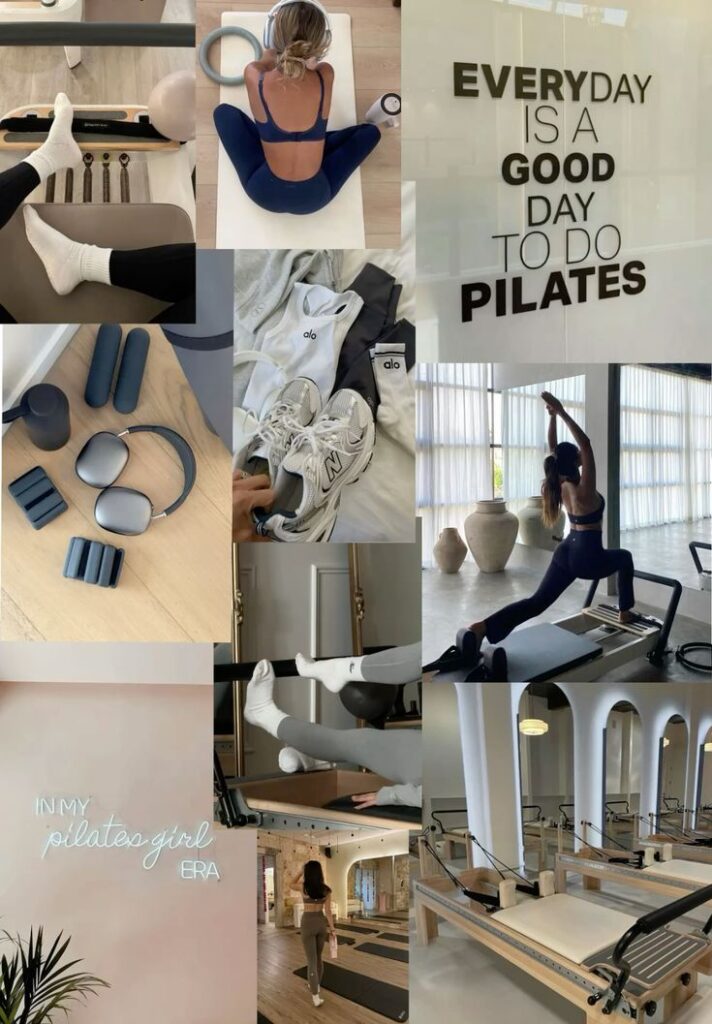
Choosing the right Pilates wallpaper is not just about the image; it’s also about the technical specifications to ensure quality display across different devices.
Understanding Digital Wallpaper Resolution
A high-quality image prevents pixelation (blurriness) and ensures a professional look.
- Mobile Devices (Smartphones): Aim for a resolution that matches your phone’s screen or slightly higher, typically around $1080 \times 1920$ pixels for vertical images, or $1440 \times 2560$ for higher-end models. The aspect ratio is usually $9:16$.
- Desktops/Laptops: Common resolutions include $1920 \times 1080$ (Full HD) or $2560 \times 1440$ (Quad HD). Always ensure the image is wide enough for the $16:9$ aspect ratio to avoid stretching or cropping.
- Smartwatches: These require small, square formats, often featuring only a minimal graphic or text due to the screen size.
File Formats and Sizing
- JPEG/JPG: Most common format. Offers good compression for photos, making file size manageable. Ideal for photographic wallpapers.
- PNG: Excellent for images with text, line art, or transparent areas. Provides lossless compression, preserving image quality for illustrations and vector designs.
- High-Resolution vs. File Size: While high resolution is essential, avoid excessively large file sizes, especially for mobile, as they can slow down device performance or deplete storage unnecessarily. A good balance ensures a crisp image that loads quickly.
Integrating Pilates Wallpapers into a Lifestyle
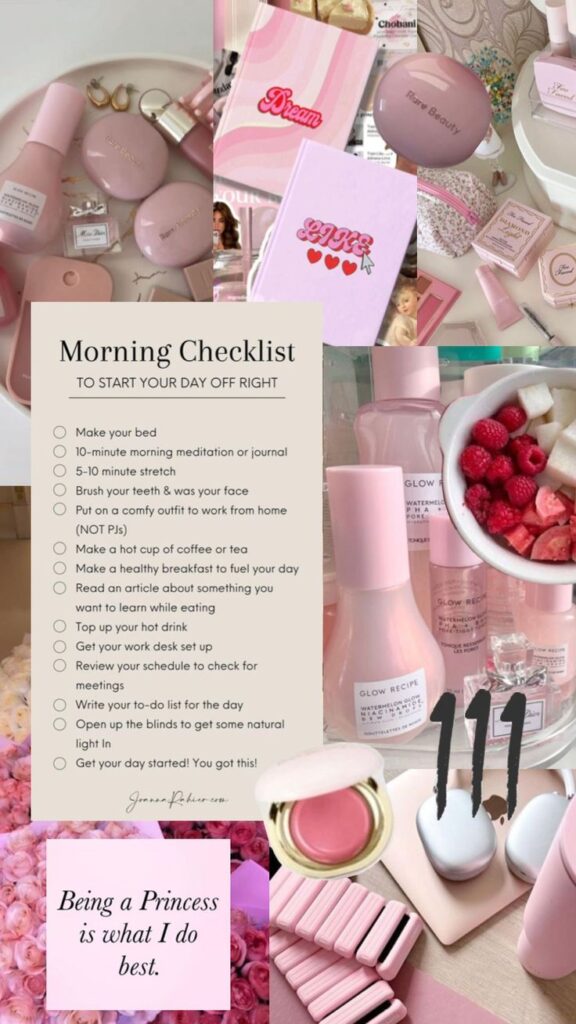

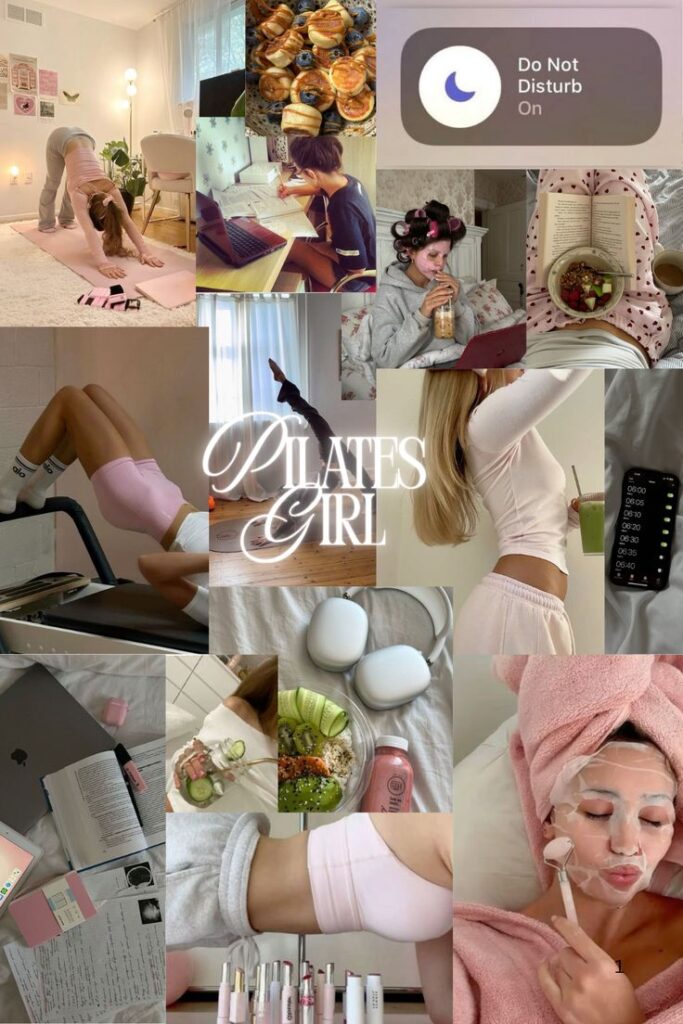
A Pilates background is more than just decor; it’s a tool for habit formation and self-care. Use it strategically to reinforce your wellness goals.
Creating a Vision Board with Wallpaper
Combine various elements to create a comprehensive digital vision board that features Pilates alongside other goals.
- The Collage Approach: Use design tools (like Canva or Photoshop) to create a collage that incorporates a central Pilates image, perhaps a serene studio or a reformer, surrounded by supporting imagery like healthy food, travel destinations, or aspirational quotes.
- Purposeful Placement: Place this vision board as your main desktop background, where you spend a significant part of your day. This constant, subconscious exposure helps keep your goals top of mind.
Using Wallpapers for Routine Reminders
A wallpaper can serve as a non-intrusive reminder system for your practice.
- Text Integration: A simple, elegant wallpaper with the text “Core Check” or “Breathe. Control. Flow” can serve as a micro-reminder whenever you glance at your phone. This prompts you to check your posture and engage your core throughout the day, extending the Pilates practice beyond the mat.
- Seasonal Rotation: Change your Pilates background with the seasons or quarterly to align with new fitness challenges or goals, keeping the motivation fresh and preventing visual fatigue.
Conclusion

The selection of a Pilates wallpaper—whether it is an aesthetic, high-resolution background for your phone or a large-format mural for your studio—is a small yet significant act of intention. It is a commitment to the principles of control, balance, and centeredness that define the Pilates method. By carefully choosing visuals that resonate with your personal wellness journey, you create a supportive environment that fosters consistency and deepens your connection to your mind and body. The right Pilates background is a powerful, passive tool for motivation, ensuring that the philosophy of a healthier, stronger self is always within sight.
FAQ: Frequently Asked Questions about Pilates Wallpaper
Q1: What makes a Pilates wallpaper “aesthetic”?
An “aesthetic” Pilates wallpaper typically refers to a design that uses minimalist principles, a soft, neutral color palette (creams, beige, muted pastels), and artistic compositions. It emphasizes tranquility and subtle elegance over bright, highly motivational graphics.
Q2: What are the best resolutions for a mobile Pilates wallpaper?
For modern smartphones, the ideal resolution is usually around $1080 \times 1920$ or higher, often with a vertical (portrait) $9:16$ aspect ratio. Always choose the highest resolution available to prevent blurriness or pixelation on high-definition screens.
Q3: Where can I find free, high-quality Pilates backgrounds?
Excellent sources for free, royalty-free Pilates backgrounds include stock image websites like Unsplash and Pexels. Use specific search terms like “Pilates aesthetic,” “Reformer studio minimal,” or “abstract fitness art.”
Q4: Can I use a Pilates wallpaper to create a vision board?
Yes, many people use digital Pilates backgrounds as the foundation for a digital vision board. You can use design apps to overlay motivational text, other images (e.g., healthy food, travel), and quotes onto a calming Pilates-themed backdrop.
Q5: What is LSI-lexicon, and how does it relate to the wallpaper?
LSI (Latent Semantic Indexing) lexicon refers to related terms, synonyms, and concepts. In the context of Pilates wallpaper, this includes terms like “fitness background,” “Reformer studio design,” “mind-body aesthetic,” “yoga screen saver,” and “wellness inspiration.”
Q6: What kind of physical wallpaper is best for a home Pilates studio?
For a home studio, consider vinyl decals for quotes and silhouettes, or peel-and-stick vinyl murals for larger graphic designs. These are typically easier to install, remove, and clean than traditional paper wallpaper, which is important for a workout space.
Q7: Should my Pilates wallpaper feature equipment or people?
This is a matter of personal preference. Equipment-focused wallpapers (Reformer, Cadillac) can remind you of the technical aspects and complexity of the method, while images of people mid-pose can inspire you with the feeling of flow, flexibility, and strength.
Q8: How often should I change my digital Pilates wallpaper?
You can change it as often as you like, but rotating it quarterly or seasonally can help maintain motivation. Changing the background prevents “wallpaper blindness,” where you stop noticing the image and its motivational message.
Q9: Are there specific color schemes recommended for Pilates decor?
Neutral, muted color schemes are highly recommended because they promote calmness and concentration, aligning with the core principles of the practice. Consider shades of off-white, beige, muted green, soft grey, and dusty rose.
Q10: What message should a commercial Pilates studio’s wallpaper convey?
A commercial studio’s wallpaper should convey its brand’s core values: be it luxury and exclusivity (with minimalist design), intensity and results (with dynamic photos), or community and welcome (with soft, inviting textures and light).