





Are you ready to transform your body and reach your fitness goals? Total body workouts can help you build strength, boost endurance, and enhance overall health in a balanced way. These workouts engage multiple muscle groups, making them efficient and effective for anyone looking to change their physique.
In this blog post, you will discover nine full body workouts designed to kickstart your journey toward a total body transformation. Each plan accommodates different fitness levels, ensuring you can find the right fit for your abilities. By incorporating these workouts into your routine, you will not only burn calories but also develop lean muscle mass.
Whether you are a beginner or an experienced lifter, understanding the fundamentals of full body workouts will be essential. Embrace the challenge and get ready to see real results as you move closer to achieving your personal fitness aspirations.
Key Takeaways
- Full body workouts effectively target multiple muscle groups.
- Consistency in your workout program is key to transformation.
- Understanding your fitness level can help you choose the right exercises.
Fundamentals of Full Body Workouts
Full body workouts combine various exercises to train multiple muscle groups in a single session. They focus on compound movements, maximizing efficiency and effectiveness. Understanding the basics can help you design a successful routine that meets your fitness goals.
Defining Full Body Workouts
Full body workouts involve training all major muscle groups in one session. They typically include exercises like squats, deadlifts, presses, and rows. This approach allows you to stimulate muscle growth and enhance strength.
These workouts often alternate between different muscle groups to prevent fatigue. A typical session lasts between 30 to 60 minutes, allowing you to achieve a comprehensive workout without spending hours at the gym.
Key Components of Total Body Training
Successful total body training includes several key components:
- Compound Movements: Exercises like bench presses and squats engage multiple joints, making them efficient.
- Exercise Variety: Incorporating various movements helps target different muscles and prevents boredom.
- Training Frequency: Ideally, aim to perform full body workouts 2 to 4 times a week. This helps build lean muscle mass while allowing ample recovery time.
Including corrective exercises can also enhance your routine by improving posture and reducing injury risk.
Benefits of Full Body Workouts
Engaging in full body workouts has several benefits:
- Time Efficiency: You can work out less frequently while still training all muscle groups.
- Increased Calorie Burn: By using multiple muscle groups, you elevate your heart rate, promoting fat loss.
- Enhanced Muscle Growth: Regular training can lead to increased lean muscle mass due to the incorporation of various stressors.
In summary, full body workouts are an effective way to achieve your fitness goals in a shorter amount of time while promoting overall strength and endurance.


Designing Your Workout Program
Creating a successful workout program involves selecting the right exercises, balancing strength and cardio, and understanding how to structure your sessions. This helps you effectively burn calories, build muscle, and improve overall fitness.
Selecting the Right Exercises
Choose exercises that engage multiple muscle groups. Focus on compound movements like squats, deadlifts, bench presses, and rows. These exercises allow you to maximize strength training effectiveness while promoting muscle growth.
Incorporate a variety of movement patterns, such as:
- Push: Bench press, shoulder press
- Pull: Pull-ups, bent-over rows
- Legs: Squats, lunges
Aim for 4 to 6 different exercises per workout, adjusting based on your fitness level. Also, vary your routine every few weeks to keep challenging your body and prevent plateaus.
Incorporating Strength and Cardio Workouts
Strength and cardio should coexist in your program. Both are crucial for calorie burning and enhancing fitness levels. Schedule strength training 3 to 4 times a week, targeting different muscle groups each session.
Consider adding high-intensity interval training (HIIT) for cardio. This improves endurance and burns calories efficiently. Alternate between strength and cardio to keep workouts diverse.
A sample weekly schedule could look like this:
| Day | Focus |
|---|---|
| Monday | Strength |
| Tuesday | Cardio (HIIT) |
| Wednesday | Strength |
| Thursday | Cardio (steady) |
| Friday | Strength |
| Saturday | Active Recovery |
| Sunday | Rest |
Understanding Workout Splits and Recovery
Your workout split defines how you schedule strength training. Common splits include full body workouts and specific muscle group splits, like push-pull-legs or upper-lower.
Recovery is equally important. Ensure adequate rest days to allow muscles time to heal and grow. Aim for at least 48 hours between targeting the same muscle group. Listen to your body; if you feel fatigued, add extra rest or adjust training intensity.
Incorporating light activities, like walking or stretching, on recovery days can also aid in muscle recovery and flexibility.

Executing Full Body Workouts
When you execute full body workouts, it’s essential to focus on the sequence and structure of your exercises. Incorporating specific techniques helps maximize muscle engagement and targets all major muscle groups. Additionally, following proper safety guidelines ensures injury prevention and promotes effective training.
Workout Sequencing and Structure
To create an effective full body strength workout, start by planning your exercises wisely. Use the following structure:
- Warm-Up: Spend 5-10 minutes warming up with dynamic stretches or light cardio.
- Major Movements First: Begin with compound exercises like barbell deadlifts, squats, and bench presses. These target multiple muscle groups and maximize strength gains.
- Accessory Exercises: Follow up with movements that focus on specific areas, incorporating corrective exercises to address any muscle imbalances.
- Cool Down: End with stretching to improve flexibility and aid recovery.
Aim for 45-60 minutes per session, using 3-4 sets of each exercise to balance intensity and duration. Maintain a training frequency of 2-3 times per week for optimal fat loss and muscle growth.
Techniques for Maximizing Muscle Engagement
To increase effectiveness, apply these techniques during your workouts:
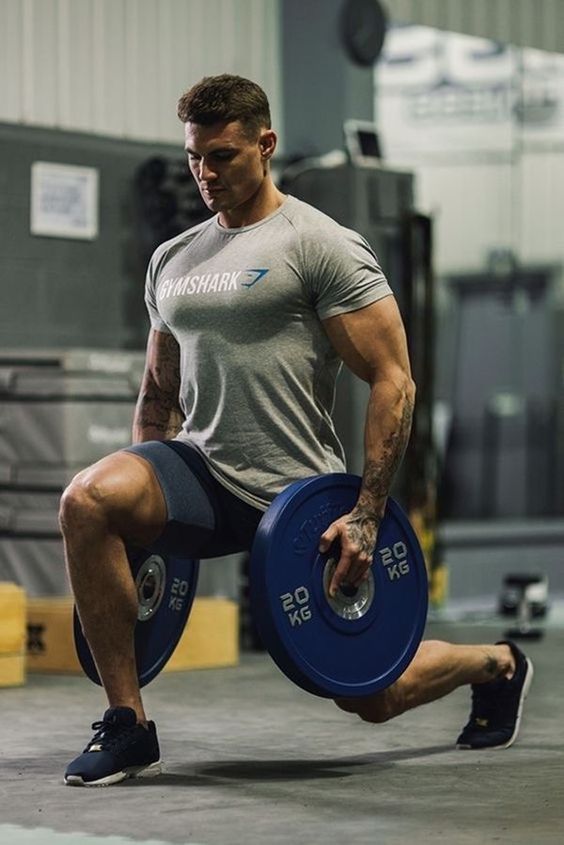
- Focus on Form: Proper technique in movements like squats and lunges helps engage the correct muscles while preventing injury.
- Utilize the Push-Pull-Carry Method: This approach includes pushing (like bench presses), pulling (such as rows), and carrying (like farmer’s carries) to work various muscle groups.
- Emphasize Hinge Movement: Movements like deadlifts effectively target your posterior chain, essential for a balanced physique.
Remember to gradually increase weights or resistance to continue challenging your body. Muscle engagement leads to building lean muscle and improving overall strength.
Safety and Injury Prevention Tips
To prevent injury during your full body workouts, follow these safety tips:
- Use Proper Warm-Up: Always warm up to prepare your muscles and joints for exercise.
- Listen to Your Body: Be mindful of any discomfort or pain. Adjust your exercises or reduce weights if needed.
- Balance Your Workout: Incorporate exercises that cover all major movement patterns, like squat, lunge, hinge, push, and pull. This helps avoid overuse injuries and keeps your training comprehensive.
- Progress Gradually: Increase intensity by small increments to prevent muscle strain.
By applying these safety and workout strategies, you can achieve effective and safe full body workouts.
Frequently Asked Questions
You might have some questions about full-body workouts and how they can help with your fitness goals. Here are some clear answers to help you understand better.
How can I effectively lose weight with full-body workouts at home?
To lose weight effectively, focus on combining strength training with cardio in your full-body workouts. Include exercises like squats, push-ups, and burpees. This mix helps burn calories and build muscle. Aim for at least three sessions a week, adjusting your diet to support your weight loss goals.
What is an optimal frequency for full-body workouts to achieve body transformation?
For body transformation, aim for three to four full-body workouts each week. This frequency allows your muscles to recover while still promoting growth and fat loss. It’s essential to balance workout intensity and rest days for the best results.
Are there specific full-body workouts that are more effective for women?
Women can benefit from the same full-body workouts as men, but they may choose variations that focus on specific areas, like lower body strength. Incorporating exercises like lunges, kettlebell swings, and overhead presses can help build strength and endurance. Tailor your routine to your fitness level.
What are the recommended full-body exercises for males aiming for muscle gain?
Males looking to gain muscle should include compound exercises in their routine. These can include deadlifts, bench presses, and pull-ups. These movements work multiple muscle groups and help increase strength and mass.
How long does it typically take to see noticeable results from full-body workouts?
Generally, you can start noticing results within four to six weeks of consistent training. Changes in strength, muscle tone, and body composition often appear during this time. Individual factors like diet, intensity, and starting fitness level can influence how quickly you see progress.
Can performing full-body workouts daily lead to overtraining?
Yes, working out daily without sufficient rest can lead to overtraining. This can result in fatigue, decreased performance, and increased risk of injury. It’s important to schedule rest days and vary your workout intensity to allow your body to recover fully.