





Stepping onto the court, ready for a killer serve or a graceful backhand volley, there’s one unsung hero often overlooked in a player’s arsenal: the humble tennis bag. It’s more than just a holder for your rackets; it’s your mobile locker room, your hydration station, and your style statement, all rolled into one. For many, choosing a tennis bag feels like an afterthought – grab whatever fits your racket. But a truly great bag can transform your entire court experience, keeping you organized, protected, and looking sharp.
Think about it: you’ve invested in a fantastic racket, maybe some comfy shoes, and a sleek outfit. Why short-change the very thing that carries and protects all of it? A well-chosen tennis bag is about convenience, longevity for your gear, and a touch of personal flair. It keeps your sweaty clothes separate from your fresh ones, your hydration ice-cold, and your grip tape within easy reach. In this casual guide, we’re going to walk you through everything you need to know to pick the perfect tennis bag that serves up both style and practicality.
More Than Just a Sack: Why a Dedicated Tennis Bag Matters
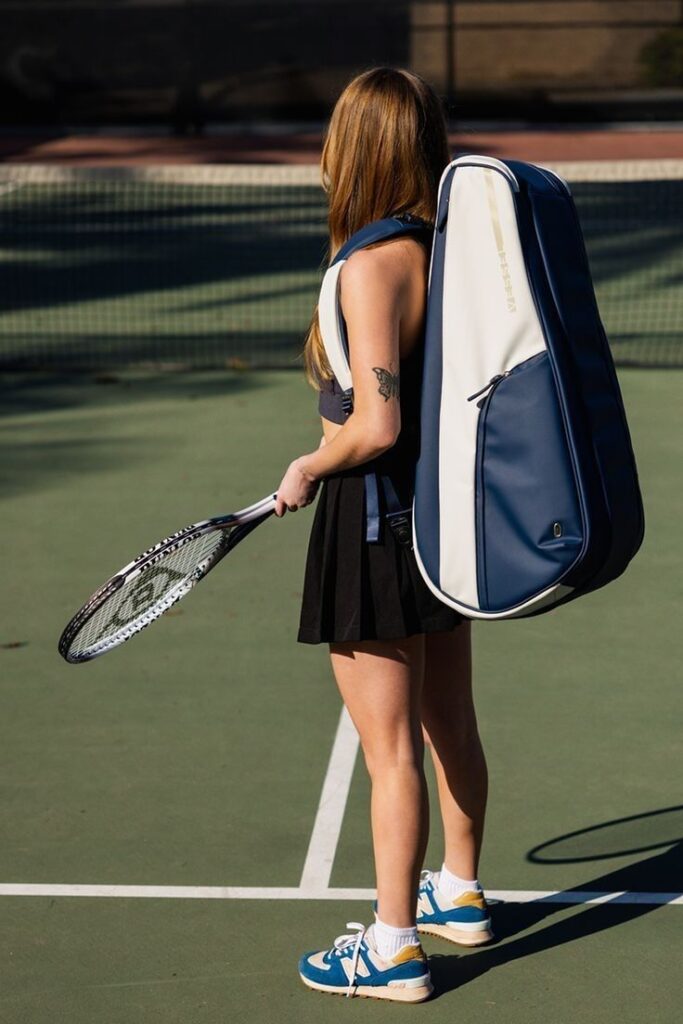

You might be thinking, “Can’t I just use a regular duffel bag or a backpack?” Sure, you could. But a dedicated tennis bag is designed with a player’s specific needs in mind. It’s like comparing a multi-tool to a specialized carpentry set – both get the job done, but one does it far better, with greater efficiency and precision.
The primary reason to invest in a purpose-built tennis bag is protection. Tennis rackets are delicate instruments. Their frames can warp, strings can lose tension, and grips can wear out faster if they’re constantly jostled or exposed to extreme temperatures. Many tennis bags feature padded compartments, some even with thermal lining, to shield your precious rackets from impacts and temperature fluctuations. This extends the life of your strings and preserves the integrity of your racket’s frame.
Next up is organization. Picture this: you’re digging through a generic bag, frantically searching for your keys, while your match is about to start. A proper tennis bag has specific pockets for everything: dedicated shoe compartments (often ventilated!), accessory pockets for your phone, wallet, keys, grip tape, and dampeners, and even separate sections for wet clothes. This level of organization not only saves you time and stress but also prevents unpleasant odors from spreading to your fresh gear.
Finally, there’s convenience and comfort. Tennis bags are designed to be carried comfortably, whether you’re biking to the court, walking across a large club, or navigating airport terminals for a tournament. Padded, adjustable straps, often convertible for backpack or shoulder carry, distribute weight evenly. Easy-access pockets mean you’re not fumbling around when you need a quick towel or a sip of water during a changeover.
Unpacking the Options: Types of Tennis Bags
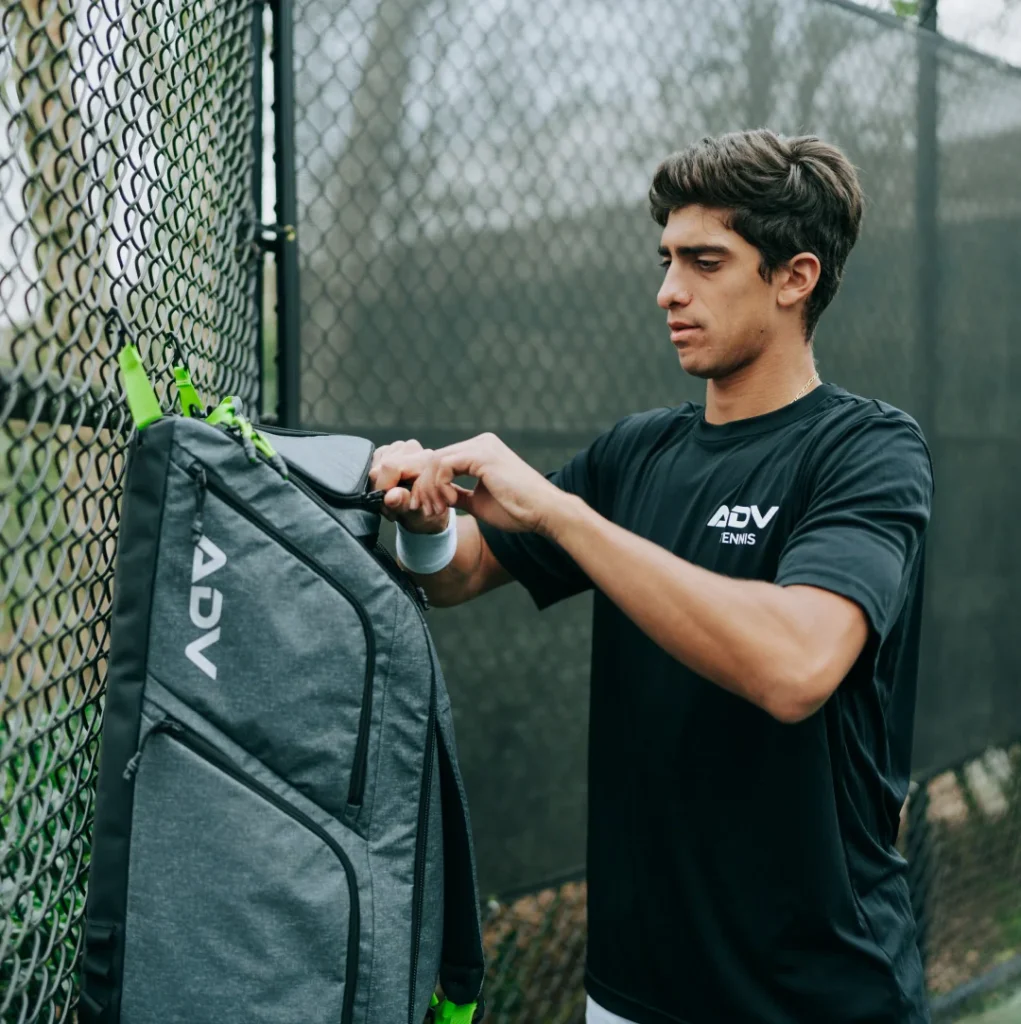
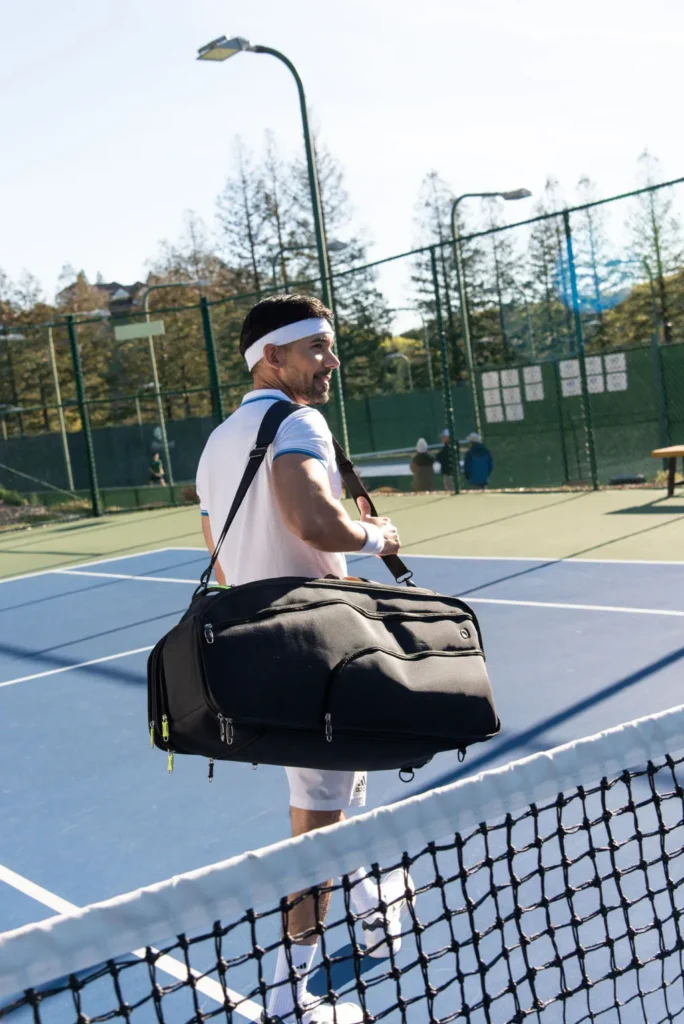
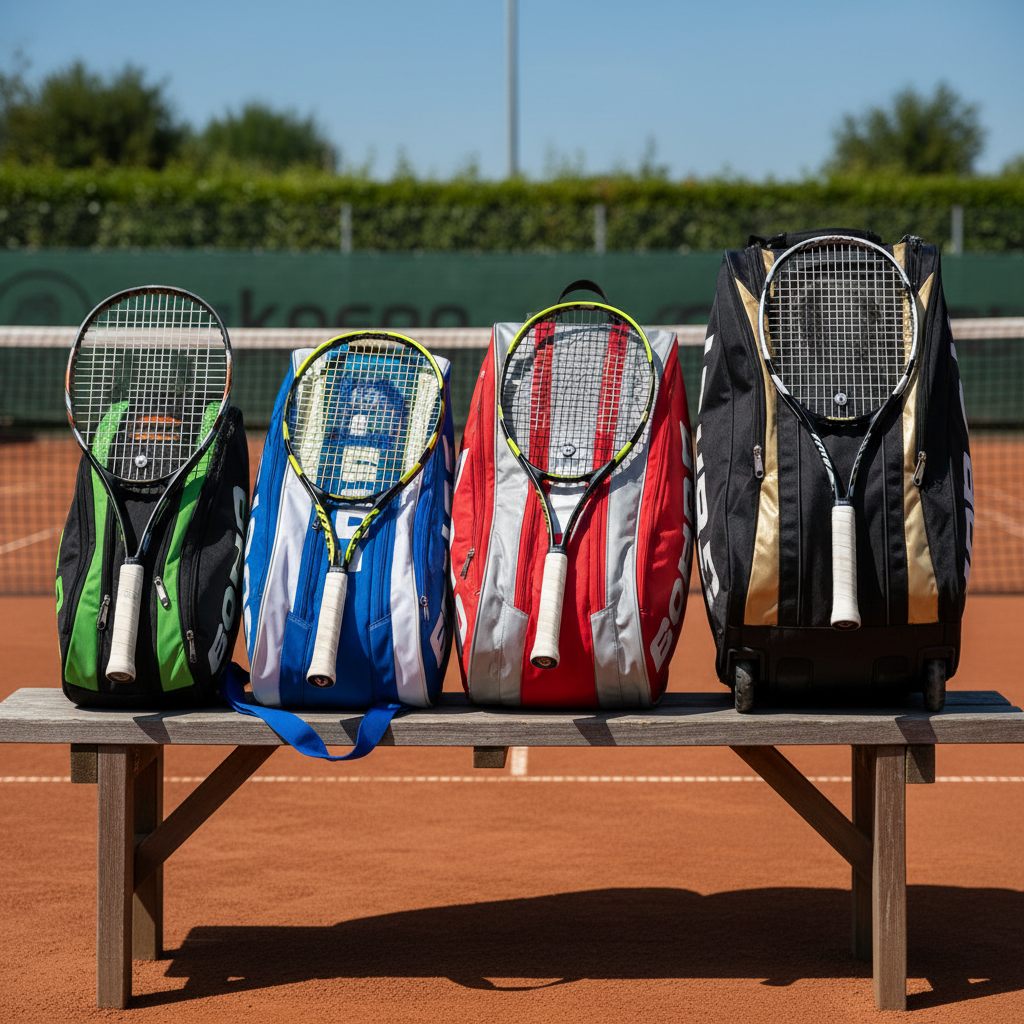
Just like rackets, tennis bags come in various shapes and sizes, each catering to different types of players and their gear requirements. Knowing the main categories will help you narrow down your choices considerably.
Racket Bags (The Classic Choice)
These are arguably the most iconic tennis bags, easily identifiable by their elongated shape designed specifically to house multiple rackets. They’re measured by the number of rackets they can comfortably hold.
- 3-Pack Bags: The minimalist’s dream. Perfect for the casual player who carries one or two rackets, a can of balls, and a small water bottle. They’re compact, lightweight, and easy to sling over your shoulder. Great for quick practice sessions.
- 6-Pack Bags: A popular choice for many recreational and club players. These offer enough space for 2-4 rackets, a change of clothes, shoes, a towel, and some accessories. They usually have at least two main compartments, with one often being thermally protected.
- 9-Pack Bags: Stepping up in capacity, these are favored by competitive juniors or serious club players. You can easily fit 4-6 rackets, a full change of clothes, a separate shoe compartment, multiple accessory pockets, and still have room for snacks or a larger water bottle. They offer excellent versatility for weekend tournaments.
- 12-Pack Bags: The workhorse for serious competitors, coaches, or players who travel frequently. These bags can swallow 6-9 rackets (leaving room for other gear), multiple changes of clothing, a dedicated shoe tunnel, and a plethora of accessory pockets. Many pros use these, often carrying several backup rackets and specialized strings.
- 15-Pack Bags (and larger): Less common for the average player, these are truly for professionals or coaches who need to carry a vast amount of gear, including multiple racket setups, stringing tools, and various training aids. They’re massive, offering unparalleled storage but can be cumbersome for daily use.
Tennis Backpacks (The Everyday Commuter)
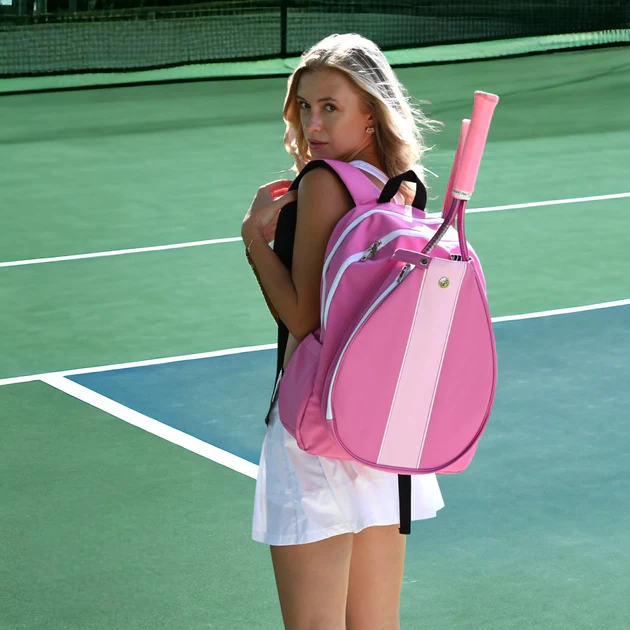
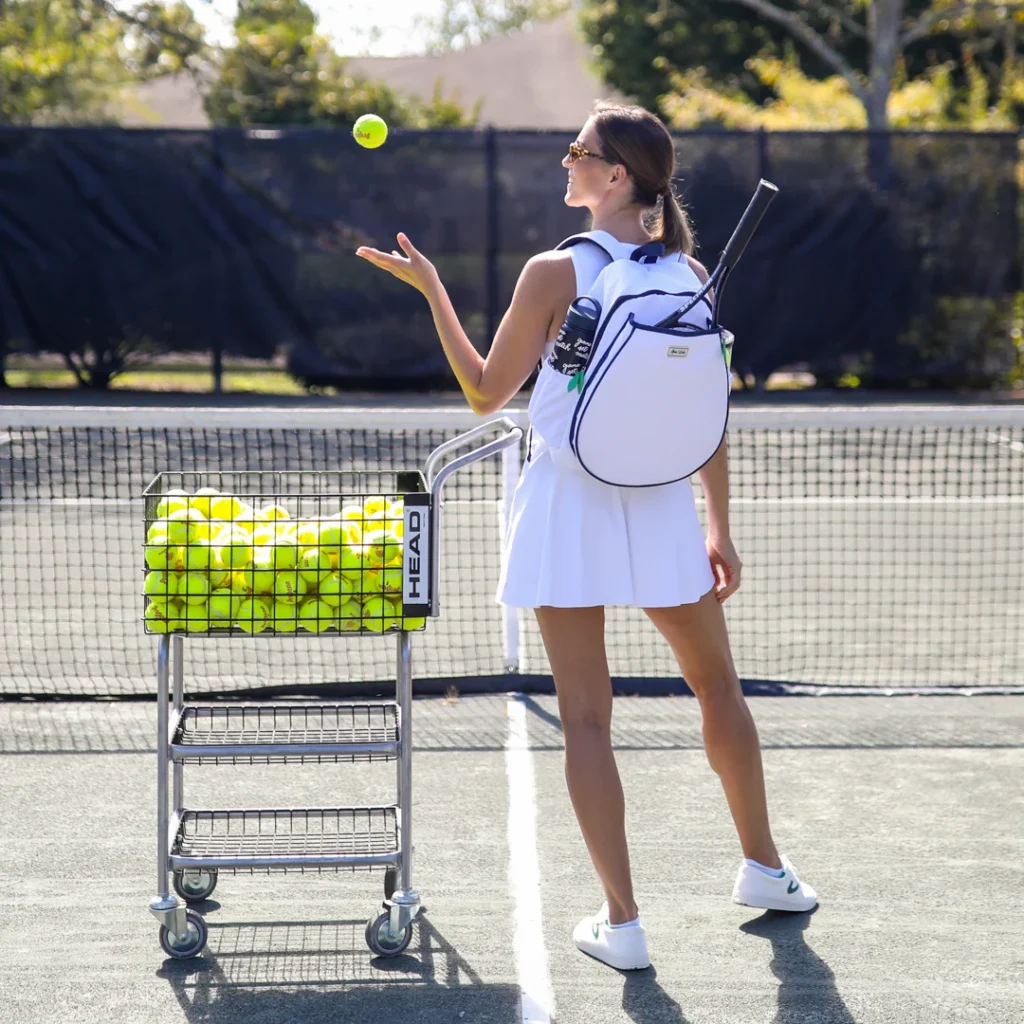
If you’re heading straight from work or school to the courts, a tennis backpack might be your best friend. These bags blend the functionality of a sports bag with the convenience of a traditional backpack.
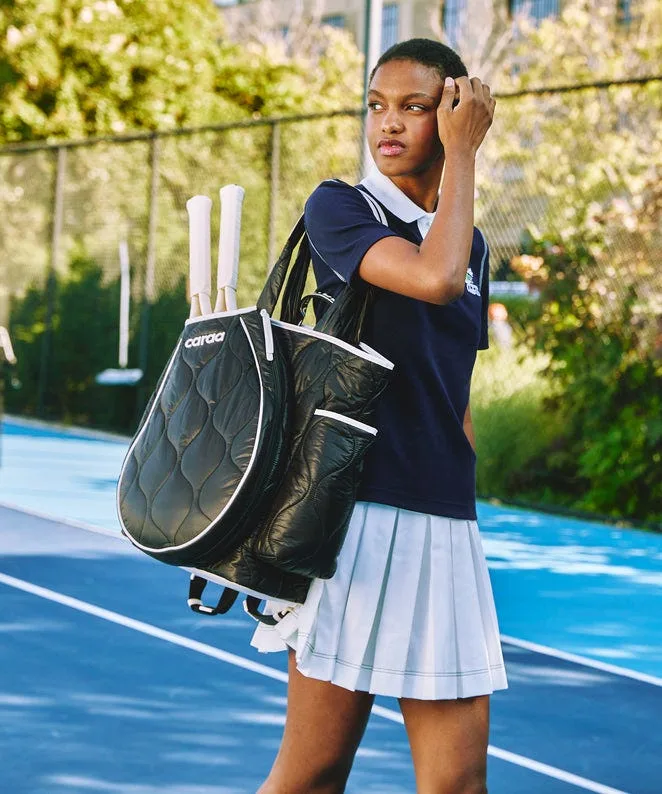
- Design: Most tennis backpacks feature a dedicated, padded compartment for 1-2 rackets, often extending up the back of the pack. The handles typically stick out, but the main body of the bag remains compact.
- Capacity: Besides the racket compartment, they usually have a main section for clothes, shoes (sometimes with a separate vented pocket), and various smaller pockets for personal items.
- Pros: Highly convenient for carrying on public transport, bikes, or through crowded areas. They distribute weight evenly across both shoulders, making them comfortable for longer walks. Often look less “sporty” than traditional racket bags, making them more versatile for daily use.
- Cons: Limited racket capacity, usually 1-2. Less space for bulky items compared to larger racket bags.
Tennis Duffel Bags (The Versatile All-Rounder)
While generic duffels exist, many brands now offer tennis-specific duffel bags. These often look more like a traditional gym bag but come with features tailored for tennis.
- Features: They might have a side compartment designed to fit a racket (or two, without covers), a dedicated shoe pocket, and multiple internal and external pockets.
- Pros: Generally very spacious for non-racket gear like clothes, towels, and toiletries. Often have a more relaxed, casual look. Good for players who prioritize general gear storage over multi-racket transport.
- Cons: Racket protection might be less robust than in a dedicated racket bag. Rackets might move around more unless secured in a specific pocket.
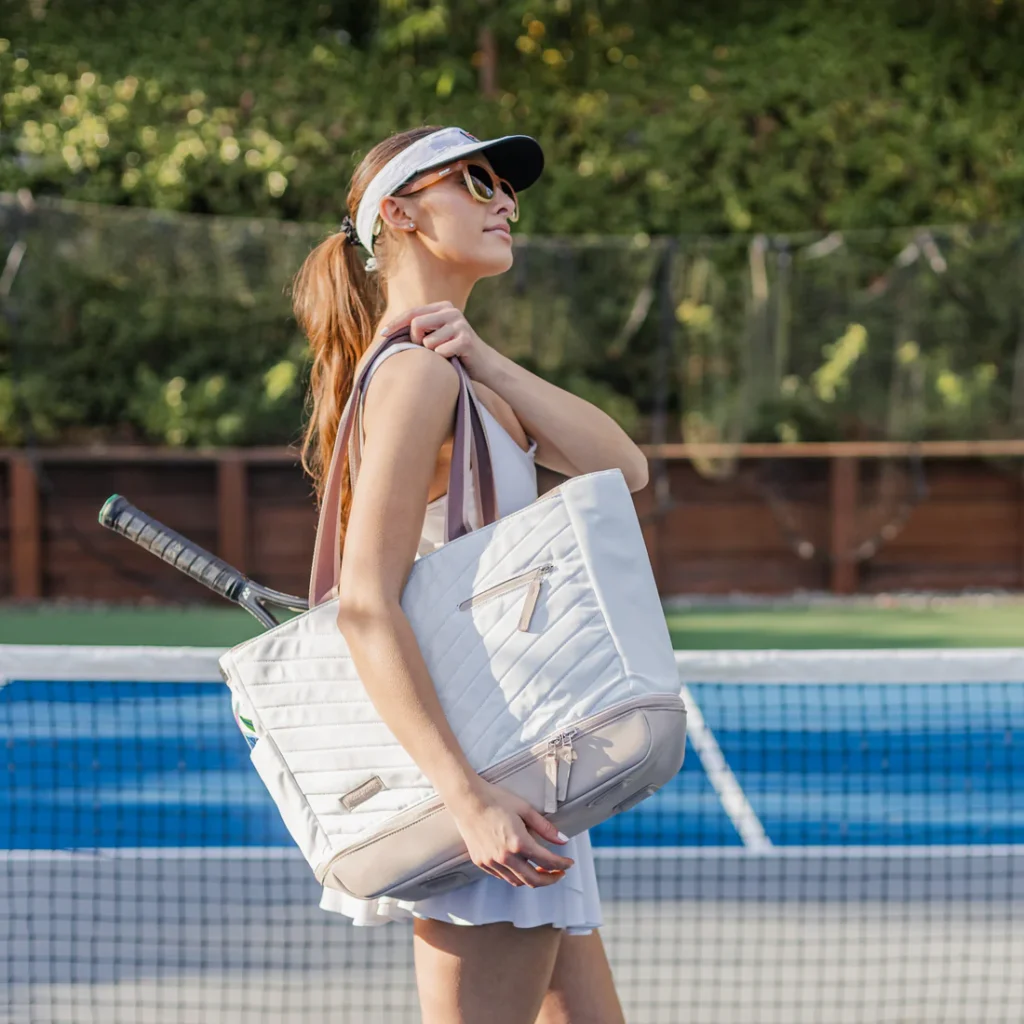
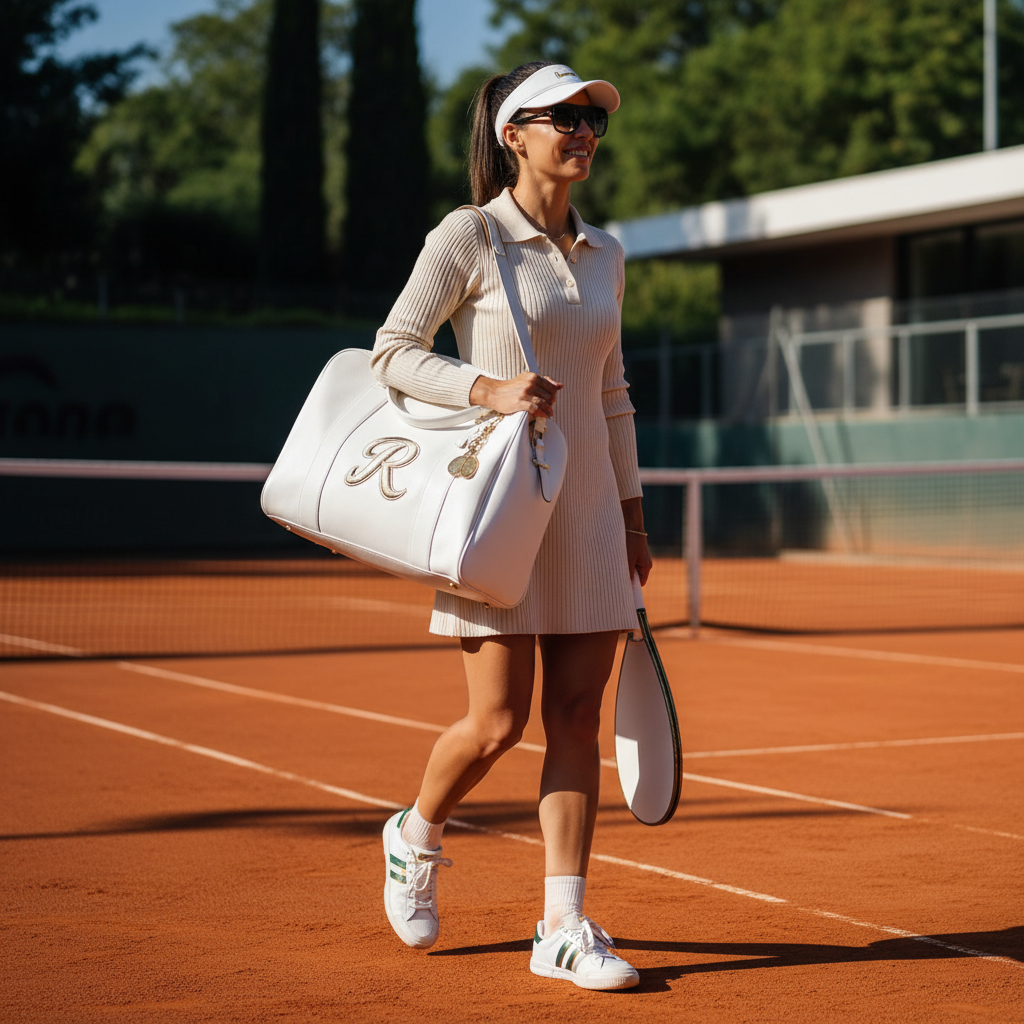
Tennis Tote Bags (The Stylish Minimalist)
These are less common but are gaining traction, especially among players who value aesthetics and minimal gear.
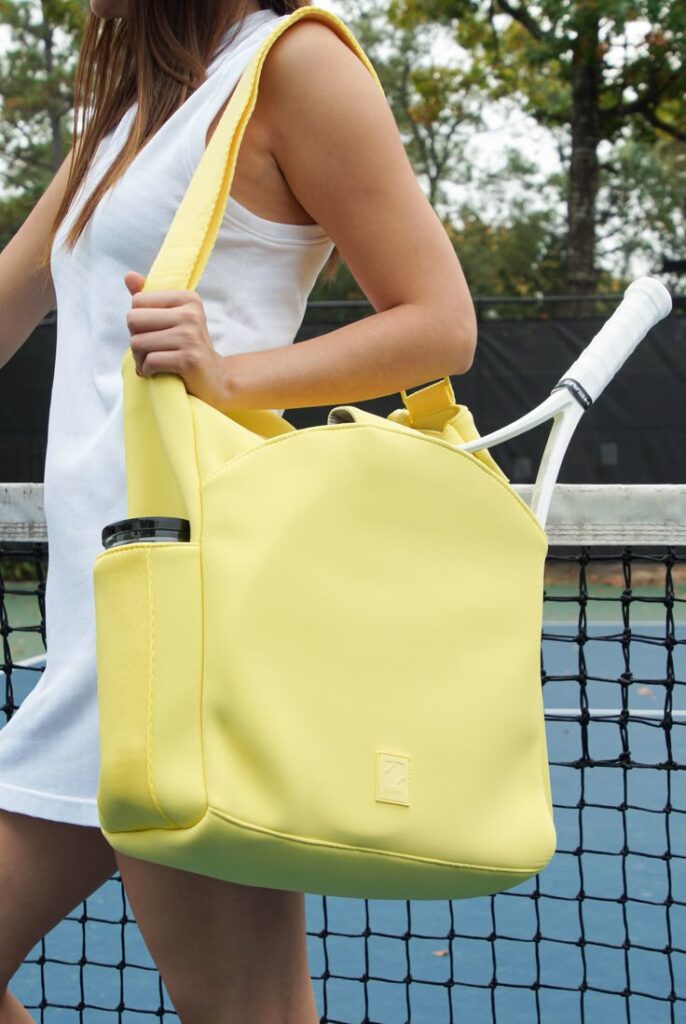
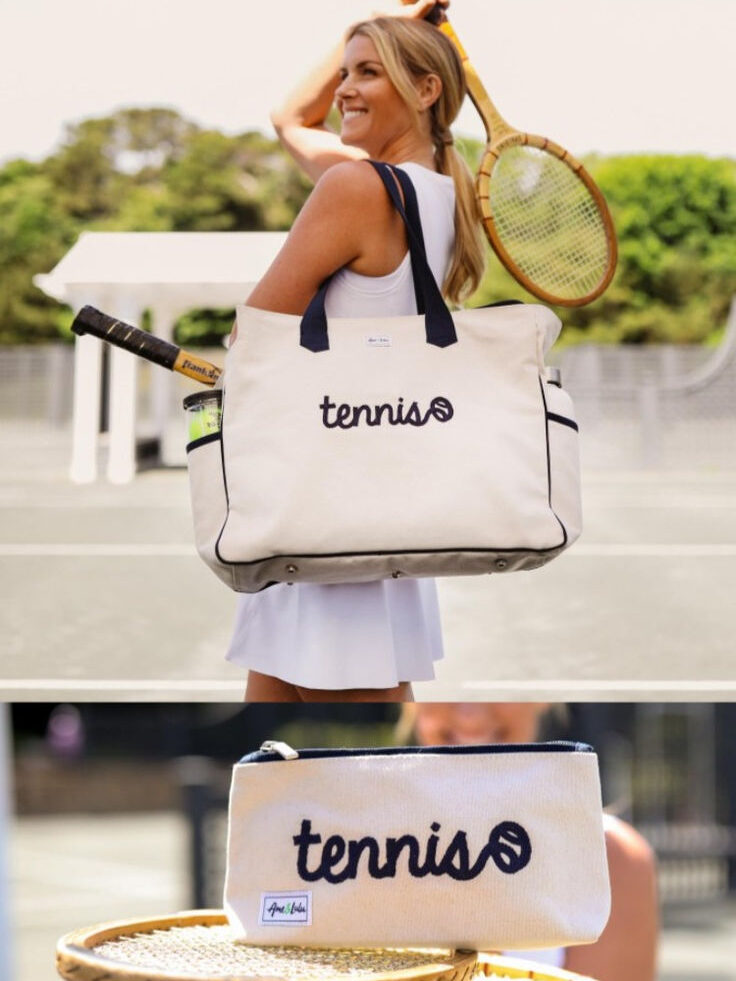
- Design: Resembling a large, stylish carry-all, some tote bags include a slender, padded compartment for a single racket.
- Pros: Fashion-forward, great for a quick hit with just one racket and essential personal items.
- Cons: Very limited capacity and racket protection. Not for serious players or those with multiple rackets.
Digging Deeper: Key Features to Look For
Once you’ve got a handle on the types of bags, it’s time to dive into the nitty-gritty features that separate a good bag from a great bag.
Capacity and Compartments: The Art of Organization
This goes beyond just the “pack” number. Think about how the bag is organized.
- Main Racket Compartments: How many does the bag have? Are they padded? Do any offer thermal protection (often lined with silver/foil material)? Thermal protection is crucial for high-performance strings, which can lose tension rapidly in heat or cold.
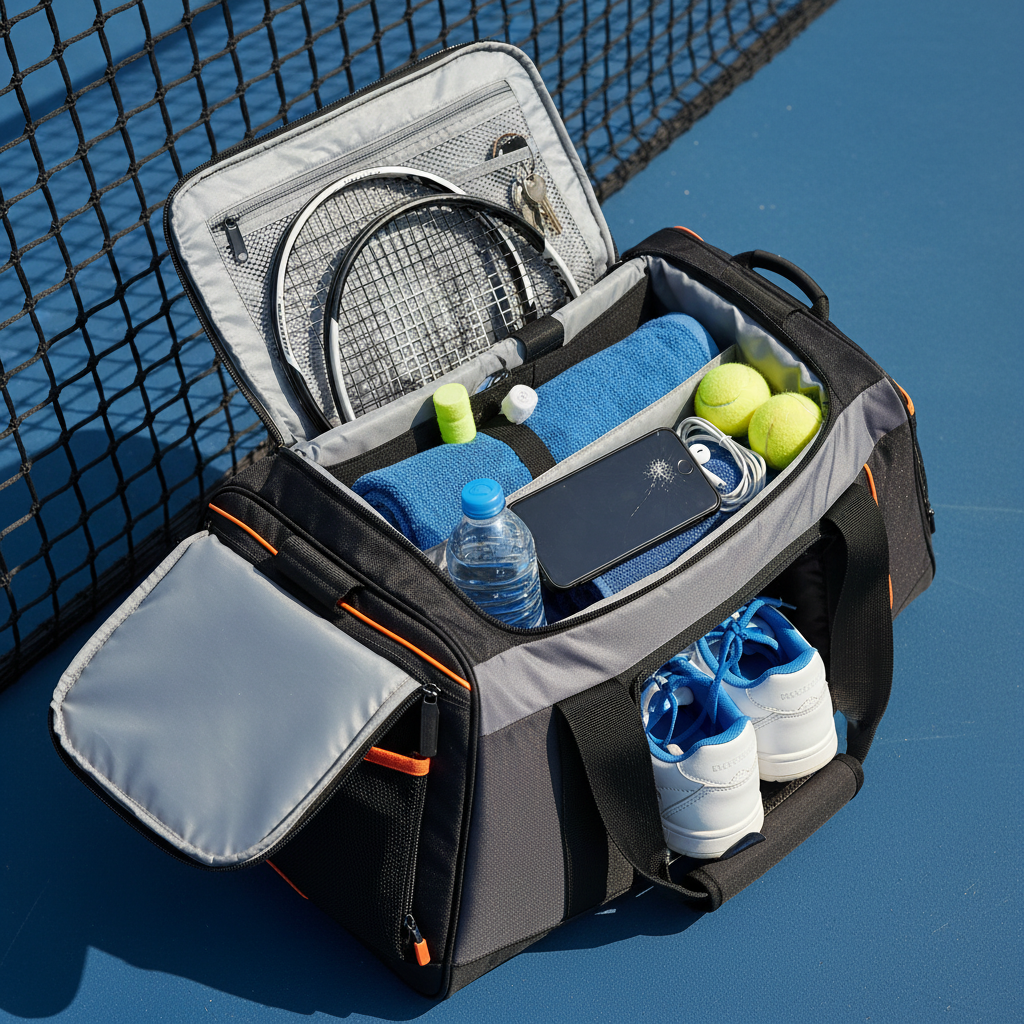
- Shoe Compartment: A non-negotiable for many. A separate, often ventilated compartment keeps dirty, smelly shoes away from your clean clothes and other gear. Look for one that’s easily accessible and large enough for your shoe size.
- Accessory Pockets: These are your lifelines. Small, zippered pockets for keys, wallet, phone, grip tape, dampeners, sunscreen, hair ties, and even a snack bar. Some bags have fleece-lined pockets for delicate items like sunglasses or smartwatches. External mesh pockets for water bottles are also incredibly handy.
- Wet/Dry Compartment: Some bags offer a water-resistant compartment for sweaty clothes or a damp towel, preventing moisture and odor from spreading. This is a game-changer after an intense match.
Material and Durability: Built to Last
Your tennis bag will take a beating, from being tossed in the car to sitting on damp courts.
- Fabric: Look for durable, water-resistant materials like polyester or nylon. Some premium bags use tougher, ripstop fabrics. A heavier denier (e.g., 600D, 1200D) indicates a thicker, more robust material.
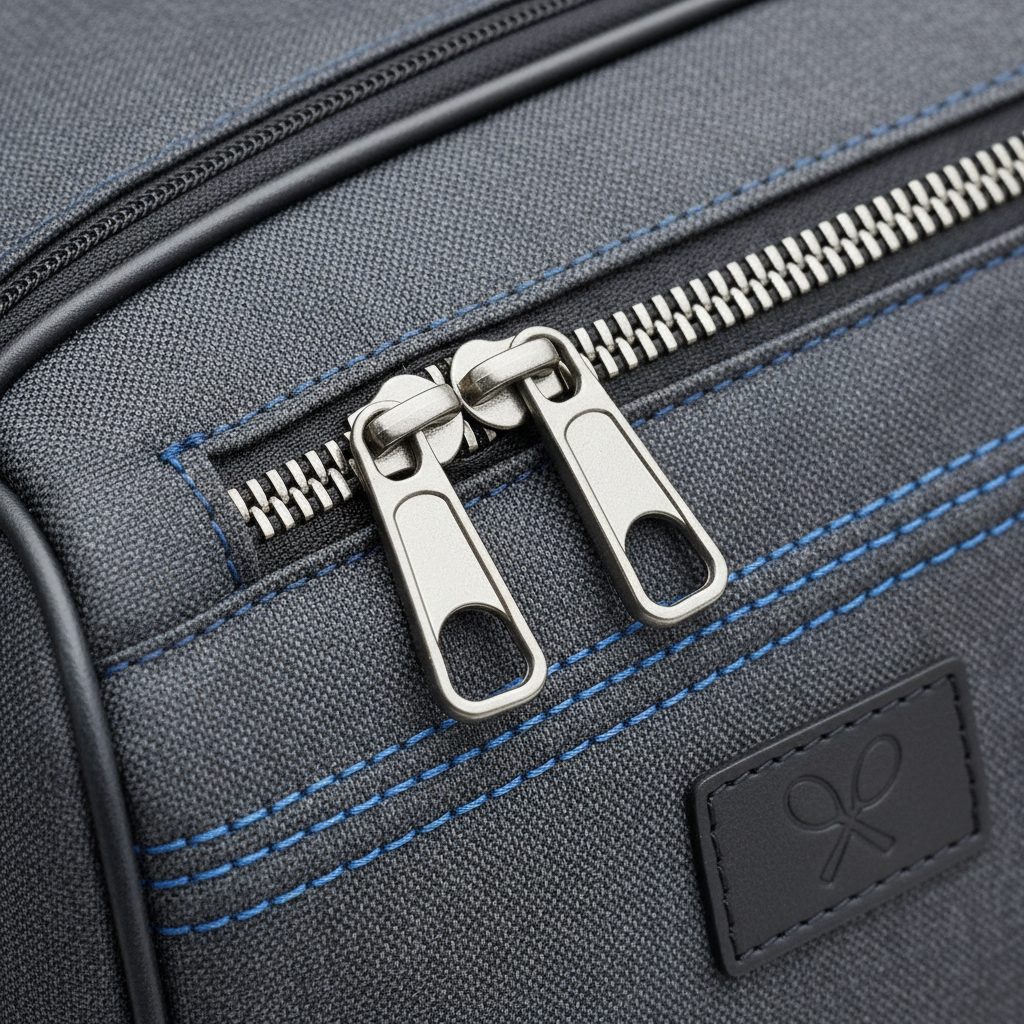
- Zippers: This is a common point of failure. YKK zippers are generally considered the gold standard for durability and smooth operation. Look for large, robust zippers that aren’t prone to snagging or breaking. Double zippers are also great for easy access and potential locking.
- Seams: Check for reinforced stitching, especially at stress points like where straps attach to the bag.
- Base: A reinforced or waterproof base can protect your gear if the bag sits on a wet surface.
Comfort: Carrying Your Load with Ease

No one wants to haul an uncomfortable bag, especially when it’s loaded with gear.
- Straps: Padded, adjustable shoulder straps are essential. Many larger racket bags offer backpack-style straps that are comfortable for longer distances. Look for straps that are ergonomically designed to contour to your body.
- Carry Handles: A sturdy grab handle at the top is useful for quick lifts. Some larger bags also have a central handle for carrying like a duffel.
- Convertibility: Some bags allow you to switch between shoulder and backpack carry, offering greater versatility.
Thermal Protection: Keeping Your Strings Happy
This is a premium feature, but one worth considering if you invest in high-quality strings or play in varying climates.
- Purpose: Lined with a silver, insulated material, these compartments protect rackets and strings from extreme heat (which can soften strings and reduce tension) and cold (which can make strings brittle).
- Benefits: Helps maintain string tension and extends the life of your strings. Also useful for keeping drinks or snacks cool on a hot day.
Ventilation: A Breath of Fresh Air
Nobody likes a stinky bag.
- Ventilated Shoe Compartment: As mentioned, this is key. Mesh panels or small vents allow air to circulate, helping shoes dry out and preventing odor buildup.
- General Airflow: Some bags incorporate ventilation panels in other compartments, especially for wet clothes.
Security: Peace of Mind
For those carrying expensive gear or traveling, security features are a bonus.
- Lockable Zippers: Many premium bags feature loops on the zippers that allow you to attach a small padlock, deterring casual theft.
Matching Your Bag to Your Playstyle: A Personalized Approach
Now that you know the different types and features, let’s connect them to your specific needs on the court.
The Casual Hitter (Once a Week Fun)
- You: Play for enjoyment, maybe hit with friends or take a weekly lesson. You typically bring one racket, a can of balls, a water bottle, and your phone.
- Your Ideal Bag: A tennis backpack or a 3-pack racket bag. You don’t need excessive space, but you want convenience and protection for your single racket. A small accessory pocket for keys and phone is a must.
- Key Feature Focus: Comfort for carrying, basic racket protection, and easy access.
The Weekend Warrior (Club League & Regular Play)
- You: Play 2-3 times a week, participate in club leagues, and might occasionally enter a local tournament. You carry 1-2 rackets, a change of clothes, shoes, a towel, and several accessories.
- Your Ideal Bag: A 6-pack racket bag or a more spacious tennis backpack with a good shoe compartment. You need enough room for a full set of gear without feeling overloaded.
- Key Feature Focus: Good organization (shoe compartment, accessory pockets), decent racket protection (thermal optional), and comfortable shoulder carry.
The Dedicated Competitor (Tournament Player & Serious Junior)

- You: Train frequently, play multiple matches in tournaments, and rely on specific equipment. You carry 2-4 rackets (with backup options), multiple changes of clothes, two pairs of shoes, a substantial towel, drinks, snacks, and a full array of accessories.
- Your Ideal Bag: A 9-pack or 12-pack racket bag. You need ample space for multiple rackets, separate compartments for shoes and wet gear, and plenty of accessory pockets. Thermal protection for at least one racket compartment is highly recommended.
- Key Feature Focus: Maximum capacity, robust organization, thermal protection, highly durable materials, and comfortable backpack-style straps for extended carrying.
The Coach or Professional (Heavy Hauler)
- You: On court all day, teaching or playing at the highest level. You need multiple rackets (often 6+), spare string reels, tools, balls, teaching aids, and all your personal gear.
- Your Ideal Bag: A 12-pack, 15-pack, or even larger tour bag. Some pros even use two large bags – one for rackets, one for apparel and shoes.
- Key Feature Focus: Unrivaled capacity, multiple thermally protected compartments, extreme durability, and strong, comfortable carrying systems.
Style & Aesthetics: Your Personality on the Court

Beyond function, your tennis bag is an extension of your personal style. While it won’t impact your serve, looking good can certainly boost your confidence.
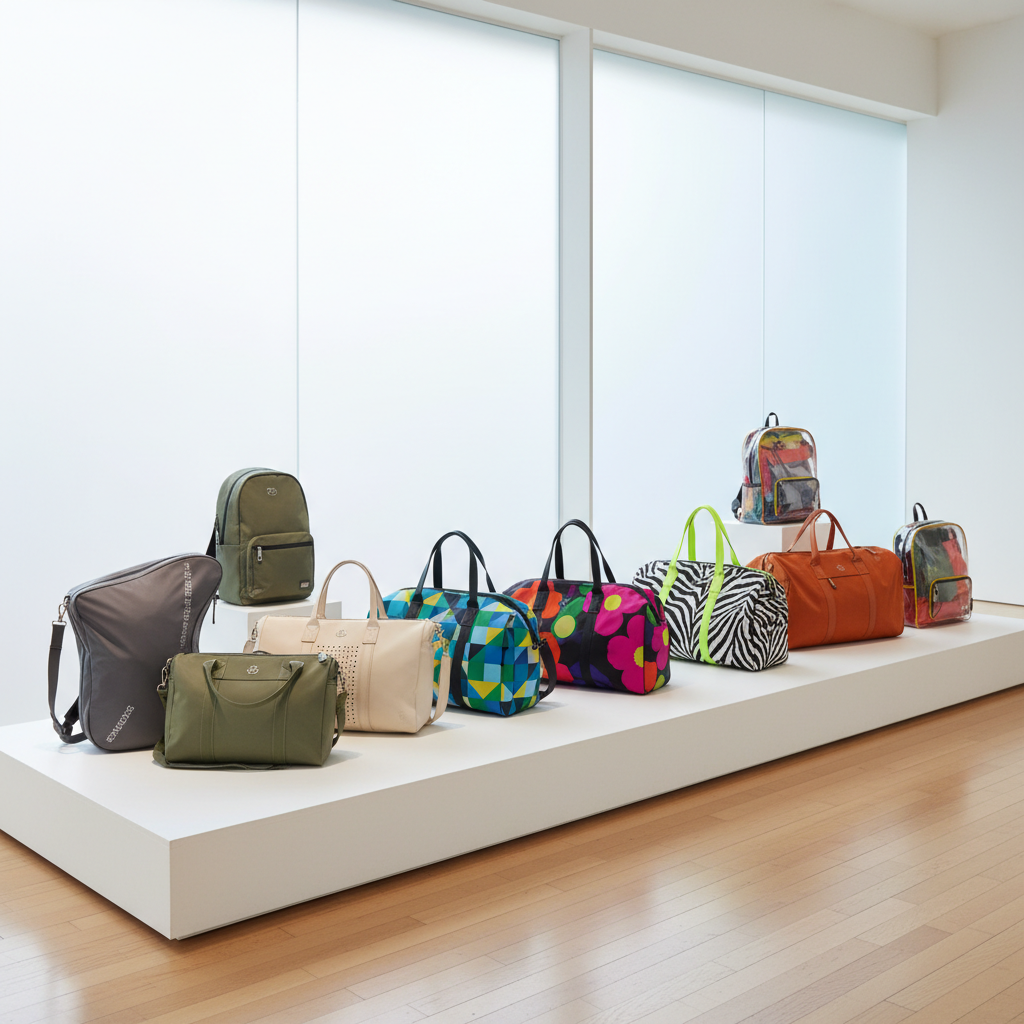
- Color & Design: Tennis bags come in a dazzling array of colors and designs. Do you prefer a classic, understated black or white? Or do you lean towards vibrant colors, bold patterns, or even limited edition designs that match your racket brand or personal flair?
- Brand Loyalty: Many players choose a bag from their favorite racket brand (e.g., Wilson, Head, Babolat, Prince, Yonex). This creates a cohesive look and often ensures compatibility with racket sizes.
- Minimalist vs. Statement: Some bags are sleek and subtle, while others are designed to stand out. Consider what statement you want to make when you walk onto the court.
Remember, comfort and functionality should always come first, but there’s no harm in finding a bag that makes you feel great when you carry it.
Keeping It Fresh: Maintenance and Care
Your tennis bag works hard for you. A little care goes a long way in extending its life and keeping it from becoming a stinky, worn-out mess.
- Empty It Regularly: Don’t let sweaty clothes, empty water bottles, or used grip tape sit in your bag for days. Empty it after every use.
- Ventilate: If your bag has been exposed to moisture (rain, sweat), leave it open to air out. You can even place a dryer sheet or an odor absorber inside.
- Spot Clean: For small spills or dirt, use a damp cloth with mild soap to spot clean.
- Deep Clean (Occasionally): Most tennis bags are not machine washable. For a deeper clean, hand wash with a mild detergent and a brush, then rinse thoroughly and air dry completely.
- Check Zippers: Keep zippers clean and occasionally lubricate them with a silicone spray if they start to stick.
- Store Properly: When not in use, store your bag in a cool, dry place, ideally unzipped to allow airflow.
The Bottom Line: Budget Considerations
Tennis bags range widely in price, from under $50 for basic backpacks or small racket bags to over $200 for premium tour bags with all the bells and whistles.
- Entry-Level: You’ll find decent quality for casual play. Expect basic padding, fewer compartments, and standard materials.
- Mid-Range: This is where most serious recreational players will find their sweet spot. Expect better durability, dedicated shoe compartments, more accessory pockets, and sometimes thermal protection in one compartment.
- High-End/Tour Bags: These are built for durability, maximum organization, extensive thermal protection, and top-tier comfort. They use the best materials and construction techniques.
Think of your tennis bag as an investment. A higher-quality bag will protect your expensive rackets better and last much longer, potentially saving you money in the long run on gear replacement. However, don’t overspend if you only play occasionally. Match your budget to your playing frequency and gear investment.
Serving Up Your Decision
Picking the best tennis bag isn’t about finding the most expensive or flashiest option; it’s about finding the one that perfectly fits your needs, your playstyle, and your gear. Take stock of what you typically bring to the court, how often you play, and what features are non-negotiable for your comfort and peace of mind.
Whether you’re a casual player who just needs space for a single racket and a water bottle, or a tournament competitor hauling multiple frames and a small arsenal of accessories, there’s a tennis bag out there waiting to be your perfect court companion. Invest a little time in choosing wisely, and you’ll find yourself not just carrying your gear, but truly enhancing your entire tennis experience, match after match. Go ahead, serve up some style and smart organization – your future self on the court will thank you!
Frequently Asked Questions

What’s the main difference between a tennis backpack and a racket bag?
A tennis backpack typically has a dedicated compartment for 1-2 rackets and carries like a traditional backpack, making it convenient for daily commutes. A racket bag is elongated, designed to hold multiple rackets (3-15+) in specific compartments, often with thermal protection, and usually carried over the shoulder or as a backpack.
Do I really need thermal protection for my tennis rackets?
Thermal protection is most beneficial for players using high-performance strings (like natural gut or specific polyesters) or those playing in extreme temperatures. It helps maintain string tension and extends string life by shielding them from heat and cold. For casual players, it’s less critical but still a nice feature.
How many rackets should my tennis bag hold?
This depends on your play level. Casual players usually need a 3-pack or a tennis backpack (1-2 rackets). Club players often opt for a 6-pack (2-4 rackets). Serious competitors or coaches typically need 9-pack or 12-pack bags (4-9+ rackets) to carry backups and multiple setups.
What’s a good material for a tennis bag?
Look for durable, water-resistant materials like polyester or nylon with a higher denier (e.g., 600D, 1200D) for better robustness. Strong, smooth-gliding zippers (like YKK) and reinforced stitching are also key indicators of quality.
Is a shoe compartment really necessary?
A separate, often ventilated, shoe compartment is highly recommended. It keeps dirty, potentially smelly shoes isolated from your clean clothes, rackets, and other gear, preventing odor transfer and keeping your main compartments cleaner.
Can I wash my tennis bag in a washing machine?
Most tennis bags are not designed for machine washing, which can damage padding, zippers, and fabric integrity. It’s best to spot clean with a damp cloth and mild soap for small stains, or hand wash with gentle detergent and air dry for a deeper clean.
How do I keep my tennis bag from smelling bad?
The best way is to empty it after every use, especially removing sweaty clothes and damp towels. Leave the bag open to air out, use a ventilated shoe compartment, and consider placing odor absorbers or dryer sheets inside. Regularly spot clean any spills or dirt.