



Using fitness equipment safely is essential for anyone serious about their workout routine. Understanding how to use machines and weights properly can help you avoid injuries and make the most of your gym experience. Whether you are a beginner or have been exercising for years, following a few key safety tips will allow you to focus on your goals without worrying about accidents.
In addition to knowing how to use equipment properly, regular maintenance and awareness of your surroundings are vital. Taking the time to prepare before workouts, including stretching and ensuring equipment is in good condition, will further minimize risks. The right techniques for both cardio and strength training can lead to effective workouts and prevent unnecessary strain or injury.
With the right approach, gym sessions can be both safe and enjoyable. By keeping safety in mind, you’re setting yourself up for long-term fitness success and a healthier lifestyle.
Key Takeaways
- Know how to use fitness equipment correctly to prevent injuries.
- Maintain your equipment and check for safety features regularly.
- Always prepare your body with warm-ups and proper techniques before workouts.
Understanding Fitness Equipment
Knowing the different types of fitness equipment and how they work can help you use them safely. It’s important to recognize their features and make the necessary adjustments for effective workouts.
Categories of Fitness Equipment
Fitness equipment can be grouped into three main categories: cardio machines, strength training equipment, and flexibility tools.
- Cardio Machines: This includes treadmills, stationary bikes, and ellipticals. They focus on boosting your heart rate and endurance.
- Strength Training Equipment: Weights, resistance bands, and machines like the bench press fall into this category. They help build muscle strength through resistance.
- Flexibility Tools: Items such as yoga mats and foam rollers help improve flexibility and aid in recovery.
Understanding these categories helps you choose the right equipment for your fitness goals.
Mechanisms of Action
Every piece of equipment works differently to achieve specific fitness outcomes.
- Cardio Machines focus on consistent motion to elevate your heart rate. For example, running on a treadmill mimics outdoor running but offers adjustable speeds and inclines.
- Strength Equipment operates on either free weights or machines. Free weights allow for a range of motion, while machines guide your movements, making them safer for beginners.
- Flexibility Tools support stretching and recovery. Using a foam roller can help release muscle tightness and improve blood flow.
Knowing how each type works lets you maximize your workout efficiently and safely.
Common Features and Adjustments
Different fitness equipment has features that enhance safety and effectiveness.
- Adjustable Settings: Treadmills and bikes often allow you to change speed and incline. Making these adjustments helps tailor your workout to your fitness level.
- Safety Features: Many machines include emergency stop buttons, safety clips, or handles to reduce fall risks.
- Proper Grip and Positioning: Ensure you use the proper grip on weights or machines. Correct positioning prevents injuries and promotes optimal performance.
Familiarizing yourself with these features enhances your workout experience and keeps you safe.
Pre-Workout Preparations
Preparing properly before your workout is crucial for safe and effective training. Focusing on safety guidelines, warm-up routines, and adjusting equipment can help reduce the risk of injury.
General Safety Guidelines
Before starting your workout, always prioritize safety. Here are some key guidelines to follow:
- Inspect Equipment: Check machines and weights for any damage or wear. Report issues to gym staff if you’re unsure about safety.
- Know Your Limits: Start with lighter weights and gradually increase. This approach helps your body adapt and reduces the risk of strain.
- Listen to Your Body: Pay attention to any signs of discomfort. If something feels wrong, stop and reassess your technique or weight.
- Stay Hydrated: Drink water before your workout to maintain hydration. This is especially important if you’re using pre-workout supplements containing caffeine.
By following these guidelines, you create a base for safe exercise.
Warm-Up Routines
Warm-ups prepare your body for the workout ahead. A good routine increases blood flow and flexibility. Consider incorporating these elements:
- Dynamic Stretches: Move through stretches that mimic workout movements. Examples include arm circles and leg swings.
- Light Cardio: Spend 5 to 10 minutes on low-intensity cardio. Options like brisk walking or cycling are effective.
- Targeted Activation: Focus on muscles you’ll use during your workout. For example, do bodyweight squats to engage your legs before lifting weights.
Completing a warm-up correctly reduces injury risk and enhances performance.
Adjusting Equipment to Fit
Properly adjusting fitness equipment is essential for safe use. Here’s how to ensure the equipment is right for you:
- Seating Position: For machines like leg presses or bench presses, adjust the seat height so your knees align correctly.
- Weight Settings: Start with a manageable weight. Adjust settings before use to avoid interruptions during your workout.
- Padding and Support: Make sure any padding fits your body. This includes ensuring back support is snug without being uncomfortable.
Taking time to adjust equipment makes your workout safer and helps you avoid injuries.
Safe Usage of Cardio Machines
Using cardio machines can be an excellent way to boost your fitness. Staying safe while using these machines is key to avoiding injuries. Here’s how to use specific cardio devices safely.
Treadmills
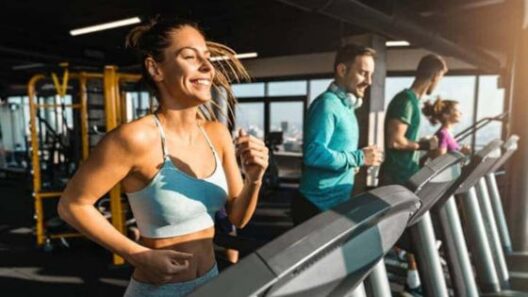
When using a treadmill, start with a proper warm-up. Spend about 5 to 10 minutes walking at a slow pace to prepare your muscles.
Always check the machine settings before you begin. Ensure the safety key is in place and familiarize yourself with the controls.
While walking or running, keep your posture upright. Look straight ahead rather than down at your feet. This helps maintain balance and reduces the risk of tripping.
Be mindful of the speed and incline. If you feel tired or unsteady, slow down or stop. Always use the handrails for support when starting or stopping, but avoid leaning heavily on them while exercising.
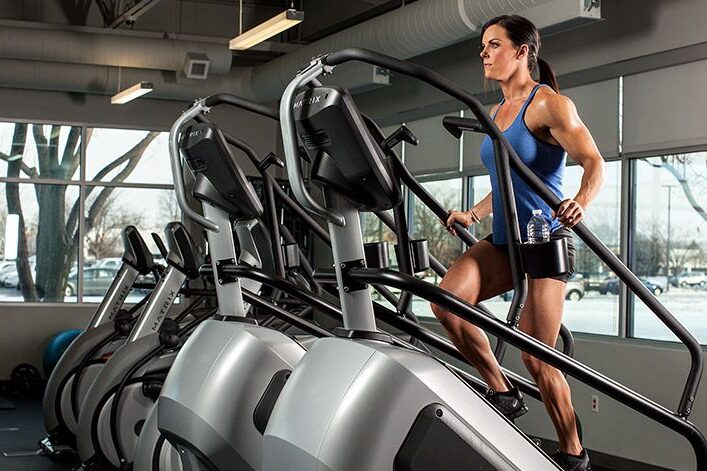
Ellipticals
Start on an elliptical by using a gentle warm-up. You can do this by pedaling slowly for a few minutes.
Position your feet so they are flat on the pedals. Your knees should not extend past your toes while you move.
Keep your movements smooth and controlled to avoid strain. Focus on your body alignment—maintain a straight posture and engage your core.
Adjust the resistance to match your fitness level. Using too much resistance can lead to injuries, especially for beginners. If you feel discomfort, lower the intensity immediately.
Stationary Bikes
Before using a stationary bike, warm up for a few minutes. This prepares your legs and reduces injury risk.
Adjust the seat height so your knees bend at a comfortable angle when pedaling. Your feet should sit flat on the pedals without overstretching.
Maintain a straight back and relax your shoulders. Grip the handlebars lightly, allowing your arms to be slightly bent. Avoid hunching over, as this can strain your neck and back.
Start pedaling at a low resistance until you feel comfortable. Increase resistance gradually as you build strength. If you feel discomfort or cramping, stop and adjust your settings.
Rowing Machines
Begin your session on a rowing machine with a gentle warm-up. This helps to get your muscles ready for the workout ahead.
Check your foot straps to ensure they hold your feet securely. Your knees should align with your feet during the motion.
Focus on your form while rowing. Use your legs to push off while keeping your back straight and core engaged. Avoid using excessive upper body strength, as this can lead to strain.
Start at a slow pace and gradually increase your intensity. Monitor your breathing and stop if you feel pain. Regular checks on your form will help to prevent injuries and enhance your workout.
Proper Techniques for Strength Training Equipment
Using strength training equipment safely is essential to avoid injuries and maximize your workouts. Proper technique and posture are key aspects of effective strength training.
Free Weights
When using free weights, it is important to maintain good form. Start with a light weight to master the movement. Key points to remember include:
- Neutral spine: Keep your back straight without arching or rounding.
- Controlled movements: Lift and lower weights slowly to prevent injuries.
- Engaged core: Tighten your abdominal muscles to support your back.
Always use a spotter when lifting heavy weights. This extra support can help you avoid accidents. Lastly, pay attention to your breathing. Exhale during the lift and inhale while lowering the weight.
Weight Machines
Weight machines can help you focus on specific muscle groups. Adjust the seat and grips to fit your body properly. Here are some tips:
- Align your joints: Ensure your knees and elbows are in line with the machine’s pivot points.
- Use the full range of motion: Move through the entire motion to engage the muscles fully.
- Keep feet flat: Press your feet against the platform without lifting your heels.
Start with a light weight to master the machine. Gradually increase the weight as you become comfortable. Always secure the pin correctly to avoid injuries.
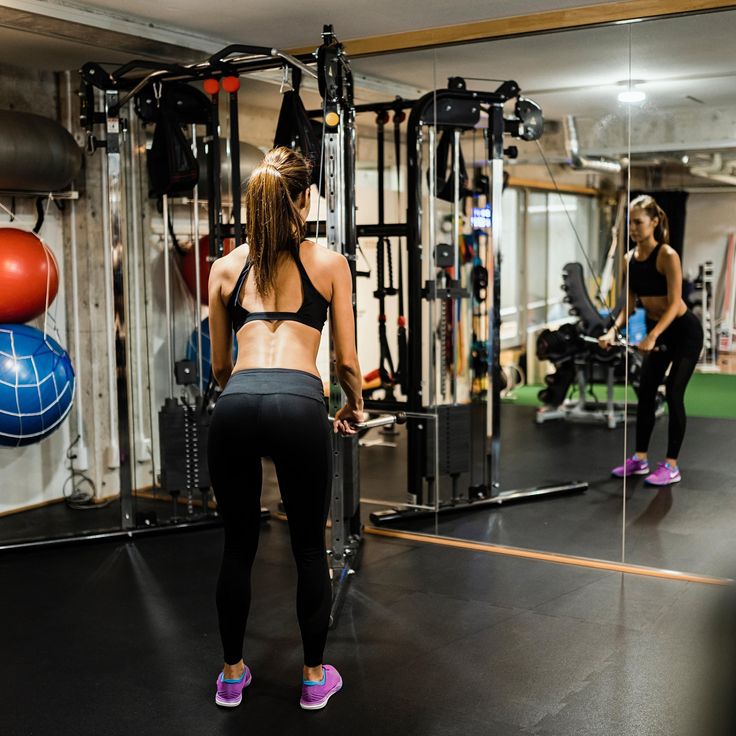
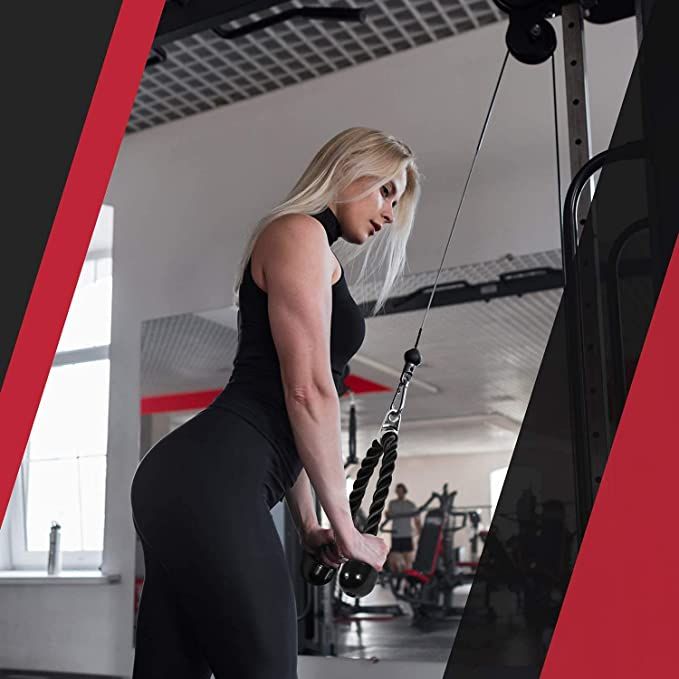
Cable Systems
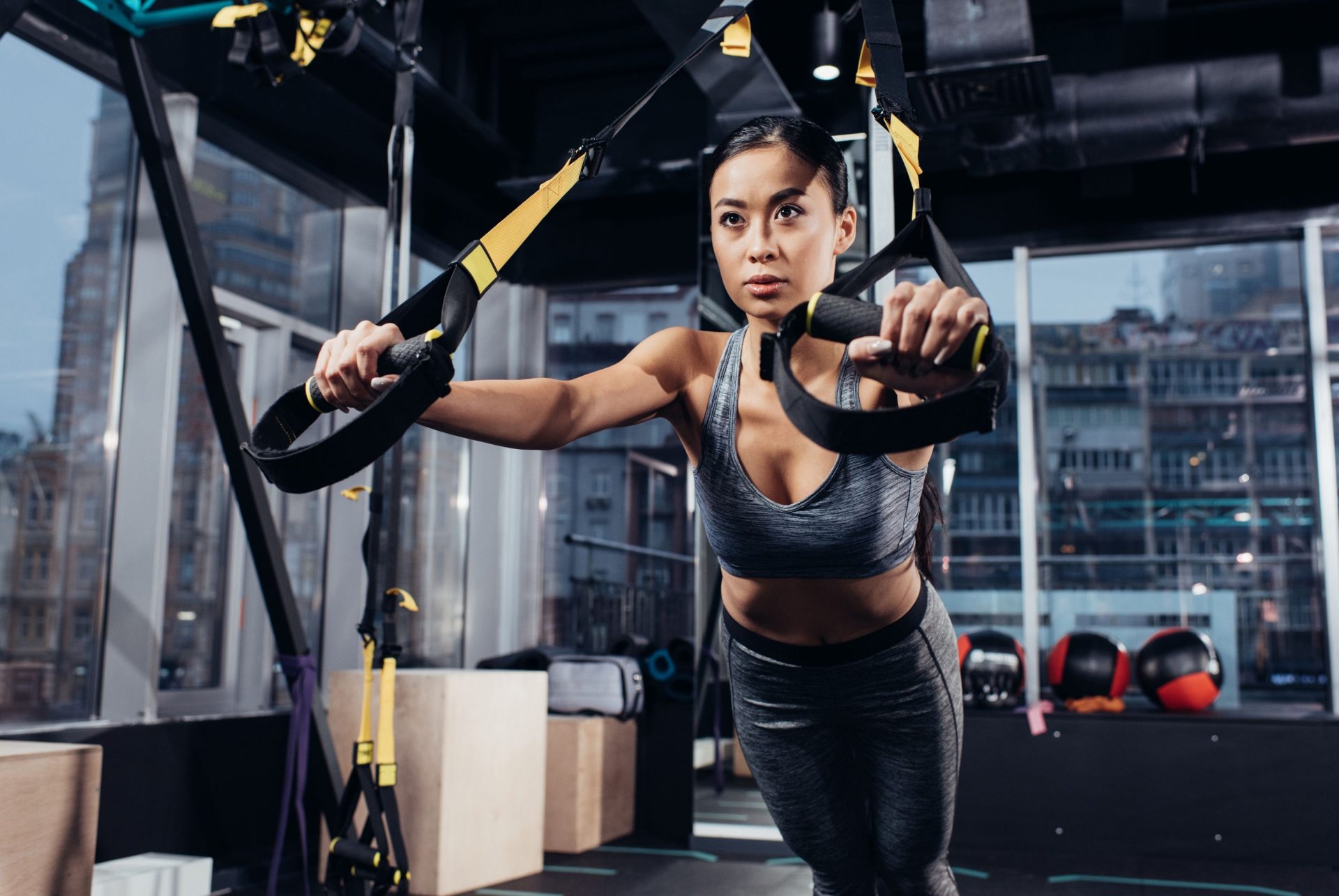
Cable systems offer versatile exercises for strength training. To use them effectively, follow these guidelines:
- Adjust the height: Set the cable at the correct level for each exercise.
- Maintain tension: Keep some tension in the cable at all times to engage muscles effectively.
- Controlled motion: Move slowly through each exercise to prevent sudden jerks.
When using cable systems, ensure your feet are stable. You can also incorporate various grips and angles to target different muscles. Using a mirror for feedback can help ensure you maintain proper form.
Handling and Maintenance of Fitness Equipment
Proper handling and maintenance of fitness equipment is key to your safety and performance. Follow these tips to keep your workouts safe.
Regular Inspections
Routine checks help identify issues before they become problems. Look for:
- Loose bolts and screws
- Worn-out cables or belts
- Any signs of rust or damage
Weight Management
Be cautious when stacking weights. Uneven weight can cause accidents. Always use the appropriate weights for your level.
Cleaning Equipment
Keep equipment clean to prolong its life. Wipe down machines after use, focusing on handles and seats. Use a disinfectant to reduce the spread of germs.
Safe Equipment Usage
Make sure to read any usage instructions before using new equipment. Ask a trainer for guidance if you’re unsure about how to use a machine correctly.
Storage
Store weights and equipment properly. Keep floors clear of any equipment to avoid tripping hazards. Return equipment to its designated area after use.
By paying attention to these handling and maintenance tips, you create a safer workout environment and help prevent injuries.
Implementing Post-Workout Care
After exercising, taking care of your body is important. It helps your muscles recover and prevents injuries.
Key Post-Workout Care Tips:
- Cool Down: Spend 5 to 10 minutes slowing down. Light stretching can help lower your heart rate and ease muscle tightness.
- Hydrate: Drink water to replace fluids lost during your workout. Staying hydrated is key for recovery.
- Nutrition: Eat a balanced snack or meal within 30 minutes after exercising. Include protein and carbohydrates to help muscle repair.
- Rest: Allow your body time to recover. Adequate sleep and rest days are crucial for long-term fitness.
- Foam Rolling: Use a foam roller to massage sore muscles. This can reduce tension and improve blood flow.
- Monitor Pain: Pay attention to how your body feels. If you experience any unusual pain, consider consulting a healthcare professional.
Benefits of Post-Workout Care:
- Reduces muscle soreness
- Improves flexibility
- Enhances overall recovery
Taking these steps can help ensure a safe and effective fitness routine. Prioritizing post-workout care contributes to your overall fitness journey.
Recognizing and Responding to Injuries
Injuries can happen even when you follow safety tips. Recognizing the signs early can help you respond effectively.
Common Signs of Injury:
- Pain: Any sudden or sharp pain during exercise.
- Swelling: A noticeable swelling in a specific area.
- Bruising: Discoloration on the skin near a joint or muscle.
- Limited Range of Motion: Difficulty moving a joint or limb.
If you notice any of these symptoms, stop exercising immediately. Continuing can worsen the injury.
Immediate Steps to Take:
- Rest: Stop using the affected body part to prevent further damage.
- Ice: Apply ice wrapped in a cloth for 15-20 minutes to reduce swelling.
- Compression: Use an elastic bandage to support the area, but not too tight.
- Elevation: Keep the injured area elevated above heart level.
If symptoms persist, seek medical advice. Proper diagnosis can lead to effective treatment.
When to See a Doctor:
- Severe pain that does not improve.
- Swelling that worsens.
- Inability to put weight on an injured limb.
- A visible deformity.
By recognizing the signs and responding promptly, you can minimize injury and get back to your fitness routine safely.
Frequently Asked Questions
Knowing how to use gym equipment safely is essential. The following questions address common concerns and provide valuable insights to help you avoid injuries while exercising.
How can one ensure gym equipment is safe before use?
Before using any equipment, check for visible damage, like frayed cables or broken parts. Make sure everything is functioning correctly. If you notice anything unusual, report it to the staff or avoid using that equipment.
What steps should be taken to prevent injuries when using exercise machines?
Start with a warm-up to prepare your muscles. Use equipment as intended and follow the instructions. Also, maintain proper form during exercises to minimize the risk of strains or other injuries.
Why is it vital to adhere to safety procedures in fitness facilities?
Following safety procedures helps prevent accidents and injuries. It ensures a safe environment for everyone. Adhering to these rules also promotes a more enjoyable workout experience for you and others.
What are key elements of a gym safety checklist to follow?
A gym safety checklist should include checking equipment condition, wiping down machines after use, wearing proper footwear, and knowing the emergency procedures. Also, ensure you understand how to operate each machine correctly.
What is the proper etiquette for using and sharing gym equipment?
Always wipe down equipment after use and allow others to work in if you’re using a machine for a long time. Avoid hogging equipment during busy hours and respect others’ space to create a friendly environment.
How should one approach resistance training to minimize the risk of injury?
Start with lighter weights to master the technique before gradually increasing the load. Use a full range of motion, keep your back straight, and avoid excessive momentum. This approach helps you strengthen muscles safely.