






Unlocking the Secret of the “Good Fats”
In the vast landscape of nutritional science, few components have garnered as much attention and clinical support as omega-3 fatty acids. Often dubbed “essential fats,” these remarkable polyunsaturated fatty acids (PUFAs) are vital to human health, yet our bodies cannot produce them efficiently. This makes dietary intake a non-negotiable part of maintaining wellness.
Omega-3s are not just another nutrient; they are foundational building blocks for every cell in your body, particularly concentrated in the brain, eyes, and heart. Their influence is so pervasive that ensuring adequate intake is one of the single most impactful actions you can take for your long-term health.
This comprehensive guide dives deep into the profound, science-backed benefits of omega-3s, explores their different forms, clarifies dosage recommendations, and provides actionable steps to optimize your intake. Prepare to discover why these essential fatty acids are a cornerstone of a truly healthy lifestyle.
What Exactly Are Omega-3 Fatty Acids?


To truly understand the benefits, we must first distinguish the different types of omega-3s and their roles. There are three main forms crucial to human physiology:
1. Alpha-Linolenic Acid (ALA)
- Source: Primarily found in plants.
- Examples: Flaxseeds, chia seeds, walnuts, and some vegetable oils (like rapeseed/canola and soy oil).
- Role: ALA is a precursor fatty acid. Your body must convert it into the more active forms, EPA and DHA. However, this conversion process is often highly inefficient, meaning ALA alone is usually insufficient to meet your body’s long-chain omega-3 needs.
2. Eicosapentaenoic Acid (EPA)
- Source: Primarily marine sources, especially oily fish.
- Role: EPA is a potent anti-inflammatory agent. It is particularly noted for its benefits in heart health and mood regulation. Research often highlights EPA as the most effective type for reducing symptoms of depression.
3. Docosahexaenoic Acid (DHA)
- Source: Primarily marine sources (oily fish and algae).
- Role: DHA is a major structural component of the brain, retina, and sperm. It is absolutely vital for fetal and infant brain development and is crucial for maintaining cognitive function and vision throughout life.
Key Takeaway: While ALA is important, the most significant health benefits are overwhelmingly attributed to the long-chain marine omega-3s: EPA and DHA.
Section 1: The Cornerstone of Cardiovascular Health
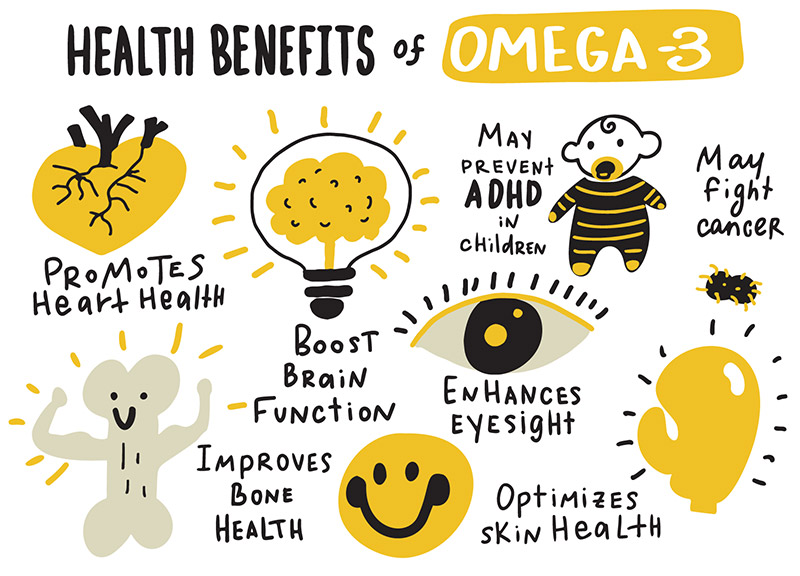
The most well-established and extensively researched benefit of omega-3 fatty acids is their protective role in the cardiovascular system. Heart disease remains the leading cause of death globally, making omega-3s a vital dietary component for millions.
A. Significant Reduction in Triglyceride Levels
Omega-3s, particularly high doses of EPA and DHA, are remarkably effective at lowering blood triglycerides, a type of fat in the blood. High triglycerides are a significant risk factor for heart disease and stroke.
- Mechanism: Omega-3s work by suppressing the expression of genes involved in fat synthesis (lipogenesis) and increasing the rate at which the body burns fat for energy (beta-oxidation).
- Statistic: A 2019 analysis of multiple major studies (involving over 127,000 participants) confirmed that marine omega-3 supplementation lowers the risk of myocardial infarction (heart attack) and coronary heart disease (CHD) death.
B. Blood Pressure and Circulation Regulation
Omega-3s exhibit natural vasodilatory properties, meaning they help relax and widen blood vessels. This effect is instrumental in maintaining healthy blood pressure.
- Expert Opinion: The American Heart Association (AHA) recommends consuming two servings of fish, especially fatty fish, per week for general heart health. For individuals with very high triglycerides, the AHA has stated that taking a high-dose prescription omega-3 medication (4 grams per day) is a safe and effective way to lower levels.
- Research Finding: A 2023 analysis published in the Journal of the American Heart Association suggested that consuming around 3 grams of EPA and DHA daily, whether from food or supplements, may be the ideal dose to help lower blood pressure.
C. Anti-Arrhythmic and Anti-Clotting Effects
These essential fats help maintain a healthy heart rhythm and can reduce the risk of harmful blood clots.
- Anti-Arrhythmic: Omega-3s help stabilize the heart muscle’s electrical activity, potentially lowering the risk of sudden cardiac death caused by abnormal heart rhythms (arrhythmias).
- Anti-Clotting: They can prevent blood platelets from becoming too “sticky,” which reduces the likelihood of forming dangerous clots that can lead to heart attacks or strokes.
Actionable Insight: If you have elevated triglycerides or a family history of heart disease, speak with your doctor about incorporating a high-quality, concentrated fish oil supplement alongside dietary changes.
Section 2: Fueling the Brain and Enhancing Cognitive Function


DHA is one of the most abundant fatty acids in the brain and the retina of the eye, making its role in cognitive health indispensable across the entire lifespan.
A. Essential for Pregnancy and Early Childhood Development
Omega-3s are critical building blocks during the prenatal and early postnatal periods.
- Fetal Brain Development: The third trimester of pregnancy sees a massive accumulation of DHA in the fetus, particularly in the brain and retina. Maternal intake directly influences the baby’s DHA status.
- Benefits for the Child: Studies link adequate maternal omega-3 intake to improved cognitive development, better communication and social skills, and decreased risk of developmental delays in children.
- Statistic: Long-chain omega-3s have been shown to reduce the risk of preterm birth (birth before 37 weeks) by 11% and the risk of early preterm birth (before 34 weeks) by a significant 42%.
B. Protecting Against Cognitive Decline
As we age, maintaining brain health becomes a critical concern. Omega-3s offer a protective shield against age-related decline.
- Maintaining Structure: DHA helps maintain the fluidity and function of cell membranes in the brain, which is essential for efficient communication between neurons.
- Neurodegenerative Defense: A 2022 review of 33 studies suggests that dietary and supplemental omega-3s may offer a protective effect against cognitive decline for healthy individuals without pre-existing Alzheimer’s disease or dementia. However, once the disease is established, the effects are less pronounced, underscoring the importance of preventative, lifelong intake.
C. Aiding Mental Well-being and Mood
Omega-3s play an important role in the neurochemical pathways that regulate mood.
- Fighting Depression and Anxiety: Research consistently shows that people who consume omega-3s regularly are less likely to suffer from depression. Furthermore, supplementation, particularly with a higher ratio of EPA, may improve symptoms in those already struggling with major depression or anxiety.
- Mechanism: Omega-3s can modulate the release of neurotransmitters and reduce brain inflammation, which is now recognized as a factor in certain mood disorders.
Section 3: The Body’s Master Anti-Inflammatory Agents

Chronic inflammation is a root cause of most modern chronic diseases, including heart disease, diabetes, and autoimmune disorders. The ability of omega-3s to resolve and manage inflammation is arguably their most vital, overarching benefit.
A. Modulating the Inflammatory Response
Omega-3s do not just reduce inflammation; they actively promote its resolution.
- Eicosanoid Production: EPA and DHA are precursors to potent lipid mediators, such as resolvins, protectins, and maresins. These specialized molecules actively switch off the inflammatory response, promoting healing and returning the tissue to a healthy state.
- Inhibiting Pro-Inflammatory Cytokines: Omega-3s reduce the production of pro-inflammatory chemicals (like TNF-$\alpha$, IL-1, and IL-6) which cause systemic, chronic inflammation.
B. Joint Health and Rheumatoid Arthritis
For individuals suffering from inflammatory joint conditions, omega-3s offer a natural, potent source of relief.
- Rheumatoid Arthritis (RA): Omega-3 supplementation is a common complementary therapy for RA. It can help alleviate joint stiffness, tenderness, and pain. In some case studies, patients on high-dose fish oil have been able to reduce their reliance on nonsteroidal anti-inflammatory drugs (NSAIDs) under a doctor’s supervision.
- Osteoarthritis (OA): While RA is autoimmune, OA involves inflammation and cartilage breakdown. Studies suggest that fish oil may help lessen chronic pain in individuals with OA, particularly those who are overweight or have obesity.
C. Benefits for Autoimmune Conditions
Because of their profound anti-inflammatory properties, omega-3s have shown promise in managing the symptoms of various autoimmune diseases where the immune system mistakenly attacks healthy body tissue.
- Examples: Conditions like lupus, ulcerative colitis, Crohn’s disease, and psoriasis may benefit from a diet rich in or supplemented with EPA and DHA. The anti-inflammatory effect helps dampen the overactive immune response characteristic of these disorders.
Section 4: Eye, Skin, and Metabolic Health


Beyond the major systems, omega-3s contribute to wellness in many other critical areas of the body.
A. Protecting Vision and Eye Health
DHA is a key structural component of the retina, the light-sensitive layer at the back of the eye.
- Age-Related Macular Degeneration (AMD): AMD is a leading cause of permanent vision damage and blindness worldwide. Consuming adequate omega-3s is strongly linked to a reduced risk of developing this condition.
- Dry Eye Disease: A 2022 review concluded that omega-3 supplementation, in either capsule or eyedrop form, may significantly improve symptoms in patients suffering from dry eye disease.
B. Skin Health and Anti-Aging
Omega-3s benefit the skin from the inside out, supporting its barrier function and appearance.
- Moisture and Oiliness: They help maintain skin moisture and manage oil production, leading to a smoother complexion.
- Inflammatory Skin Conditions: Due to their anti-inflammatory action, they may be particularly helpful for inflammatory skin issues like acne, psoriasis, and eczema. Supplementation with omega-3s can reduce the severity of lesions and promote healing.
C. Metabolic Function and Liver Health
The growing epidemic of non-alcoholic fatty liver disease (NAFLD) highlights the need for effective dietary interventions.
- Reducing Liver Fat: Adequate omega-3 intake has been shown to reduce fat accumulation and inflammation in the liver of individuals with NAFLD. This is linked to their ability to promote fat burning (beta-oxidation) in the body.
- Insulin Sensitivity: Some research suggests that omega-3s may help improve insulin sensitivity, which is critical for preventing and managing Type 2 Diabetes.
Section 5: Omega-3 Intake: Food Sources, Supplementation, and Dosage

Achieving optimal omega-3 status requires a proactive approach, especially since the average Western diet is typically deficient in EPA and DHA.
A. Superior Food Sources of EPA and DHA
The most bioavailable and best sources of EPA and DHA are fatty fish. Aim for at least two 3.5-ounce servings per week.
- Top Choices (Highest Omega-3 Content):
- Salmon (Atlantic, Mackerel, Sockeye)
- Mackerel
- Sardines
- Herring
- Anchovies
- Algae (a direct source for vegetarians/vegans)
B. Plant Sources of ALA
While less efficient, plant sources of ALA are still valuable for overall health.
- Plant-Based Options:
- Flaxseeds (ground) and flaxseed oil
- Chia seeds
- Walnuts
- Hemp seeds
- Soybeans and tofu
C. Deciphering the Omega-3 Index and Dosage
The Omega-3 Index (O3I): Experts have proposed the O3I—the percentage of EPA and DHA in red blood cell (RBC) membranes—as a key biomarker for long-term omega-3 status.
- Optimal Target: An O3I of 8% or higher is considered desirable and associated with the greatest reduction in cardiovascular risk.
- Global Status: A 2024 update to the Omega-3 World Map shows that the O3I in most countries is low to very low (below the optimal 8% range), highlighting a global deficiency.
Dosage Recommendations:
- General Health: A minimum of 250–500 mg of combined EPA and DHA per day for healthy adults is generally recommended.
- Cardiovascular Health (Lowering Triglycerides): Doses ranging from 1,000 mg to 4,000 mg of combined EPA and DHA are often used, with a doctor’s guidance, to achieve therapeutic results.
- Pregnancy/Lactation: Higher doses, often around 1,300–1,400 mg/day, are recommended to support infant development.
D. The Supplement Debate: When Pills Are Necessary
While food is always the primary recommendation, supplementation offers a reliable way to bridge the dietary gap, especially for:
- Individuals who do not eat fish (vegetarians, vegans, or those who dislike the taste). Algal oil is an excellent direct source of pre-formed DHA (and sometimes EPA).
- Those with existing health conditions (like high triglycerides, high blood pressure, or inflammatory disorders) who require therapeutic doses that are difficult to achieve through diet alone.
- Individuals living in areas with high environmental pollution who want to avoid the potential mercury or contaminant risk from consuming too much fish. High-quality supplements are rigorously purified.
Expert Advice: Consult with a healthcare professional before starting any high-dose supplement regimen to ensure it is appropriate for your individual needs and does not interact with existing medications.
Section 6: Cutting-Edge Research and Future Perspectives


The science of omega-3s is continuously evolving, revealing new and exciting areas of benefit.
A. The Role in Cancer Prevention
While the evidence is still developing, the anti-inflammatory properties of omega-3s suggest a role in certain cancer types.
- Colorectal Cancer: Some research has indicated that individuals with adequate omega-3 intake may reduce their risk of colorectal cancer. The anti-inflammatory effect helps dampen the cellular proliferation that can lead to tumor growth.
- Mechanism: Omega-3s can influence tumor growth by inhibiting cell signaling pathways and promoting apoptosis (programmed cell death) in cancer cells.
B. Personalized Response to Omega-3s
A significant development in recent research points toward the importance of individual metabolism.
- Case Study Insight (University of Helsinki, 2025): A recent study explored how the omega-3 fatty acid EPA affects metabolism in healthy adults. The researchers found that the effect of EPA varied greatly from person to person, creating unique “lipid fingerprints” in the blood. This highlights that individual metabolism plays a crucial role in how we process and benefit from omega-3s, suggesting that a personalized approach to supplementation may be necessary in the future.
C. Omega-3s and Gut Health
The link between diet, the gut microbiome, and overall health is a major focus of modern research.
- Microbiome Modulation: Omega-3s may positively influence the composition of the gut microbiome, promoting the growth of beneficial bacteria species. A healthy gut is linked to improved immunity, better mood, and reduced systemic inflammation.
Conclusion: Make Omega-3s Your Lifelong Health Partner
Omega-3 fatty acids—specifically the marine forms, EPA and DHA—are truly essential nutrients with a powerful, comprehensive range of benefits. Their role extends from the structural integrity of your brain cells and the functionality of your retina to the rhythmic beating of your heart and the regulation of your body’s inflammatory response.
The science is clear: optimizing your omega-3 intake is a highly effective, evidence-based strategy for preventing chronic disease, enhancing cognitive performance, and improving quality of life at every age. Given that most of the global population has suboptimal levels, taking action today is a high-yield investment in your future.
Don’t wait to incorporate this powerful nutrient into your diet.
Call to Action: Optimize Your Omega-3 Intake Today!
- Eat Oily Fish: Commit to consuming at least two servings of fatty fish (salmon, mackerel, sardines) per week.
- Consider Supplementation: If you don’t eat enough fish, or if you have specific health concerns (e.g., high triglycerides, mood disorders, or chronic inflammation), consult your healthcare provider to discuss a high-quality, purity-certified fish or algal oil supplement containing a therapeutic dose of EPA and DHA.
- Test Your Index: Ask your doctor about the Omega-3 Index test to understand your current status and establish a personal dosage goal.
Empower your health with the essential power of omega-3s—your brain, heart, and body will thank you for it.