



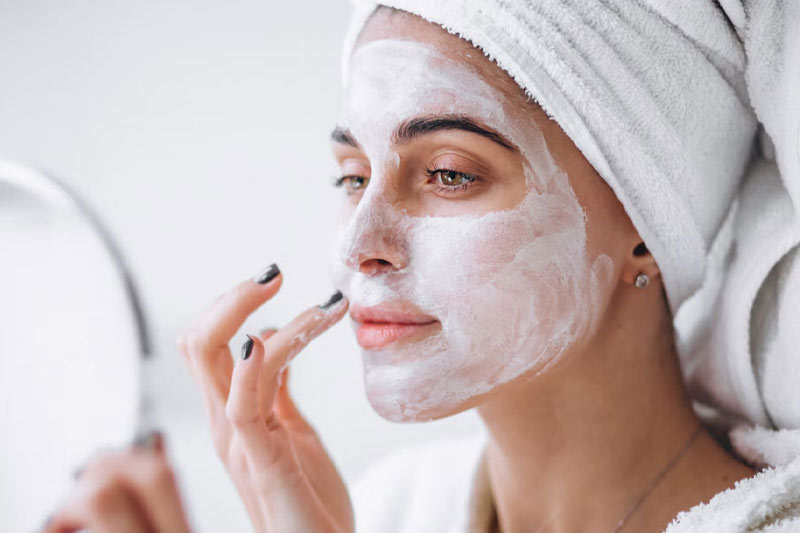
Ever wondered how some people just seem to effortlessly glow? You know, the kind of radiance that suggests they’ve cracked the code to amazing skin without spending hours on a complicated routine? Well, you’re in luck! Achieving a healthy, luminous complexion doesn’t have to be a daunting task filled with endless products and confusing steps. In fact, some of the most effective strategies are surprisingly simple and easy to weave into your everyday life. We’re here to share 10 skin care tips that are not only casual and approachable but also incredibly powerful in transforming your skin. Think less of a strict regimen and more of a friendly guide to nurturing your skin, making it feel loved and look its absolute best.
This isn’t about chasing perfection; it’s about embracing consistency, understanding your skin’s needs, and finding joy in the small acts of self-care that lead to remarkable results. Whether you’re a skincare novice or looking to refine your existing habits, these practical, no-fuss tips are designed to make your journey to better skin enjoyable and, most importantly, effective. Get ready to discover the secrets to a vibrant, happy complexion that you’ll genuinely love.
1. Embrace the Gentle Cleanse


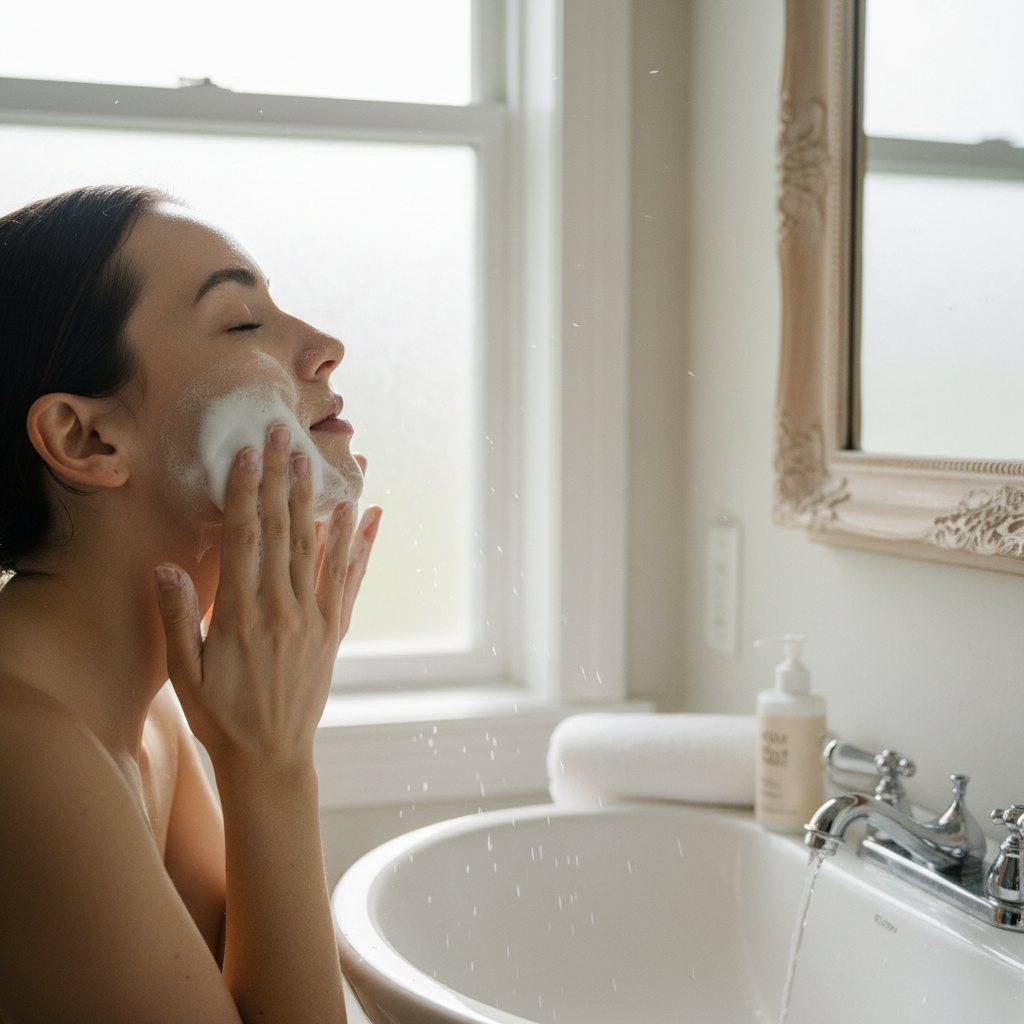
Think of cleansing as hitting the reset button for your skin. It’s the essential first step in any skincare routine, clearing away dirt, oil, makeup, and environmental pollutants that accumulate throughout the day (or night). However, the key here is gentle. Many people unknowingly do more harm than good by using harsh cleansers that strip their skin of its natural oils, leading to dryness, irritation, and even overproduction of oil as your skin tries to compensate.
Why Gentle is Gold:
- Maintains Skin Barrier: Your skin has a natural protective barrier. Harsh cleansers can compromise this, making your skin vulnerable to irritants and moisture loss. A gentle cleanser respects this barrier, helping it stay strong and healthy.
- Prevents Irritation: If your skin feels tight, red, or itchy after washing, your cleanser is likely too aggressive. A mild, pH-balanced cleanser will leave your skin feeling clean, soft, and comfortable, never stripped.
- Prepares for Next Steps: Clean skin is receptive skin. By gently removing impurities, you create a clean canvas for serums, moisturizers, and treatments to penetrate effectively and deliver their benefits.
How to Cleanse Like a Pro (Casually):
- Choose Wisely: Opt for creamy, milky, or gel cleansers that are labeled “gentle,” “hydrating,” “for sensitive skin,” or “soap-free.” Avoid anything with strong sulfates or alcohol.
- Lukewarm Water Only: Hot water can strip oils and dilate capillaries, leading to redness. Cold water isn’t effective at dissolving oils and makeup. Lukewarm water is the perfect middle ground – comfortable and efficient.
- Fingertips are Your Best Tools: Apply a small amount of cleanser to damp skin and massage gently in circular motions for about 30-60 seconds. There’s no need for scrubbing or aggressive motions.
- Rinse Thoroughly: Ensure all cleanser is removed to prevent residue build-up.
- Pat, Don’t Rub: Gently pat your face dry with a clean, soft towel. Rubbing can pull and stretch the delicate skin, contributing to irritation and premature aging.
- Twice Daily, No More: Cleanse once in the morning to refresh your skin and remove any nighttime oil and product residue, and again in the evening to wash away the day’s grime and makeup. Over-cleansing can be just as detrimental as using a harsh product.
By adopting a gentle cleansing approach, you’re not just cleaning your skin; you’re setting the foundation for a healthier, happier complexion that’s ready to absorb all the goodness you put on it next. It’s a simple change that makes a massive difference in your overall skin health.
2. Hydration is Your Best Friend (Inside & Out)
When we talk about skin care, “hydration” often conjures images of fancy creams and serums. While topical hydration is absolutely crucial, remember that true skin health radiates from within. Think of your skin cells like tiny grapes; well-hydrated ones are plump and smooth, while dehydrated ones look shriveled. This applies whether you’re drinking water or applying a moisturizer.
The Internal Hydration Boost:
- Drink Up: This is probably the oldest advice in the book, but it’s still gold. Adequate water intake helps your body function optimally, which directly impacts skin health. Water flushes toxins, aids nutrient delivery, and keeps your skin cells plump and resilient. Aim for at least 8 glasses a day, more if you’re active or in a hot climate.
- Water-Rich Foods: Incorporate fruits and vegetables with high water content into your diet. Cucumbers, watermelon, oranges, strawberries, and leafy greens aren’t just delicious; they contribute to your overall hydration levels.
The External Hydration Shield:
- Moisturize Daily, Seriously: Moisturizer isn’t just for dry skin; it’s a non-negotiable step for all skin types, including oily and acne-prone. Its primary job is to create a protective barrier that seals in moisture and prevents water loss.
- For Dry Skin: Look for rich creams with ingredients like ceramides, hyaluronic acid, glycerin, and shea butter.
- For Oily/Acne-Prone Skin: Opt for lightweight, non-comedogenic gel or lotion formulas. Look for “oil-free” and “non-acnegenic” labels.
- For Combination Skin: You might need different moisturizers for different areas, or a balanced formula that hydrates without feeling heavy.
- Apply to Damp Skin: The best time to apply moisturizer is right after cleansing, while your skin is still slightly damp. This helps to lock in that extra water on your skin’s surface.
- Layering for Maximum Effect: If you use a serum (which we’ll get to!), apply it first, then your moisturizer on top. The moisturizer acts like a blanket, holding the serum’s active ingredients close to your skin.
- Consider a Humidifier: Especially in dry climates or during winter, a humidifier in your bedroom can add moisture to the air, preventing your skin from drying out overnight.
Hydration is the bedrock of a glowing, supple complexion. It supports elasticity, minimizes the appearance of fine lines, and helps your skin look fresh and vibrant. Make it a priority, inside and out, and your skin will thank you with a radiant glow.
3. SPF Isn’t Just for the Beach

Let’s be real: sunscreen often feels like a chore, something we slather on only when we’re headed for a day under the scorching sun. But if there’s one non-negotiable skincare tip that will make the biggest difference in your skin’s long-term health and appearance, it’s daily SPF. This isn’t just about preventing sunburns; it’s about safeguarding your skin against premature aging, dark spots, and, most critically, skin cancer.
Make SPF Your Daily Habit:
- Broad-Spectrum is Key: Always choose a sunscreen labeled “broad-spectrum,” meaning it protects against both UVA and UVB rays.
- Aim for SPF 30 or Higher: The American Academy of Dermatology recommends an SPF of 30 or higher for daily use. While SPF 50 offers slightly more protection, the jump from 15 to 30 is significant.
- Generous Application: Most people don’t use enough. You need about a nickel-sized dollop for your face alone to achieve the stated SPF protection. Don’t forget your neck, ears, and any exposed décolletage.
- Every Single Day: Yes, even on cloudy days, rainy days, or days when you’re mostly indoors. UV rays can penetrate clouds and windows. Make it the last step in your morning routine before makeup.
- Reapply: If you’re spending extended time outdoors, sweating, or swimming, reapply every two hours. For daily office work, a single morning application is often sufficient, but consider a powder or spray SPF top-up if you’re stepping out for lunch.
- Don’t Rely on Makeup SPF: While some foundations or BB creams contain SPF, they often don’t provide sufficient protection on their own because you typically don’t apply enough product to reach the stated SPF. Treat it as a bonus, not your primary shield.
By consistently applying broad-spectrum SPF, you’re not just preventing future damage; you’re also giving your skin a chance to heal and repair existing damage. It’s the most effective anti-aging product you can use, and it’s your frontline defense against serious health concerns. Make it a non-negotiable part of your daily routine – your future self will thank you.
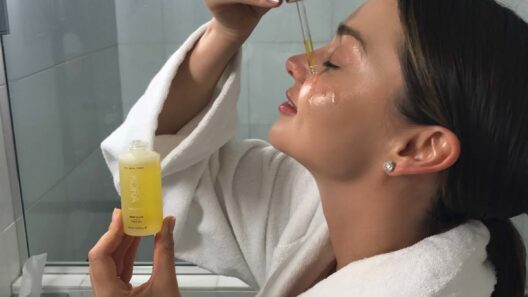
4. Befriend the Power of Serums

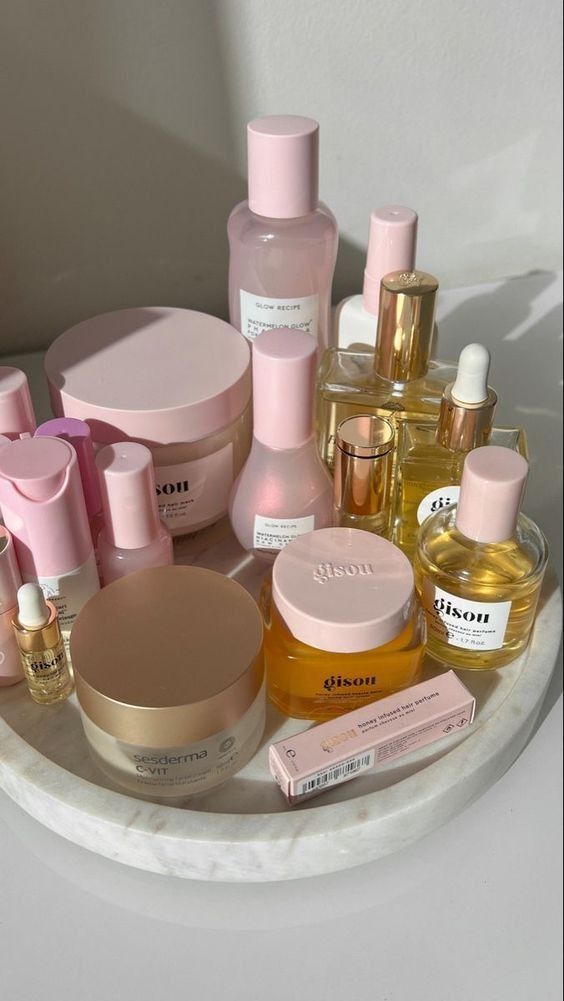
If cleansers are about setting the stage and moisturizers are about building a protective barrier, then serums are the true workhorses of your skincare routine. Think of them as targeted treatments, highly concentrated elixirs packed with potent active ingredients designed to address specific skin concerns with impressive efficacy. They’re typically lighter than moisturizers and penetrate deeper into the skin, delivering a powerful punch where it’s needed most.
Why Serums Are So Special:
- High Concentration: Serums contain a much higher concentration of active ingredients compared to moisturizers. This allows them to deliver more potent results for issues like fine lines, dullness, dark spots, or dehydration.
- Targeted Treatment: Each serum is usually formulated to tackle a specific problem. This allows you to customize your routine based on your unique skin needs at any given time.
- Deep Penetration: Their lighter molecular structure allows serums to absorb quickly and deeply into the skin, getting to work at a cellular level.
Popular Serum Superstars to Consider:
- Vitamin C Serum: The ultimate brightener and antioxidant. It protects against environmental damage, boosts collagen production, and significantly reduces hyperpigmentation and dullness, revealing a more radiant complexion. Use in the morning.
- Hyaluronic Acid Serum: A hydration hero. This powerful humectant can hold up to 1,000 times its weight in water, drawing moisture into the skin and plumping it up. Fantastic for all skin types, especially dehydrated skin. Apply to damp skin for best results.
- Niacinamide (Vitamin B3) Serum: A multi-tasker that minimizes pores, evens skin tone, reduces redness, strengthens the skin barrier, and helps control oil production. A true all-rounder for almost any skin type.
- Retinol Serum: The gold standard for anti-aging. Derived from Vitamin A, retinol boosts cell turnover, stimulates collagen, and reduces the appearance of wrinkles, fine lines, and acne. Start slowly (1-2 times a week at night) as it can be potent.
- Exfoliating Serums (AHAs/BHAs): These contain alpha-hydroxy acids (like glycolic or lactic acid) or beta-hydroxy acids (like salicylic acid) to gently exfoliate and improve skin texture, clarity, and prevent breakouts. Use at night.
Integrating serums into your routine is like giving your skin a personalized, concentrated boost. They can dramatically enhance your results, addressing specific concerns with precision and helping you achieve that radiant, healthy complexion you’re aiming for.
5. Don’t Forget Your Eyes and Lips

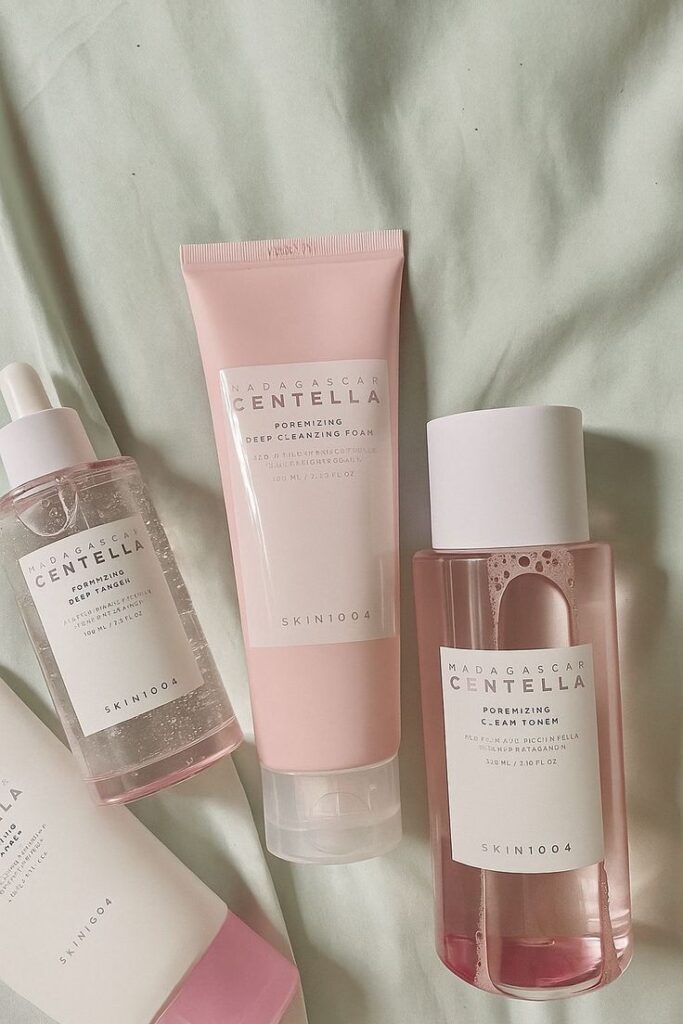
Often overlooked, the skin around your eyes and on your lips are two of the most delicate and vulnerable areas on your face. They require special attention because they lack the oil glands and thickness of other facial skin, making them prone to showing signs of aging and dehydration much sooner. Neglecting these areas is like building a beautiful house but forgetting to paint the windows and doors – it just won’t look complete or well-protected.
The Delicate Eye Area:
- Why It Needs Special Care: The skin around your eyes is significantly thinner and more fragile than the rest of your face. It’s also constantly moving – blinking, squinting, smiling – which contributes to the formation of fine lines (crow’s feet), wrinkles, puffiness, and dark circles. It also has fewer oil glands, making it more susceptible to dryness.
- Eye Cream is Your Ally: While a good facial moisturizer can certainly offer some hydration, eye creams are specifically formulated to address the unique concerns of this area.
- Texture: They are typically richer, yet lighter in texture, designed to absorb without causing milia (small white bumps).
- Ingredients: Look for ingredients like hyaluronic acid for hydration, caffeine to reduce puffiness, peptides to boost collagen, and gentle retinoids or vitamin C for anti-aging and brightening.
- Gentle Application is Key: Use your ring finger (it applies the least pressure) to gently pat a small amount of eye cream around the orbital bone (the bone surrounding your eye), not too close to the lash line to avoid irritation. Apply morning and night. Don’t rub or pull this delicate skin.
big impact on your overall appearance and comfort.
6. Exfoliate Wisely, Not Wildly

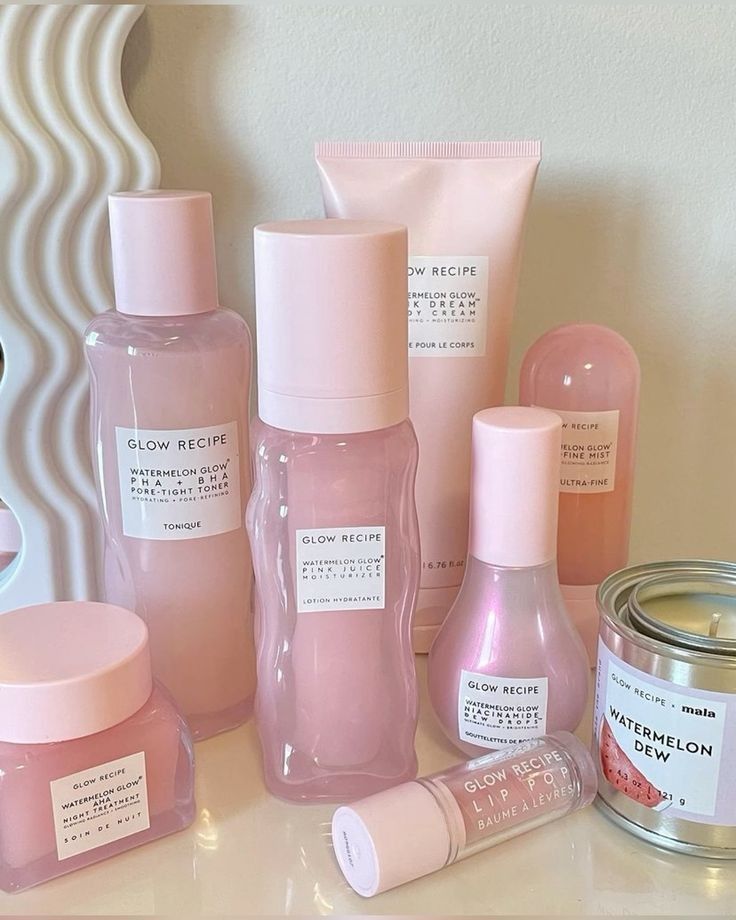
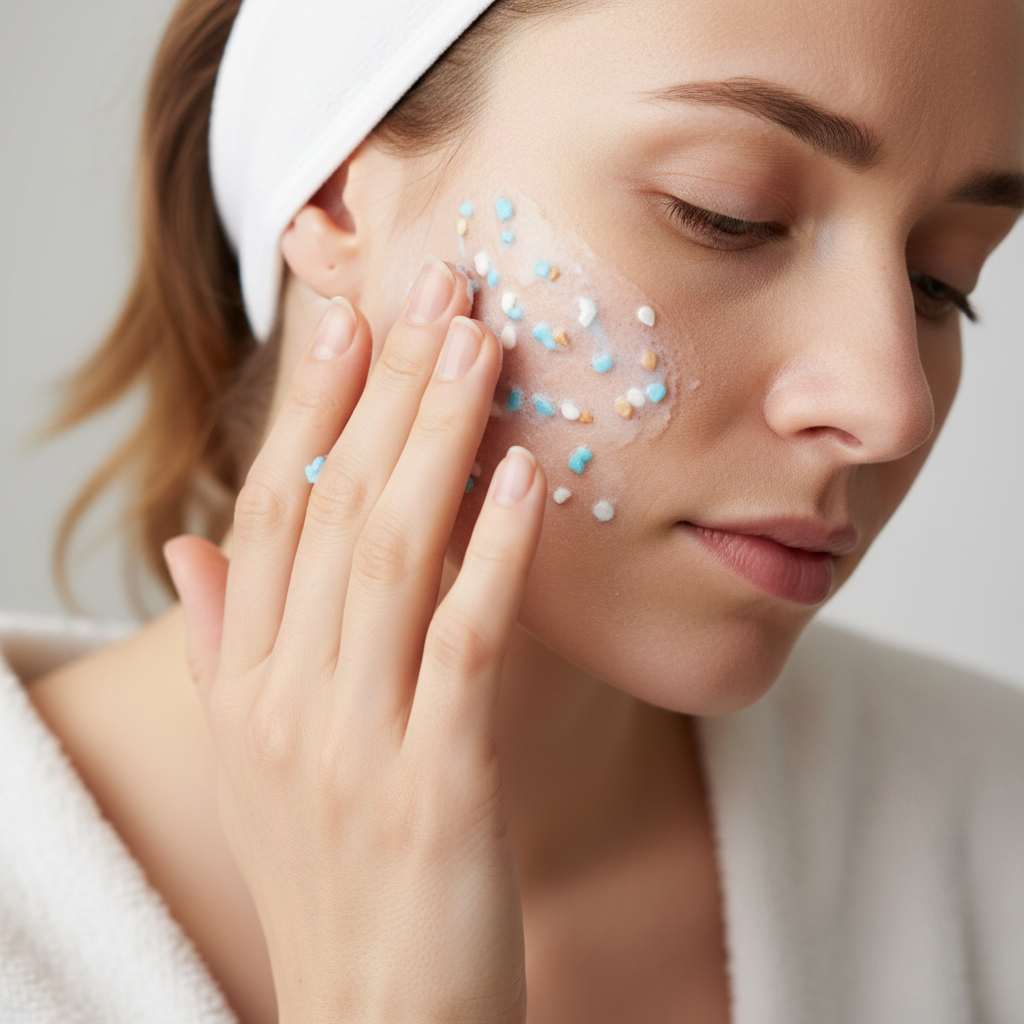
Exfoliation is often hailed as a miracle step for achieving glowing, smooth skin, and for good reason! It removes dead skin cells from the surface, revealing the fresh, healthy skin underneath. However, there’s a fine line between effective exfoliation and over-exfoliation, which can lead to irritation, redness, and a compromised skin barrier. The trick is to exfoliate wisely, understanding your skin’s needs and choosing the right method.
Why Exfoliate? The Benefits are Real:
- Brighter Complexion: Removes dull, dead skin cells, instantly making your skin look more radiant and vibrant.
- Smoother Texture: Helps to refine skin texture, making it feel softer and smoother.
- Clears Pores: Prevents dead skin cells from clogging pores, reducing breakouts and blackheads.
- Better Product Absorption: With fewer dead cells blocking the way, your serums and moisturizers can penetrate more effectively.
- Boosts Cell Turnover: Encourages the skin’s natural regeneration process, which slows down as we age.
By choosing the right exfoliant for your skin type and using it sparingly and consistently, you’ll unlock a smoother, brighter, and more receptive complexion without causing irritation. It’s about finding that sweet spot for your skin.
7. Sleep Your Way to Better Skin
Remember the phrase “beauty sleep”? It’s not just a catchy idiom; it’s a scientific fact. While you’re catching Z’s, your skin is busy working overtime, repairing, regenerating, and rejuvenating itself. Skimping on sleep doesn’t just make you tired; it can noticeably impact your complexion, leading to dullness, puffiness, and exacerbated skin concerns.
The Night Shift: What Your Skin Does While You Sleep:
- Cell Regeneration: Your body’s cells, including skin cells, reproduce and repair at a faster rate while you sleep. This is when new, healthy cells come to the surface, replacing older, damaged ones.
- Collagen Production: Sleep promotes the synthesis of collagen, the protein responsible for keeping your skin firm, plump, and wrinkle-free. Lack of sleep can hinder this process, leading to a breakdown of collagen and increased signs of aging.
- Increased Blood Flow: During deep sleep, blood flow to your skin increases, delivering essential nutrients and oxygen. This is what gives you that “healthy glow” in the morning.
- Repairing Damage: Your skin works to undo the day’s damage from environmental stressors like UV rays and pollution. Antioxidants and repair mechanisms are more active at night.
- Reduced Cortisol: Lack of sleep increases cortisol (stress hormone) levels, which can trigger inflammation and exacerbate skin conditions like acne, eczema, and psoriasis. Quality sleep helps keep cortisol in check.
- Enhanced Product Absorption: Your skin is more receptive to active ingredients at night because its barrier function is slightly more permeable. This is why many potent serums and treatments are designed for nighttime use.
How to Maximize Your Beauty Sleep:
- Aim for 7-9 Hours: Consistency is key. Try to go to bed and wake up around the same time each day, even on weekends.
- Elevate Your Head: Sleeping with your head slightly elevated can help reduce fluid retention around the eyes, minimizing morning puffiness.
- Sleep on Your Back: Sleeping on your side or stomach can press your face into the pillow, leading to “sleep lines” that can eventually become permanent wrinkles. If back-sleeping isn’t for you, consider a silk pillowcase.
- Clean Pillowcases: Change your pillowcase frequently (at least once a week, more if you’re prone to breakouts). Pillowcases can harbor dirt, oil, sweat, and product residue, which can transfer back to your skin and clog pores.
- Establish a Nighttime Routine: Make sure you thoroughly cleanse your skin before bed (never sleep in makeup!). Apply your nighttime serums and a nourishing moisturizer to support your skin’s regenerative process. A relaxing routine signals to your body that it’s time to wind down.
- Optimize Your Sleep Environment: A dark, cool, and quiet room is conducive to deep, restorative sleep.
Prioritizing good quality sleep isn’t just good for your energy levels; it’s a fundamental pillar of any effective skincare strategy. It allows your skin to perform its natural repair functions optimally, resulting in a fresher, healthier, and more youthful-looking complexion.
8. Master the Art of Spot Treatment (When Needed)

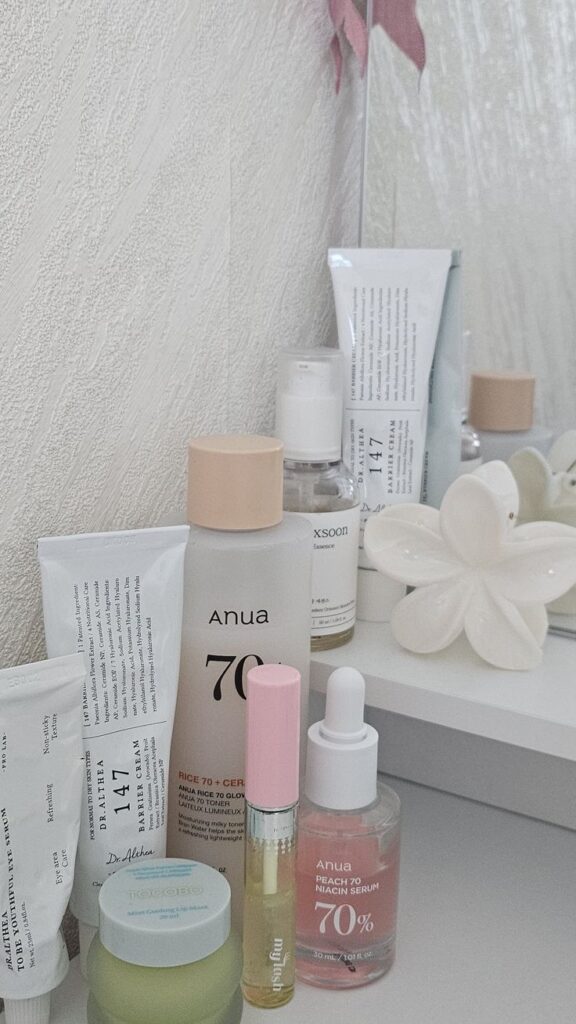
We’ve all been there: you wake up to an unwelcome visitor on your face – a stubborn blemish. While a comprehensive skincare routine helps prevent breakouts, occasional spots are a reality. That’s where spot treatments come in. These targeted formulas are designed to tackle individual pimples quickly and efficiently, drying them out, reducing inflammation, and speeding up their healing process. The art is in using them correctly and sparingly.
Why Spot Treatments are Your Emergency Go-To:
- Targeted Action: Instead of applying potent ingredients all over your face, spot treatments deliver a concentrated dose directly to the problem area. This minimizes potential irritation to surrounding healthy skin.
- Quick Relief: Formulated with fast-acting ingredients, they aim to reduce the size, redness, and inflammation of a breakout often overnight or within a couple of days.
- Prevent Picking: Having a reliable spot treatment can be a powerful deterrent against picking or squeezing pimples, which often leads to scarring, infection, and prolongs healing.
How to Use Spot Treatments Effectively:
- Clean Skin is Crucial: Always apply your spot treatment to clean, dry skin after cleansing and before applying any other serums or moisturizers. This ensures the active ingredients can reach the blemish directly.
- A Tiny Dab is Enough: These are potent! Use a very small amount – just enough to cover the blemish. More isn’t better and can lead to excessive dryness or irritation.
- Apply Precisely: Use a clean cotton swab or a clean fingertip to dab the product only onto the blemish itself, avoiding the surrounding healthy skin.
- Be Patient and Consistent: It might not disappear instantly, but consistent application (usually once or twice a day) will speed up the healing.
- Moisturize Around It: If you’re using a drying spot treatment, make sure to thoroughly moisturize the skin around the blemish to prevent flakiness and maintain your skin barrier.
- Don’t Pick! Seriously, resist the urge. Spot treatments work by reducing inflammation and clearing the pore from within. Picking will only introduce more bacteria, spread infection, and likely leave a scar.
- Know When to Stop: Once the blemish has dried up and started to heal, discontinue the spot treatment to prevent unnecessary dryness or irritation to the healing skin.
By mastering the targeted approach of spot treatments, you empower yourself to tackle individual breakouts with confidence, minimizing their impact and helping your skin recover beautifully without resorting to damaging habits.
9. Eat Your Way to Radiance
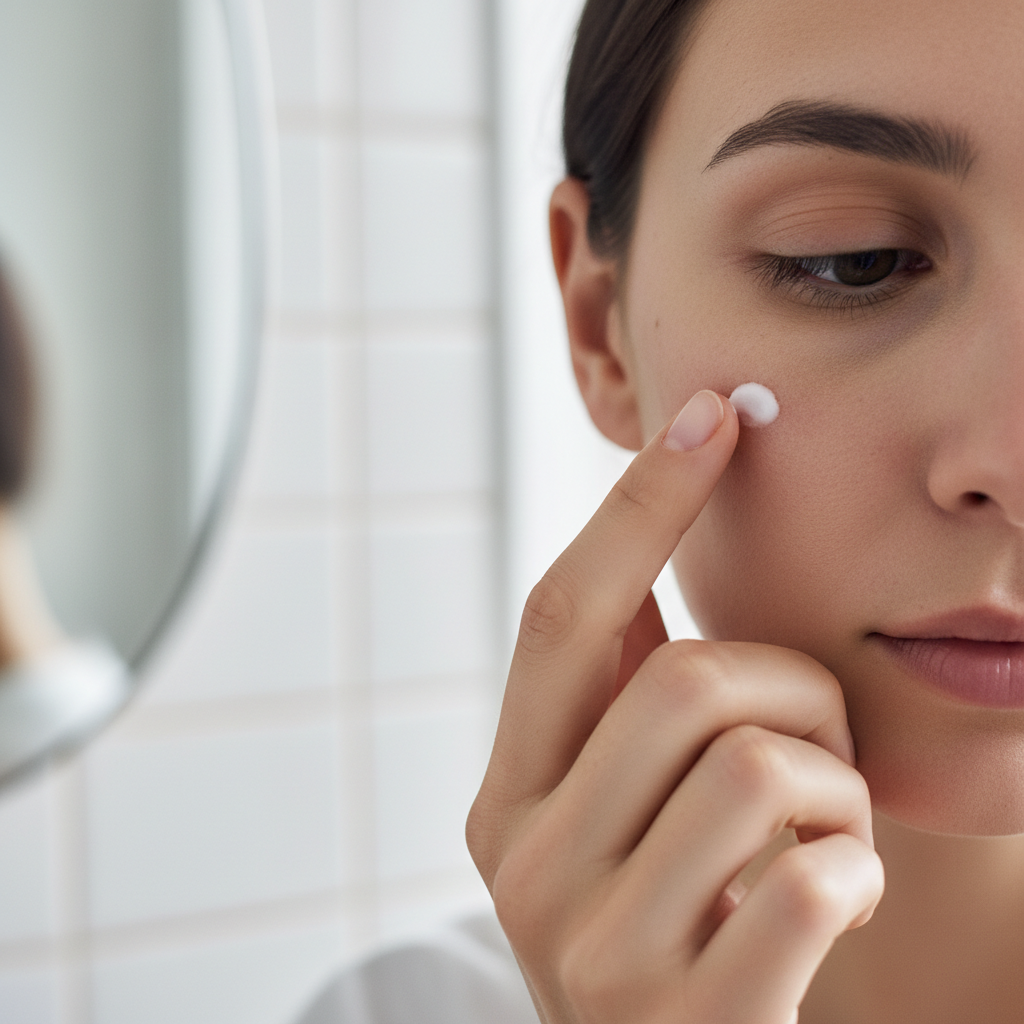
You know the old saying, “You are what you eat”? Well, it holds especially true for your skin. While topical treatments play a significant role, the nutrients you consume internally provide the building blocks and fuel for healthy, vibrant skin. A diet rich in essential vitamins, minerals, and antioxidants can truly transform your complexion from the inside out, making it one of the most casual yet impactful skincare tips.
Making conscious choices about what you eat isn’t about rigid dieting; it’s about nourishing your body and skin with wholesome, nutrient-dense foods. Small, consistent dietary changes can yield remarkable results, leaving your skin looking clearer, healthier, and radiating a natural glow that no topical product alone can achieve.
10. Listen to Your Skin (and Be Patient)
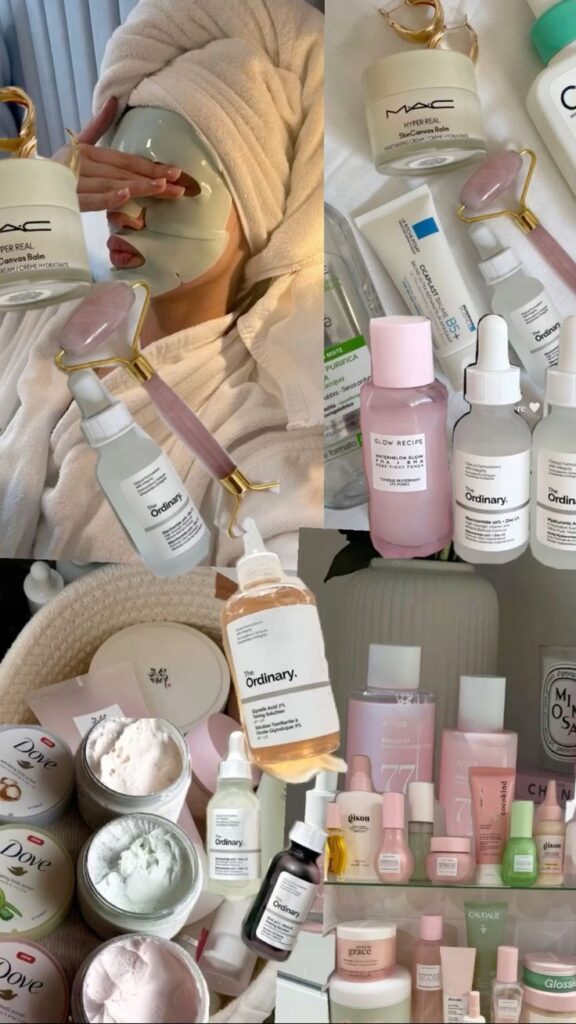
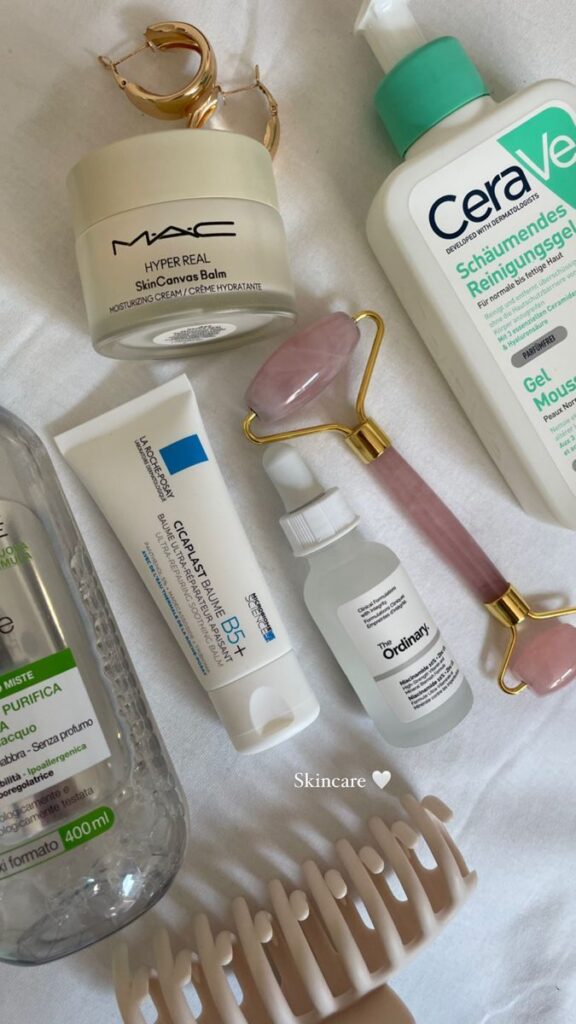
You’ve learned about gentle cleansing, hydration, SPF, serums, and even the impact of diet and sleep. These are all incredible tools, but the most crucial tip of all is perhaps the least tangible: listen to your skin. Your skin is a living organ, constantly reacting to its environment, your diet, your hormones, and the products you use. Understanding its signals and responding accordingly is the ultimate casual skincare tip for long-term health and radiance.
Reading Your Skin’s Signals:
- Tightness or Flakiness: Your skin is crying out for more hydration and moisture. Maybe your cleanser is too harsh, or you need a richer moisturizer or a hydrating serum.
- Redness or Itching: This could be a sign of irritation, sensitivity, or a compromised skin barrier. You might be using too many active ingredients, over-exfoliating, or reacting to a new product. Simplify your routine and focus on soothing, hydrating ingredients.
- Increased Oiliness or Breakouts: Your skin might be overcompensating for dryness from harsh products, or it could be a hormonal flare-up or dietary trigger. Focus on balancing ingredients like niacinamide and gentle exfoliation.
- Dullness: Time for some gentle exfoliation and a boost of Vitamin C to brighten.
- Sensitivity to Sun: A clear sign you need to be more diligent with your broad-spectrum SPF!
The Virtue of Patience:
- Skincare is a Marathon, Not a Sprint: Remember that skin cell turnover takes roughly 28 days for adults, and even longer as we age. This means it takes time for new, healthy cells to reach the surface. Don’t expect miracles overnight. Give new products at least 4-6 weeks of consistent use to show their true effects.
- Introduce Slowly: When incorporating new products, especially those with active ingredients like retinoids or acids, introduce them one at a time. Use them a couple of times a week initially, and gradually increase frequency as your skin builds tolerance. This helps you pinpoint any reactions and avoid overwhelming your skin.
- Consistency is Key: A simple, consistent routine is far more effective than an elaborate, sporadic one. Even the most powerful products won’t work if you don’t use them regularly.
- Don’t Chase Trends Blindly: While new ingredients and techniques are exciting, always consider if they align with your skin type and current needs. What works wonders for an influencer might not be right for you.
- Seek Professional Advice: If you’re struggling with persistent skin issues like severe acne, rosacea, or unexplained rashes, don’t hesitate to consult a dermatologist. They can offer personalized advice, diagnoses, and prescription-strength treatments.
Learning to listen to your skin is like developing an intuition. It empowers you to adjust your routine as needed, responding to its ever-changing demands rather than blindly following a set of rules. Combined with patience and consistency, this intuitive approach ensures you’re always giving your skin exactly what it needs to thrive, leading to a truly healthy, happy, and radiant complexion that reflects your unique self.
Conclusion
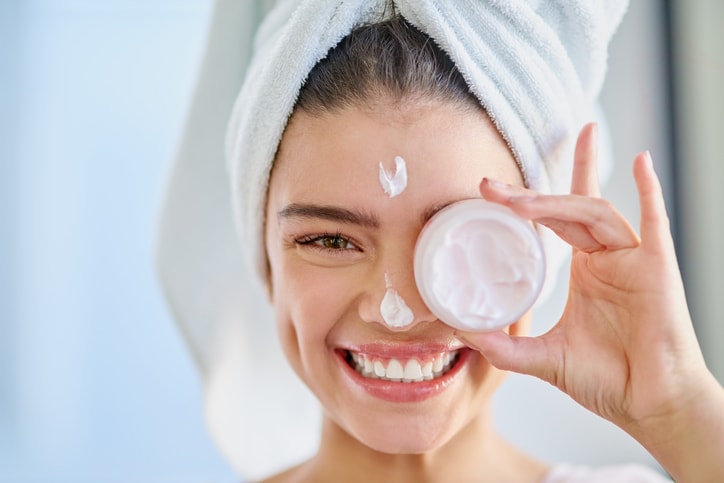
Achieving healthy, radiant skin doesn’t have to be complicated or overwhelming. As we’ve explored these 10 casual skin care tips, the recurring themes are gentleness, consistency, protection, and listening to your body. From embracing a gentle cleanse to understanding the power of sleep and nutrition, each tip is a simple yet impactful step towards nurturing your skin.
Remember that skincare is a journey, not a destination. There will be days your skin looks amazing and days it acts up, and that’s perfectly normal. The real magic happens when you commit to these basic principles, integrate them thoughtfully into your daily life, and approach your skin with care and patience. You don’t need a dozen expensive products or a rigid, time-consuming regimen. What you need is a foundation of good habits and an understanding of what your skin truly needs to thrive.
So, take these tips, adapt them to your lifestyle, and start enjoying the process of caring for your skin. Your efforts, no matter how small they seem, will compound over time, revealing a healthier, happier, and more luminous you.
Ready to unlock your best skin? Pick one or two tips from this list that resonate with you most and commit to incorporating them into your routine this week. Observe how your skin responds, and slowly build your way to a complete, yet casual, skincare approach that you genuinely love. Your skin deserves that little extra attention, and you’ll love the results!
Frequently Asked Questions
How often should I cleanse my face?
You should cleanse your face twice daily: once in the morning to refresh your skin and remove any nighttime oil or product residue, and again in the evening to wash away makeup, dirt, and pollutants accumulated throughout the day. Using a gentle cleanser is crucial to avoid stripping your skin.
Can I skip SPF on cloudy days or when indoors?
No, it’s highly recommended to apply broad-spectrum SPF 30 or higher every single day, regardless of the weather or if you’re indoors. UVA rays, which contribute to aging and skin cancer, can penetrate clouds and windows, causing damage even when the sun isn’t visibly bright.
What is the best order to apply my skincare products?
Generally, you should apply products from thinnest consistency to thickest. A common order is: cleanse, tone (optional), serum, eye cream, moisturizer, and finally, SPF (in the morning). For active ingredients like retinol or exfoliating acids, they are usually applied after cleansing at night, before hydrating serums and moisturizers.
How long does it take to see results from a new skincare product or routine?
Patience is key! Skin cell turnover takes approximately 28 days, meaning it usually takes at least 4-6 weeks of consistent use to see noticeable results from new products. For some concerns, like hyperpigmentation or anti-aging, it can take several months. Give your skin time to adapt and respond.
Are natural remedies or DIY skincare treatments effective?
While some natural ingredients have beneficial properties, it’s generally best to be cautious with DIY remedies. Formulated skincare products are developed with stable, effective concentrations of ingredients, tested for safety and efficacy. Some natural ingredients can be irritating or cause allergic reactions. When in doubt, stick to professionally formulated products.
Is an expensive skincare product always better than an affordable one?
Not necessarily! The price of a product doesn’t always correlate with its effectiveness. Many affordable brands offer excellent formulations with proven active ingredients. Focus on ingredient lists and formulas that suit your skin type and concerns, rather than solely on brand name or price tag. Research and reviews can help you find hidden gems.
How do I know my skin type (oily, dry, combination, normal)?
To determine your skin type, wash your face and wait an hour without applying any products.
- Oily: Your skin will look shiny, feel slick, and you might have visible pores.
- Dry: Your skin will feel tight, possibly flaky, and might appear dull.
- Combination: You’ll have an oily T-zone (forehead, nose, chin) and dry or normal cheeks.
- Normal: Your skin will feel comfortable, not too oily or dry, with minimal visible pores.
Understanding your skin type is crucial for selecting appropriate products.