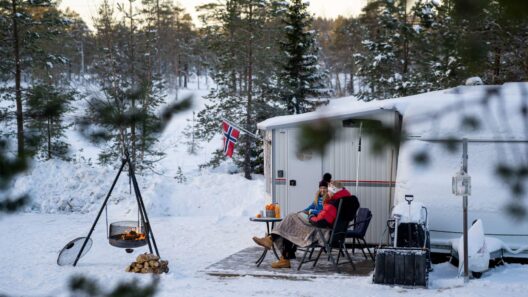






The arrival of winter often brings a siren song from the couch. Shorter days, dropping temperatures, and icy sidewalks create a perfect storm of excuses to hibernate. Many people notice a dip in their activity levels, leading to the dreaded “winter slump” in both physical health and mood.
However, winter does not have to mean the end of your fitness momentum. In fact, embracing the season with the right strategies can transform these cold months into a period of unmatched consistency and surprising strength gains. Staying active is not just about aesthetics; it is a powerful defense against seasonal weight gain, a crucial boost for your immune system, and a proven antidote to the winter blues often associated with low sunlight.
This comprehensive guide delivers 10 high-impact, practical fitness tips—optimized for real-world application—to ensure your wellness journey not only survives but thrives through the coldest time of the year. We focus on actionable advice, supported by expert insights, to deliver maximum value to you.
The Science of Hibernation: Why Winter Demands a Fitness Strategy

Before diving into the tips, it is vital to understand the challenge. The reduced sunlight during winter directly impacts our mental well-being. Less sun exposure can trigger Seasonal Affective Disorder (SAD), a type of depression linked to dwindling light. Exercise acts as nature’s antidepressant by triggering the release of endorphins—your body’s natural mood elevators.
Furthermore, cold weather naturally tightens muscles and stiffens joints, making proper preparation non-negotiable for injury prevention. Your cardiovascular system also works harder to regulate core temperature, meaning consistent activity keeps your heart functioning optimally.
As Damon Swift, an associate professor of kinesiology, suggests, there are significant benefits beyond weight control, especially for mental health when sunlight is scarce. We must plan to move.
Tip 1: Embrace the Power of Layering—The Outdoor Athlete’s Shield

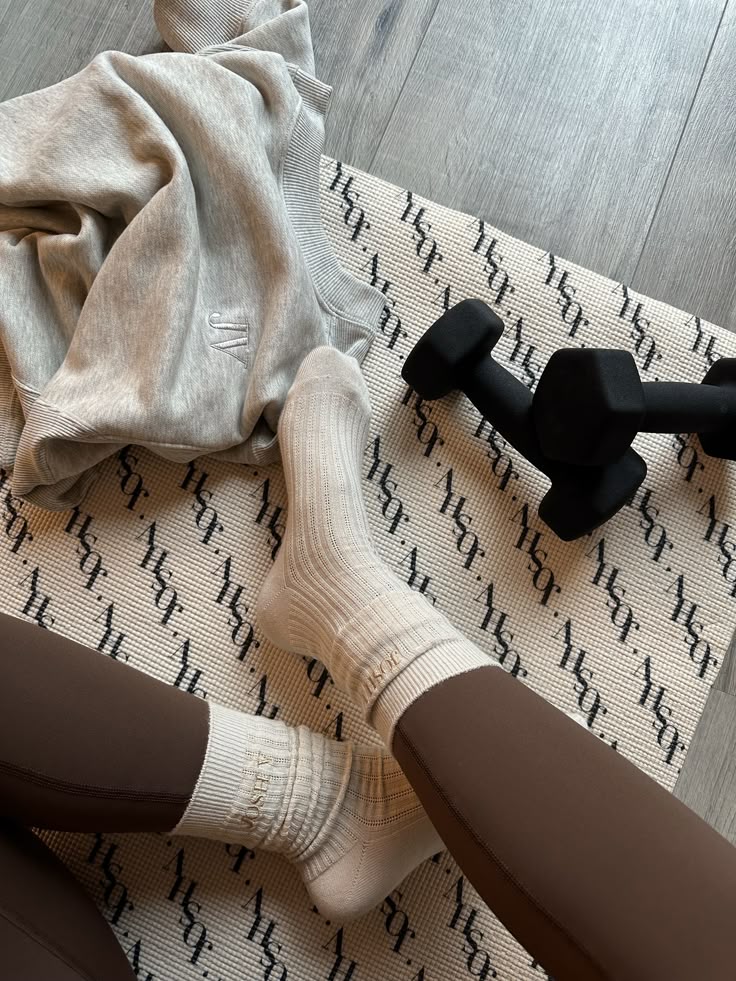
If you plan to venture outdoors for a run, walk, or cycle, dressing correctly is your first line of defense. Incorrect clothing choices can lead to rapid heat loss, discomfort, and even dangerous conditions like hypothermia.
The key is layering, creating zones of insulation that manage moisture and temperature effectively.
The Three-Layer System for Cold Weather Workouts
- Base Layer (The Wicking Layer): This layer sits directly against your skin. Its only job is to pull sweat away from your body. Avoid cotton at all costs. Cotton absorbs moisture and holds it close, making you feel cold rapidly. Opt for synthetic materials like polyester or merino wool.Expert Insight: Moisture-wicking fabrics are crucial. According to the American Heart Association, getting wet from sweat or snow magnifies the cooling effect of the wind.
- Mid-Layer (The Insulating Layer): This layer traps your body heat. Fleece, down, or heavier synthetic materials work best here. You should feel slightly cool when you start your workout; this layer will warm you up quickly.
- Outer Layer (The Shell): This is your shield against the elements—wind and precipitation. It must be windproof and waterproof/water-resistant. For intense workouts, a highly breathable shell is better than a completely sealed one, as it allows sweat vapor to escape.
Always bring a hat and gloves. You lose a significant amount of heat through your head and extremities. Consider reflective gear for early morning or late afternoon activities when daylight is scarce.
Tip 2: Schedule It Like a Stakeholder Meeting—The Power of Planning
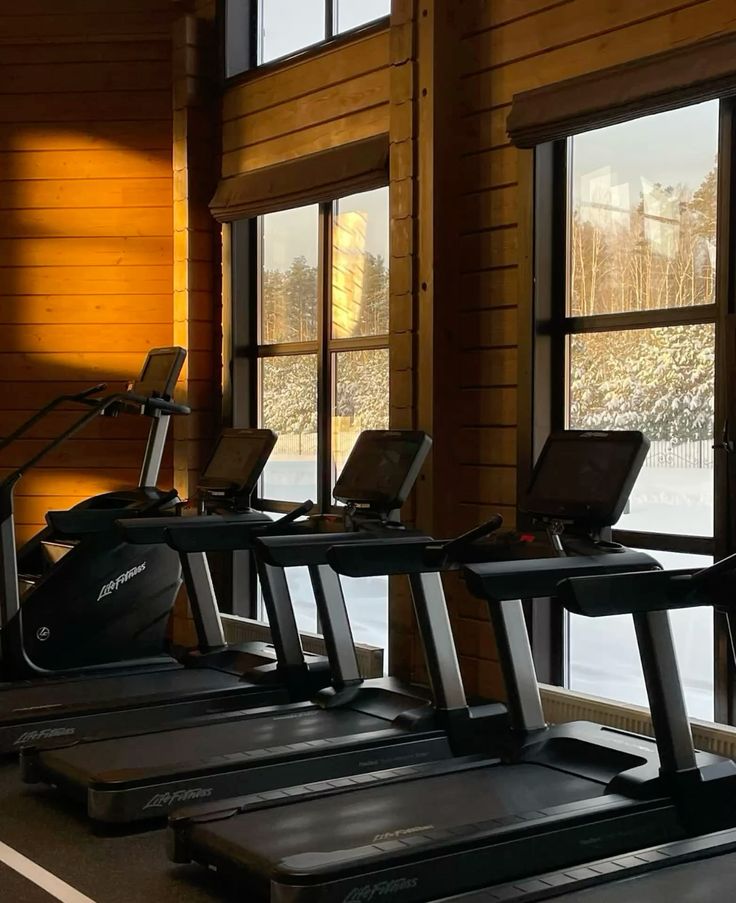
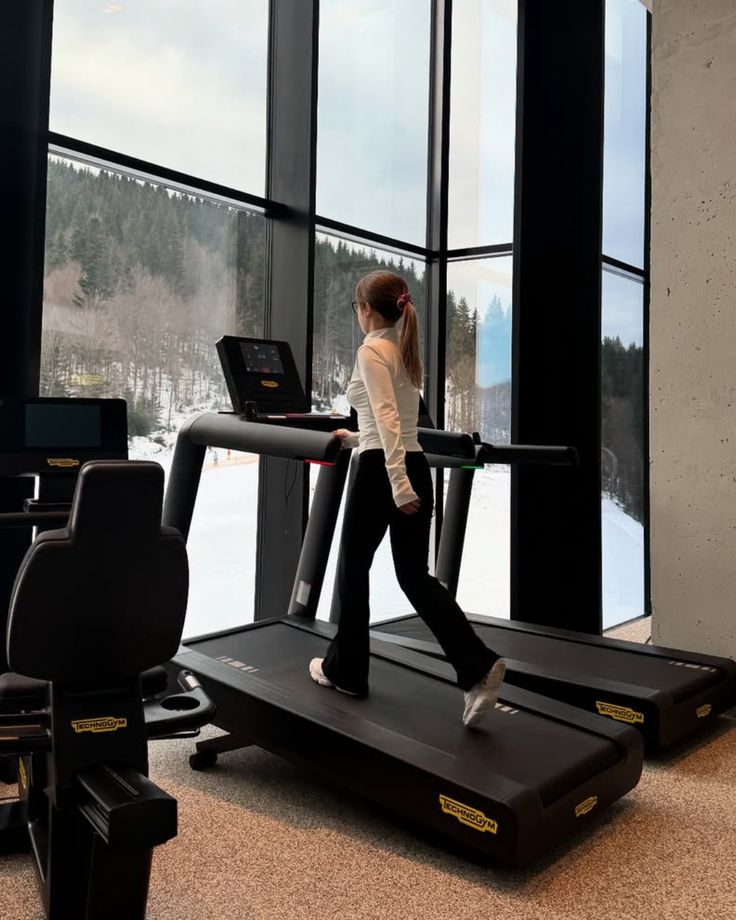
Motivation is fickle; routine is reliable. During winter, when the temptation to skip is highest, proactive scheduling shifts exercise from an optional activity to a non-negotiable appointment.
Many fitness experts stress this planning aspect. If you hope you will work out, you likely won’t. If you protect that time on your calendar, you are far more likely to adhere to it.
Making Your Fitness Calendar Unbreakable
- “Never Miss a Monday”: Research suggests that starting the week strong sets a positive tone. Plan your first few workouts early in the week to build momentum.
- Time Blocking: Block off specific times in your digital or physical calendar for activity. Treat this block as seriously as a critical business meeting.
- The 10-Minute Rule: If you are struggling to start, commit to just ten minutes. Often, once you start moving, the momentum takes over. A 10-minute burst of activity is infinitely better than zero minutes.
Studies often show that participants who schedule their exercise time—locking it in as a daily routine—achieve significantly better long-term adherence rates than those who rely on spontaneous motivation.
Tip 3: Become an Indoor Explorer—Finding New Fitness Venues
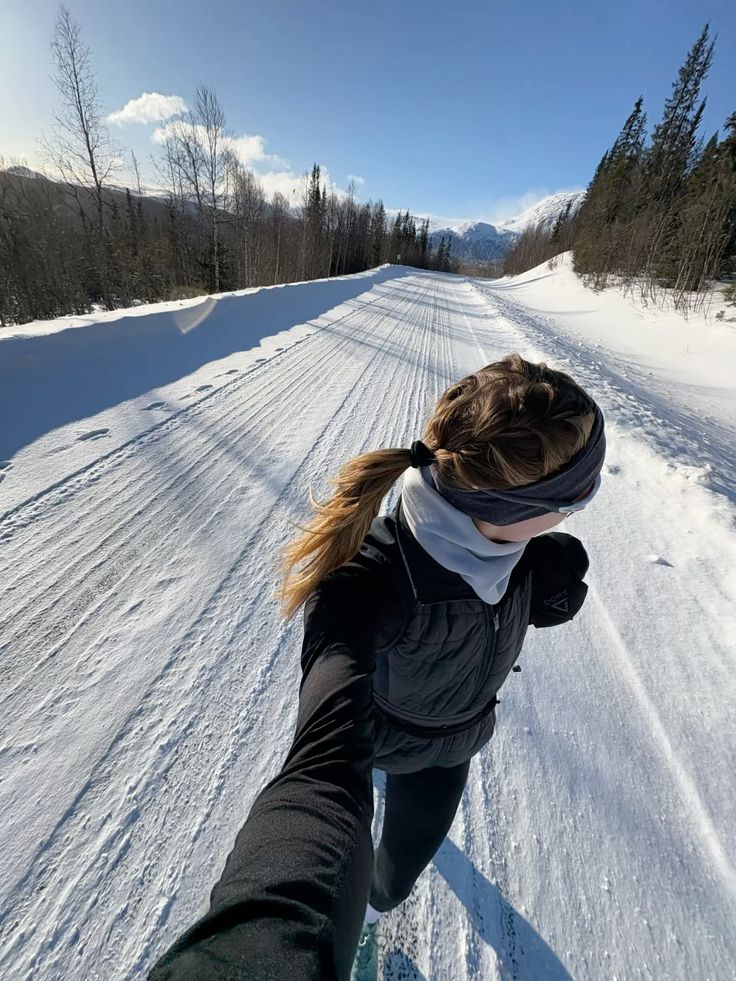
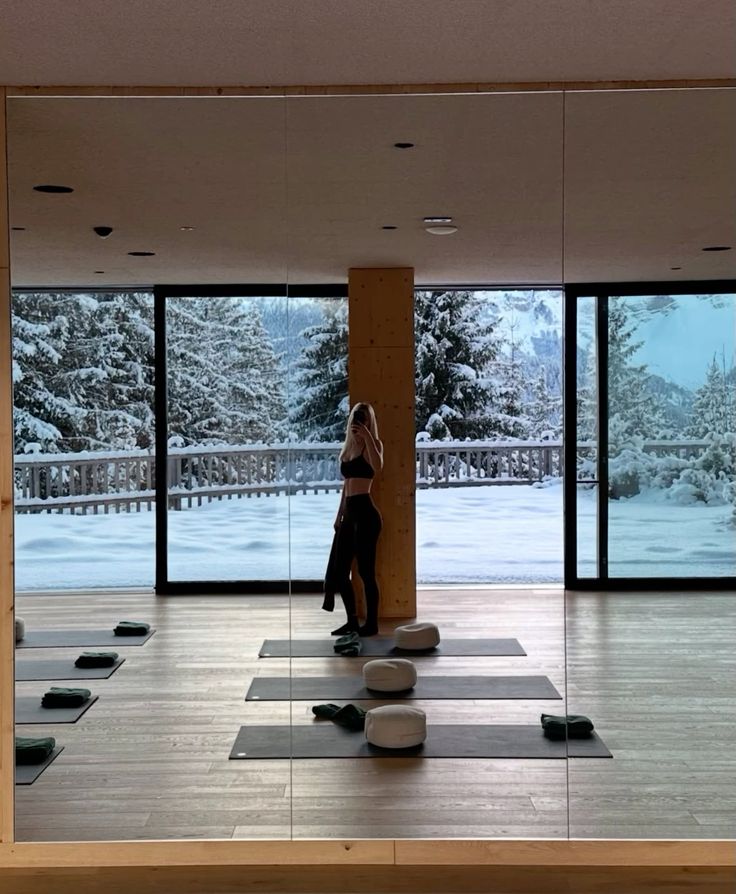
When the outdoor conditions are truly prohibitive (think blizzards or ice storms), your environment needs a creative upgrade. The gym is an obvious choice, but you can expand your indoor fitness horizons significantly.
Indoor Alternatives for Year-Round Activity
- Mall Walking: This simple yet effective strategy gets you miles in a climate-controlled, safe environment. A brisk 60-minute walk in a large mall can burn an estimated 400 calories, depending on pace.
- Take the Stairs: Forget the elevator or escalator. At work, at home, or in public buildings, choose the stairs. This quick burst of vigorous activity builds leg strength and rapidly elevates your heart rate. Even brief, repeated stair sessions count toward your weekly goals.
- Explore Aquatic Centers: Indoor swimming is a low-impact, full-body workout that is incredibly joint-friendly. The warm water can also feel soothing on stiff winter muscles.
- Try New Classes: Community centers and studios often offer motivation in numbers. Sign up for hot yoga, indoor cycling (spin), or a beginner’s squash lesson. The structure and social element drive consistency.
Tip 4: The Digital Dojo—Leveraging At-Home Fitness Technology


The accessibility of home fitness streaming has revolutionized winter workouts. You can access world-class training without setting foot outside.
Optimizing Your Home Workout Experience
- Bodyweight Mastery: Focus on routines that require minimal equipment. High-Intensity Interval Training (HIIT) routines, involving squats, push-ups, planks, and burpees, are incredibly time-efficient.
- Streaming Platforms: Utilize platforms like YouTube, which is teeming with free, high-quality content. Search for “no-equipment HIIT” or “beginner yoga” to find structured programs.
- Add Resistance Without Weights: If you have them, resistance bands are fantastic, compact tools. Alternatively, use full water bottles or canned goods for light resistance, or wear a weighted vest during bodyweight movements to increase intensity.
Statistic Spotlight: According to one study examining indoor activity options, streaming workouts are popular because they offer high-quality routines anytime, requiring little space and removing the barrier of travel time.
Tip 5: Gamify Movement—Turning Chores and Play into Exercise

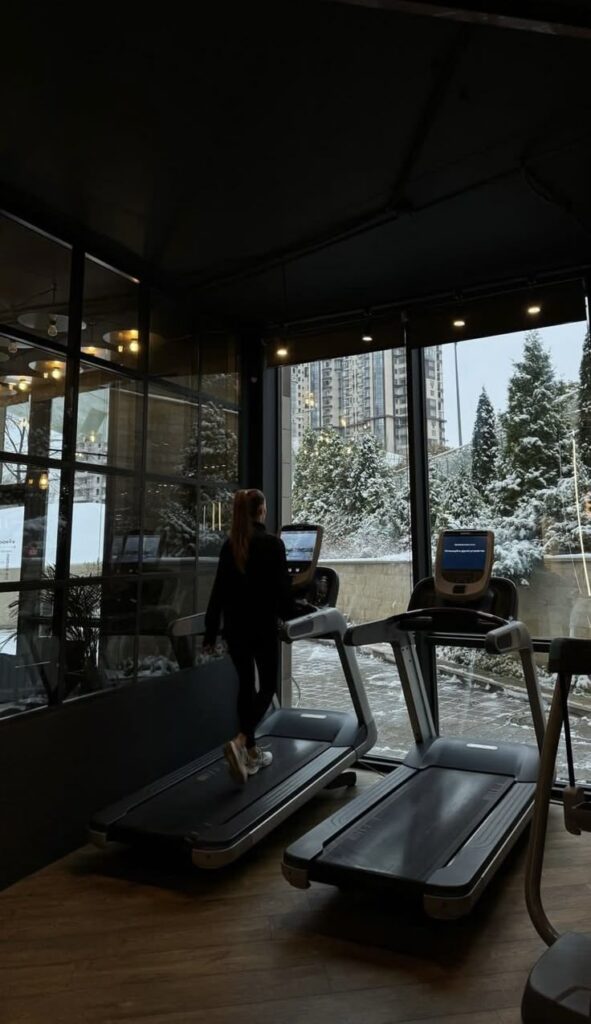
Fitness doesn’t always require spandex and a stopwatch. Many everyday activities offer a substantial Metabolic Equivalent of Task (MET) value, meaning they burn significant calories.
Active Living Beyond the Workout Window
- Active Housework: Think of deep cleaning, vacuuming vigorously, scrubbing floors, or shoveling snow—these are intense physical activities! Make it fun by playing loud music and moving with purpose. Shoveling snow, for example, is a powerful upper and lower body resistance workout.
- Active Screen Time: Do not sit passively while watching television or gaming.
- Use commercial breaks for sets of squats or push-ups.
- Walk in place while on phone calls.
- Perform static holds (like a wall sit) during tense moments in a movie.
- Family Fun: If you have children, engage in active play. Building a snowman, having an indoor dance party, or playing active video games forces you to move while keeping the family engaged.
Tip 6: Set Goals Beyond the Scale—Focus on Performance and Mood

The holiday season often brings celebratory eating, making the scale an intimidating measurement. To maintain long-term adherence, shift your focus away from just weight loss and toward performance and mental benefits.
Redefining Winter Success
- Performance Goals: Focus on doing rather than losing.
- “I want to hold a plank for 90 seconds by February.”
- “I will successfully complete the 5k distance on the treadmill.”
- “I will be able to walk up three flights of stairs without getting winded.”
- Mental Health Metrics: Track your mood. Note how much better you sleep or how much more energetic you feel on days you work out versus days you don’t.
- Expert Opinion: As noted by health professionals, the greatest health benefits come from moving from a sedentary state to a somewhat active state. The benefit jump is huge early on, so celebrate any increase in movement.
Tip 7: Hydration in Hiding—Remembering to Drink Up

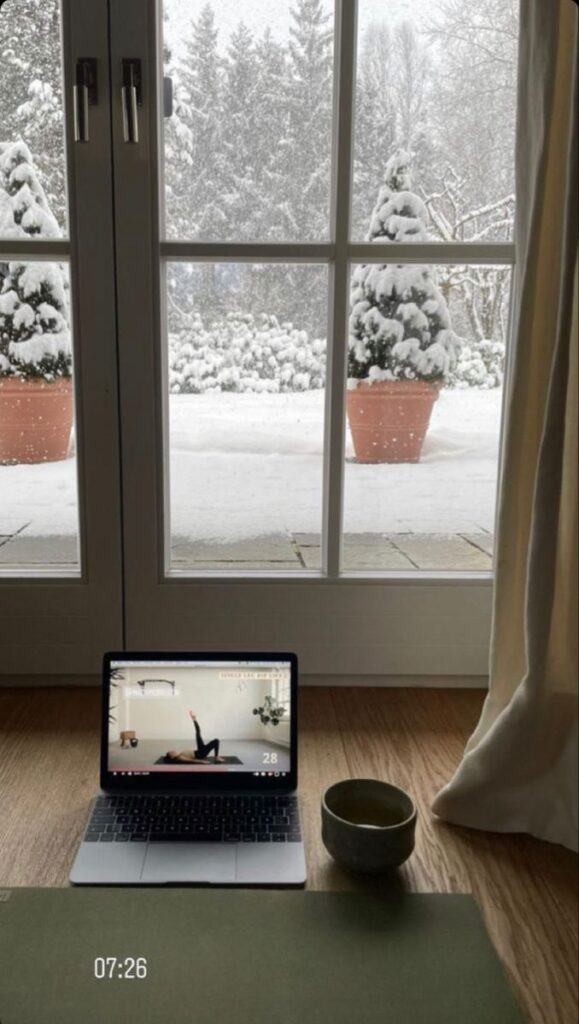
When the air is cold, your body’s thirst cues can become muffled. You may not feel the same immediate need to drink water as you do during a sweaty summer run. However, dehydration severely impacts workout performance, energy levels, and recovery.
It is just as important to stay hydrated in the cold.
Hydration Strategies for Cold Weather
- Pre-Load: Drink a full glass of water immediately upon waking, before your body signals thirst.
- Carry Warm Fluids: If plain cold water is unappealing, carry a thermos of warm, caffeine-free herbal tea with you during the day or before/after a workout.
- Eat Your Water: Focus on hydrating foods like winter squash, root vegetables, and citrus fruits, which are rich in water and essential vitamins (like Vitamin C for immune support).
Tip 8: Find Your Fitness Partner—Accountability is King


The “Partner Up” strategy consistently ranks as one of the most effective ways to overcome fitness inertia. An exercise partner acts as a powerful external commitment device.
Building a Winter Accountability System
- The Buddy System: Schedule a session with a friend—whether it’s a shared gym slot or a planned walk. You are far less likely to cancel on another person than you are on your own calendar.
- Socialize Actively: Shift your social gatherings. Instead of always meeting for coffee or a meal, suggest meeting for an ice skating session or a brisk walk around a scenic, lit-up neighborhood.
- Join a Group: Online or in-person classes provide a built-in community and instructor accountability, keeping you motivated through shared struggle and success. Social support is conducive to improving confidence in participating in activities.
Tip 9: Master the Warm-Up and Cool-Down—Protecting Cold Muscles
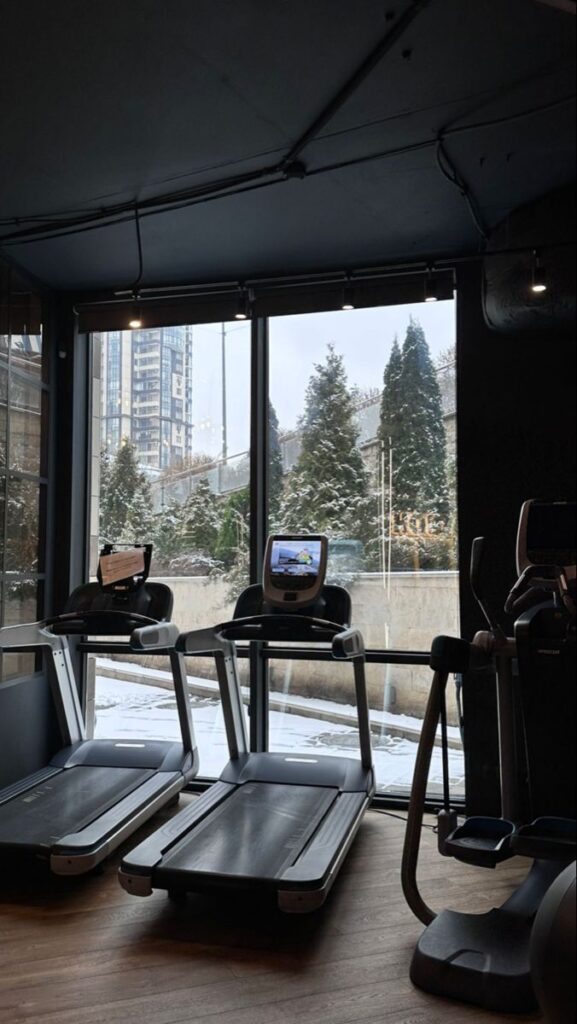

Cold muscles and connective tissues are less elastic and more prone to strain. Rushing into a strenuous activity in freezing temperatures is a recipe for a pulled hamstring or a stiff back.
Essential Cold-Weather Pre- and Post-Workout Protocols
- Warm-Up Duration: Extend your warm-up time. While you might do 5 minutes in the summer, aim for 10 to 15 minutes in the winter.
- Dynamic Over Static: Focus on dynamic stretching—movements that take your joints through their range of motion (e.g., leg swings, arm circles, high knees) to increase blood flow. Save static stretching (holding a stretch) for the cool-down.
- Post-Workout Transition: Do not immediately strip off sweaty layers after finishing. As noted by health organizations, losing body heat too quickly after exercise can cause a temporary dip in core temperature (post-exercise hypothermia). Wait 10–15 minutes, ideally in a warm space, before fully changing clothes.
Tip 10: Reframe the Season—See Winter as an Opportunity

The final, and perhaps most important, tip is a mindset shift. Do not view winter as a temporary obstacle to be endured until summer. View it as a unique training block—a season for building foundational strength, mental fortitude, and sustainable habits.
Winter’s Unique Advantages
- No Overheating: One of the major perks of cold-weather exercise is the lack of heat and humidity. You may find you can work out longer outdoors because your body is efficiently cooled by the ambient air.
- Vitamin D Exposure: When you do go outside during daylight hours, you get crucial exposure to natural light, helping your body synthesize Vitamin D, which is vital for mood and bone health.
- Building Resilience: Successfully navigating a challenging season builds mental toughness that benefits all areas of your life. You are proving your commitment to your health regardless of the weather.
The Big Picture: The American Heart Association recommends at least 150 minutes of moderate-intensity aerobic exercise per week. Whether you achieve this through an indoor circuit, outdoor snowshoeing, or a daily stair climb, consistency is the measure of success this winter.
Conclusion: Your Winter Wellness Commitment

The transition into colder months presents challenges, but with a strategic approach, it becomes an opportunity to deepen your commitment to health. We have covered everything from technical gear like moisture-wicking base layers to mental strategies like setting non-scale goals and partner accountability.
The evidence is clear: consistent physical activity—even in short bursts—is essential for boosting your immune system, improving cardiovascular health, and maintaining peak mental clarity. Don’t let the dark days dim your efforts. Choose to implement even just three of these ten tips, and you will drastically change how you experience the season.
Don’t wait for the new year to restart your fitness journey. Select your favorite tip from this guide—whether it’s planning your first indoor mall walking session or investing in a proper three-layer system for outdoor activity—and commit to practicing it this week. Share your planned strategy in the comments below! Which of these 10 essential winter fitness tips will you implement first to keep your strength soaring?