






In the digital age, our screens are the windows through which we view and interact with the world. From smartphones to desktop monitors, these devices capture a significant portion of our daily attention. But beyond their functional purpose, they hold a subtle yet profound power: the ability to influence our mindset. This is where the concept of motivation wallpaper comes into play.
A motivational wallpaper is more than just a pleasing image; it is a personalized, persistent visual cue designed to inspire action, foster positivity, and reinforce personal goals. It serves as a constant, non-intrusive reminder of your aspirations and the mindset required to achieve them. This comprehensive guide will explore the psychological impact of these simple images, detail how to choose and design the most effective ones, and show you exactly how to integrate them into your routine for maximum benefit.
You will learn about the science behind visual priming, discover various types of motivational aesthetics—from minimalist text to vibrant scenic images—and gain practical steps to turn your digital background into a potent tool for productivity and mental well-being. By the end of this article, you will be equipped to transform your device’s home screen from a distraction into a daily source of inspiration.
The Psychology Behind Visual Cues and Motivation
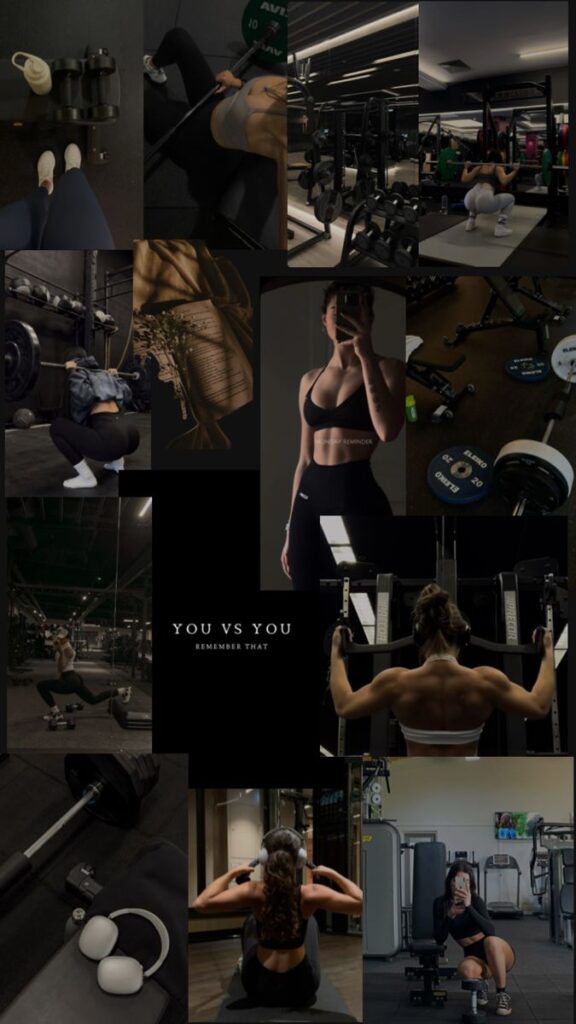
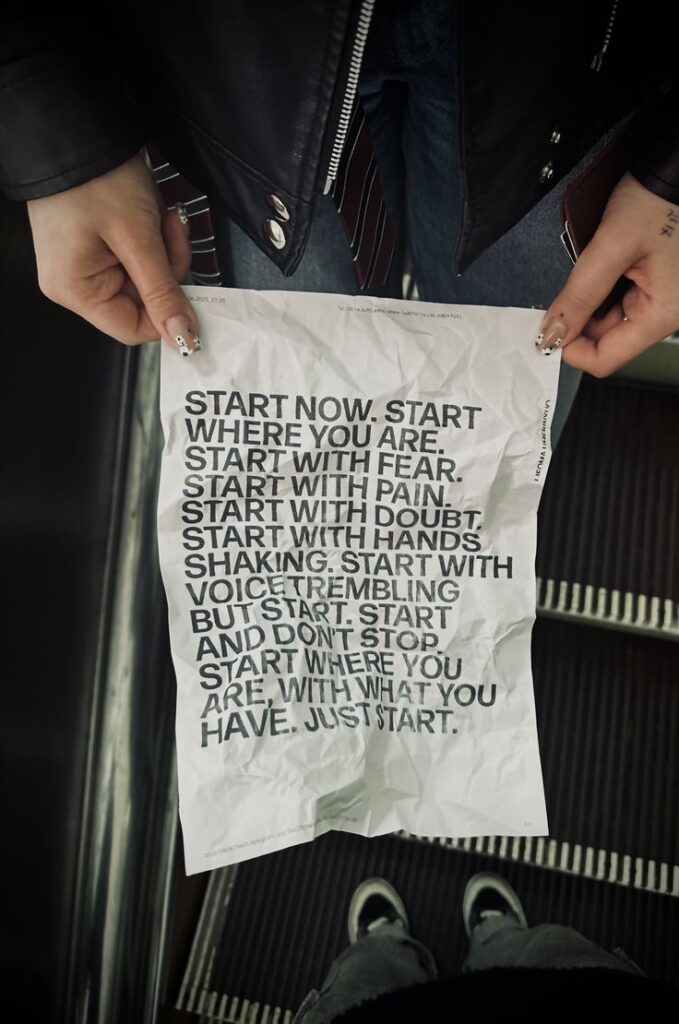

The effectiveness of using a motivational background lies in fundamental principles of cognitive psychology and neuroscience, particularly the concept of visual priming.
1. Visual Priming and Subliminal Influence
Priming is a phenomenon where exposure to one stimulus influences the response to a subsequent stimulus, without conscious guidance or intention. When you unlock your phone or switch to your desktop, the motivational image or quote on your screen is the prime.
Even if you only glance at it for a fraction of a second, your brain registers the content. Over time, this repeated exposure strengthens neural pathways associated with the image’s message—be it “Focus,” “Consistency,” or “You are capable.” This constant, subtle reinforcement helps to keep your overarching goals and the desired mindset at the forefront of your subconscious thought. It essentially ‘primes’ your mind for positive action before you even start your task.
2. The Role of the Reticular Activating System (RAS)

The Reticular Activating System (RAS) is a network of neurons located in the brainstem that acts as a filter for all the information your body takes in. Its job is to decide what information is important enough to bring to your conscious attention.
When you intentionally set a goal wallpaper with a specific message, you are effectively programming your RAS. If your wallpaper says, “Look for opportunities,” your RAS will be more attuned to noticing chances for growth or new possibilities in your environment, filtering out less relevant noise. It helps you focus on what you’ve deemed important, making you more receptive to information that supports your goals.
3. Anchoring and State-Dependent Memory
A wallpaper can serve as a visual anchor. In psychology, an anchor is a stimulus that is strongly associated with a specific emotion, thought, or state. If you set a dynamic image of a successful person or a serene landscape while feeling highly motivated, the image becomes linked to that state of high performance.
Whenever you see that image again, even on a hectic day, it can quickly trigger the positive emotion and focused state you associate with it, helping you mentally ‘reset’ and tap back into your reserves of energy and determination. This makes the simple act of checking your phone a momentary boost, rather than a dip, in your concentration.
Defining Your Motivation: Choosing the Right Wallpaper Type
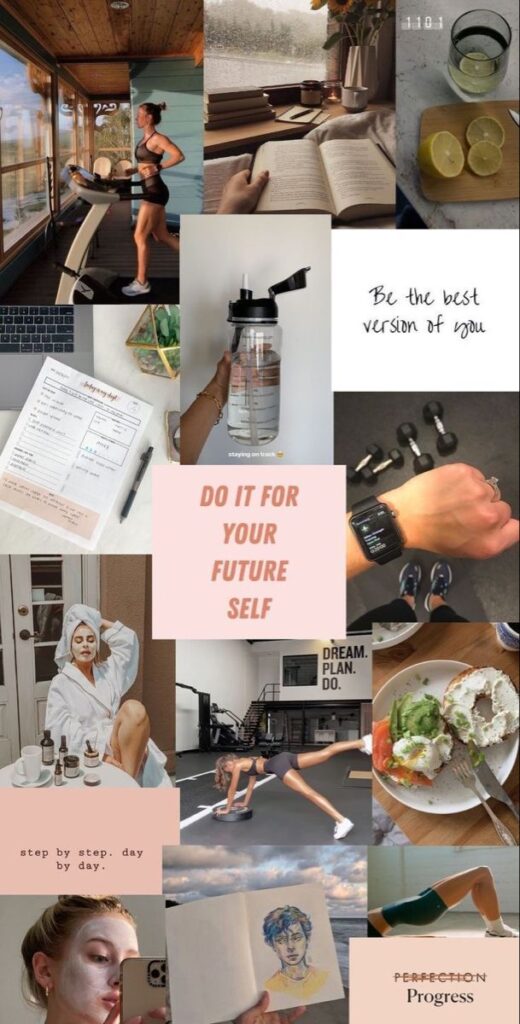
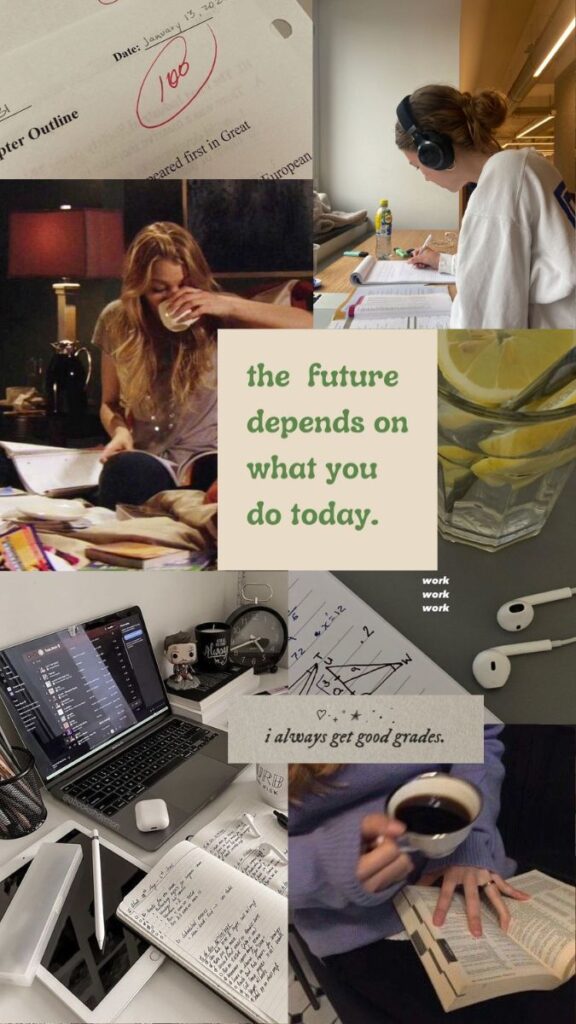
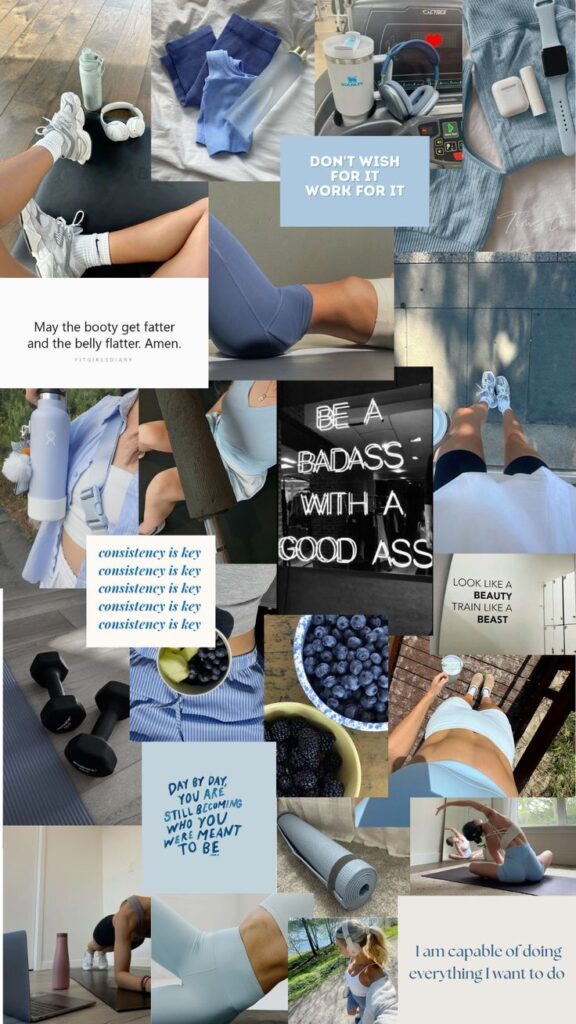
The best inspirational wallpaper is one that resonates deeply with your personal goals and current state of mind. Not all motivational images are created equal; their effectiveness depends on the congruence between the image and your internal drive.
1. Text-Based and Quote Wallpapers
These are the most common and straightforward type. They feature a powerful, succinct quote or a single word (like “Execute,” “Breathe,” or “Abundance”) often set against a clean, minimalist background.
- Best for: Clarity, direct instruction, and reinforcing a specific mantra. They are ideal for busy screens where a complex image would be distracting. They immediately convey the message upon a glance.
- Key Considerations: Choose quotes that are personally meaningful, not just popular. A quote that speaks to your specific struggle or ambition will have a far greater impact. Ensure the font is legible and the contrast is high.
2. Visualization and Goal Wallpapers
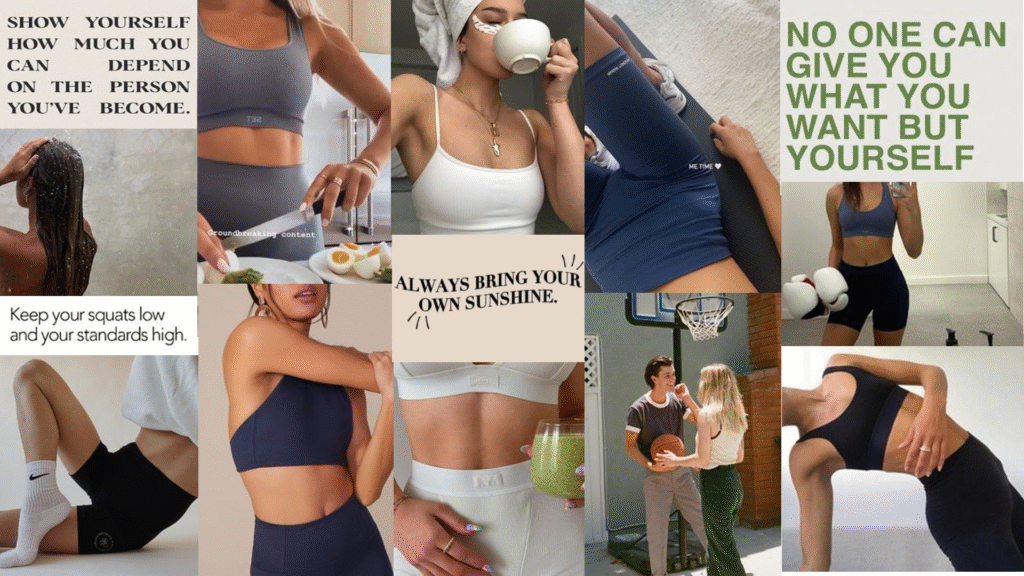
These wallpapers are visual representations of your desired outcome. They might be a photo of the dream car you want to buy, the university campus you aspire to attend, or a representation of the physical fitness level you are working towards.
- Best for: Vision board wallpaper and long-term goal reinforcement. They tap into the powerful psychological tool of visualization, allowing your mind to rehearse the feeling of success.
- Key Considerations: The image must be high-resolution and evoke a strong positive emotion. It should be a clear, unambiguous representation of the goal, not a vague or abstract picture.
3. Abstract and Mood-Setting Wallpapers
These are non-literal images—patterns, color gradients, or atmospheric landscapes—chosen to elicit a particular emotional state necessary for productivity. For example, deep blues and greens for calm and focus, or vibrant reds and oranges for energy and excitement.
- Best for: Setting an emotional tone or mood. They are less about a specific goal and more about creating an optimal mental environment.
- Key Considerations: Consider your own emotional response to colors. If yellow makes you anxious, don’t use it, even if others find it cheerful. The background must be soothing enough not to interfere with app icons and widgets.
4. Personal Progress Wallpapers
A creative approach involves using an image that reminds you of past successes or measurable progress. This could be a screenshot of a project milestone, a picture from a day you felt particularly successful, or a stylized graphic tracking a key habit (e.g., “Day 45 of writing”).
- Best for: Maintaining momentum and preventing burnout. They serve as tangible proof of your ability to persist and succeed.
- Key Considerations: Update them regularly to reflect current progress. This keeps the message fresh and the motivation dynamic.
Designing and Optimizing Your Motivation Wallpaper
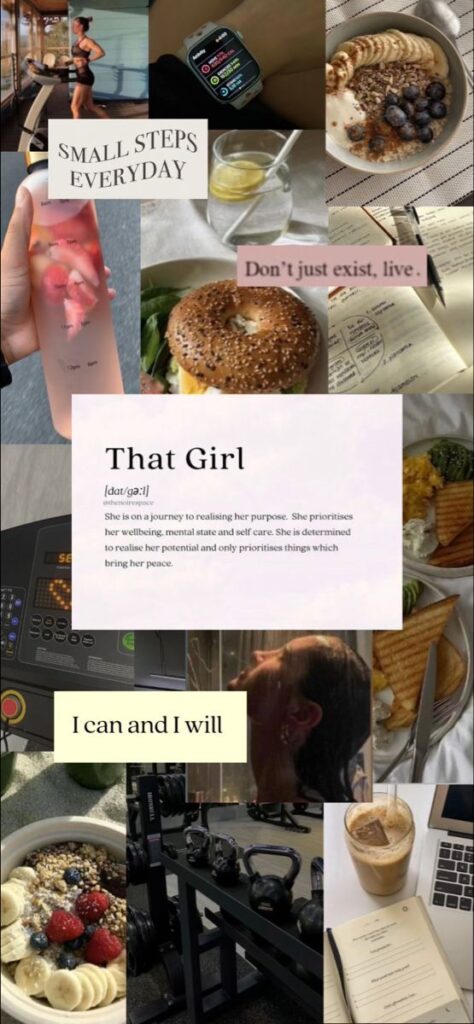
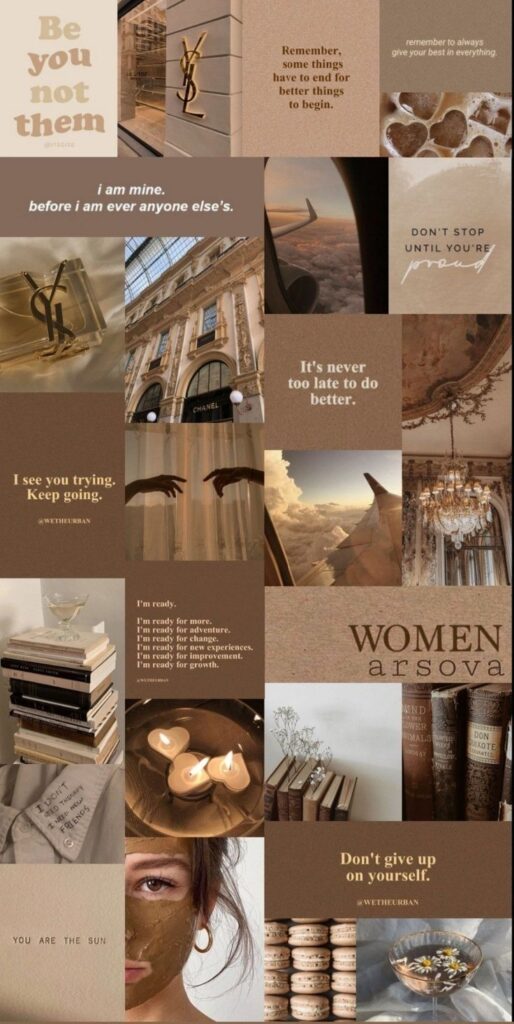
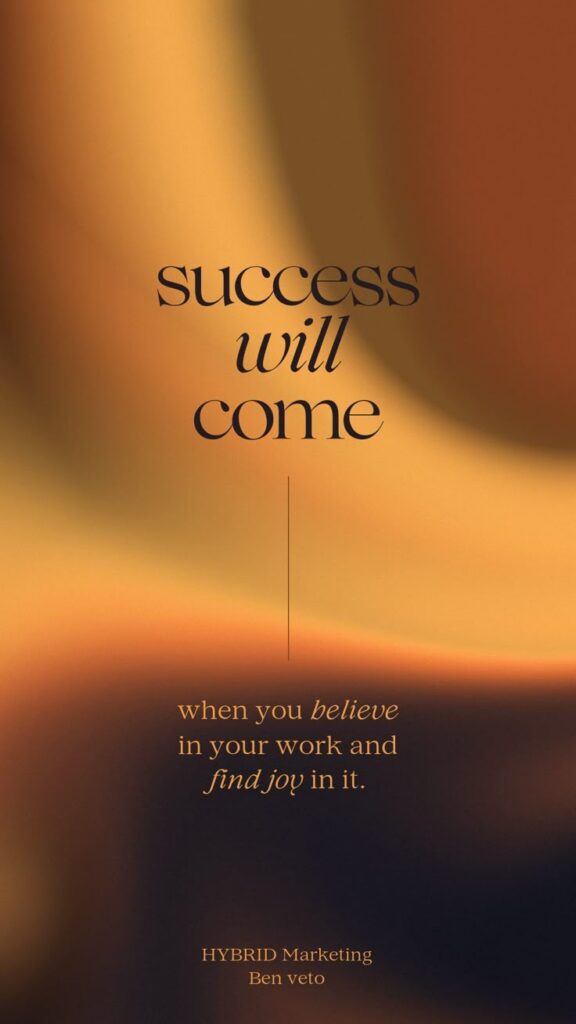
An effective motivational screensaver or wallpaper is not just what you see, but how you see it. Technical optimization is crucial for long-term effectiveness, ensuring the image is a tool, not a visual clutter.
1. Resolution and Aspect Ratio
The first step is always technical: ensure the image fits your device perfectly.
- Mobile Devices: Screen resolutions vary widely. Check your specific model’s resolution (e.g., $1080 \times 2340$ pixels). An image that is too small will appear pixelated, and one with the wrong aspect ratio will be cropped awkwardly, potentially cutting off the key message.
- Desktop/Laptop: Pay attention to the aspect ratio ($16:9$ is common). Use high-resolution images ($4K$ or $8K$ if your monitor supports it) to keep the look sharp and professional.
2. Clarity and Readability: The Fading Technique
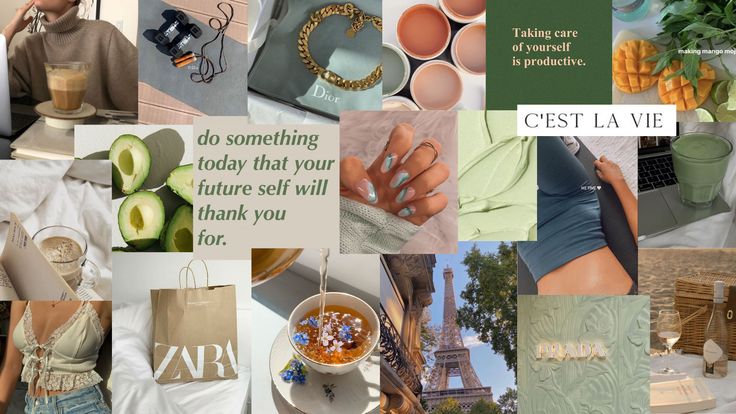
If you are using a text-based image, the text must be readable over your app icons and widgets.
- Placement: Place the key text or image element in an area of the screen that is generally clear of icons (often the top or center).
- Contrast and Overlay: Use a solid, semi-transparent color overlay (a dark gray or black with $20\%$ to $50\%$ opacity) over the motivational image. This ‘fades’ the background slightly, making white or bright text pop out and improving the visibility of app labels.
3. The Power of Typography
The font style can drastically alter the perception of the message.
- Serif Fonts (Times New Roman, Garamond): Convey authority, tradition, and seriousness. Good for goals related to career, academics, or structure.
- Sans-Serif Fonts (Helvetica, Open Sans): Suggest modernity, clarity, and simplicity. Excellent for clean, minimalist designs focused on simple actions.
- Handwritten/Script Fonts: Evoke a sense of warmth, creativity, and personal passion. Best for artistic or relationship goals.
- Pro Tip: Stick to one, maximum two, fonts for a single design to maintain visual harmony and avoid clutter.
4. Leveraging the Lock Screen vs. Home Screen
Consider the difference in function between your lock screen and your home screen.
- Lock Screen: This is often the very first thing you see. Use this space for a big-picture, emotional motivator. A powerful quote or a major goal visualization works best here, as you only see it briefly before unlocking.
- Home Screen (or Desktop): This space is used while you are actively working or navigating apps. Use a design that is minimalist, calm, and functional. A simple color gradient or a single, focused word (“Execute”) is less distracting than a complex image when you are trying to find an app icon.
Integrating Your Wallpaper into a Daily Routine

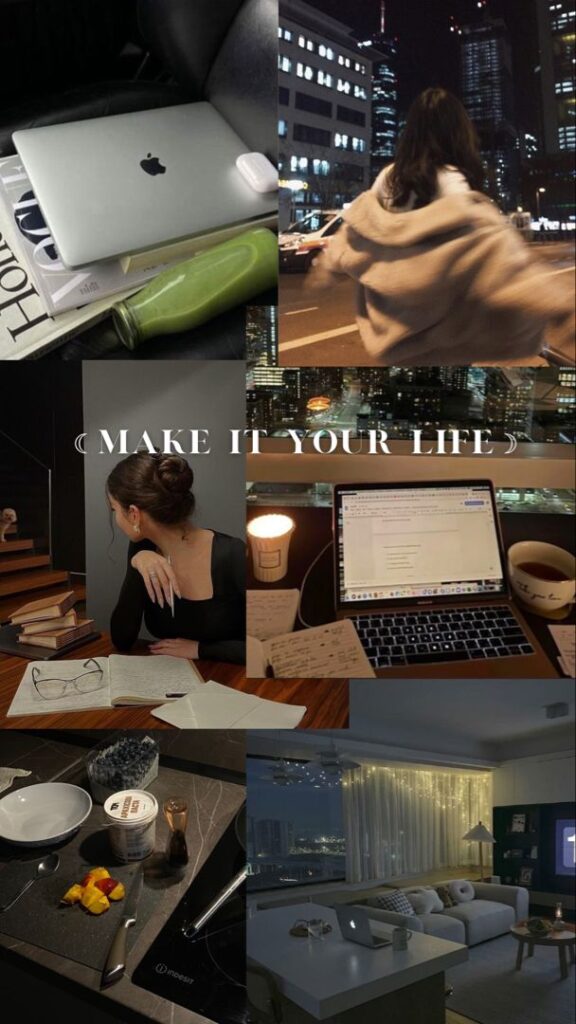
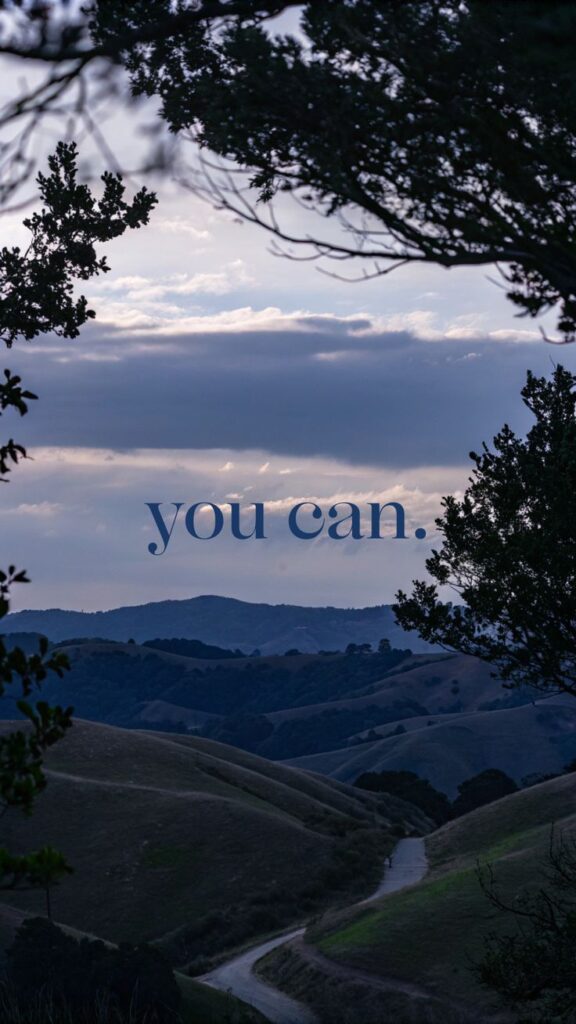
A motivational screen background is only as effective as the awareness you bring to it. It must be actively used as a tool, not just a passive image.
1. The Morning Momentum Check
Make it a habit to consciously read or absorb your wallpaper’s message the first time you interact with your device in the morning.
- Action: When you pick up your phone, before opening any apps, take two seconds to read the quote or look at the image.
- Benefit: This anchors your mind in your goals before the noise of notifications and emails takes over. It sets a positive, focused intention for the entire day.
2. The Mid-Day Reset

When you feel energy dipping, motivation fading, or focus wavering, use your wallpaper as a mental reset button.
- Action: Instead of scrolling social media during a break, close all apps and stare at your wallpaper for ten seconds. Take a deep breath.
- Benefit: It immediately reconnects you with your purpose, helping you shift from a state of distraction or fatigue back to focused intent.
3. The Wallpaper Rotation Strategy
To prevent habituation—where you become so used to the image that your brain stops registering it—rotate your wallpapers regularly.
- Schedule: Change your wallpaper every week, every two weeks, or monthly.
- Thematic Rotation: Group your wallpapers thematically. Week 1: Focus on discipline. Week 2: Focus on gratitude. Week 3: Focus on a specific business goal. This keeps the visual stimuli fresh and reinforces different facets of personal development.
4. Alignment with Other Tools
Maximize the effectiveness of your digital environment by aligning your inspirational desktop wallpaper with other tools you use.
- If you use a productivity app, have your wallpaper reflect the current task or project.
- If you use a journal, make the quote on your lock screen the theme of your daily entry.
- This cohesive approach creates a synergistic ecosystem where all your tools point toward the same purpose.
Conclusion

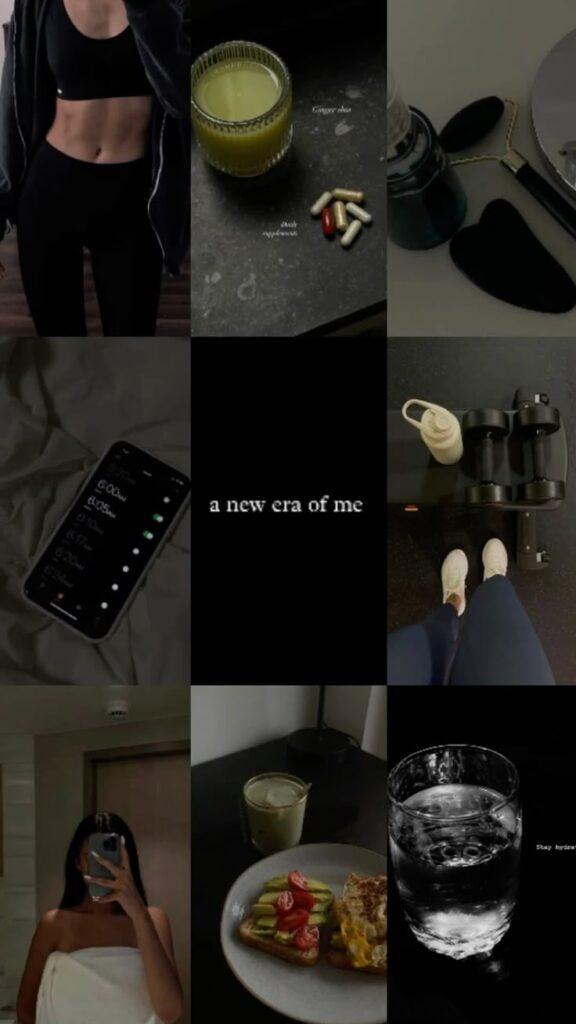
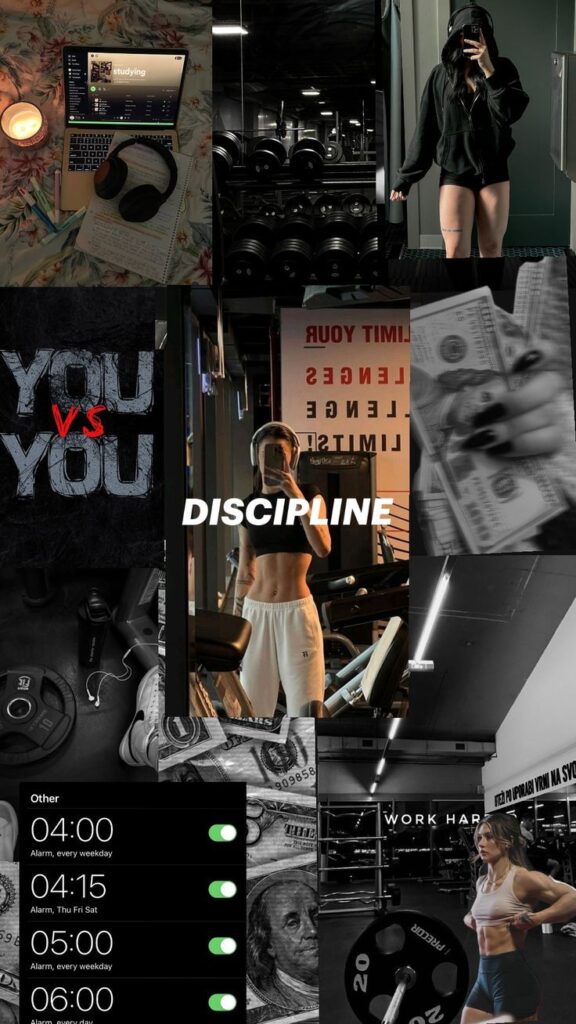
The screen on your digital device is a prime piece of real estate in your daily consciousness. Choosing a motivation wallpaper transforms this space from a default setting into a powerful, always-present tool for self-improvement and goal achievement.
By understanding the psychology of visual priming, selecting images that genuinely resonate with your aspirations, and actively integrating them into your routine, you can harness this simple technique to achieve a continuous mindset shift. Your wallpaper is a silent partner in your pursuit of excellence, offering a daily, non-negotiable prompt to stay focused, stay positive, and stay consistent. Make the conscious choice today to program your most-used device for success, turning every glance into an opportunity for inspiration and action.
FAQ: Frequently Asked Questions about Motivation Wallpaper

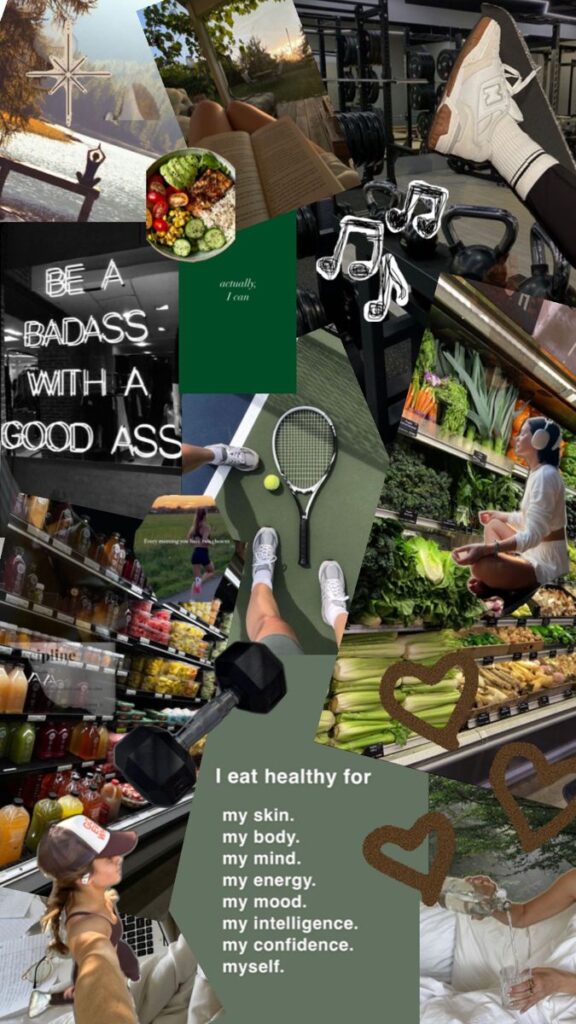
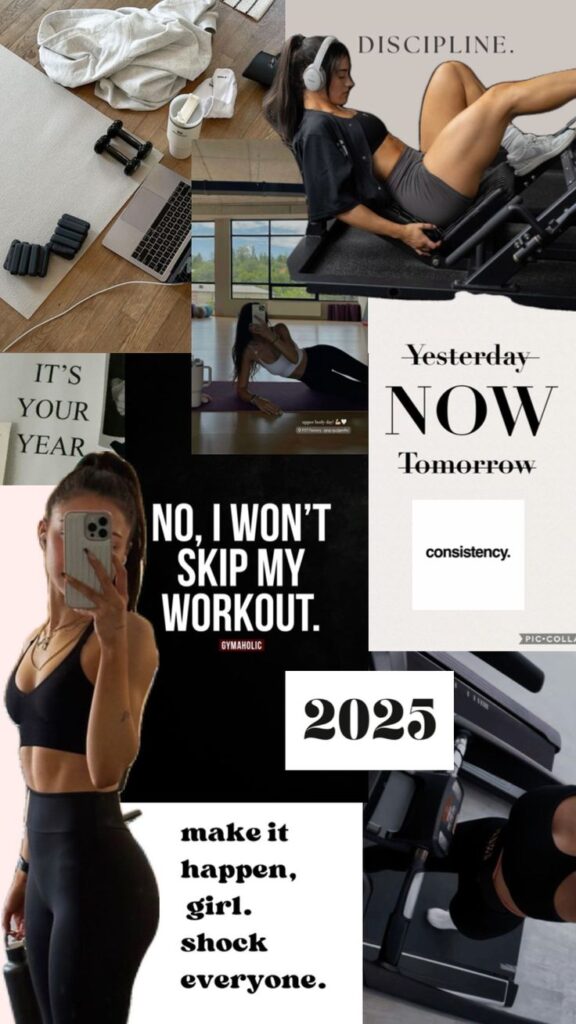
Q1: Does motivation wallpaper actually work, or is it just a fleeting trend?
A: Yes, it works due to proven psychological principles, primarily visual priming and the function of the Reticular Activating System (RAS). Repeated exposure to a motivational cue keeps your goals active in your subconscious, making you more receptive to opportunities and more likely to maintain a focused mindset.
Q2: Should I use an image or a quote for my motivational wallpaper?
A: It depends on your goal. Quotes are excellent for reinforcing a specific mantra, instruction (like “Focus”), or philosophical outlook. Images are better for visualization and emotional anchoring, representing a tangible outcome (like a goal destination or a desired physique). Many find a balance—a simple, high-impact quote over a minimalist background—to be the most effective.
Q3: How often should I change my motivational wallpaper?
A: It is recommended to change your wallpaper every 1 to 4 weeks. If you leave the same image up for too long, you risk habituation, where your brain becomes so used to the visual that it stops registering the message. A regular rotation keeps the cue fresh and ensures the motivational message retains its impact.
Q4: My home screen is cluttered with app icons. How can I make text-based wallpaper readable?
A: Use smart design techniques. Place the text in an area of the screen naturally clear of icons (often the very top or bottom). Crucially, apply a dark, semi-transparent color overlay (a solid layer of $30-50\%$ opacity black or dark gray) over the main image to slightly dim the background, making bright text immediately legible.
Q5: Can I use different motivational backgrounds for my phone and desktop?
A: Absolutely, and it’s highly recommended. Use your phone’s lock screen for a high-impact, big-picture goal or powerful emotional quote, as it is viewed briefly. Use your desktop background for a calmer, less distracting image or a mantra related to your current work task, as it is viewed for long, continuous periods.
Q6: What is the ideal resolution for a motivation wallpaper?
A: The ideal resolution matches your device’s native display resolution exactly. For example, use $1920 \times 1080$ for a standard $1080p$ monitor, or check your phone’s specifications (e.g., $1440 \times 3200$ for many modern high-end phones). Using the correct resolution prevents stretching, cropping, or pixelation, maintaining a professional and clear aesthetic.
Q7: Where can I find high-quality, free motivational wallpaper images?
A: Excellent resources include stock photo websites like Unsplash, Pexels, and Pixabay. These sites offer high-resolution images that are free for personal use. You can search using terms like “minimalist wallpaper,” “inspiring landscape,” or “motivational quotes” to find clean, professional backgrounds.
Q8: Should the wallpaper be related to my professional or personal goals?
A: It can, and often should, be both. Since your devices accompany you everywhere, it’s beneficial to have the wallpaper reflect your most pressing current priority. If you are struggling with work-life balance, choose a wallpaper related to personal well-being or presence. If you are in a key project phase, choose a focus wallpaper related to execution and discipline.