



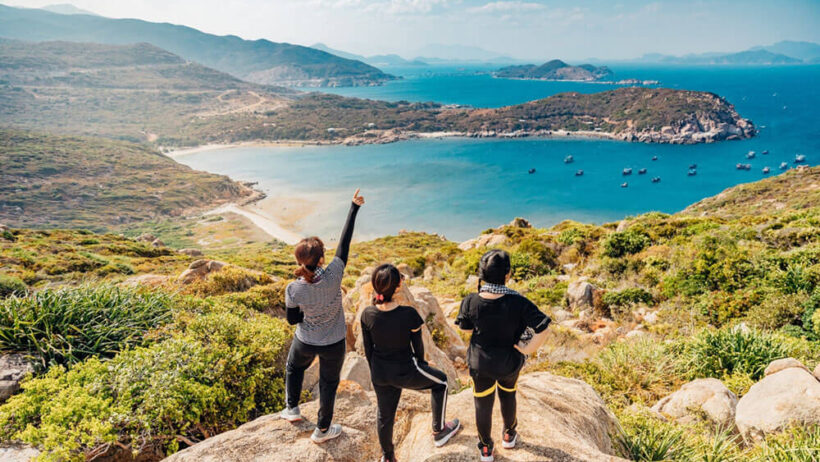

Active travel has moved beyond simply visiting tourist sites; it’s about engaging with the environment, embracing challenges, and immersing yourself completely in new cultures and landscapes. It’s a journey for the body as well as the soul, focusing on activities like hiking, cycling, kayaking, and exploration.
This detailed guide presents the top global destinations for active travel, offering inspiration and practical insights for adventurers of all levels. From mountain ranges and remote national parks to vibrant coastal trails, we’ll explore locations that promise not just a change of scenery, but a profound, life-changing adventure. Get ready to discover your next epic challenge in the world’s most spectacular natural arenas.
The Spirit of Adventure: Defining Active Travel
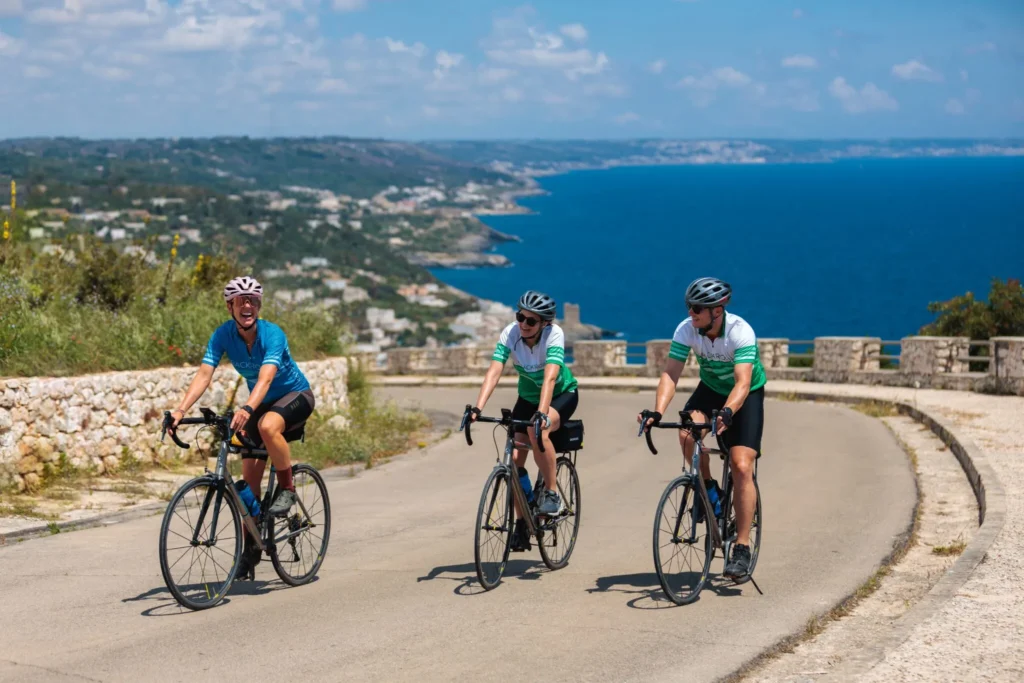
Active travel is characterized by intentional physical activity as a primary component of the vacation experience. It is distinctly different from passive sightseeing.
More Than Just a Holiday
This style of travel is inherently participatory, focusing on doing rather than just seeing. It often involves activities that require endurance, skill, or direct engagement with the natural world, such as trekking, white-water rafting, or mountaineering.
It’s about seeking out physical challenges that lead to rewarding views and experiences, promoting fitness and a sense of accomplishment. The rewards extend beyond physical health, offering deep mental refreshment and a unique perspective on the destination.
Key Components of Active Travel
The best active travel destinations seamlessly blend spectacular scenery with accessible and diverse physical activities. Key components include:
- Diverse Terrain: Access to mountains, coastlines, forests, or deserts suitable for various sports.
- Accessibility: Well-maintained trails, established infrastructure for adventure sports, and reliable local guides.
- Authentic Immersion: Opportunities to connect with local communities and ecosystems in a meaningful way.
North and South America: Epic Trails and Wilderness

The American continents offer a vast playground for adventurers, from arctic conditions to tropical rainforests.
Patagonia, South America: Trekking at the End of the World
Straddling Chile and Argentina, Patagonia is arguably the most iconic destination for serious trekkers and outdoor enthusiasts. Its rugged, windswept landscapes are breathtaking and demanding.
The region is defined by its massive glaciers, towering granite peaks like Fitz Roy and Torres del Paine, and crystalline lakes. The famous W Circuit in Torres del Paine National Park is a bucket-list trek, combining challenging climbs with astonishing natural beauty.
- Activities: Multi-day trekking, glacier hiking, rock climbing, kayaking in fjords.
- Key Sites: Torres del Paine National Park (Chile), Los Glaciares National Park (Argentina), Perito Moreno Glacier.
Costa Rica: Pura Vida and Biodiversity

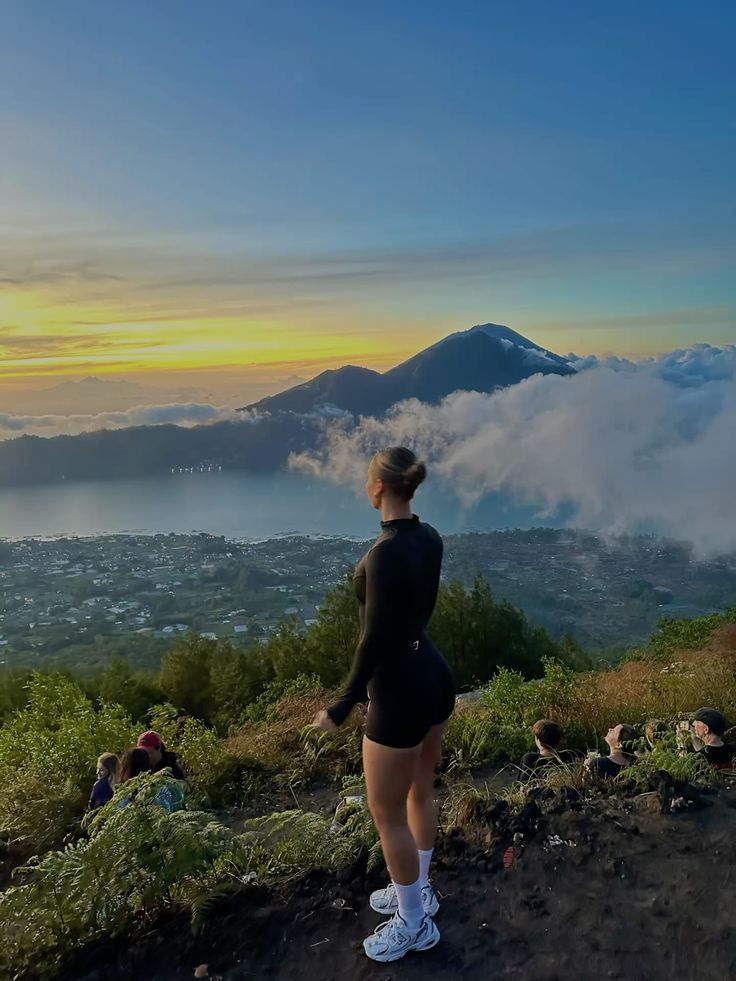
Costa Rica is the Central American heartland of ecotourism and a true paradise for multi-sport adventures. Its commitment to conservation provides a backdrop of incredible biodiversity for any activity.
Travelers can move rapidly from surfing on the Pacific coast to zip-lining through cloud forests and hiking around active volcanoes. The focus here is on dynamic, varied activities within lush, tropical environments.
- Activities: Zip-lining, white-water rafting, surfing, canyoning, wildlife spotting hikes.
- Key Sites: Arenal Volcano National Park, Monteverde Cloud Forest, Manuel Antonio National Park.
The Canadian Rockies, North America: Alpine Majesty
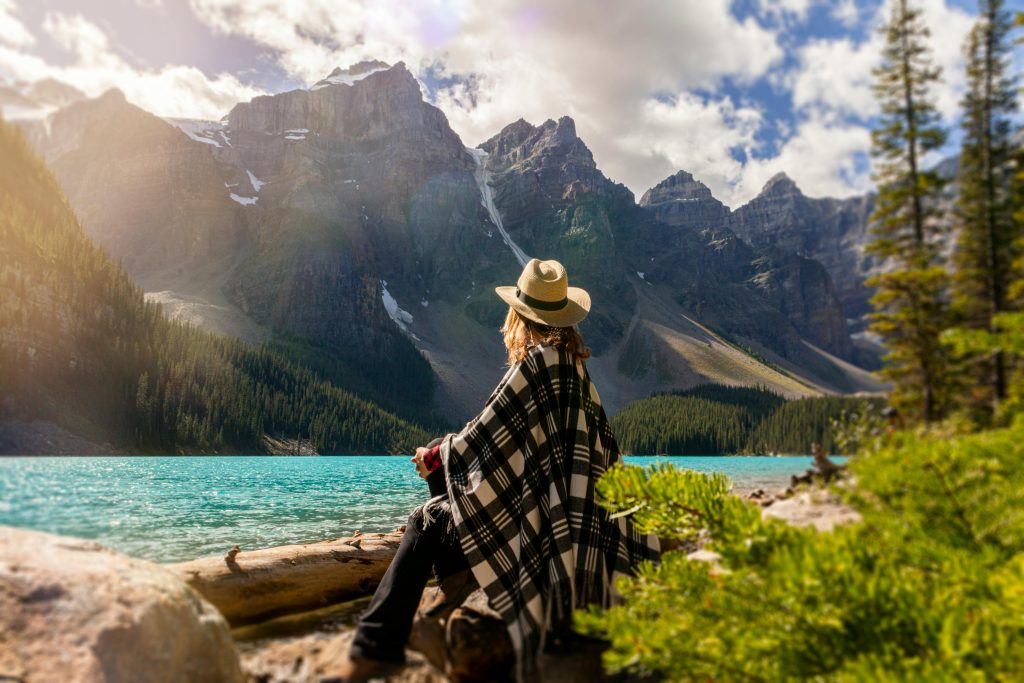
The national parks of the Canadian Rockies, including Banff, Jasper, and Yoho, provide a world-class setting for alpine adventures. With turquoise lakes, vast glaciers, and towering peaks, the scenery is as grand as the challenges.
Summer offers extensive hiking and mountain biking trails, while winter transforms the area into a premier destination for backcountry skiing and ice climbing.
- Activities: Hiking, mountaineering, canoeing, mountain biking, backcountry skiing.
- Key Sites: Lake Louise, Icefields Parkway, Moraine Lake.
Europe: Culture, Coastlines, and Challenging Peaks
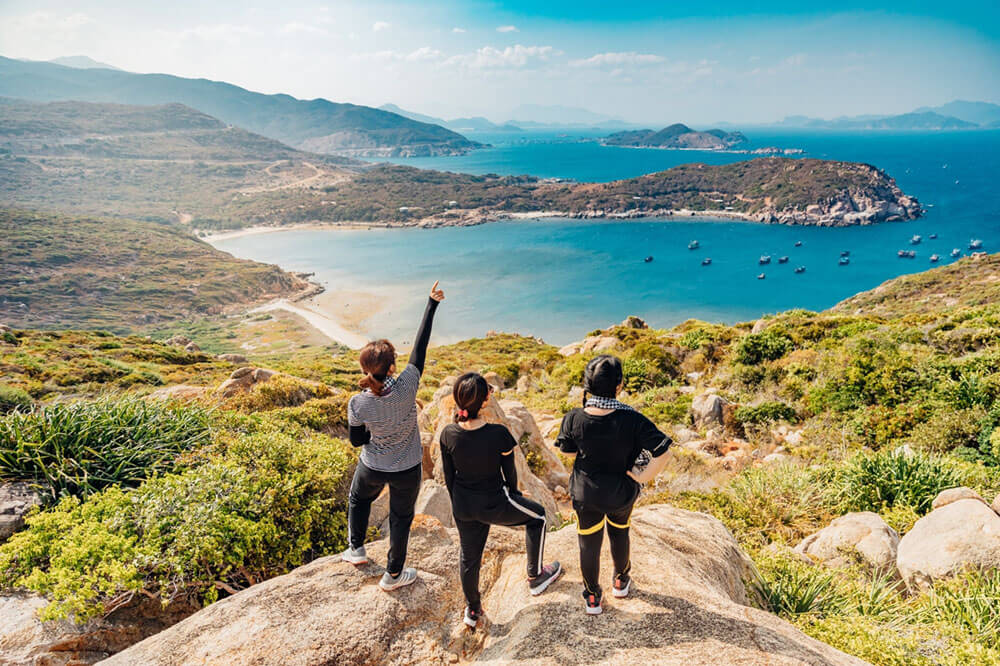
Europe offers a fascinating blend of ancient history and world-class trails, making it ideal for travelers who want cultural enrichment alongside their physical activities.
The Dolomites, Italy: Via Ferrata and High-Altitude Hiking
The Dolomites, a UNESCO World Heritage site in Italy, are famous for their unique, jagged pale rock formations. They offer some of the most dramatic and accessible mountain hiking in Europe.
The region is the birthplace of Via Ferrata (iron paths), protected climbing routes that allow hikers to ascend steep rock faces using steel cables, ladders, and fixed anchors. This combines the thrill of climbing with the accessibility of hiking.
- Activities: Via Ferrata, high-altitude trekking, cycling, multi-day hut-to-hut hiking (Rifugio tours).
- Key Sites: Tre Cime di Lavaredo, Marmolada Glacier, Cortina d’Ampezzo.
The Azores, Portugal: Volcanic Islands and Canyoning
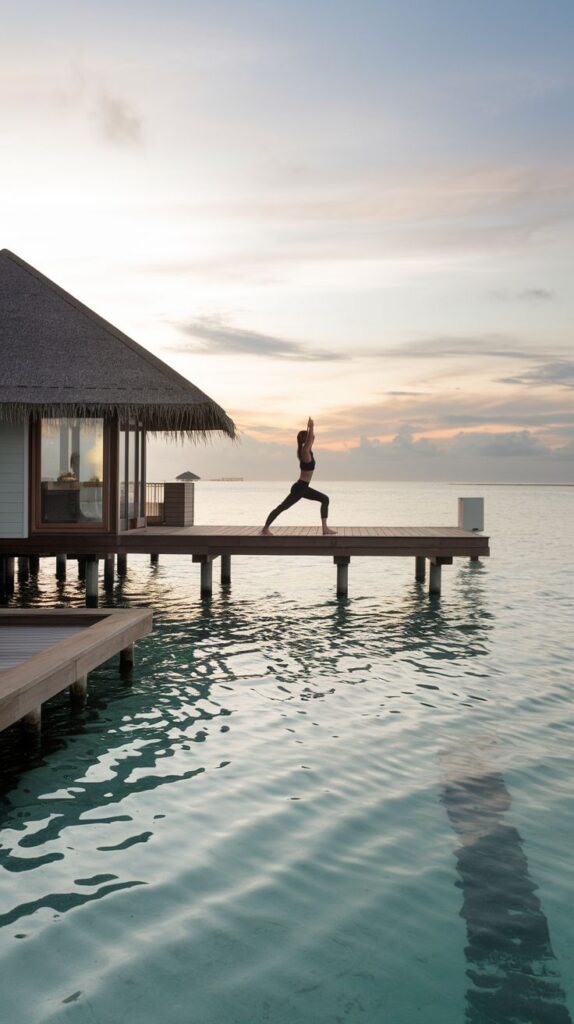
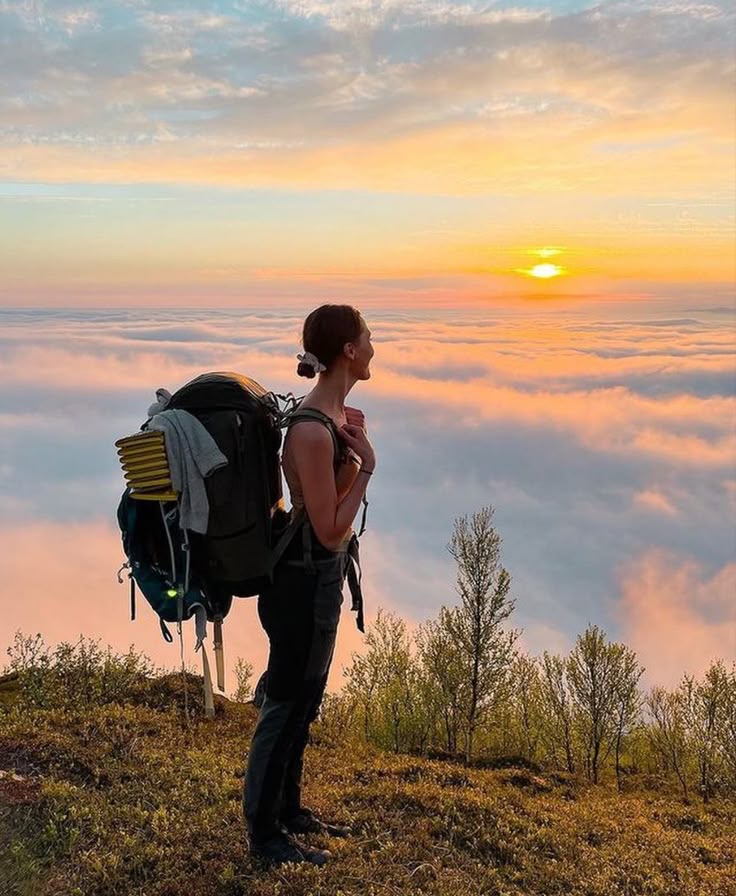
Often called Europe’s answer to Hawaii, this archipelago in the mid-Atlantic is a volcanic haven for adventure. The nine islands offer a remarkable variety of landscapes, from lush crater lakes to dramatic coastlines.
The volcanic geology provides perfect conditions for canyoning (rappelling down waterfalls) and deep-sea diving. The sheer diversity of activities packed into a relatively small area makes the Azores an efficient destination for a varied active vacation.
- Activities: Canyoning, whale watching, scuba diving, coastal hiking, cycling, sea kayaking.
- Key Sites: Sete Cidades Lake (São Miguel), Mount Pico (Pico Island), Furnas hot springs.
The Camino de Santiago, Spain/France: The Ultimate Pilgrimage Trek
The Camino de Santiago is not a single trail but a network of ancient pilgrim routes, culminating at the cathedral of Santiago de Compostela in Spain. It is the ultimate long-distance walking adventure, blending physical challenge with introspection.
While the Camino Francés is the most popular route, there are many variations offering different degrees of difficulty and cultural exposure, all providing a powerful physical and mental journey.
- Activities: Long-distance walking/hiking, cycling the routes.
- Key Sites: Santiago de Compostela, Roncesvalles, Burgos Cathedral.
Asia and Oceania: Culture, Heights, and Coastal Exploration
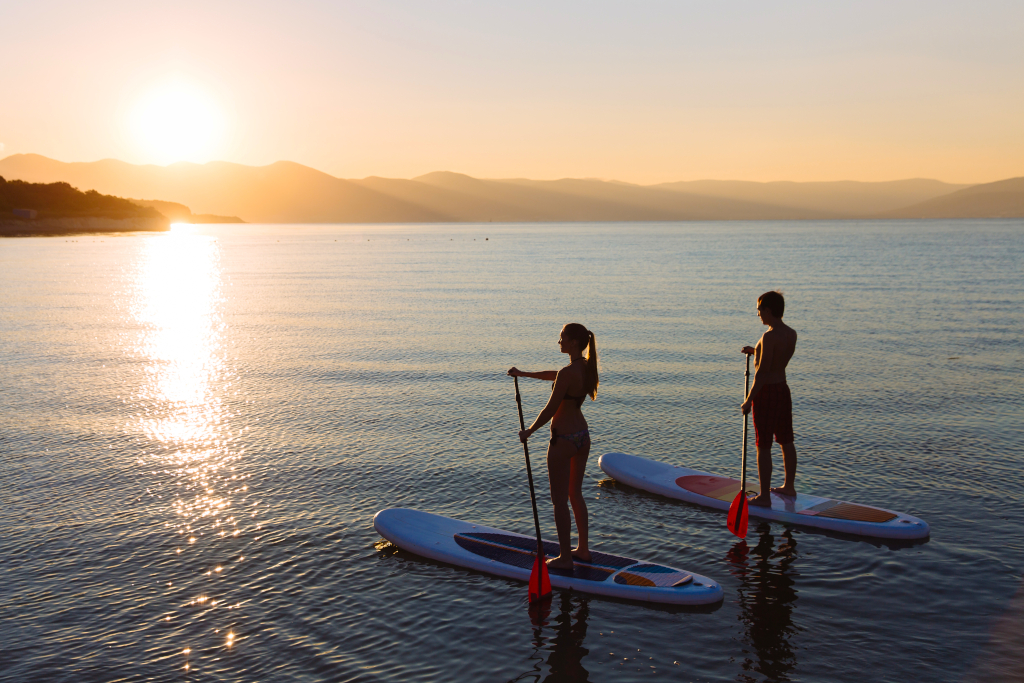
From the highest mountains on Earth to unique island wildernesses, these regions provide some of the most rewarding and culturally rich active travel experiences.
The Himalayas, Nepal: Trekking to the World’s Zenith
For many, Nepal represents the absolute pinnacle of active travel due to the presence of the Himalayas, including Mount Everest. Trekking here is an experience of monumental scale, combining challenging physical exertion with profound spiritual exposure.
The most famous routes, like the Everest Base Camp (EBC) Trek and the Annapurna Circuit, take weeks to complete and require careful acclimatization, but reward travelers with unparalleled views of the world’s highest peaks and deep interaction with Sherpa culture.
- Activities: High-altitude trekking, mountaineering, cultural village stays, white-water rafting on glacial rivers.
- Key Sites: Sagarmatha National Park, Annapurna Sanctuary, Kathmandu Valley.
New Zealand: The Adventure Capital of the World
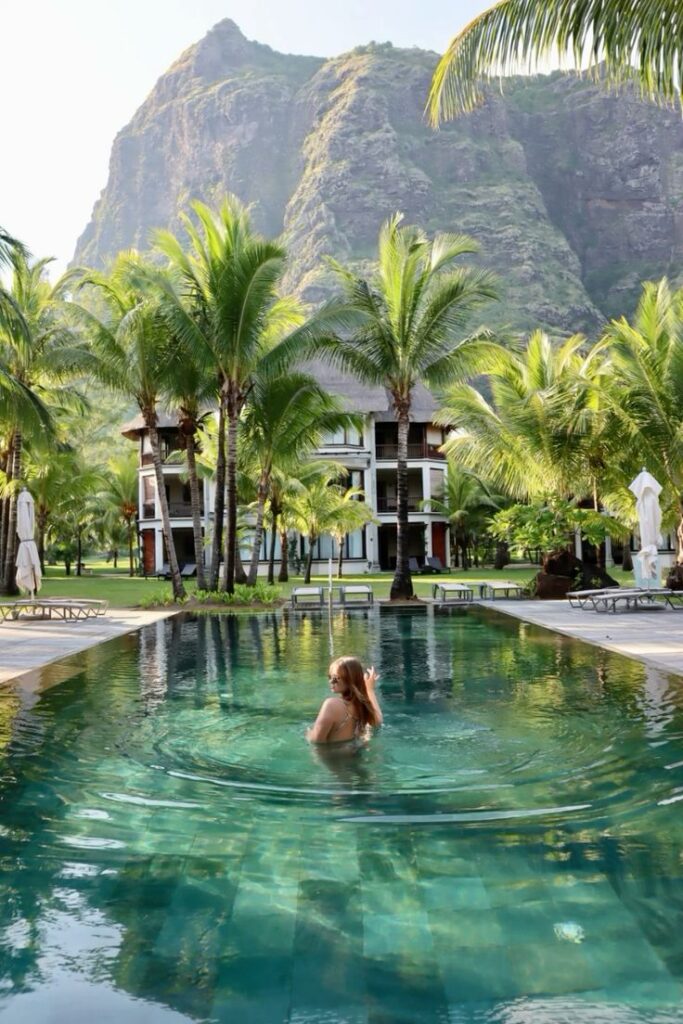
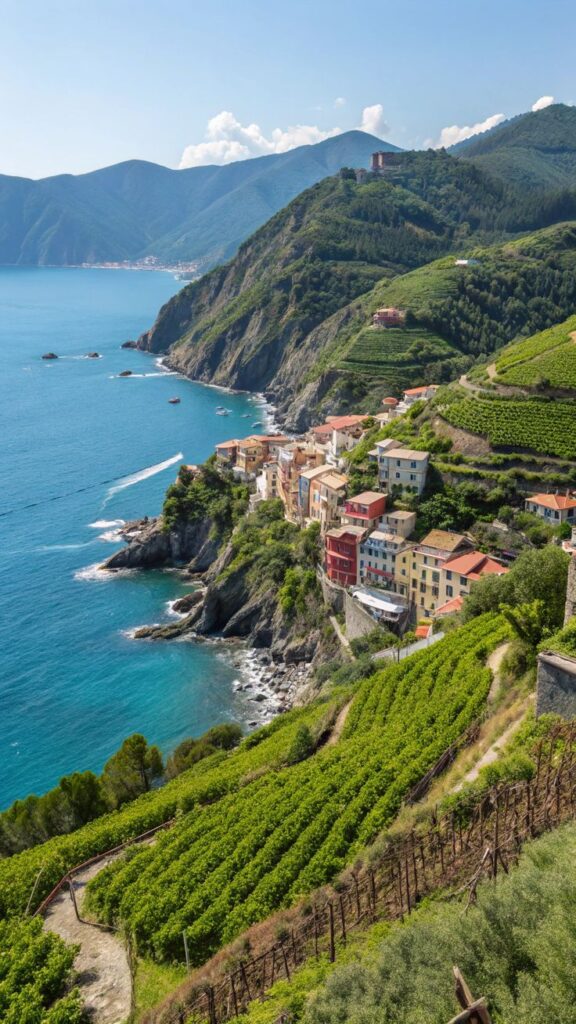
New Zealand’s dramatic and diverse geography makes it a perpetual favorite for adventure lovers. With its commitment to conservation and well-established “Great Walks,” the country is designed for active exploration.
The South Island, in particular, offers the steepest challenges, from the glaciers of Fiordland National Park (site of the Milford Track) to the extreme sports hub of Queenstown.
- Activities: Hiking the Great Walks, bungy jumping, kayaking, canyoning, mountain biking, skiing.
- Key Sites: Milford Sound, Tongariro Alpine Crossing, Queenstown, Abel Tasman National Park.
Japan: Ancient Paths and Modern Thrills
Japan offers a surprisingly deep active travel experience, extending far beyond its major cities. Travelers can follow ancient routes that once connected samurai and pilgrims.
The Kumano Kodo pilgrimage trails offer multi-day hiking through beautiful forested mountains, while the Japan Alps provide incredible, demanding mountaineering and alpine hiking comparable to Europe. This is a destination where culture and challenge intersect seamlessly.
- Activities: Multi-day pilgrimage hiking, alpine mountaineering, cycling the Shimanami Kaido, snow sports.
- Key Sites: Kumano Kodo, Kamikochi (Japan Alps), Shikoku Island.
Africa and the Middle East: Desert, Safari, and Summit
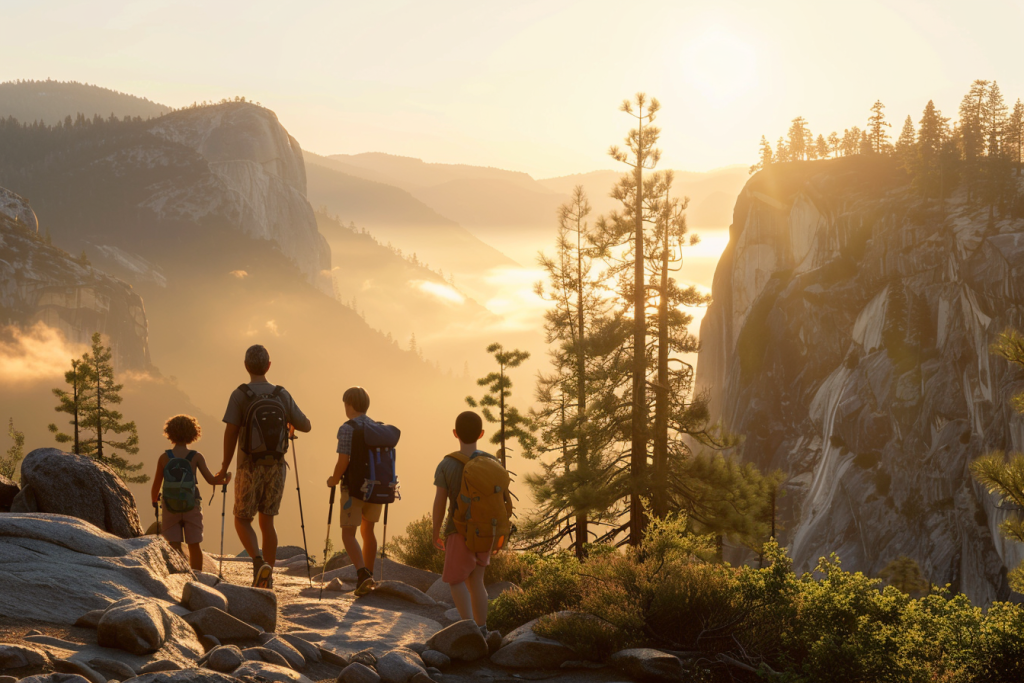
These regions offer unique active experiences, often centered around wildlife viewing, climbing high solitary peaks, or traversing vast, ancient desert landscapes.
Tanzania: Kilimanjaro and Safari Trekking
Tanzania is home to Mount Kilimanjaro, the highest freestanding mountain in the world and the highest peak in Africa. Climbing Kilimanjaro is a demanding, high-altitude trek accessible to fit hikers without technical climbing experience, offering a supreme sense of achievement.
Beyond the summit, walking safaris in reserves like the Serengeti or Ngorongoro provide a highly active and intimate way to experience the spectacular African wildlife.
- Activities: High-altitude trekking (Kilimanjaro), walking safaris, deep-sea diving in Zanzibar.
- Key Sites: Mount Kilimanjaro, Serengeti National Park, Ngorongoro Crater.
Jordan: Petra and Wadi Rum Desert Trekking
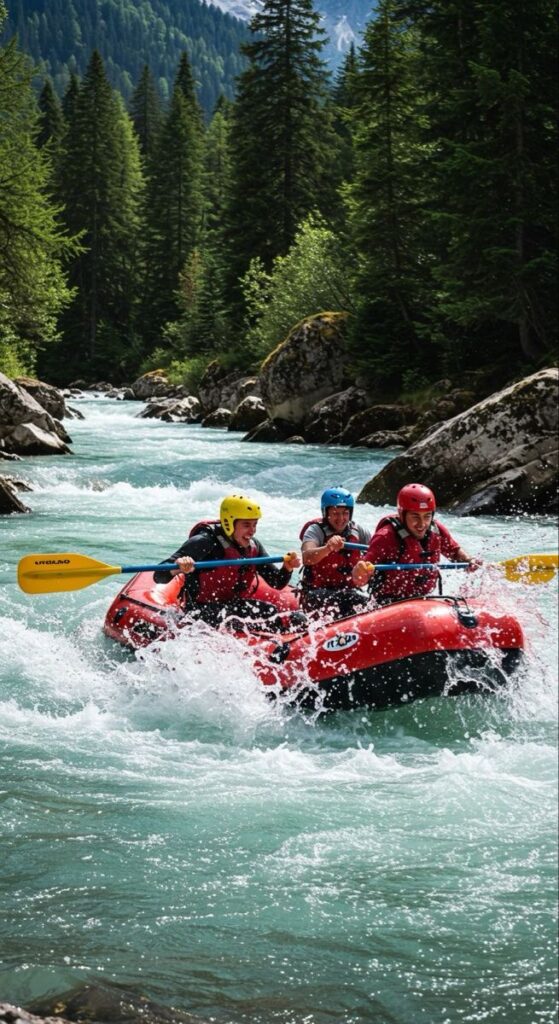
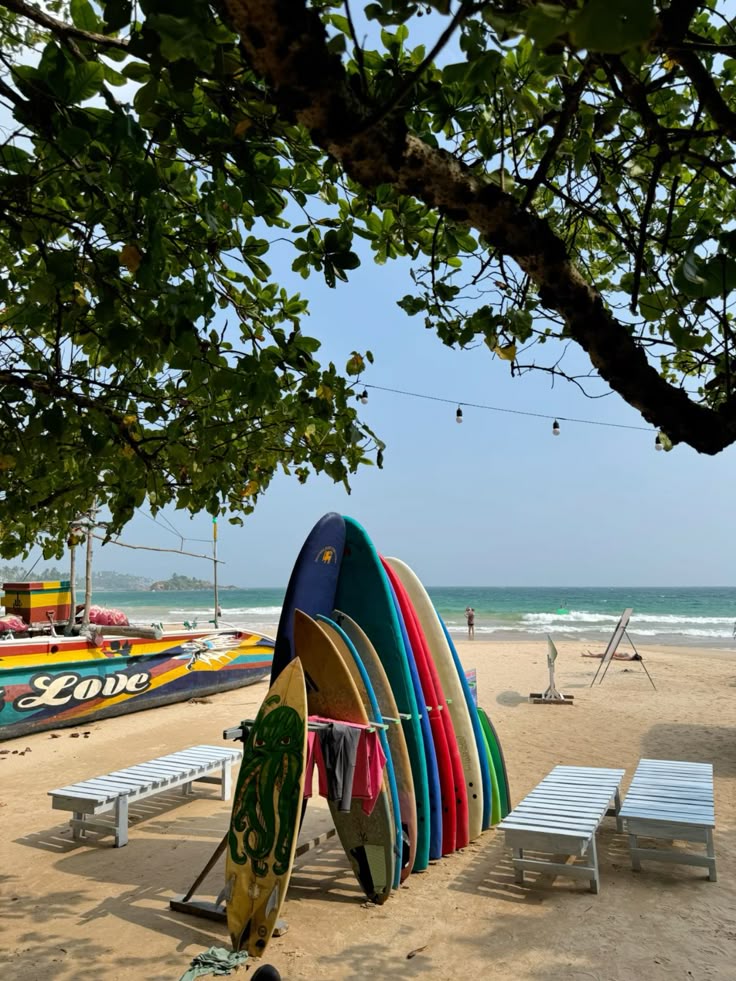
Jordan is a prime destination for cultural and desert adventures. The ancient city of Petra offers more than just the iconic Treasury view; its vast area requires days of active hiking to fully explore its hidden trails and monasteries.
South of Petra, the monumental desert of Wadi Rum is a paradise for desert trekking, rock climbing, and camel trekking. Camping under the stars here offers a profound connection to the natural environment.
- Activities: Desert trekking, camel riding, rock climbing, extensive hiking within archaeological sites.
- Key Sites: Petra (The Monastery hike), Wadi Rum Protected Area.
Planning Your Active Adventure: Tips and Considerations
A successful active trip requires careful preparation, especially when traveling to remote or high-altitude destinations.
Training and Physical Preparation
No matter the destination, specific training is crucial. For trekking trips, focus on endurance, strength training for load bearing, and extensive practice hikes with the gear you plan to carry.
- Simulate conditions: Train on varied terrain and, if possible, at higher elevations to prepare the body for the demands of the trip.
- Gear check: Invest in high-quality boots, clothing, and equipment, and test them thoroughly before departure.
Choosing the Right Trip Style
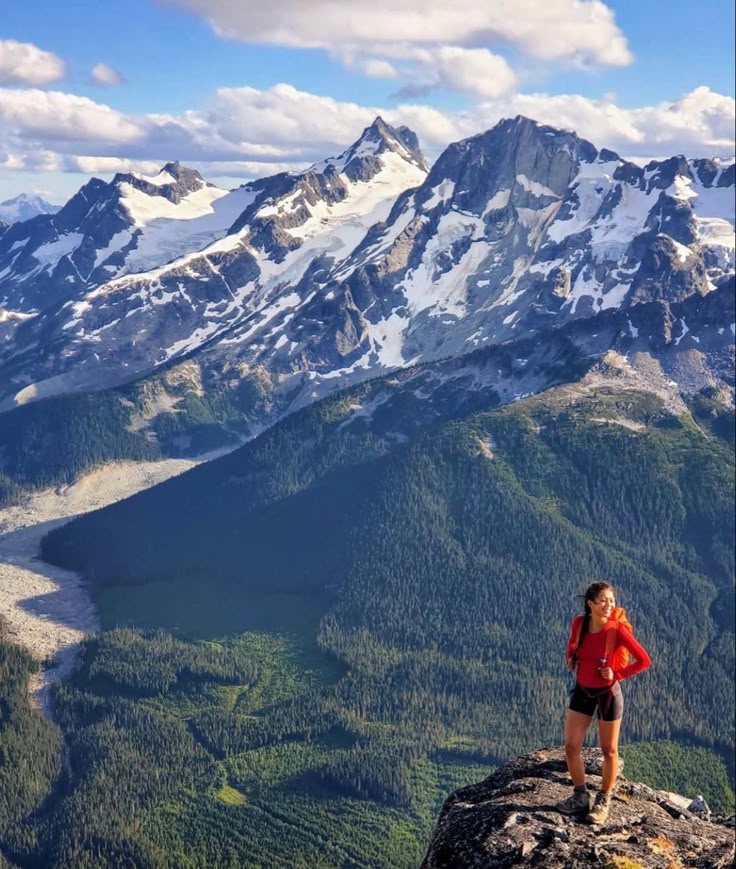
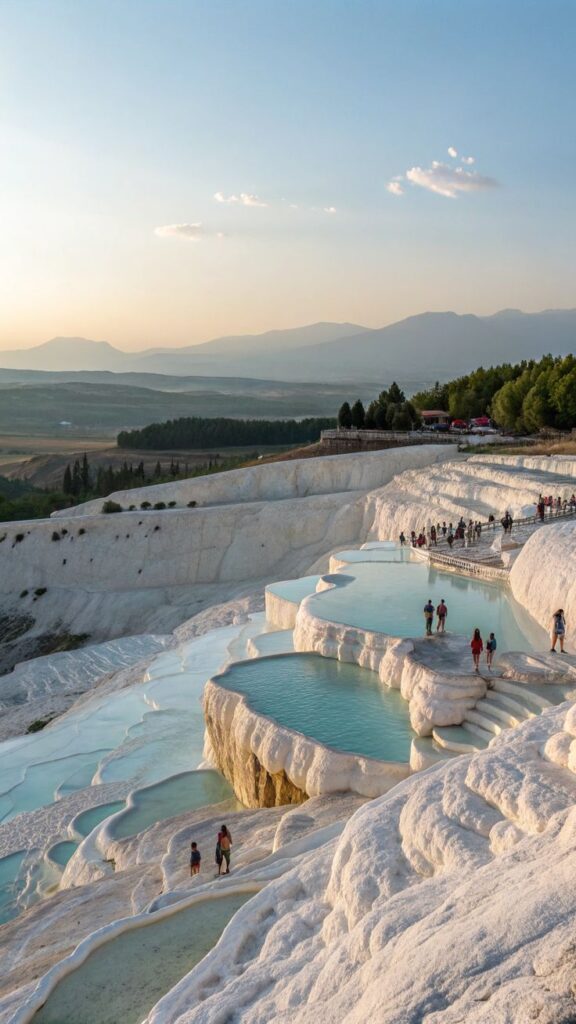
Active travel can range from fully supported group tours to independent, self-guided adventures. Your choice should align with your experience level, budget, and preference for companionship.
- Guided Tours: Ideal for remote or technically challenging areas (e.g., Himalayas, Kilimanjaro) where local expertise, logistics, and safety are paramount.
- Self-Guided: Best for well-marked, accessible routes (e.g., Camino de Santiago, certain European alpine trails).
Sustainability and Responsible Travel
Active travelers often venture into fragile ecosystems. It is essential to practice Leave No Trace principles, minimize your environmental footprint, and support local communities.
Choose tour operators that demonstrate a commitment to sustainable practices and respect local customs and regulations, especially in culturally sensitive regions like Nepal or the Kumano Kodo.
Conclusion: The Ultimate Reward of Active Exploration
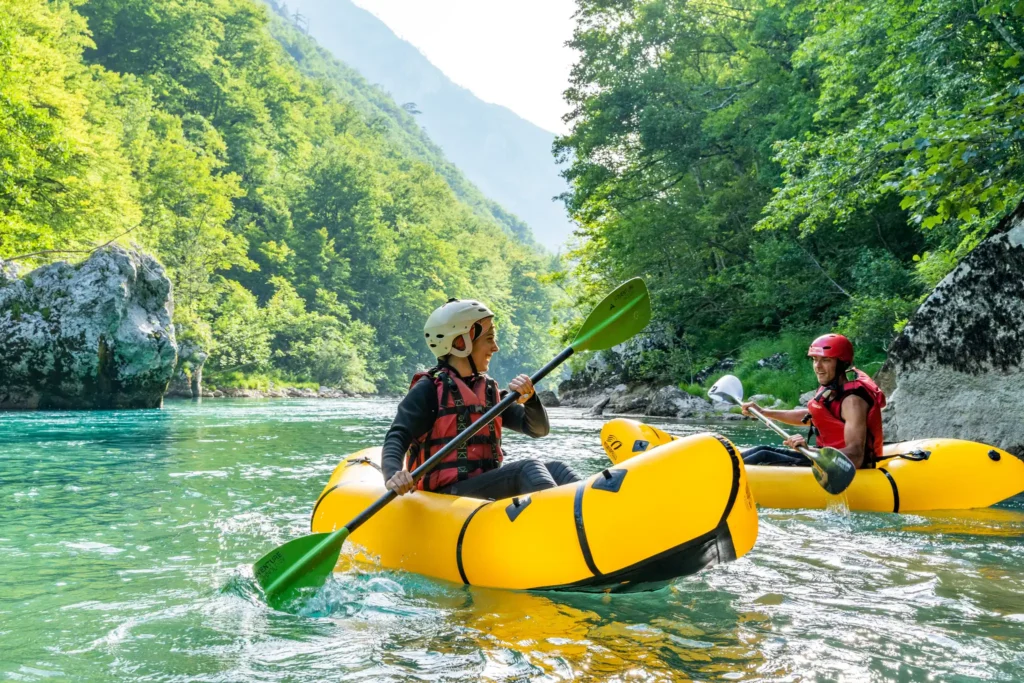
The world’s top active travel destinations offer more than just scenic views; they provide profound opportunities for personal growth, challenge, and connection. Whether you are scaling the heights of the Dolomites, navigating the ancient pilgrimage trails of Japan, or trekking across the breathtaking Patagonian wilderness, these journeys are designed to push your limits and reward you with an unforgettable sense of accomplishment.
The true value of active travel lies in the sweat and effort—the deeper understanding you gain when you experience the world not just as an observer, but as an active participant. Choose your next destination, prepare diligently, and embrace the adventure that awaits.
FAQ: Frequently Asked Questions about Active Travel


Q1: What is the main difference between active travel and adventure travel?
A: Active travel emphasizes physical exertion and participation (e.g., hiking, cycling) as the primary focus of the trip. Adventure travel is a broader term that includes active components but may also involve an element of risk, exploration of remote areas, or unique modes of transport (e.g., polar expeditions, cultural journeys).
Q2: How should I train for a multi-day high-altitude trek like the Everest Base Camp (EBC) or Kilimanjaro?
A: Focus on cardiovascular endurance (long walks/runs), strength training (especially for the legs and core), and hill training. Crucially, practice hiking with the weight of a daypack you will carry to condition your body. Altitude acclimatization is managed during the trek itself, but fitness is vital.
Q3: Are solo active trips recommended for beginners?
A: For complete beginners, it’s often safer and more comfortable to start with a guided group tour or choose well-marked, less remote trails like parts of the Camino de Santiago. Solo travel is rewarding but requires solid navigation skills, self-sufficiency, and knowledge of safety protocols.
Q4: What are some accessible active destinations for families with older children?
A: Costa Rica (zip-lining, gentle rafting), the Azores (coastal hiking, whale watching), and New Zealand’s Great Walks (select shorter sections) are excellent, offering diverse, engaging activities suitable for various fitness levels.
Q5: What is the best way to choose between a fully guided tour and a self-guided trip?
A: Choose a fully guided tour for logistical ease, safety in remote areas, and the benefit of local knowledge (e.g., Nepal, Tanzania). Opt for a self-guided trip if you prefer flexibility, privacy, and have confidence in your navigation and logistical planning (e.g., The Camino, European cycling routes).
Q6: What kind of travel insurance should I get for an active trip?
A: Standard travel insurance is often insufficient. You need an active or adventure travel policy that specifically covers the activities you plan to do (e.g., high-altitude trekking, white-water rafting) and includes emergency medical evacuation from remote locations.
Q7: What are ‘hut-to-hut’ hikes, and where are they popular?
A: Hut-to-hut hiking (or Rifugio tours) involves trekking for multiple days and staying overnight in mountain shelters or cabins, eliminating the need to carry camping gear. This style is highly popular in the European Alps, particularly the Dolomites and the Tour du Mont Blanc region.
Q8: What is the average duration for an active trip like a major trek?
A: Most major treks, such as the Annapurna Circuit, EBC, or the main Camino routes, typically range from 10 to 20 days. Shorter, regional active trips (e.g., Azores canyoning or Dolomites Via Ferrata) can often be completed in 5 to 7 days.
Q9: How can I minimize my environmental impact during active travel?
A: Practice Leave No Trace principles: pack out all trash, stay on marked trails, minimize campfire impacts, and respect wildlife. Use reusable water bottles, choose accommodations and operators committed to sustainability, and avoid activities that exploit local resources or animals.
Q10: Besides hiking, what are the best water-based active travel destinations?
A: Croatia (sea kayaking, sailing between islands), Belize (snorkeling/diving the Blue Hole and reef), and Costa Rica (white-water rafting, surfing) are top choices for water-focused adventures.