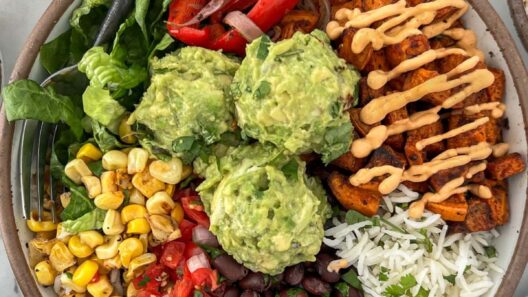





Hey there! Are you tired of the diet roller coaster? The endless cycle of strict rules, deprivation, and ultimately, feeling like you’ve failed? You’re not alone. So many women come to me feeling frustrated, exhausted, and completely overwhelmed by the sheer volume of conflicting nutritional advice out there. It’s time to ditch the complexity and embrace a truly casual & effective diet plan for women that helps you feel amazing, inside and out, without turning your life upside down.
This isn’t about chasing fleeting trends or starving yourself for a number on a scale. It’s about cultivating a sustainable, enjoyable way of eating that supports your unique body, boosts your energy, balances your mood, and helps you achieve your health goals with ease and confidence. We’re going to explore a realistic, flexible approach that works with your life, not against it. Ready to discover how to nourish yourself, feel vibrant, and reclaim your power over food? Let’s dive in.
Understanding Her Unique Needs: Why a Woman’s Diet is Different


Let’s be real: men and women are built differently. While many nutritional principles apply across the board, a truly effective diet plan for women acknowledges and celebrates our unique physiology. Ignoring these differences is often where generic diet advice falls short.
First off, hormones. Oh, those beautiful, complex hormones! From the ebb and flow of our menstrual cycles to pregnancy, breastfeeding, perimenopause, and menopause, a woman’s hormonal landscape is constantly shifting. These shifts directly impact our metabolism, energy levels, mood, cravings, and even how our bodies store fat. For example, during certain phases of your cycle, you might notice increased cravings for carbohydrates or feel more fatigued, making nutrient-dense choices even more crucial. During menopause, decreasing estrogen can lead to a shift in fat storage towards the abdomen and a decline in bone density, demanding a focus on specific nutrients like calcium and Vitamin D.
Beyond hormones, women often have different micronutrient needs. Iron deficiency, for instance, is more common in women, especially during reproductive years, due to menstrual blood loss. Adequate iron is vital for energy production and preventing anemia. Similarly, calcium and Vitamin D are critical for bone health, a particular concern for women, especially as we age. Folate is another powerhouse nutrient, especially important for women of childbearing age due to its role in fetal development.
Metabolically, women tend to have a lower resting metabolic rate compared to men, meaning we naturally burn fewer calories at rest. This isn’t a flaw; it’s just a fact that means our dietary choices and activity levels play an even more significant role in managing weight and energy. Furthermore, many women experience higher levels of chronic stress due to juggling multiple roles – career, family, social life – which can impact appetite-regulating hormones like cortisol, leading to increased cravings and fat storage, particularly around the midsection.
Understanding these unique facets isn’t about making excuses; it’s about making informed choices. A diet plan for women should acknowledge these realities and provide strategies to support hormonal balance, meet specific nutrient needs, and help navigate the challenges of modern life. It’s about giving your body what it truly needs to thrive, not just survive.
The Foundation: Pillars of a Great Diet Plan for Women


When it comes to building a truly effective diet plan for women, simplicity and whole foods are your best friends. Forget restrictive lists and complicated calculations. Instead, focus on these foundational pillars that nourish your body from the inside out.
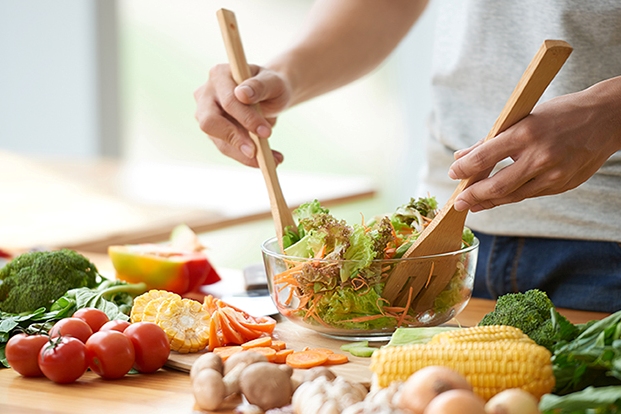
1. Embrace Whole, Unprocessed Foods: This is the bedrock. Think of foods as they come from nature: fresh fruits, vibrant vegetables, lean proteins, whole grains, and healthy fats. These foods are packed with vitamins, minerals, fiber, and antioxidants, providing the fuel your body needs without the artificial additives, excessive sugar, or unhealthy fats found in processed options.
Practical Tip: Aim to fill at least half of your plate with vegetables at every meal. Make fruits your go-to snack.
2. Prioritize Protein Power: Protein is a non-negotiable for women’s health. It’s essential for building and repairing tissues, producing enzymes and hormones, and maintaining muscle mass, which is crucial for a healthy metabolism. Protein also keeps you feeling fuller for longer, helping to manage cravings and prevent overeating.
Sources: Chicken breast, turkey, fish (salmon, cod), eggs, Greek yogurt, cottage cheese, lentils, beans, tofu, quinoa.
Goal: Include a source of lean protein at every meal and most snacks.
3. Fiber Fix for Digestive Harmony and More: Fiber is often overlooked but plays a starring role in a woman’s diet. It supports healthy digestion, helps regulate blood sugar levels, lowers cholesterol, and contributes to satiety. Adequate fiber intake can also aid in hormone regulation and detoxification.
Sources: Whole grains (oats, brown rice, whole wheat bread), legumes (beans, lentils, chickpeas), fruits (berries, apples, pears), vegetables (broccoli, spinach, carrots), nuts and seeds (chia seeds, flaxseeds).
Aim: Work towards 25-30 grams of fiber per day.
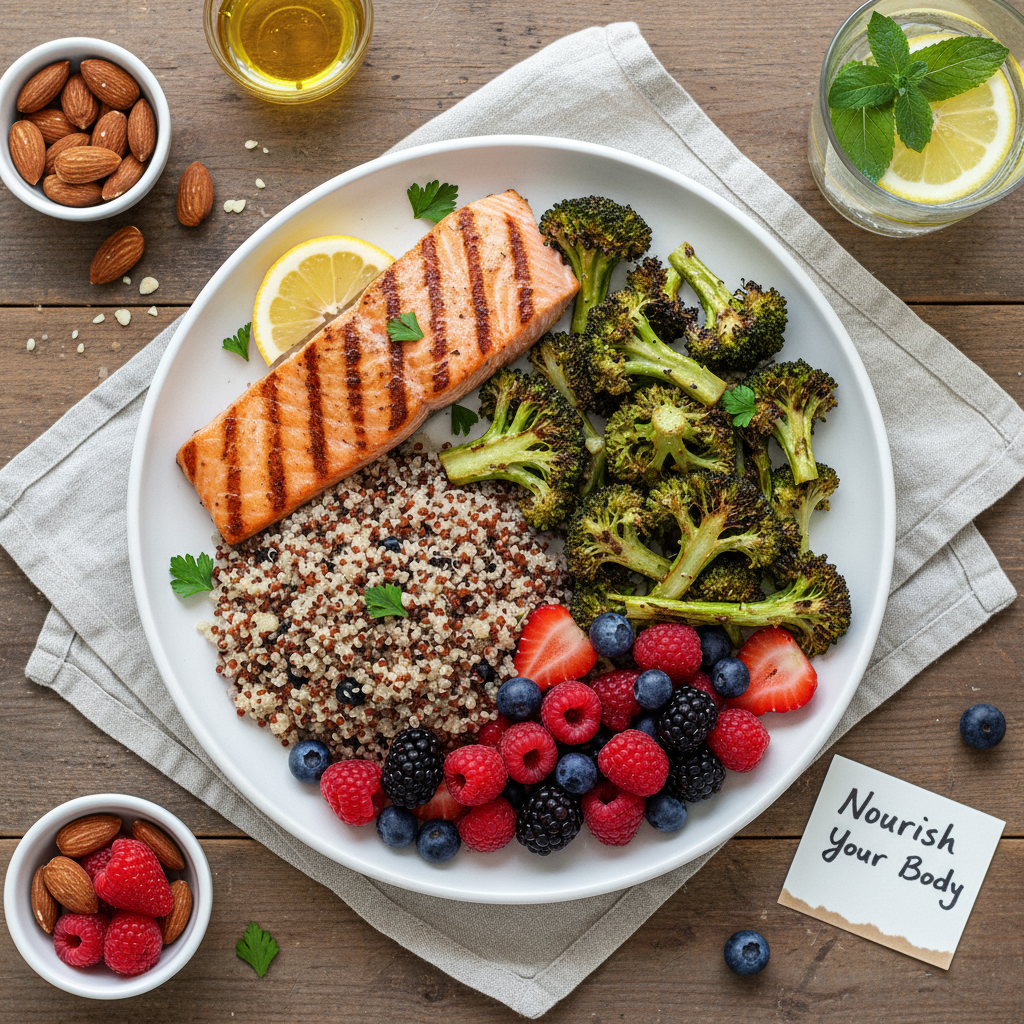
4. Healthy Fats are Your Friends: The low-fat craze of yesteryear did us no favors. Healthy fats are absolutely vital for hormone production, nutrient absorption (especially for fat-soluble vitamins like A, D, E, K), brain health, and keeping your skin radiant. They also contribute significantly to feeling satisfied after meals.
Sources: Avocados, olive oil, nuts (almonds, walnuts), seeds (chia, flax, hemp), fatty fish (salmon, mackerel).
Moderation is Key: While healthy, fats are calorie-dense, so portion control remains important.
5. Hydration Hero: Water: It sounds simple, but proper hydration is fundamental for every bodily function – from metabolism and digestion to nutrient transport and energy levels. Many times, what we perceive as hunger is actually thirst.
Goal: Aim for at least 8 glasses of water a day, more if you’re active or in a hot climate. Keep a water bottle handy as a visual reminder.
By focusing on these pillars, you’re not just dieting; you’re building a sustainable framework for lifelong health and vitality. This approach is inherently flexible, allowing for variety and enjoyment, which is key to long-term success.
Beyond Calories: Smart Strategies for Sustainable Success

While the foundational pillars lay the groundwork, truly mastering a casual and effective diet plan for women involves adopting smart strategies that go beyond just what you eat, encompassing how you eat and how you prepare for healthy eating. This is where sustainability truly kicks in.
1. Mindful Eating: Listen to Your Body’s Wisdom:
This is perhaps one of the most powerful tools in your arsenal. Instead of blindly following a plan, learn to tune into your body’s natural hunger and fullness cues.
- Before You Eat: Ask yourself, “Am I truly hungry, or am I bored, stressed, or thirsty?”
- During Your Meal: Eat slowly, savor each bite, and pay attention to the flavors and textures. Put your fork down between bites.
- After Your Meal: Stop eating when you feel comfortably satisfied, not stuffed. It takes about 20 minutes for your brain to register fullness.
Practicing mindfulness helps you build a healthier relationship with food, reducing emotional eating and overconsumption.
2. Master Meal Planning & Prep: Your Secret Weapon:

- One of the biggest hurdles to healthy eating is simply not having healthy options readily available when hunger strikes. This is where meal planning and preparation become game-changers.
- Plan Ahead: Dedicate a short time once a week (e.g., Sunday afternoon) to plan your meals and snacks for the upcoming days. This helps you create a shopping list and reduces impulse buys.
- Batch Cook Staples: Cook larger quantities of lean protein (chicken breast, hard-boiled eggs), whole grains (quinoa, brown rice), and roasted vegetables that you can mix and match throughout the week.
- Pre-portion Snacks: Wash and chop veggies, portion out nuts or fruit, and store them in grab-and-go containers.
This strategy dramatically reduces decision fatigue and ensures you always have nutritious choices at your fingertips, even on your busiest days.
3. Snacking Smart: Fueling Between Meals:

Snacks can either derail your progress or provide a valuable energy boost and nutrient top-up. The key is to choose snacks that are nutrient-dense and satisfying.
- Focus on Protein & Fiber: Think Greek yogurt with berries, an apple with a tablespoon of nut butter, a handful of almonds, veggie sticks with hummus, or a hard-boiled egg.
- Avoid Empty Calories: Steer clear of highly processed snacks like chips, cookies, or sugary drinks that offer little nutrition and often lead to a quick energy spike followed by a crash.
4. Portion Awareness, Not Obsession:
You don’t need to weigh every morsel, but having a general awareness of appropriate portion sizes is helpful, especially when you’re starting out.
- Visual Cues: Your palm can be a guide for protein, your cupped hand for grains, and your thumb for healthy fats.
- Plate Method: Aim for half your plate with non-starchy vegetables, a quarter with lean protein, and a quarter with whole grains or starchy vegetables.
This isn’t about restriction but about understanding balance and ensuring you’re getting enough, but not too much, of everything.
5. Addressing Cravings: Understanding and Swapping:
- Cravings are normal, but how we respond to them makes all the difference.
- Identify Triggers: Are you craving sweets when stressed? Salty snacks when tired? Recognizing your triggers is the first step.
- Healthy Swaps: Instead of a candy bar, try a piece of fruit or a small square of dark chocolate. For salty cravings, opt for air-popped popcorn, roasted chickpeas, or a handful of olives instead of chips.
- Hydrate First: Sometimes a craving is just disguised thirst. Drink a glass of water and wait 10-15 minutes before reaching for food.
By integrating these strategies into your daily routine, your diet plan for women transforms from a rigid set of rules into a flexible, intuitive, and truly sustainable lifestyle. You’re building habits that empower you to make healthy choices consistently, leading to lasting results and a better relationship with food.
Navigating Life’s Stages: Tailoring Your Diet for Every Chapter

A woman’s life is a journey of continuous change, and a truly effective diet plan for women should evolve right alongside you. What nourished you in your 20s might need adjustments in your 40s or 60s. This adaptable approach is key to long-term health and well-being.
1. The Reproductive Years (20s-40s): Fueling Your Prime
This is often a period of high energy and activity, but also potential pregnancies.
Key Focus: Adequate iron intake is crucial due to menstrual blood loss. Lean red meat, lentils, spinach, and fortified cereals are excellent sources. Pair iron-rich foods with Vitamin C (like citrus fruits or bell peppers) to enhance absorption.
Folate is Your Friend: Especially important for women of childbearing age, as it plays a critical role in preventing birth defects. Leafy greens, legumes, and fortified grains are essential.
Balanced Energy: Sustain energy with consistent protein, complex carbohydrates, and healthy fats to support busy schedules and manage potential hormonal fluctuations.

2. Pregnancy and Postpartum: Nourishing Two (or More!)
During pregnancy, your body’s nutrient demands skyrocket. Postpartum and breastfeeding also require extra support.
Increased Needs: Focus on higher intake of folate, iron, calcium, Vitamin D, iodine, and omega-3 fatty acids. These are vital for both mom and baby’s development and recovery.
Gentle Approach: Listen to your body. Nausea might dictate food choices in early pregnancy. Postpartum, focus on nutrient-dense, easy-to-prepare meals to support healing and energy for new parenthood.
Hydration: Absolutely critical, especially if breastfeeding, to support milk production.
3. Perimenopause and Menopause: Navigating the Shift
As women approach and enter menopause (typically mid-40s to late 50s), significant hormonal shifts occur, primarily a decline in estrogen. This can impact metabolism, bone density, and mood.
Bone Health Boost: Increase intake of calcium (dairy, fortified plant milks, leafy greens, fortified cereals) and Vitamin D (fatty fish, fortified foods, sunlight exposure). These are vital to combat bone loss.
Managing Symptoms: Phytoestrogen-rich foods (flaxseeds, soy products, legumes) might help alleviate some symptoms like hot flashes for some women. Omega-3s can also support mood and brain health.
Metabolic Slowdown: Metabolism can naturally slow down. Focus on lean protein to preserve muscle mass and ensure adequate fiber to help manage weight and digestive health. Portion awareness becomes even more important.
Plant Power: A diet rich in fruits, vegetables, and whole grains can help manage weight and provide antioxidants.

4. The Golden Years (60+): Sustaining Vitality
As we age, nutrient absorption can decrease, and muscle mass naturally declines.
Protein Priority: Continue prioritizing high-quality protein to combat sarcopenia (age-related muscle loss).
Nutrient Density: Focus on nutrient-dense foods, as caloric needs may decrease, but vitamin and mineral needs remain high.
Fiber for Digestion: Maintain good bowel health with plenty of fiber and fluids.
Vitamin B12: Older adults may have difficulty absorbing B12 from food, so fortified foods or supplements might be necessary, especially for vegetarians/vegans.
Understanding these life stages empowers you to make proactive dietary adjustments, ensuring your diet plan for women remains relevant, supportive, and truly effective throughout your entire life. It’s about building resilience and celebrating every chapter with optimal health.
Building a Healthy Relationship with Food & Movement


A truly transformative diet plan for women isn’t just about what you eat; it’s about your entire approach to wellness. It integrates mindful movement, stress management, and quality sleep, fostering a holistic understanding of health that transcends restrictive dieting.
1. Ditching the Diet Mentality: Embrace Nourishment Over Restriction:
For too long, women have been conditioned to view food as the enemy, a source of guilt or a reward. It’s time to shift that perspective.
Focus on Addition: Instead of thinking about what you “can’t” have, focus on what you can add to your plate – more colorful vegetables, different types of whole grains, new protein sources.
Intuitive Eating: Listen to your body’s signals for hunger, fullness, and satisfaction. Allow yourself flexibility and occasional treats without guilt. This approach builds trust with your body and reduces the likelihood of binge-restrict cycles.
Long-Term Health: View food as fuel, medicine, and pleasure. Eating healthily is an act of self-care, not punishment.

2. The Role of Movement: Beyond Formal Exercise:
While structured workouts are fantastic, integrating more movement into your daily life is equally powerful and often more sustainable.
Find Joy in Movement: Whether it’s dancing, hiking, yoga, gardening, or a brisk walk with a friend, choose activities you genuinely enjoy.
Everyday Activity: Take the stairs, park further away, walk during your lunch break, stand up and stretch every hour. These small bursts of activity add up significantly.
Strength Training: Incorporate strength training a few times a week. It’s crucial for women to maintain muscle mass, boost metabolism, and protect bone health, especially as we age.
3. Stress Management: The Silent Disruptor:
Chronic stress doesn’t just impact your mood; it wreaks havoc on your hormones, affecting appetite, digestion, and fat storage. Cortisol, the “stress hormone,” can increase cravings for high-sugar, high-fat foods and encourage abdominal fat deposition.
Prioritize Relaxation: Dedicate time each day to activities that calm your mind – meditation, deep breathing, reading, spending time in nature, or listening to music.
Set Boundaries: Learn to say no and protect your time and energy.
Seek Support: Don’t hesitate to reach out to friends, family, or a professional if stress feels overwhelming.
4. Sleep: Your Body’s Reset Button:
Sleep is not a luxury; it’s a non-negotiable component of a healthy lifestyle. Lack of sleep disrupts hormones that regulate appetite (ghrelin and leptin), leading to increased hunger and cravings, especially for unhealthy foods. It also impairs your body’s ability to manage blood sugar.
Aim for 7-9 Hours: Prioritize consistent sleep every night.
Create a Routine: Go to bed and wake up around the same time each day, even on weekends.
Optimize Your Environment: Make your bedroom dark, quiet, and cool. Avoid screens before bed.
By integrating these elements – a positive relationship with food, consistent movement, effective stress management, and quality sleep – your diet plan for women transforms into a comprehensive strategy for thriving. It moves beyond short-term fixes to create a lifestyle that supports your well-being in every aspect, helping you feel amazing, energized, and truly in sync with your body.
Conclusion: Your Journey to Feeling Amazing



You’ve made it! We’ve unpacked the essentials of a casual and effective diet plan for women, showing you how to nourish your unique body without the stress and rigidity of traditional dieting. This isn’t about perfection; it’s about progress, consistency, and embracing a lifestyle that truly serves you.
Remember, your body is incredible, and it deserves to be fueled with kindness and intention. By focusing on whole, unprocessed foods, prioritizing protein and fiber, embracing healthy fats, and staying hydrated, you’re building a powerful foundation. Add in mindful eating, smart meal prep, joyful movement, stress management, and quality sleep, and you’re not just following a diet – you’re cultivating a vibrant, resilient self.
This journey is yours. It’s about understanding your body’s unique needs, adapting to life’s changes, and making choices that make you feel energized, balanced, and confident. There will be good days and not-so-good days, and that’s perfectly okay. The key is to keep showing up for yourself, one nutritious choice at a time.
Ready to start feeling amazing? Take one small step today. Choose one pillar or strategy from this guide and commit to incorporating it into your routine. Whether it’s drinking an extra glass of water, adding more veggies to your dinner, or planning your snacks for tomorrow, every step forward counts. Your body, mind, and spirit will thank you.
Frequently Asked Questions

What makes a diet plan specifically for women different?
A diet plan for women considers our unique hormonal fluctuations throughout life (menstrual cycle, pregnancy, menopause), different micronutrient needs (like iron, calcium, folate), and metabolic differences compared to men. It focuses on supporting hormonal balance, bone health, and managing potential challenges like stress-related cravings.
Do I need to count calories on this diet plan?
No, this casual and effective diet plan for women emphasizes mindful eating and portion awareness rather than strict calorie counting. By focusing on whole, unprocessed foods, listening to your body’s hunger and fullness cues, and prioritizing protein and fiber, you naturally tend to consume an appropriate amount of calories for your body’s needs.
How can I make sure I’m getting enough protein without eating a lot of meat?
There are many excellent plant-based protein sources. You can include legumes (lentils, beans, chickpeas), tofu, tempeh, edamame, quinoa, nuts, seeds, and even certain whole grains. Dairy options like Greek yogurt and cottage cheese are also great if you consume them. Aim to include a variety of these sources throughout your day.
What are some quick, healthy snack ideas for busy women?
For quick and healthy snacks, think nutrient-dense combinations of protein and fiber. Examples include an apple with a tablespoon of almond butter, Greek yogurt with a handful of berries, a hard-boiled egg, a small handful of almonds or walnuts, a banana, or veggie sticks with hummus.
How important is sleep for my diet and overall health?
Sleep is incredibly important! Lack of sleep disrupts hormones (ghrelin and leptin) that control hunger and fullness, often leading to increased cravings for unhealthy foods and a higher calorie intake. It also impacts your metabolism, blood sugar regulation, and energy levels, making it harder to make healthy choices and engage in physical activity. Aim for 7-9 hours of quality sleep per night.
Can this diet plan help with hormonal balance?
Yes, this diet plan for women is designed to support hormonal balance by emphasizing whole foods, healthy fats (crucial for hormone production), adequate fiber (for hormone detoxification), and lean proteins. It also highlights the importance of stress management and quality sleep, both of which significantly impact hormonal regulation.
Is exercise required for this plan to be effective?
While this plan focuses heavily on nutrition, integrating joyful movement is highly encouraged for holistic well-being. Regular physical activity, especially strength training, helps maintain muscle mass, boosts metabolism, supports bone health, and improves mood. Even small, consistent movements throughout your day can make a big difference.