




You want to get healthier, fitter, and feel better, but the idea of a restrictive, bland “diet” just doesn’t sit right. You’ve heard the stories: endless chicken and broccoli, saying goodbye to your favorite foods, and an overall miserable existence. As a man navigating a busy life, you need something sustainable, effective, and, frankly, enjoyable. That’s exactly what we’re diving into with the ultimate casual diet plan for men: a straightforward, no-nonsense approach to better health and fitness without turning your life upside down. This isn’t about deprivation; it’s about smart choices, understanding your body, and building habits that stick.
Forget crash diets and extreme measures. We’re talking about a practical framework that fits into your real-world schedule, allows for flexibility, and delivers tangible results. Whether your goal is to shed a few pounds, build lean muscle, boost energy, or simply feel more vibrant, this guide will equip you with the knowledge and actionable steps to make it happen. Get ready to transform your relationship with food, one simple, casual step at a time.
Why a “Casual” Approach is a Game-Changer

For too long, the fitness industry has peddled the myth that achieving your body goals requires extreme discipline and constant suffering. While dedication is key, suffering doesn’t have to be part of the equation. Especially for men, who often face unique challenges like demanding careers, family responsibilities, and social pressures, a rigid diet is often a recipe for failure.
A “casual” diet plan doesn’t mean you’re not serious about your health. It means you prioritize sustainability over severity. It acknowledges that life happens – you’ll have business lunches, family dinners, and spontaneous gatherings. Instead of viewing these as “cheat days” or failures, a casual approach integrates them into a broader, healthier lifestyle. This mental shift is incredibly powerful. It reduces stress, eliminates guilt, and makes the entire process far more enjoyable and, crucially, long-lasting.
We’re moving away from the “all or nothing” mentality and embracing a “most of the time” philosophy. This allows for flexibility, preventing the burnout and eventual rebound that often comes with overly restrictive diets. It’s about making smart choices consistently, not perfect choices every single time. This approach respects your individuality and the dynamic nature of your daily life, making it a sustainable path to better health and fitness for any man.
The Foundation: Understanding Your Needs


Before you start making changes to what you eat, it’s crucial to understand a few fundamental principles about how your body works. This isn’t about becoming a nutritionist overnight, but grasping the basics empowers you to make informed decisions tailored to your specific goals, whether it’s fat loss, muscle gain, or simply improved well-being.
Calories: Your Energy Balance Equation
At its core, weight management boils down to calories – units of energy from food.
- Calorie Deficit: To lose weight, you need to consume fewer calories than your body burns. Your body then taps into stored fat for energy.
- Calorie Surplus: To gain weight (specifically muscle mass, ideally), you need to consume more calories than your body burns. This provides the extra energy needed for growth and recovery.
- Maintenance: To maintain your current weight, you consume roughly the same number of calories your body burns.
How do you figure out how many calories you need? Your Basal Metabolic Rate (BMR) is the energy your body burns at rest. Your Total Daily Energy Expenditure (TDEE) includes your BMR plus the calories you burn through physical activity. Online calculators can give you a good estimate of your TDEE based on your age, weight, height, and activity level. Use this as a starting point, not an immutable law. A common starting point for fat loss is a 300-500 calorie deficit from your TDEE. For muscle gain, a 200-300 calorie surplus often works well.
Macronutrients: The Big Three

Macronutrients are the components of food that your body needs in large amounts for energy, growth, and repair.
- Protein: The king of macros for men aiming for fitness. Protein is essential for building and repairing muscle tissue, making enzymes and hormones, and promoting satiety (feeling full). Aim for roughly 0.7-1 gram of protein per pound of body weight, especially if you’re active. Sources: lean meats (chicken, turkey, beef), fish (salmon, tuna), eggs, dairy (Greek yogurt, cottage cheese), legumes, tofu, protein powder.
- Carbohydrates: Your body’s primary energy source. They fuel your workouts, brain function, and daily activities. The key is choosing the right carbs.
- Complex Carbs: Whole grains (oats, brown rice, quinoa, whole-wheat bread), fruits, vegetables. These provide sustained energy and fiber.
- Simple Carbs: Sugary drinks, candies, white bread. These offer quick energy spikes followed by crashes and generally lack nutrients.
- Focus on complex carbs for consistent energy and nutrient delivery.
- Fats: Often demonized, but healthy fats are crucial for hormone production (including testosterone), nutrient absorption, cell function, and satiety.
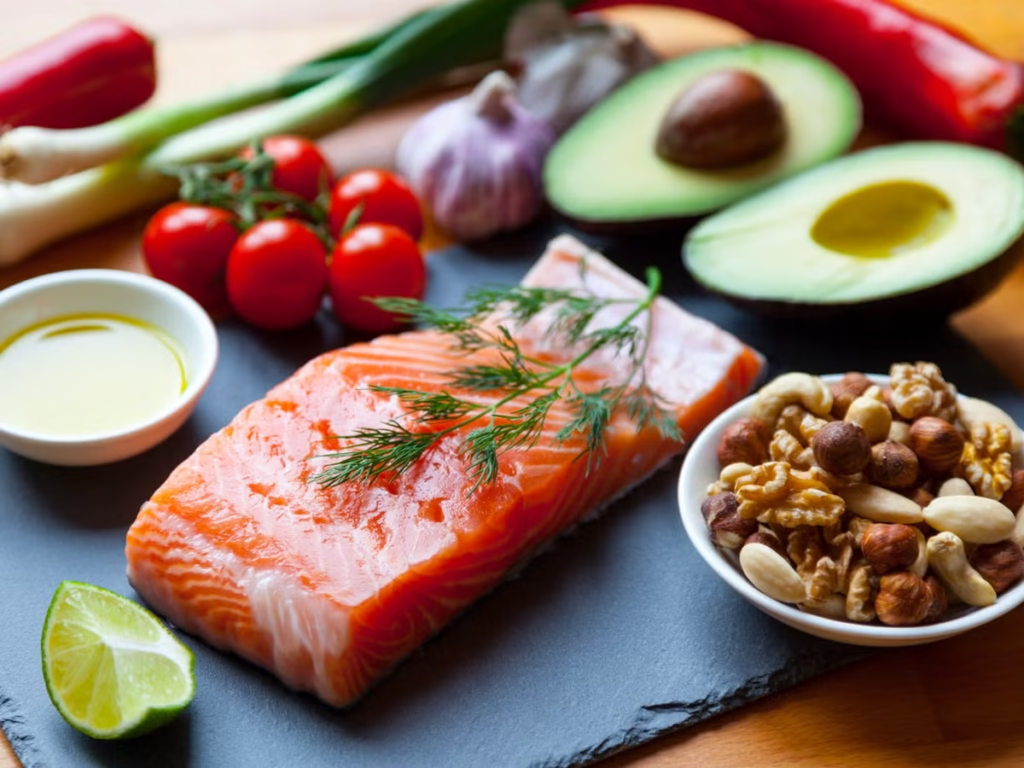
- Healthy Fats: Avocados, nuts (almonds, walnuts), seeds (chia, flax), olive oil, fatty fish.
- Unhealthy Fats: Trans fats (found in many processed foods) and excessive saturated fats should be limited.
A good general guideline for men is to aim for a macro split that prioritizes protein, includes a healthy amount of complex carbohydrates, and incorporates beneficial fats. For example, 30-40% protein, 30-40% carbs, and 20-30% fats can be a good starting point, but this is highly individual and can be adjusted based on your activity level and specific goals.
Micronutrients: The Unsung Heroes
While macros provide energy, micronutrients (vitamins and minerals) are vital for virtually every bodily function, from immune support to bone health to energy metabolism. You won’t get far on a casual diet if you’re only counting macros and neglecting vitamins. Focus on consuming a wide variety of whole, unprocessed foods – especially fruits, vegetables, and whole grains – to ensure you’re getting a broad spectrum of micronutrients. Think colorful plates!
Simple Swaps, Big Impact: Everyday Food Choices


This is where the “casual” aspect truly shines. You don’t need to overhaul your entire pantry overnight. Instead, focus on small, consistent swaps that add up to significant improvements over time. These aren’t just about what you can’t eat, but more about what you can add and substitute to make your meals more nutritious and satisfying.
Protein Power-Up
Making protein a priority in every meal is one of the most effective strategies for men. It helps with muscle maintenance and growth, keeps you full longer, and supports metabolism.
- Breakfast: Instead of sugary cereal, opt for scrambled eggs with spinach, Greek yogurt with berries and a sprinkle of nuts, or a protein shake.
- Lunch: Swap out a simple sandwich for grilled chicken or lean beef in a whole-wheat wrap, a large salad topped with tuna or chickpeas, or leftover dinner with plenty of protein.
- Dinner: Focus on a lean protein source like baked salmon, grilled chicken breast, lean ground turkey, or a steak.
- Snacks: Keep protein bars, hard-boiled eggs, cottage cheese, or a handful of almonds handy.
- Plant-based options: Lentils, beans, tofu, tempeh, and edamame are excellent protein sources.
Smart Carb Choices
Carbohydrates are not the enemy; the type of carbohydrate matters immensely. Embrace complex carbs for sustained energy and vital fiber.
- Grains: Ditch white bread, white pasta, and sugary cereals. Opt for whole-wheat bread, whole-wheat pasta, brown rice, quinoa, oats, and whole-grain cereals.
- Fruits: Nature’s candy! Apples, bananas, berries, oranges – they provide natural sugars, fiber, and vitamins. Prioritize whole fruits over fruit juices, which often lack fiber and are high in concentrated sugar.
- Vegetables: Load up! Green leafy vegetables (spinach, kale), broccoli, bell peppers, carrots, sweet potatoes. The more colorful, the better. Vegetables are low in calories, high in fiber, and packed with micronutrients. Aim for half your plate to be vegetables at lunch and dinner.
Healthy Fats Are Your Friends


Don’t fear fats! Healthy fats are crucial for hormone production, nutrient absorption, and keeping you satisfied.
- Cooking Oils: Swap vegetable oil for olive oil, avocado oil, or coconut oil (in moderation).
- Snacks: Replace processed chips with a handful of almonds, walnuts, or cashews. A small portion of dark chocolate (70% cocoa or higher) can also satisfy a sweet craving while providing healthy fats and antioxidants.
- Additions: Incorporate avocado slices into your salads or sandwiches. Sprinkle chia or flax seeds into your yogurt or oatmeal.
- Fatty Fish: Aim for fatty fish like salmon, mackerel, or sardines a couple of times a week for essential Omega-3 fatty acids.
Hydration Heroes
It’s simple, but often overlooked: drink more water! Proper hydration is critical for energy levels, metabolism, nutrient transport, and overall health.
- Swap sugary drinks: Ditch sodas, sugary juices, and excessive sweetened coffee drinks. These are empty calories that offer little nutritional value.
- Water is King: Carry a water bottle and sip throughout the day. Aim for 8-10 glasses (around 2-3 liters) daily, more if you’re active.
- Unsweetened options: Unsweetened tea (green, black, herbal) and sparkling water with a squeeze of lemon or lime are great alternatives.
By making these simple, consistent swaps, you’ll naturally elevate the nutritional quality of your diet without feeling like you’re on a restrictive regimen. It’s about upgrading your food choices, not eliminating entire food groups.
Meal Planning & Prep: Your Secret Weapon

Even with a casual approach, a little bit of planning goes a long way. Meal planning and preparation aren’t just for bodybuilders; they’re for any man who wants to eat healthier consistently, save time, and reduce stress. Think of it as strategic adulting that makes your healthy eating journey significantly smoother.
Why It Works
- Saves Time: By prepping ingredients or entire meals in advance, you drastically cut down on cooking time during busy weekdays.
- Saves Money: Eating out frequently adds up. Cooking at home and bringing your own lunch is far more budget-friendly.
- Reduces Decision Fatigue: When you know exactly what you’re eating, you avoid the “what’s for dinner?” dilemma and the temptation to grab unhealthy takeout.
- Ensures Healthy Choices: You’re less likely to make poor food choices when nutritious options are readily available and prepped.
Simple Strategies for the Busy Man

You don’t need to be a gourmet chef or spend an entire Sunday in the kitchen to reap the benefits.
- Start Small: Don’t try to prep every single meal for the entire week from day one.
- Begin by prepping just your lunches for 3 days.
- Or, focus on having healthy breakfast ingredients ready (e.g., overnight oats components, hard-boiled eggs).
- Then expand to dinners or more days as you get comfortable.
- Cook in Batches: When you’re cooking, double or triple the recipe.
- Making chicken breast for dinner? Cook extra to use in salads, sandwiches, or wraps for lunch the next day.
- Boil a dozen eggs at once for easy grab-and-go protein snacks.
- Cook a large batch of quinoa or brown rice to use as a base for multiple meals.
- “Theme Nights” or Templates: Simplify decision-making.
- Monday: “Meatless Monday” (lentil soup, bean burgers).
- Tuesday: “Taco Tuesday” (lean ground turkey tacos with lots of veggies).
- Wednesday: “Stir-fry Wednesday” (quick, customizable with leftover protein and veggies).
- Thursday: “Leftover Thursday” (empty the fridge!).
- Friday: “Flex Friday” (your favorite healthy takeout or a more elaborate home-cooked meal).
- Invest in Good Containers: Having a set of durable, microwave-safe, and stackable food containers makes a huge difference for storage and transport. Glass containers are excellent for reheating.
- Utilize Your Freezer: Cooked chicken, ground meat, soups, and stews all freeze well. When you make a big batch, portion some out for the freezer. You’ll thank yourself on days when you truly have no time to cook.
- Grocery List is Key: Before you go shopping, plan out your meals for the week and make a detailed grocery list. Stick to it! This prevents impulse buys of unhealthy items and ensures you have all the ingredients you need.
The goal here isn’t perfection, but consistency. Even 1-2 hours of strategic planning and prep on a Sunday can dramatically improve your eating habits throughout the week. It takes the guesswork out of healthy eating and makes nutritious choices the default.
Beyond the Plate: Lifestyle Factors
A truly effective diet plan for men extends beyond just what you eat. Your overall lifestyle plays a huge role in your health, fitness, and ability to stick to your casual eating habits. Ignoring these interconnected elements is like trying to drive a car with one flat tire – you might move, but it won’t be smooth or efficient.
Movement Matters
You don’t need to become a gym rat overnight, but incorporating regular physical activity is non-negotiable for better health and fitness. Exercise complements your diet by burning calories, building muscle, improving cardiovascular health, boosting mood, and even helping with appetite regulation.
- Find What You Enjoy: Don’t force yourself into a workout routine you hate. Whether it’s lifting weights, playing basketball, hiking, cycling, swimming, or even just brisk walking, find an activity that genuinely appeals to you.
- Consistency Over Intensity: Aim for at least 30 minutes of moderate-intensity activity most days of the week. Even short bursts throughout the day add up.
- Integrate Movement: Take the stairs instead of the elevator, park further away, walk during your lunch break, or stand more often. Small changes make a difference.
- Strength Training: This is especially beneficial for men as it helps build and preserve muscle mass, which is crucial for metabolism and overall strength as you age. Even 2-3 sessions a week of bodyweight exercises or simple dumbbell routines can be highly effective.
Sleep for Success
Often underestimated, sleep is a powerful factor in your diet success. Lack of sleep can wreak havoc on your hormones, leading to increased cravings for unhealthy foods and a reduced ability to make good choices.
- Hormonal Impact: Sleep deprivation can increase ghrelin (the hunger hormone) and decrease leptin (the satiety hormone), making you feel hungrier and less satisfied. It also impacts cortisol levels, leading to increased fat storage, particularly around the midsection.
- Decision Making: When you’re tired, your willpower is weaker, making it harder to resist unhealthy snacks and stick to your meal plan.
- Recovery: Your body repairs and recovers during sleep, essential for muscle growth and overall physical performance.
- Aim for 7-9 hours: Prioritize consistent, quality sleep. Create a relaxing bedtime routine, keep your bedroom dark and cool, and limit screen time before bed.
Stress Management
Chronic stress isn’t just mentally draining; it has a significant physical impact, especially on your eating habits. Stress can lead to emotional eating, cravings for comfort foods high in sugar and unhealthy fats, and increased cortisol, which can promote abdominal fat storage.
- Identify Stressors: Recognize what triggers your stress.
- Develop Coping Mechanisms: Find healthy ways to manage stress:
- Exercise (as mentioned above)
- Meditation or mindfulness
- Hobbies
- Spending time in nature
- Connecting with loved ones
- Deep breathing exercises
- Mindful Eating: When stressed, it’s easy to eat quickly and mindlessly. Try to slow down, savor your food, and pay attention to your body’s hunger and fullness cues.
Mindful Eating
This isn’t a diet; it’s an approach to eating that involves paying full attention to your food and your body’s signals.
- Tune In: Eat without distractions (no TV, phone, or work).
- Listen to Your Body: Eat when you’re genuinely hungry, not just bored, stressed, or out of habit. Stop when you’re comfortably full, not stuffed.
- Savor Each Bite: Notice the flavors, textures, and smells of your food. Eating slowly allows your brain to register fullness before you’ve overeaten.
By addressing these lifestyle components, you create a holistic environment that supports your casual diet plan, making it easier to achieve and maintain your health and fitness goals.
Tackling Common Obstacles

Even with the best intentions and a solid casual diet plan, life throws curveballs. The key to long-term success isn’t avoiding obstacles entirely, but knowing how to navigate them without completely derailing your progress.
Social Eating: Restaurants & Gatherings
Socializing often revolves around food, and it can feel challenging to stick to healthy habits without being “that guy” who’s overly restrictive.
- Plan Ahead: Look at the menu online before you go. Identify healthier options (grilled protein, salads, steamed vegetables) and make your choice in advance.
- Portion Control: Restaurant portions are often huge. Don’t be afraid to ask for a doggy bag before you start eating, or share an entree.
- Smart Swaps:
- Ask for dressings and sauces on the side.
- Opt for steamed or roasted vegetables instead of fries.
- Choose lean protein (fish, chicken) over fried options.
- Limit bread baskets and sugary drinks.
- Alcohol Moderation: Alcohol adds empty calories and can lower inhibitions, leading to poor food choices. Enjoy in moderation, and alternate alcoholic drinks with water.
- Focus on the Company: Remember, the primary purpose of social gatherings is to connect with people, not just to eat. Shift your focus.
Cravings: The Mind’s Battle


Cravings are normal, but how you respond to them makes all the difference.
- Hydrate First: Often, thirst is mistaken for hunger or a craving. Drink a large glass of water and wait 10-15 minutes.
- Identify the Trigger: Are you truly hungry, or is it stress, boredom, or emotion? Addressing the root cause can help.
- Healthy Swaps: Instead of a candy bar, try fruit, a handful of nuts, or dark chocolate (70%+ cocoa). Craving salty? Opt for air-popped popcorn or a few olives.
- Portion Control: If you absolutely must have something “unhealthy,” have a small, mindful portion. Don’t deny yourself entirely, but don’t binge.
- Distraction: Engage in an activity that takes your mind off food – go for a walk, read a book, call a friend.
Travel: Staying on Track On-the-Go
Travel can disrupt routines, but it doesn’t have to ruin your diet.
- Pack Smart Snacks: Bring nuts, seeds, protein bars, fruit, and healthy jerky. This prevents you from relying on unhealthy airport or gas station food.
- Research Dining Options: If staying at a hotel, check if it has a fridge or microwave. Look up healthy restaurants nearby.
- Stay Hydrated: Air travel and being in new environments can be dehydrating. Drink plenty of water.
- Stay Active: Walk around the airport, explore your destination on foot, or use the hotel gym if available.
Plateaus: When Progress Stalls
It’s normal for progress to slow down or stop. Don’t get discouraged; it’s a signal to re-evaluate.
- Re-evaluate Calories: You might need to adjust your calorie intake. As you lose weight, your TDEE decreases, so your caloric needs change.
- Increase Activity: Add a new workout, increase the intensity, or incorporate more non-exercise activity (e.g., more steps).
- Check Consistency: Are you truly sticking to your casual plan “most of the time,” or have old habits subtly crept back in?
- Prioritize Sleep & Stress: Remember the lifestyle factors. Poor sleep or high stress can sabotage your efforts.
By acknowledging these common challenges and having a proactive strategy, you can maintain momentum and continue making progress towards your health and fitness goals.
Building Sustainable Habits

The ultimate goal of this casual diet plan for men isn’t just short-term results; it’s about building lasting habits that become second nature. True health and fitness are a marathon, not a sprint. This journey requires patience, consistency, and a flexible mindset.
Small Changes, Big Impact
Resist the urge to make drastic changes all at once. Small, incremental adjustments are far more sustainable and less overwhelming.
- One Swap at a Time: Focus on replacing sugary drinks with water for a week. Once that’s a habit, tackle adding more protein to breakfast.
- Baby Steps: Instead of aiming for 5 gym sessions a week, start with two 30-minute walks. Build from there.
- Consistency Compounds: Each small, positive habit you establish creates a ripple effect, making it easier to adopt more healthy behaviors over time. Think of it like a snowball rolling downhill – it gains size and momentum.
Patience and Consistency are Your Allies
Results don’t happen overnight. There will be good days and not-so-good days. The key is to keep showing up.
- Don’t Seek Perfection: A casual diet means accepting that you won’t always eat perfectly. One “off” meal or day doesn’t undo weeks of progress. Simply get back on track with your next meal.
- Focus on the Trend: Instead of fixating on daily fluctuations on the scale, look at your progress over weeks and months. Are your clothes fitting better? Do you have more energy? Is your strength improving?
- Trust the Process: If you’re consistently making good choices, understanding your body’s needs, and moving regularly, results will follow.
Track Your Progress (Beyond the Scale)
While the scale can be a useful tool, it doesn’t tell the whole story. Broaden your definition of progress.
- Measurements: Track waist circumference, arm size, etc., with a tape measure. These often show progress even when the scale doesn’t budge (e.g., if you’re building muscle and losing fat).
- Photos: Take progress photos (front, side, back) every 4-6 weeks. Visual changes can be incredibly motivating.
- Performance Metrics: Are you lifting more weight? Running faster or longer? Do you have more stamina for daily activities?
- Energy Levels and Mood: Notice improvements in your daily energy, mental clarity, and overall mood. These are significant indicators of better health.
- How Your Clothes Fit: Often the most tangible and satisfying measure of progress.
Flexibility and Self-Compassion
This casual diet plan for men is designed to be flexible. Embrace that flexibility and practice self-compassion.
- Life Happens: There will be birthdays, holidays, and unforeseen events. Learn to navigate them without guilt. Enjoy the moment, then return to your routine.
- Forgive Yourself: If you stray from your plan, don’t beat yourself up. Acknowledge it, learn from it, and refocus on your next healthy choice. Self-criticism is demotivating; self-compassion is empowering.
- Adjust as Needed: Your goals, activity levels, and preferences may change over time. Be willing to adjust your plan to fit your evolving needs.
Building sustainable habits is about consistency, not perfection. It’s about creating a lifestyle that genuinely supports your well-being, both physically and mentally. This casual diet plan for men isn’t a quick fix; it’s a blueprint for a healthier, stronger, and more vibrant you, for the long haul.
Conclusion

Embarking on a journey to better health and fitness doesn’t have to involve extreme sacrifices or a complete overhaul of your life. The ultimate casual diet plan for men is about empowerment through simple, actionable choices that fit into your reality. We’ve explored the fundamental building blocks of nutrition, from understanding your caloric and macronutrient needs to making smart, everyday food swaps that truly make a difference. We’ve also highlighted the undeniable power of meal planning, even in its simplest forms, as a strategic tool to ensure consistency and convenience.
Crucially, we’ve emphasized that a truly effective diet plan extends beyond the plate, integrating vital lifestyle factors like consistent movement, quality sleep, effective stress management, and mindful eating. These elements work in synergy, enhancing your physical progress and fortifying your mental resilience. Finally, we’ve equipped you with strategies to overcome common obstacles, from navigating social dining to managing cravings and plateaus, ensuring that bumps in the road don’t derail your long-term success.
Remember, this isn’t about rigid rules; it’s about building sustainable habits through small, consistent steps. It’s about progress, not perfection. Embrace flexibility, practice self-compassion, and celebrate every victory, no matter how small. Your journey to a healthier, fitter, and more energetic you starts now, with these simple, casual, yet incredibly powerful choices.
Ready to start? Pick one simple swap or one small habit from this guide and implement it today. Tomorrow, build on that success. Consistency is your greatest ally. Your best self is waiting.
Frequently Asked Questions

What does “casual diet plan” actually mean?
A “casual diet plan” emphasizes sustainability and flexibility over strict rules and deprivation. It’s about making smart, consistent choices most of the time, allowing for occasional indulgences without guilt, and focusing on long-term habit building rather than quick fixes.
How do I figure out how many calories I need?
You can use online TDEE (Total Daily Energy Expenditure) calculators, which factor in your age, weight, height, and activity level, to get an estimate. For weight loss, aim for a 300-500 calorie deficit from your TDEE. For muscle gain, a 200-300 calorie surplus is a good starting point.
What are the most important macronutrients for men’s fitness?
Protein is often considered king for men’s fitness, essential for muscle building and satiety. Complex carbohydrates provide sustained energy for workouts, and healthy fats are crucial for hormone production and overall health. A balanced intake of all three is vital.
Do I really need to meal prep? I find it daunting.
You don’t need to prep every meal for the whole week to benefit. Start small: cook extra protein for a few lunches, or chop veggies for a couple of dinners. Even a little prep can save time, money, and reduce the temptation for unhealthy choices during busy days.
How can I stick to a healthy diet when eating out with friends or family?
Plan ahead by checking the menu online for healthier options. Prioritize lean protein and vegetables, ask for dressings/sauces on the side, and practice portion control. Remember to focus on the company and conversation, not just the food.
What if I slip up and eat something “unhealthy”?
Don’t beat yourself up! One “off” meal or day won’t ruin your progress. Acknowledge it, learn from it, and get right back on track with your next meal. Consistency over time is what truly matters, not perfection.
Besides diet, what else impacts my health and fitness?
Several lifestyle factors are crucial, including regular physical activity (find something you enjoy!), getting 7-9 hours of quality sleep, effectively managing stress, and practicing mindful eating. These elements work together to support your overall well-being.