



The midday slump is a familiar enemy. You start your day strong, but by 2 PM, your energy crashes, your focus fades, and your productivity plummets. The culprit? Often, it’s a poor lunch choice. Lunch is not just a break; it’s a critical opportunity to refuel your body and mind with the essential nutrients you need to thrive.
This comprehensive guide is your blueprint for banishing the slump forever. We will dive deep into why a nutritious lunch matters, explore simple strategies for preparation, and present a wealth of engaging, healthy lunch ideas that are easy to make, delicious to eat, and perfectly optimized for a high-energy afternoon. Get ready to transform your midday meal from a chore into a powerful tool for better health, focus, and overall well-being.
The Power of the Midday Meal: Why Lunch Matters
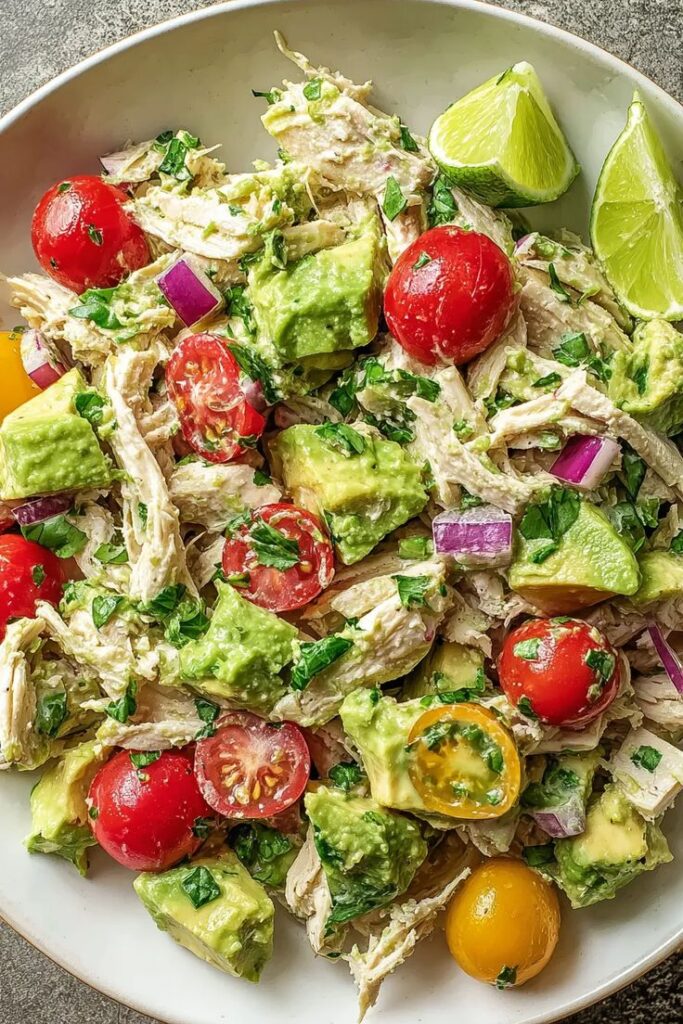
Many people view lunch as a rushed necessity—a quick sandwich, a takeout container, or a skip altogether. However, experts agree that a balanced, nutritious midday meal is fundamental to a healthy lifestyle.
Expert Opinion: The Health Benefits Are Clear
Leading health organizations and nutritionists consistently emphasize the profound benefits of a good lunch.
- Sustained Energy and Focus: According to the Centers for Disease Control and Prevention (CDC), good nutrition is key to increasing energy levels and improving overall well-being. A lunch rich in complex carbohydrates, lean protein, and healthy fats provides a steady release of glucose, which fuels your brain and prevents the sharp energy spike and subsequent crash associated with high-sugar, processed foods.
- Disease Prevention: As outlined by the World Health Organization (WHO), a healthy diet throughout life helps prevent noncommunicable diseases (NCDs) like heart disease, stroke, and type 2 diabetes. A nutritious lunch contributes significantly to this daily intake by ensuring you consume enough fruits, vegetables, and whole grains.
- Weight Management: A balanced lunch helps manage your appetite, preventing overeating and unnecessary snacking later in the day. Protein and fiber are particularly effective at promoting satiety (the feeling of fullness), which is crucial for maintaining a healthy weight.
Skipping lunch or choosing an unhealthy option can lead to low blood sugar, irritability (the dreaded “hangry” feeling), poor concentration, and a greater temptation to snack on high-calorie, low-nutrient foods.
A Look at the Numbers
Statistics underscore the importance of mindful eating. Research often highlights that individuals who eat a balanced diet, including a proper lunch, generally demonstrate higher workplace productivity and better academic performance. While specific global lunch statistics are hard to pinpoint, the general advice from dietetics is uniform: a plate composed of 50% vegetables/fruit, 25% whole grains, and 25% lean protein is the gold standard for health and energy.
The Foundations of a Nutritious Lunch

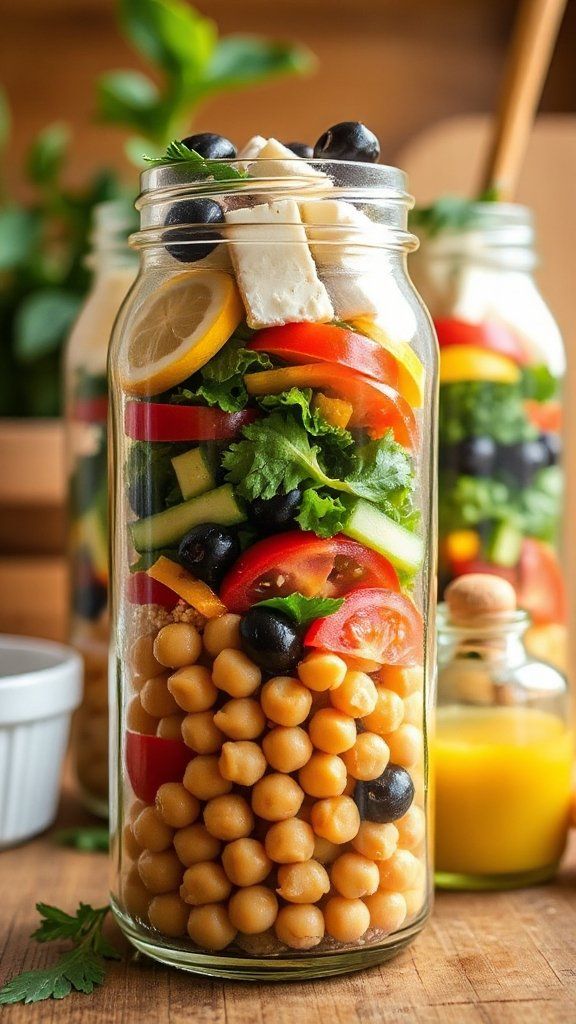

A truly nutritious lunch must contain a balance of macronutrients. Think of it as building a strong structure: you need different materials for different purposes.
The Essential Components
- Complex Carbohydrates (The Engine): These provide long-lasting energy. They are digested slowly, preventing blood sugar spikes.
- Examples: Quinoa, brown rice, whole-wheat bread/wraps, sweet potatoes, oats.
- Lean Protein (The Builder): Essential for muscle repair, growth, and prolonged satiety. It also helps stabilize blood sugar.
- Examples: Chicken breast, fish (tuna, salmon), tofu, lentils, beans, eggs, Greek yogurt.
- Healthy Fats (The Lubricant): Crucial for brain function, hormone production, and nutrient absorption.
- Examples: Avocado, nuts, seeds, olive oil, nut butters.
- Fiber-Rich Vegetables and Fruits (The Regulator): Packed with vitamins, minerals, and fiber, which aids digestion and contributes to fullness.
- Examples: Leafy greens, carrots, bell peppers, broccoli, berries, apples.
Tip: Always choose whole foods over highly processed options. Whole foods retain more of their natural nutrients and fiber.
Quick Prep: The Secret to Consistency
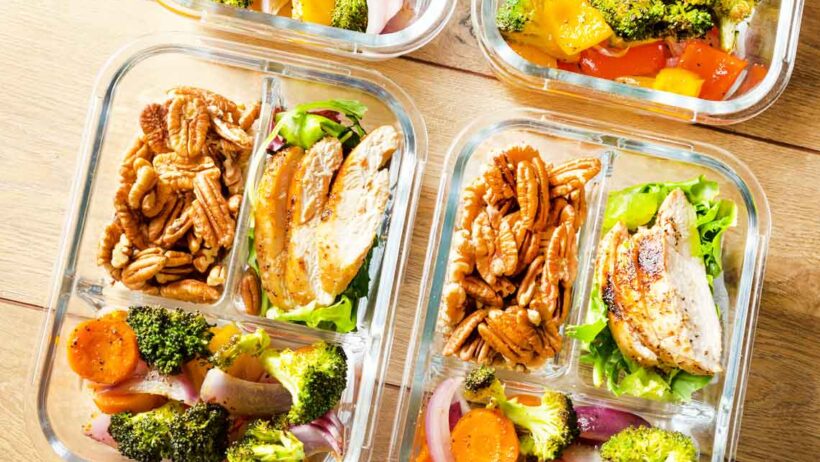
The biggest barrier to a healthy lunch is often time. The solution is meal prepping. Dedicating a short time—perhaps an hour on Sunday—can ensure you have healthy options for the entire week.
- Batch Cook Grains: Prepare a large quantity of quinoa or brown rice. Store it in the fridge to use as a base for salads or bowls.
- Roast Proteins and Veggies: Roast chicken, sweet potatoes, and broccoli simultaneously. These components are versatile and keep well for several days.
- Prep Raw Components: Wash and chop vegetables like carrots, celery, and bell peppers. Portion out salad greens.
- Make Dressing Separately: Store homemade dressings in small containers. Adding dressing just before eating prevents salads from getting soggy.
By having these basic building blocks ready, assembling a delicious, healthy lunch takes mere minutes each morning.
Engaging and Easy Nutritious Lunch Ideas
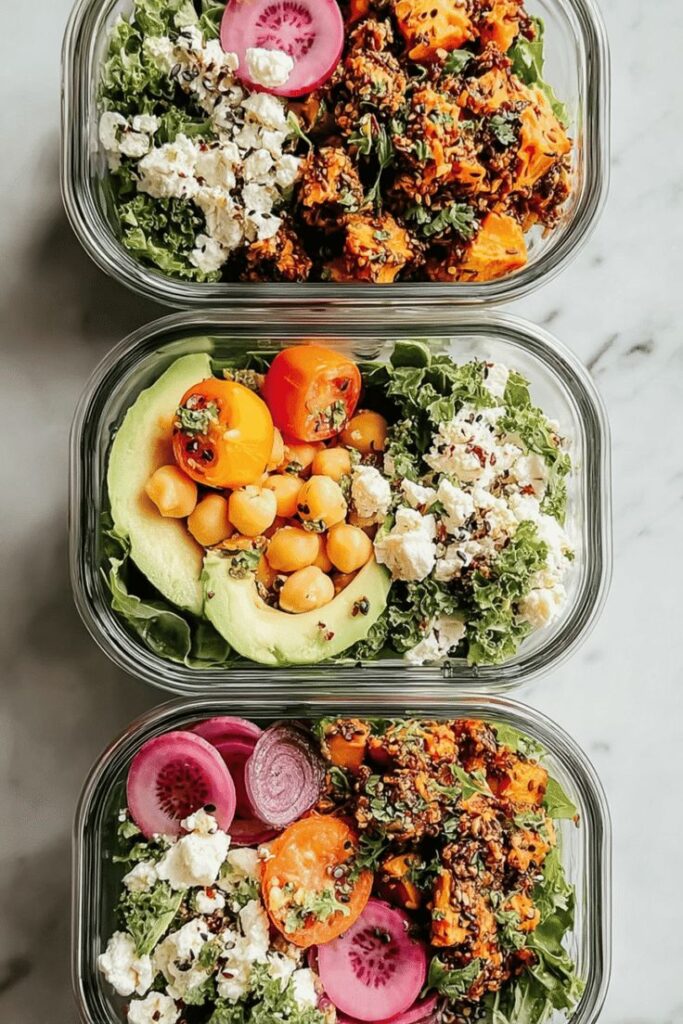
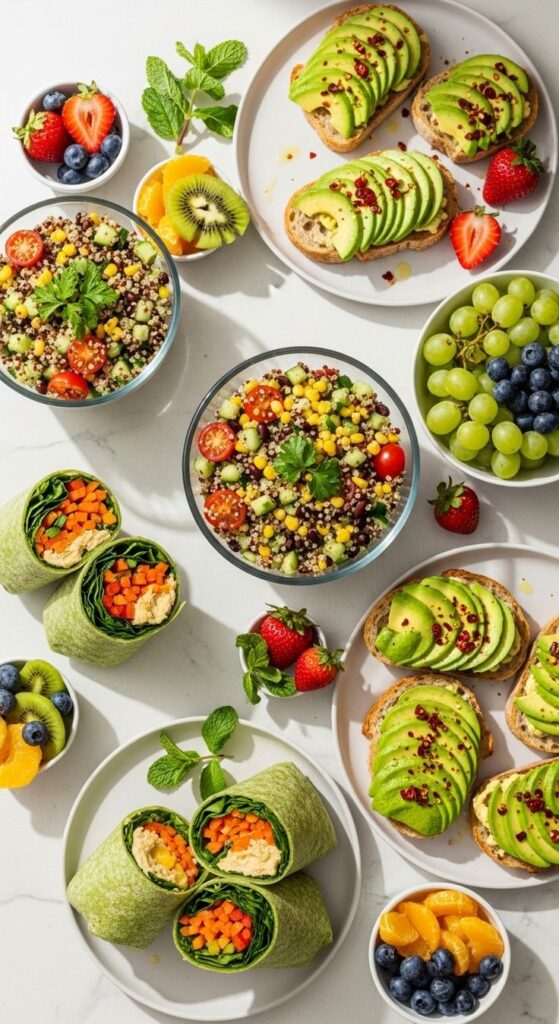
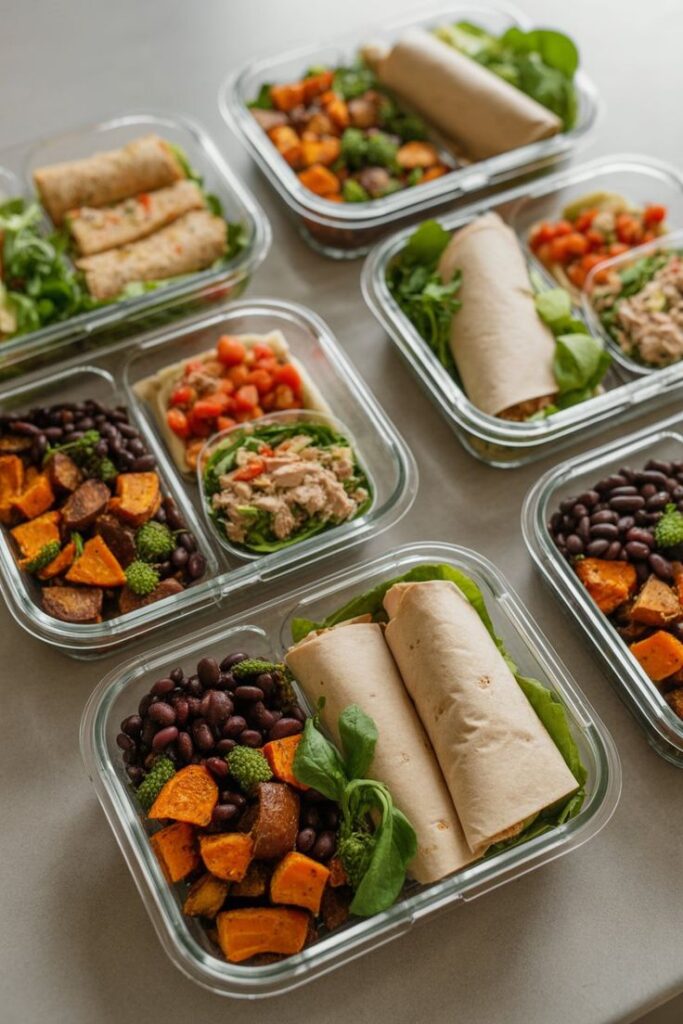
Forget boring, repetitive meals. These ideas are grouped by category to offer maximum flexibility and variety, keeping your taste buds and nutritional goals aligned.
1. The Power Bowl Revolution
Power bowls, or grain bowls, are the ultimate canvas for a complete, balanced lunch. They are fully customizable and perfect for using batch-prepped ingredients.
Mediterranean Quinoa Bowl
- Base: 1 cup cooked quinoa (complex carb)
- Protein: 1/2 cup canned chickpeas, drained and rinsed (plant-based protein)
- Veggies: Diced cucumber, cherry tomatoes, and red onion (fiber/vitamins)
- Healthy Fat: 2 tablespoons feta cheese and 1 teaspoon olive oil (fat/calcium)
- Dressing: Lemon juice, a pinch of dried oregano, and a drizzle of the olive oil.
- Value Proposition: Rich in protein and fiber, this bowl is light, refreshing, and incredibly satisfying.
Spicy Peanut Noodle Bowl
- Base: Whole-wheat soba noodles or brown rice noodles (complex carb)
- Protein: Cubed baked tofu or shredded chicken (lean protein)
- Veggies: Shredded carrots, bell peppers, and snap peas (fiber/vitamins)
- Healthy Fat: Crushed peanuts (healthy fat)
- Dressing: Mix peanut butter, low-sodium soy sauce, rice vinegar, a splash of water, and a pinch of sriracha for a creamy, flavorful sauce.
- Value Proposition: A vibrant, umami-rich bowl that tastes indulgent but is packed with nutrients.
2. Low-Carb and High-Protein Focus
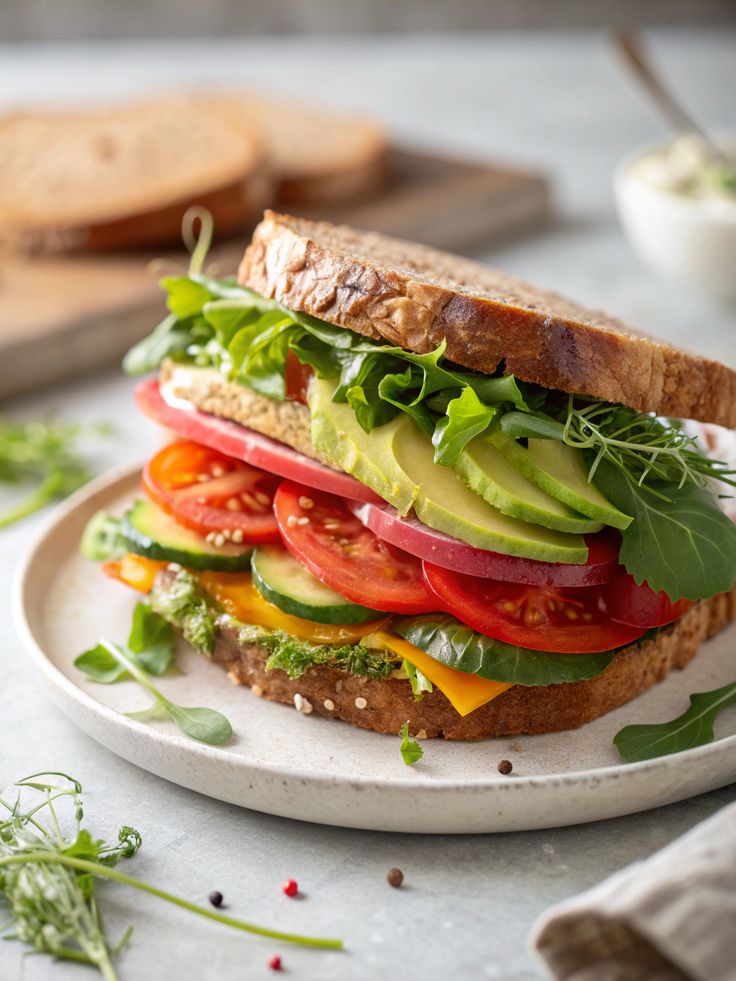
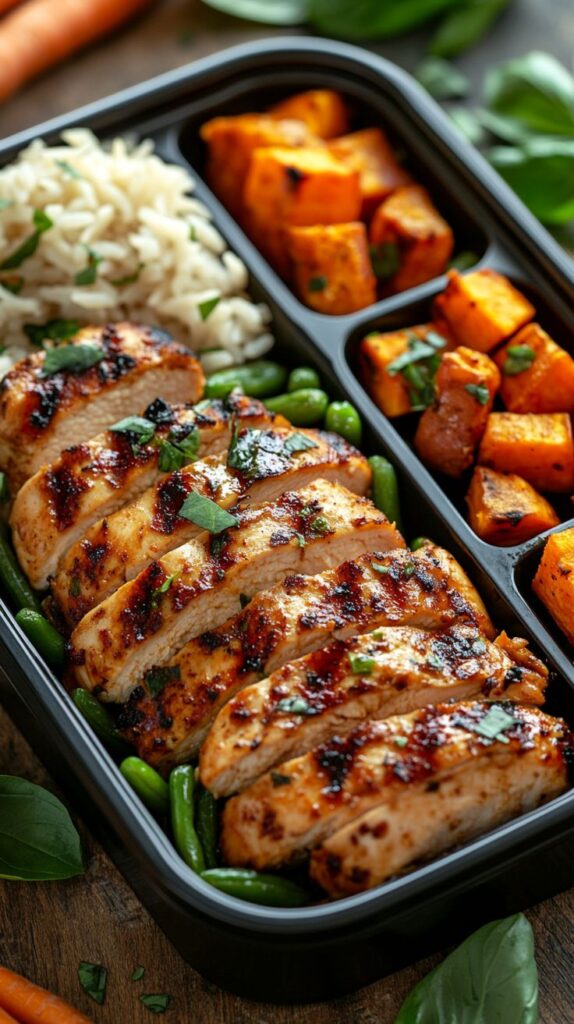
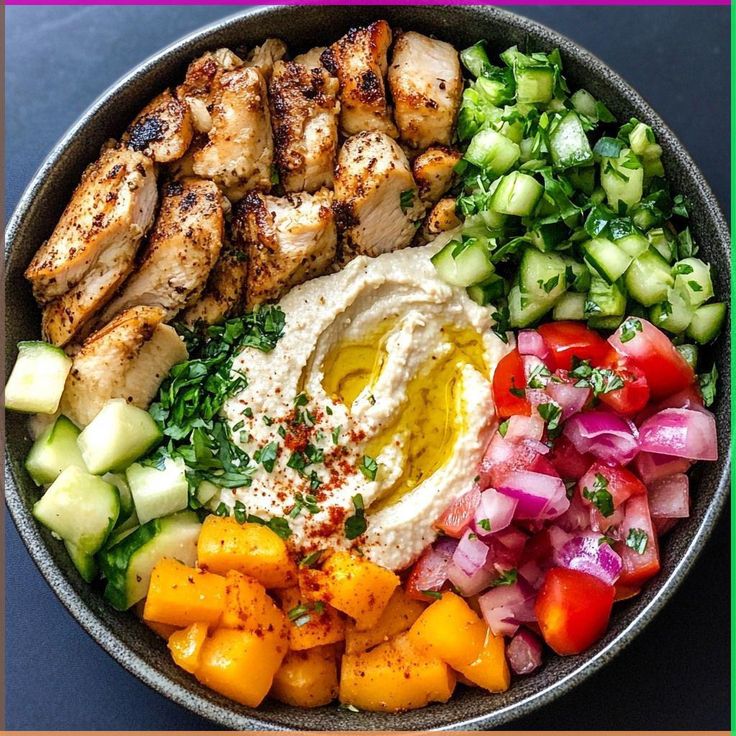
For those managing blood sugar or focusing on higher protein intake, these ideas ditch the heavy grains without sacrificing flavor or fullness.
Tuna Salad Lettuce Wraps
- Protein: Canned tuna (packed in water) or canned salmon (excellent source of Omega-3s)
- Healthy Base: Large romaine or butter lettuce leaves (substitute for bread)
- Mix-Ins: Chopped celery, red onion, and a spoonful of Greek yogurt or avocado mayo (leaner alternatives to traditional mayonnaise)
- Veggies: A side of sliced cucumbers and tomatoes.
- Value Proposition: High in protein and healthy fats, these wraps are light, crunchy, and zero-soggy lunch risk.
Hard-Boiled Egg & Veggie Boxes
- Protein: 2-3 hard-boiled eggs (easy to prep in advance)
- Veggies: Carrot sticks, bell pepper strips, and cherry tomatoes (fiber/vitamins)
- Healthy Dip: 2 tablespoons of hummus or guacamole (healthy fat/protein)
- Snack Component: A small handful of almonds or walnuts.
- Value Proposition: This ‘snack box’ format offers a variety of textures and flavors, keeping you engaged and delivering powerful protein on the go.
3. Warm and Comforting Options
Sometimes you need a warm, comforting meal. These options are great for batch cooking and reheating.
Lentil Soup or Stew
- Base: Lentils (complex carb/protein)
- Veggies: Carrots, celery, spinach, and canned diced tomatoes (fiber/vitamins)
- Flavor Boost: Herbs like thyme, bay leaves, and a low-sodium vegetable broth.
- Serving Suggestion: Serve with a slice of whole-grain crusty bread.
- Value Proposition: Lentils are a nutritional powerhouse, offering both fiber and protein. A warm bowl of soup is incredibly satisfying and excellent for chilly weather.
Veggie and Black Bean Chili
- Protein: Canned black beans and kidney beans (plant-based protein/fiber)
- Veggies: Diced onion, bell pepper, and corn (fiber/vitamins)
- Spices: Chili powder, cumin, and a touch of unsweetened cocoa powder for depth.
- Toppings: A dollop of plain Greek yogurt or a sprinkle of avocado chunks.
- Value Proposition: A robust, filling meal that’s naturally low in fat and packed with gut-healthy fiber.
4. Simple Sandwiches and Wraps (Elevated)
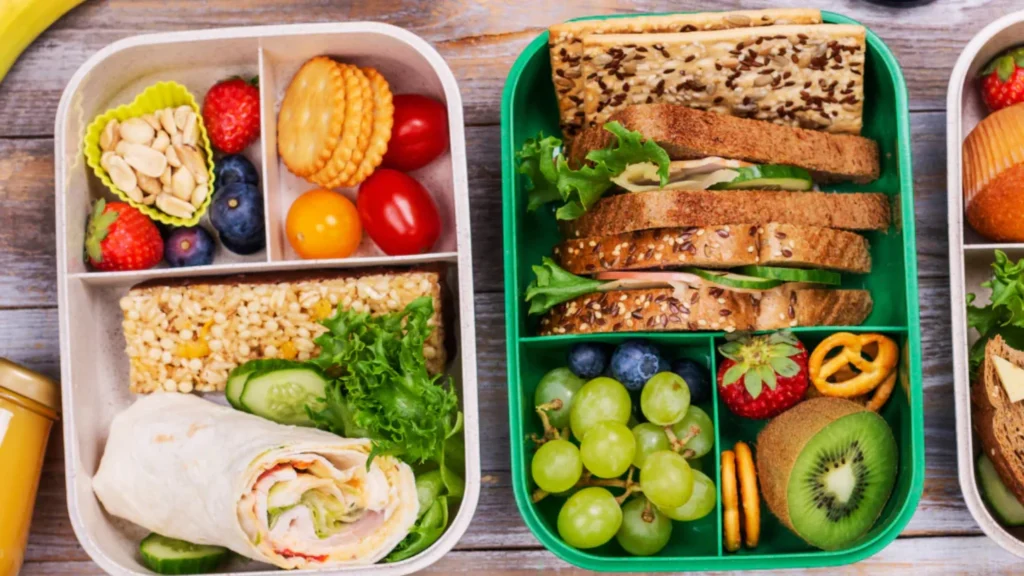
The classic lunch staple, elevated with better ingredients to boost nutrition and flavor.
Turkey & Avocado Whole-Wheat Wrap
- Base: Whole-wheat or spinach tortilla/wrap (complex carb)
- Protein: Sliced lean turkey or chicken breast (lean protein)
- Veggies: A generous amount of baby spinach, sliced tomato, and bell peppers (fiber/vitamins)
- Spread: Smashed avocado (healthy fat) instead of mayo. A smear of mustard or hummus adds flavor.
- Value Proposition: This simple swap from white bread and high-fat spreads transforms a basic wrap into a complete, balanced meal that supports brain health.
Hummus and Grilled Veggie Pita
- Base: Whole-wheat pita bread (complex carb)
- Spread/Protein: Generous layer of homemade or low-sodium hummus (protein/healthy fat)
- Veggies: Leftover grilled zucchini, eggplant, and red pepper (fiber/vitamins)
- Value Proposition: High in plant-based protein and fiber, this Mediterranean-inspired meal is quick, requires minimal cooking, and is surprisingly filling.
Case Studies and Expert Implementation
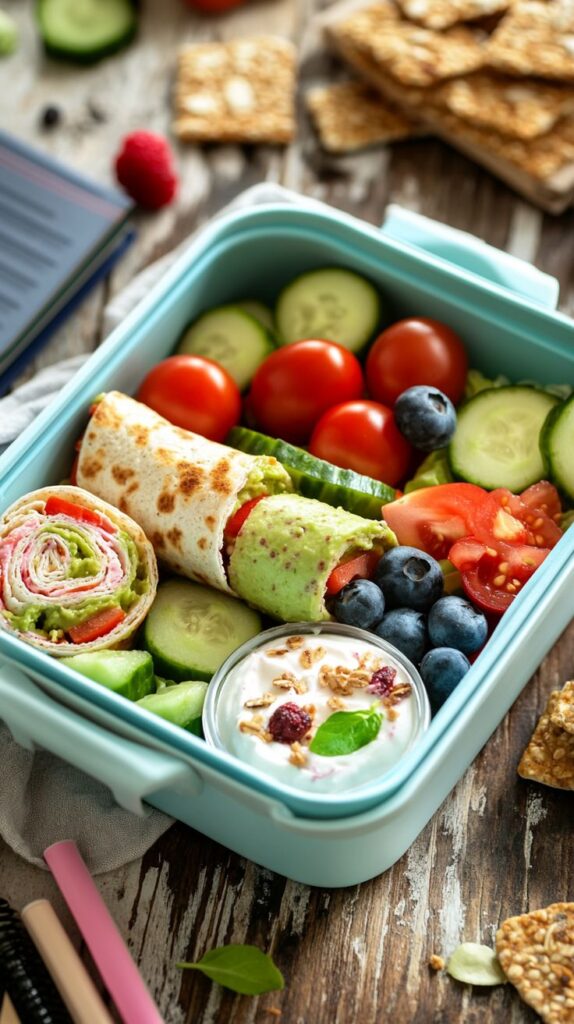

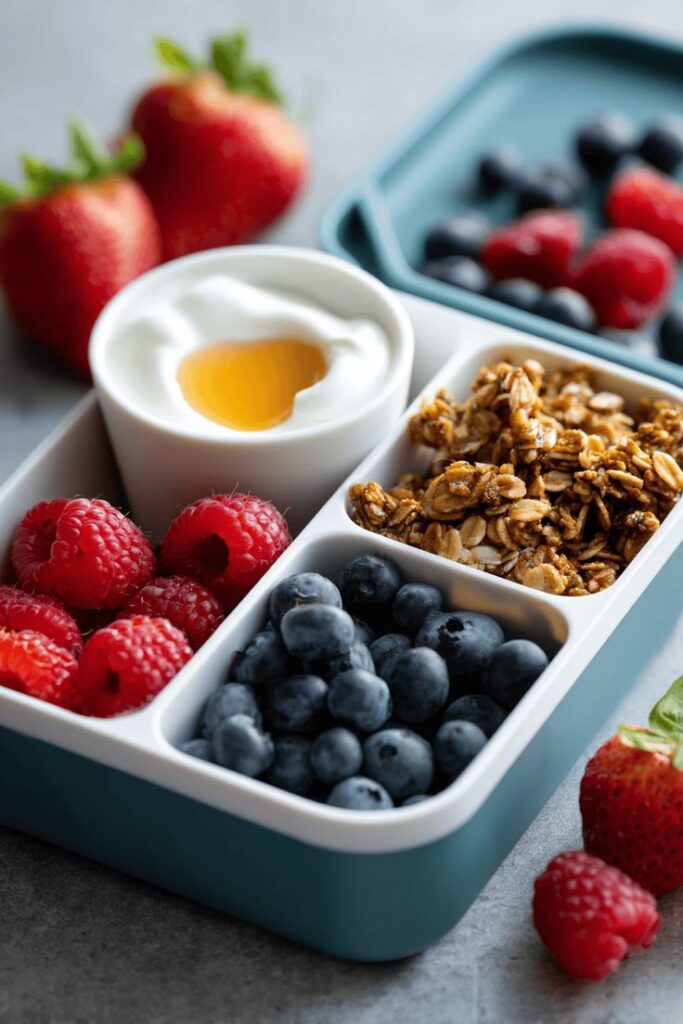
Understanding the theory is one thing; putting it into practice is another. Real-world examples show that simple changes yield significant results.
Case Study: The Corporate Wellness Initiative
A large tech company implemented a “Healthier Lunch Challenge” among its employees. Participants were encouraged to swap their regular fast-food or processed lunches for one of the nutritious, prepared-at-home options (similar to the Power Bowls listed above).
- Initial Data: 65% of employees reported a significant energy slump between 2 PM and 4 PM. Common lunches included frozen dinners, fast food, or chips and soda.
- Intervention: Employees attended a workshop on batch cooking and were given a recipe book of high-fiber, high-protein lunch ideas.
- Outcome: After two months, 80% of participants reported a noticeable reduction in the afternoon slump, and 45% reported improved focus and clarity in the late afternoon. This anecdotal evidence strongly links high-quality midday nutrition to enhanced performance.
Expert Strategy: The “Leftovers Lunch”
Registered Dietitian and Nutrition Expert, Dr. Emily Carter, advocates for the “Cook Once, Eat Twice” philosophy.
“The single most effective strategy for consistent healthy eating is leveraging leftovers. When you make dinner, intentionally cook an extra portion of the protein (chicken, fish, lentils) and grains (quinoa, brown rice). By lunchtime the next day, 80% of your meal is already prepared. Just add a handful of fresh greens and a quick dressing, and you have a superior lunch ready in under two minutes. This removes decision fatigue and ensures you never resort to emergency takeout.”
This strategy simplifies meal prep and drastically improves the quality of your midday fuel.
Mastering the Art of Packing Lunch
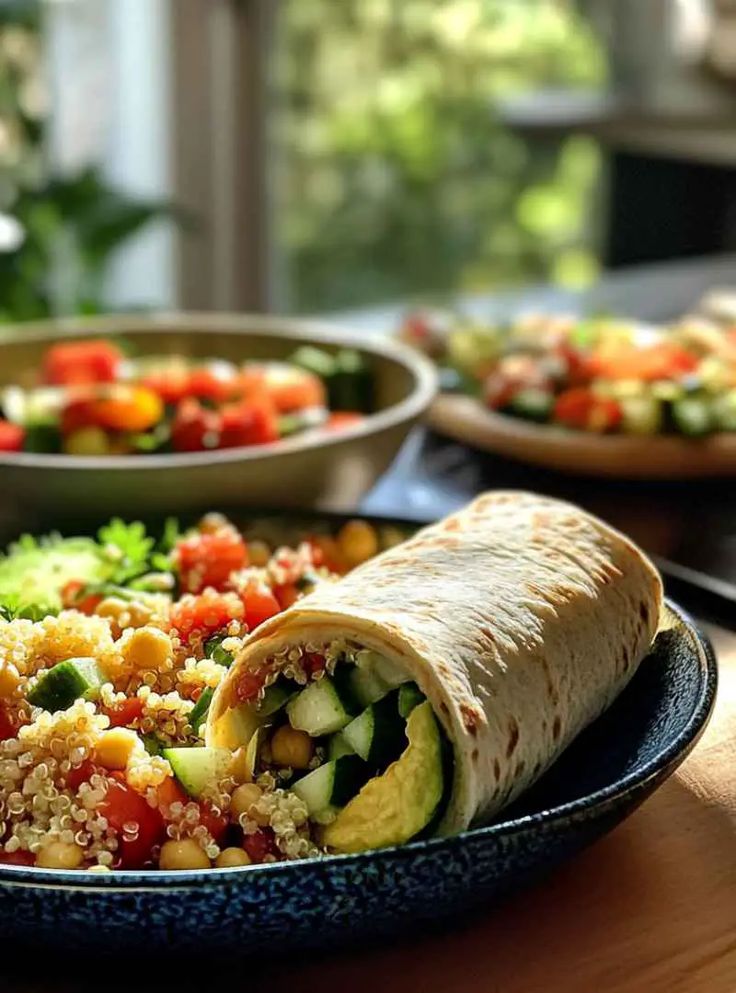

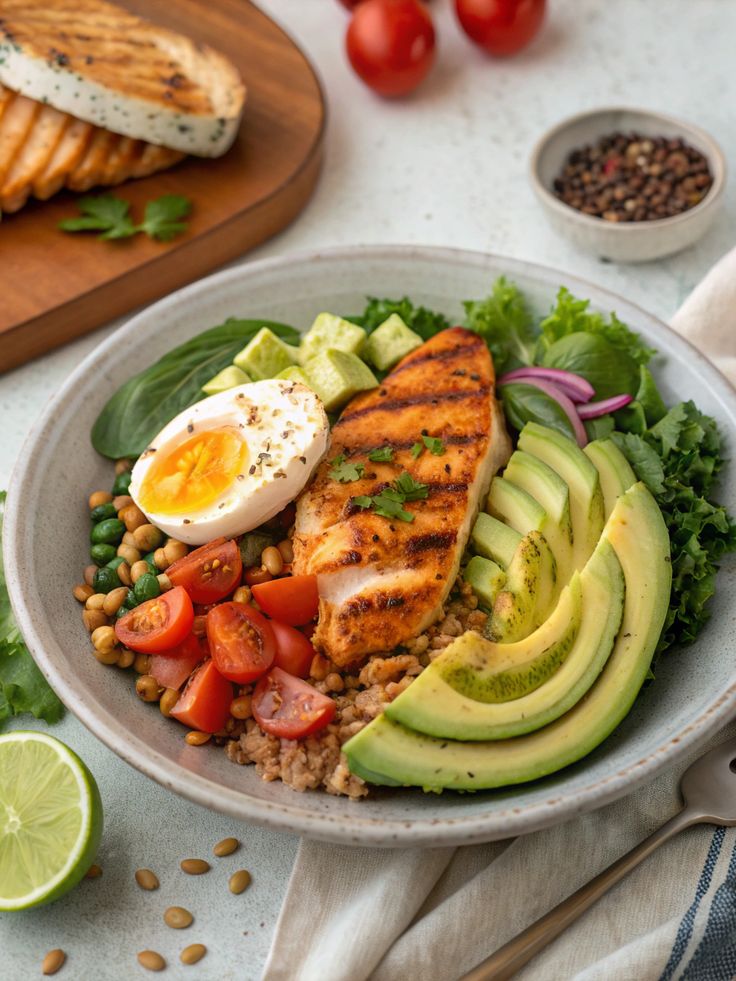
A great recipe is only half the battle. Successful lunch-packing requires practical tips to ensure your meal remains fresh, appetizing, and safe until lunchtime.
Key Tools for Success
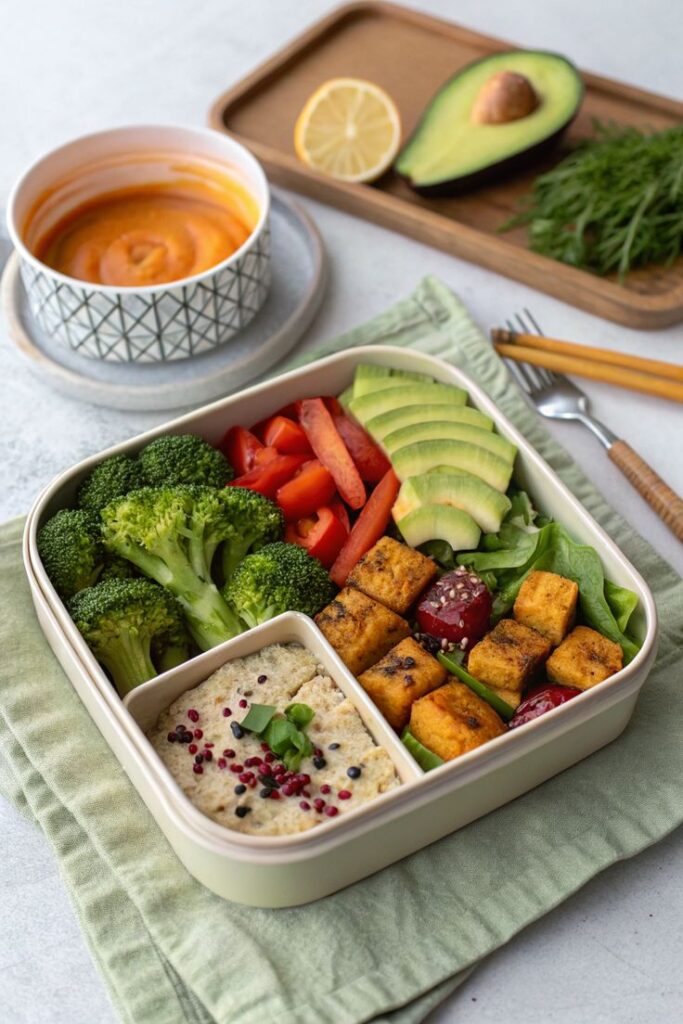
- Bento Boxes/Compartmented Containers: These are invaluable. They keep wet and dry ingredients separate (e.g., dressing from lettuce, crispy toppings from grains), preventing sogginess and maintaining texture.
- Insulated Lunch Bag: Essential for food safety, especially for proteins like chicken, dairy, and fish. Use a freezer pack to keep the contents below 40∘F (4∘C).
- Small, Separate Containers: Perfect for dressings, dips (like hummus), and crunchy toppings (nuts, seeds). Never put the dressing on your salad until immediately before eating.
Practical Tips for the Workday
- Embrace the Mason Jar: Layer your salads in a mason jar. Put the dressing on the very bottom, followed by hard vegetables (carrots, peppers), then grains/protein, and finally, the leafy greens on top. When you are ready to eat, simply shake the jar into a bowl or eat directly from the jar.
- Keep It Whole: Whenever possible, leave certain ingredients whole. For example, use cherry tomatoes instead of sliced tomatoes, and keep apples whole until lunchtime to prevent oxidation and nutrient loss.
- Hydration is Part of the Meal: Always pack a reusable water bottle. For added flavor without sugar, infuse your water with slices of cucumber, lemon, or a few berries.
Common Lunch Pitfalls to Avoid
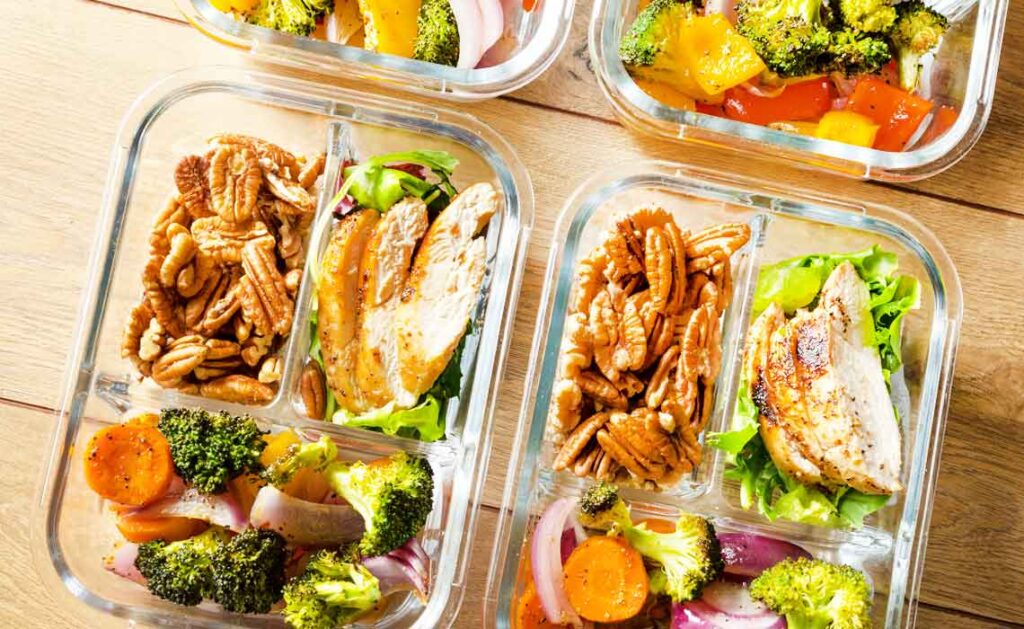
Even with the best intentions, many healthy lunch attempts are derailed by common mistakes. Be aware of these traps to stay on track.
- The “Naked” Salad: A huge bowl of plain lettuce and a couple of carrots looks healthy, but it lacks the necessary protein and healthy fats for sustained energy. You will be hungry again in an hour. Fix: Always add a palm-sized portion of protein (chicken, beans, tuna) and a healthy fat (avocado, nuts, olive oil).
- Hidden Sugars: Many store-bought salad dressings, sauces, and low-fat yogurts are loaded with added sugars, canceling out the health benefits of your meal. Fix: Make your own simple vinaigrette, or carefully read labels and choose dressings with minimal or no added sugar.
- The Salt Trap: Processed meats (many deli slices), canned soups, and pre-packaged meals are often extremely high in sodium, which can lead to bloating and high blood pressure. Fix: Opt for lean, fresh-cooked protein, or look for “low-sodium” or “no salt added” versions of canned items.
- Not Enough Fiber: A low-fiber lunch leads to slow digestion and lack of fullness. Fix: Prioritize whole grains (brown rice over white rice), legumes (beans, lentils), and raw vegetables in every lunch. Aim for at least 8-10 grams of fiber per meal.
Conclusion: Make the Midday Shift
Nutritious lunch ideas are not a luxury; they are a fundamental investment in your daily energy, focus, and long-term health. By understanding the core components of a balanced meal—complex carbs, lean protein, healthy fats, and fiber—and implementing simple preparation strategies like batch cooking, you can permanently eliminate the afternoon slump.
The recipes and strategies laid out in this guide give you the power to take control of your diet and deliver value to your body every single day. Stop eating out of convenience and start eating with intention. Your productivity, mood, and health will thank you.
Call to Action: Start Your Healthy Lunch Journey Today!
Take the first step towards a better midday meal right now.
- Commit to a Prep Day: Block out 60 minutes this coming weekend to batch cook one protein (e.g., chicken or lentils) and one grain (e.g., quinoa or brown rice).
- Choose Your First Recipe: Select one of the power bowl or wrap ideas from this article and buy the necessary fresh ingredients.
- Pack It Up! Prepare your lunch the night before, following the separation and storage tips.
Fuel your body for success. Share your favorite new nutritious lunch creation on social media and tag a friend who needs a midday energy boost!