



In the quest for a healthier lifestyle, the timing and composition of your meals are just as important as the food itself. While main meals lay the foundation, smart snacking is the secret weapon for sustained energy, appetite control, and reaching your fitness goals. And when it comes to smart snacking, protein reigns supreme.
Protein, often called the body’s building block, is a macronutrient essential for repairing tissues, making enzymes and hormones, and supporting immune function. Integrating high-protein snacks into your day can transform your energy levels, aid in weight management, and keep you feeling satisfied for longer.
Why Protein is the Ultimate Snack Macronutrient

The benefits of a protein-rich diet, especially when it comes to snacking, go far beyond basic nutrition. Here are the key ways protein works as a powerhouse snack:
1. Unmatched Satiety and Appetite Control
This is arguably protein’s most celebrated benefit. Protein increases the production of appetite-reducing hormones like GLP-1 and PYY while simultaneously decreasing levels of ghrelin, the “hunger hormone.” This effect on hormones and a slower digestion rate means high-protein snacks keep you feeling fuller for longer than snacks composed primarily of refined carbohydrates or fats. This can lead to a natural, automatic reduction in overall calorie intake throughout the day.
2. The Metabolic Advantage: Thermic Effect of Food (TEF)
Your body uses energy to digest, absorb, and metabolize the food you eat—a process known as the Thermic Effect of Food (TEF). Protein has a significantly higher TEF than carbohydrates or fats. While only about 0-3% of fat calories and 5-10% of carbohydrate calories are burned through digestion, 20-30% of protein calories are expended during the process. Snacking on protein essentially gives your metabolism a mini-boost, contributing to a higher total daily energy expenditure.
3. Muscle Preservation and Growth
Whether you are an athlete or simply engaging in daily activity, protein is vital for muscle health. Adequate protein intake, spread throughout the day, helps preserve lean muscle mass, which is crucial during periods of weight loss (calorie restriction). Maintaining muscle is important because muscle tissue burns more calories at rest than fat tissue, helping to sustain a healthy metabolic rate in the long run.
Top 10 Healthy, High-Protein Snack Ideas

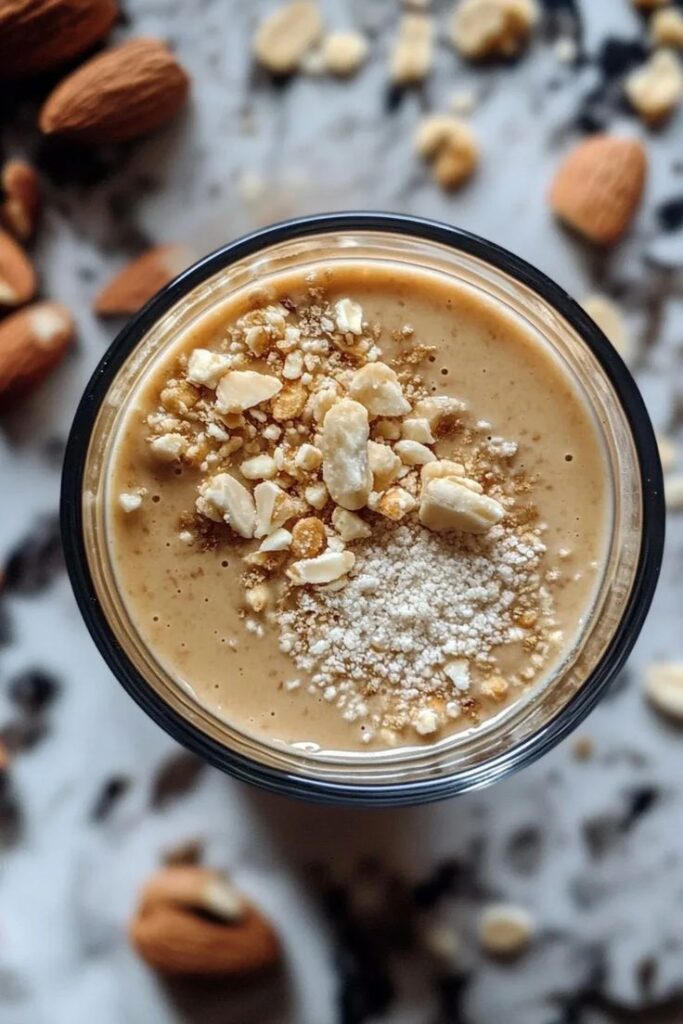
The best protein snacks are those that are easy to prepare, portable, and pair well with other nutrients like fiber and healthy fats for a truly balanced bite.
| Snack Idea | Protein Source | Notes for Customization |
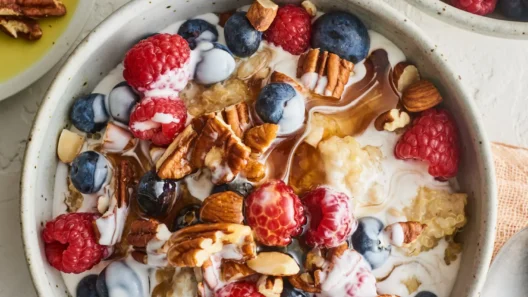
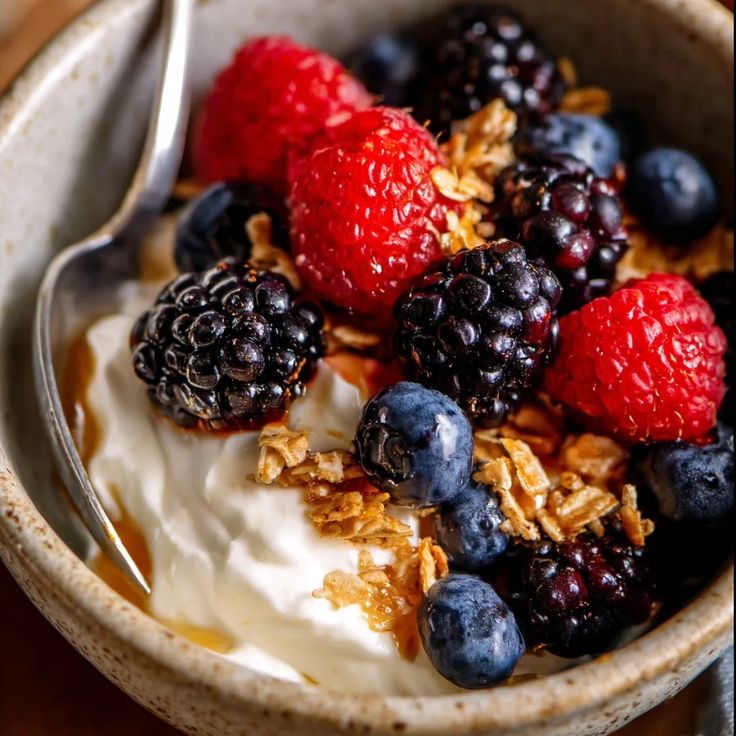
| 1. Greek Yogurt Parfait | Greek Yogurt (Plain) | Top with fiber-rich berries and a sprinkle of nuts or chia seeds for healthy fats. Opt for 0% or 2% milkfat. |
| 2. Hard-Boiled Eggs | Whole Eggs | A perfect portable snack. Sprinkle with ‘Everything Bagel’ seasoning or a pinch of salt and pepper. |
| 3. Cottage Cheese Bowl | Cottage Cheese (Low-fat) | Go savory with sliced tomatoes, black pepper, and chives, or sweet with a drizzle of honey and peaches. |
| 4. Edamame (Steamed or Roasted) | Soybeans (Plant-based) | Toss fresh or frozen edamame in a skillet with a dash of soy sauce and chili flakes for a quick, fiber-rich snack. |
| 5. Jerky or Meat Sticks | Beef, Turkey, Salmon | A convenient, shelf-stable option. Look for low-sodium, low-sugar varieties with minimal additives. |
| 6. Nut Butter with Fruit | Peanut, Almond, Cashew Butter | Spread on apple slices or celery sticks. Add hemp seeds for an extra protein punch. |
| 7. Cheese and Whole-Grain Crackers | Hard Cheeses (Cheddar, Parmesan) | Pair 1 ounce of cheese with high-fiber, whole-grain crackers. Provides protein and calcium. |
| 8. Roasted Chickpeas | Chickpeas/Garbanzo Beans (Plant-based) | Toss canned chickpeas with olive oil and spices (paprika, cumin, chili) and roast until crunchy. Great source of fiber. |
| 9. Tuna or Salmon Pouch | Canned/Pouched Fish | Mix with a dollop of Greek yogurt or a small amount of avocado for a quick spread on celery or whole-grain toast. |
| 10. Protein Smoothie/Shake | Protein Powder (Whey, Casein, Plant-based) | Blend with water/milk, spinach, and frozen fruit. Customizable for flavor and high in protein and vitamins. |
Protein Snacking for Different Dietary Needs
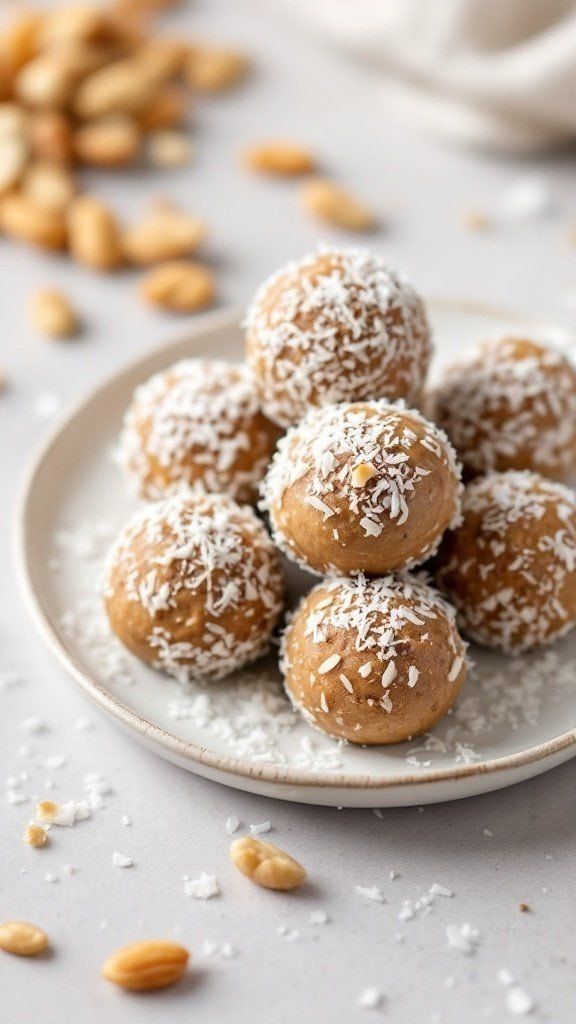
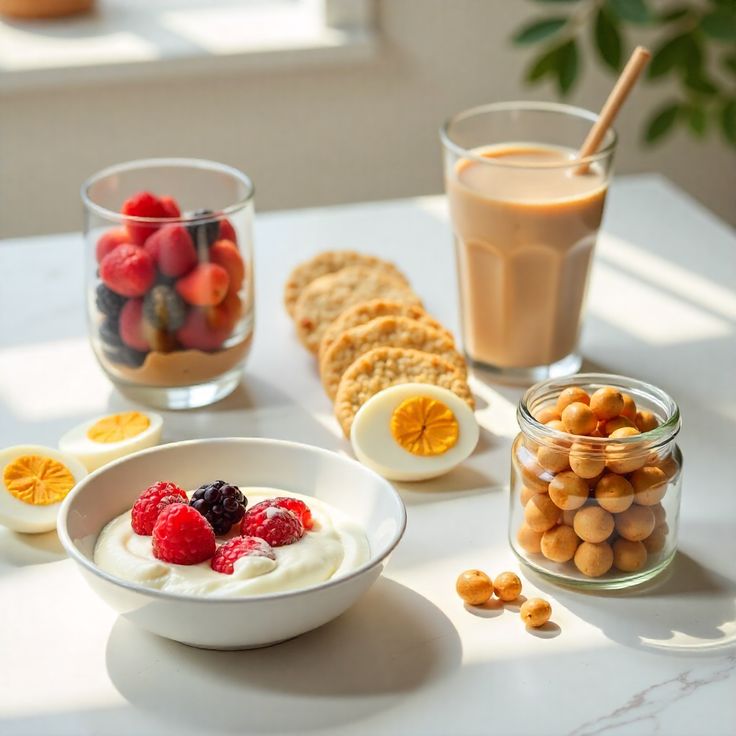
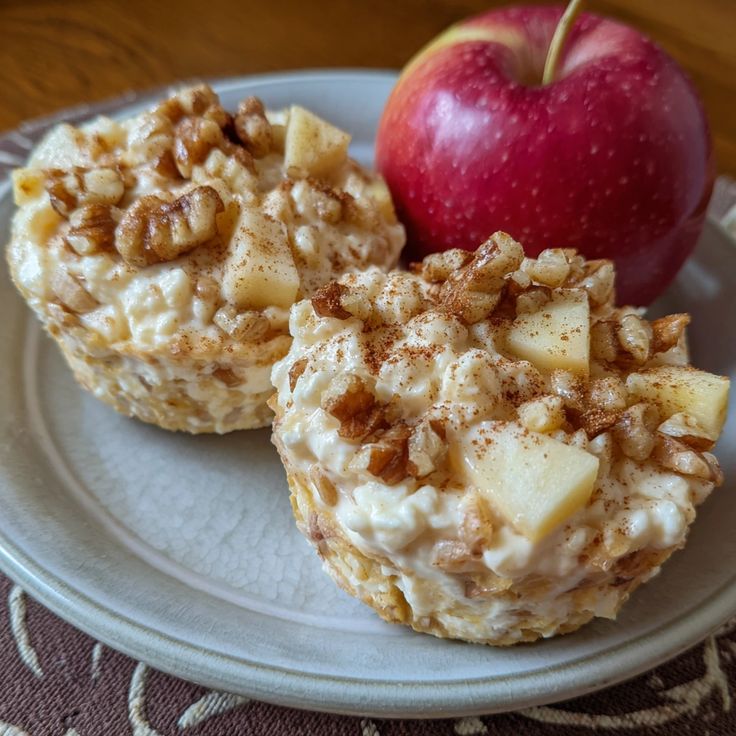
High-protein snacks can be adapted to almost any eating plan:
- Plant-Based/Vegan: Focus on edamame, nuts and seeds (almonds, pistachios, pumpkin seeds), lentil or black bean dips, tofu or tempeh bites, and soy-based protein powders. Chia seed pudding made with soy milk is also an excellent option.
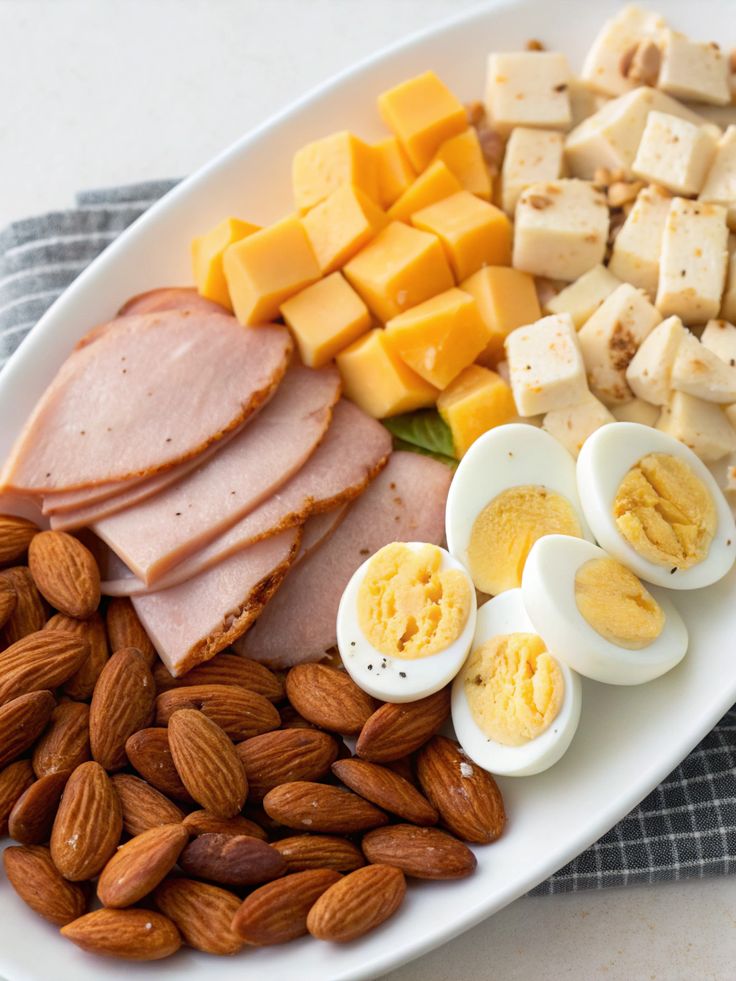
- Keto/Low-Carb: Emphasize animal proteins like hard cheeses, jerky, hard-boiled eggs, and tuna/salmon. Pairing these with non-starchy vegetables (cucumber, bell peppers) works best.
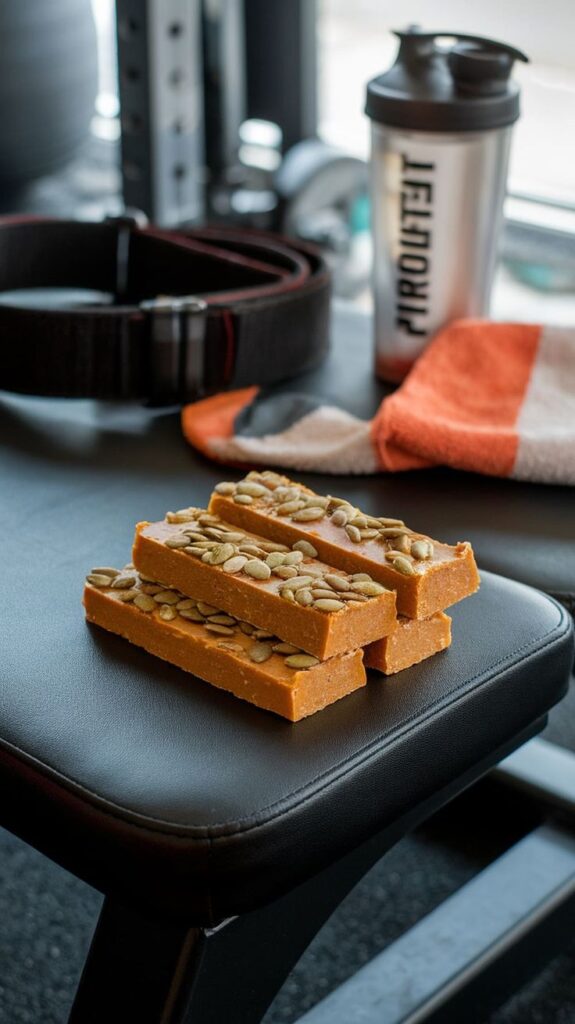
- Athlete/High-Intensity: Focus on snacks with a protein and carbohydrate balance for quick recovery, such as a protein bar, a banana with peanut butter, or a protein smoothie with fruit.
DIY High-Protein Snack Recipes: Quick and Easy Prep
For those who like to take control of their ingredients and macros, making snacks at home is simple and effective.
1. No-Bake Peanut Butter Protein Energy Balls
- Ingredients: 1 cup rolled oats, 1/2 cup natural peanut butter, 1/3 cup honey or maple syrup, 1/2 cup protein powder (vanilla or chocolate), 1/4 cup mini chocolate chips or flax seeds.
- Instructions: Mix all ingredients in a bowl until a dough forms. Roll into 1-inch balls. Refrigerate for at least 30 minutes to set. Store in the fridge for a quick, satisfying bite.
2. Savory Cottage Cheese Dip
- Ingredients: 1 cup low-fat cottage cheese, 1 tbsp olive oil, 1 clove minced garlic, 1 tsp dried herbs (dill, chives, or oregano), salt and pepper to taste.
- Instructions: Blend the cottage cheese, olive oil, and garlic until completely smooth and creamy (optional, but highly recommended). Stir in the herbs, salt, and pepper. Serve with carrot sticks, bell pepper strips, or whole-grain pita bread.
The Takeaway
Shifting your snacking habits to prioritize protein can have a profound impact on your energy, satiety, and overall health goals. By choosing whole, nutrient-rich sources and preparing simple grab-and-go options, you can ensure that every snack is a powerful step towards better nutrition. Stop settling for quick-fix empty calories and harness the power of protein to fuel your day.
Frequently Asked Questions (FAQ)
Q: Why is protein important for a snack? A: Protein is the most satiating macronutrient, meaning it helps you feel fuller for longer compared to carbohydrates or fats. This reduces the likelihood of overeating at your next meal and helps curb unhealthy cravings. It also helps stabilize blood sugar and supports muscle maintenance.
Q: How much protein should I aim for in a snack? A: While individual needs vary, aiming for 7 to 15 grams of protein per snack is a great general goal to promote satiety and provide a meaningful boost.
Q: Are nuts a good high-protein snack? A: Nuts like almonds, walnuts, and pistachios are excellent sources of protein, healthy fats, and fiber. However, they are also calorie-dense, so it’s best to stick to a moderate serving size, typically a small handful (around one-quarter cup).
Q: When is the best time to eat a high-protein snack? A: High-protein snacks are ideal to eat between meals to prevent hunger and stabilize energy. They are also highly beneficial post-workout (within an hour) to help kick-start muscle repair and recovery.