



Why Breakfast is Non-Negotiable for a Healthier You
Forget the old adage that breakfast is just the most important meal of the day. In the modern world, breakfast is your personal fuel injection system. It’s the critical juncture where you decide whether your day will be powered by slow, steady energy or the inevitable crash-and-burn of sugary processed foods. Skipping it is like trying to drive a car on fumes—you might start, but you won’t get far.
A healthy, well-structured breakfast does more than just fill your stomach. It ignites your metabolism, sharpens your focus, and sets the nutritional baseline for the next 12 to 16 hours. Studies consistently show a strong link between eating a nutritious breakfast and improved cognitive function, better mood regulation, and even healthier body weight management.
This ultimate guide will move beyond the typical bowl of cereal. We will explore dozens of easy, delicious, and genuinely healthy breakfast ideas tailored for every lifestyle, dietary restriction, and time constraint. Get ready to transform your mornings and unlock your best day, every day.
Section 1: The Science of Breakfast – What Makes it “Healthy”?
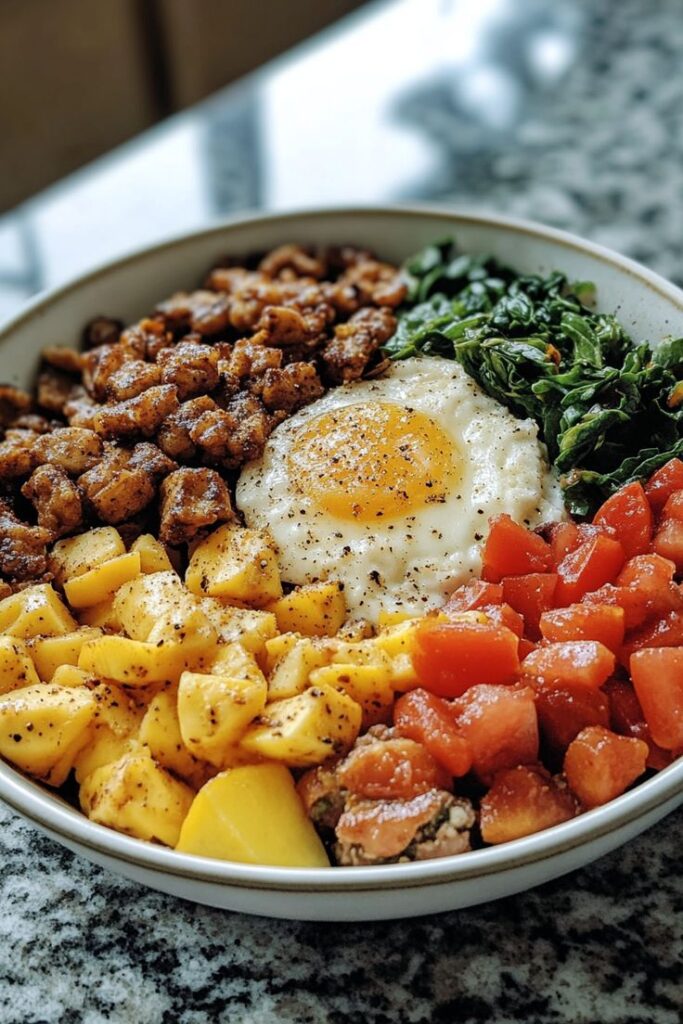
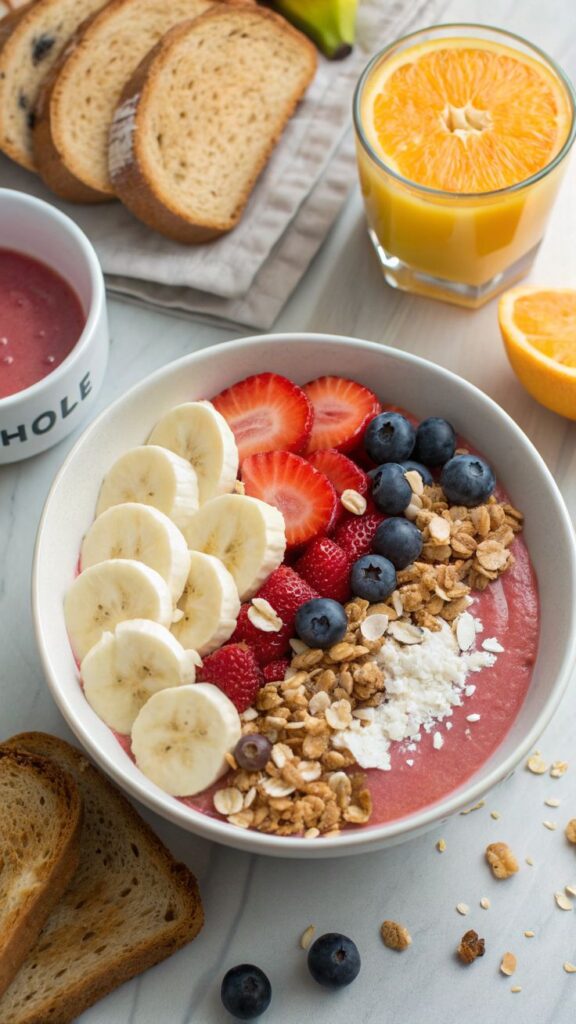
A truly healthy breakfast is a careful balance of key macronutrients. It is not just about calorie count; it’s about the quality of those calories. When you sit down for your first meal, you need to deliver three specific components to your body for sustained energy: protein, fiber, and healthy fats.
1.1 The Power Trio: Protein, Fiber, and Fats
- Protein: The Satiety Champion. Protein slows down digestion. This keeps you feeling full for longer and prevents the mid-morning snack attack. It also provides the amino acid building blocks your body needs to repair and maintain muscle tissue, even when you’re just sitting at your desk. Aim for 20-30 grams.
- Fiber: The Energy Stabilizer. Found in whole grains, fruits, and vegetables, fiber is crucial. Soluble fiber helps regulate blood sugar by slowing the absorption of glucose. This prevents the sharp spike and subsequent crash associated with simple carbohydrates. Aim for 5-10 grams.
- Healthy Fats: The Brain Fuel. Don’t fear fats! Monounsaturated and polyunsaturated fats (like those found in nuts, seeds, and avocados) are essential for brain health and hormone production. They provide a dense, slow-burning energy source.
1.2 The Glycemic Index and Energy Stability
We must discuss the Glycemic Index (GI). This measures how quickly a food raises your blood sugar. A healthy breakfast focuses on low-to-moderate GI foods. Eating a high-GI meal (like sugary cereal or white toast) causes a rapid glucose spike. This forces your pancreas to release a surge of insulin, resulting in a dramatic energy drop—the infamous 10 a.m. slump. Choosing complex carbohydrates and fiber-rich foods ensures a gradual, steady release of energy.
Expert Opinion: Dr. Sarah Miller, a registered dietitian, states, “The single biggest mistake people make is consuming a breakfast high in refined sugar and low in protein. You are effectively setting yourself up for an energy crisis before lunchtime. Prioritize the protein-fiber partnership.”
Section 2: Quick & Easy Healthy Breakfast Ideas for Busy Mornings (5-15 Minutes)

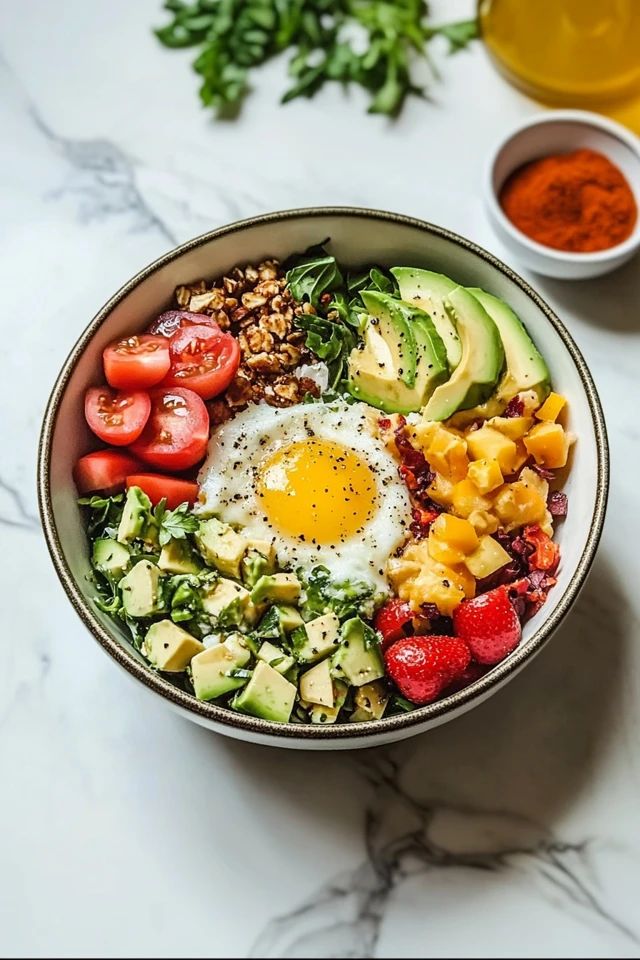
Time is the biggest hurdle for most people. A healthy breakfast is useless if it requires 45 minutes of cooking. The following ideas are perfect for busy professionals, parents, and students. They rely heavily on meal preparation and minimal morning effort.
2.1 Overnight Oats: The Ultimate Prep-Ahead King
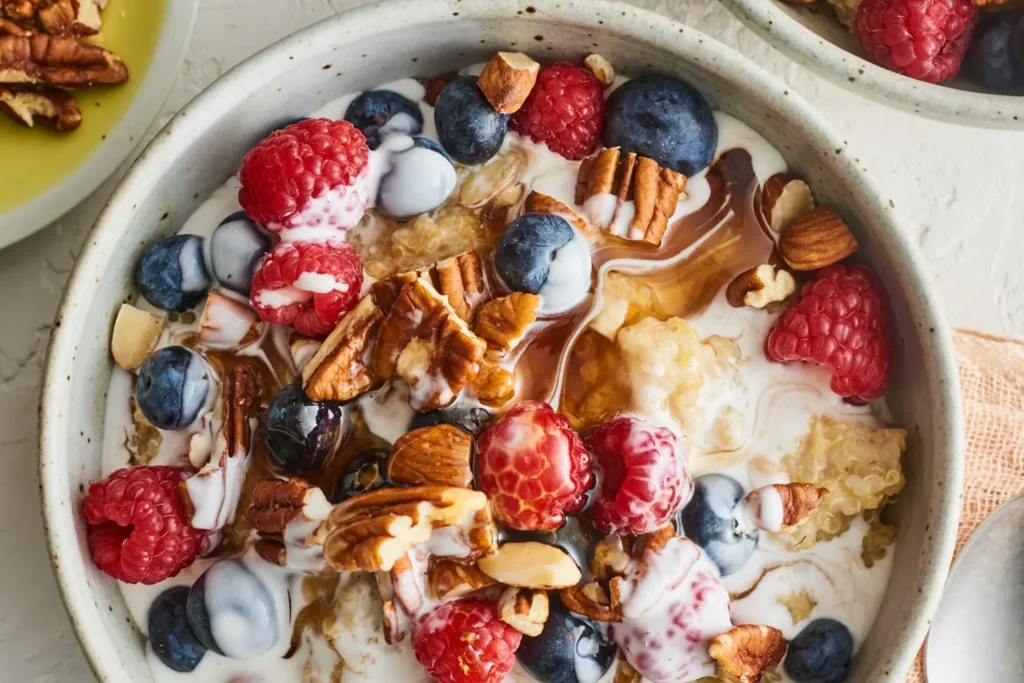
Overnight oats are arguably the most versatile and efficient healthy breakfast. You prepare them in a jar the night before and grab them straight from the fridge in the morning.
Key Ingredients for Success:
- Base: Rolled oats (not instant)
- Protein: Greek yogurt or protein powder
- Fiber/Texture: Chia seeds or flax seeds (they thicken the oats and add healthy Omega-3s)
- Flavor/Sweetness: Berries, a touch of maple syrup, or banana slices
Example Recipe (The Peanut Butter Power Jar):
- 1/2 cup rolled oats
- 1/2 cup almond milk
- 1/4 cup plain Greek yogurt
- 1 tablespoon chia seeds
- 1 tablespoon natural peanut butter
- Prep time: 3 minutes. Morning time: 0 minutes.
2.2 The High-Protein Egg Muffin Tin
This is a fantastic savory, low-carb option that can be made in batches on a Sunday.
Method: Whisk eggs, pour into a lightly greased muffin tin, and fill with your favorite healthy ingredients.
- Vegetable Options: Spinach, bell peppers, chopped onions, mushrooms.
- Protein/Flavor Boosts: Crumbled turkey bacon, small amount of feta cheese, or leftover roasted chicken.
Case Study Snippet: A study tracking office workers found that those who ate a high-protein, prep-ahead breakfast (like egg muffins) reported feeling more productive and less tempted by unhealthy snacks mid-morning than those who ate a typical breakfast bar.
2.3 Yogurt Parfait: Not All Yogurt is Equal
Ditch the high-sugar fruit-on-the-bottom yogurts. Plain Greek Yogurt is the clear winner due to its double-the-protein content compared to regular yogurt.
Build-Your-Own-Parfait Formula:
- Base: 1 cup Plain Greek Yogurt (High Protein)
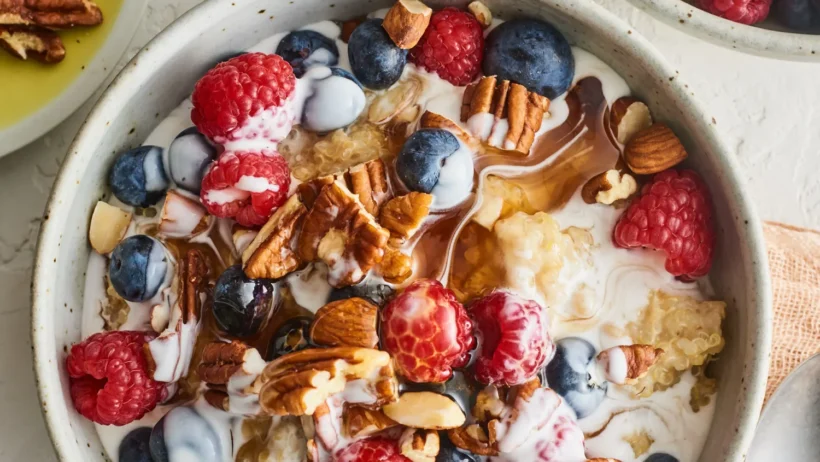
- Topping 1 (Fiber): 1/2 cup fresh or frozen berries (Antioxidants!)
- Topping 2 (Fats/Crunch): 1/4 cup walnuts, almonds, or granola (choose low-sugar varieties)
Section 3: Whole-Food & Plant-Based Healthy Breakfast Recipes

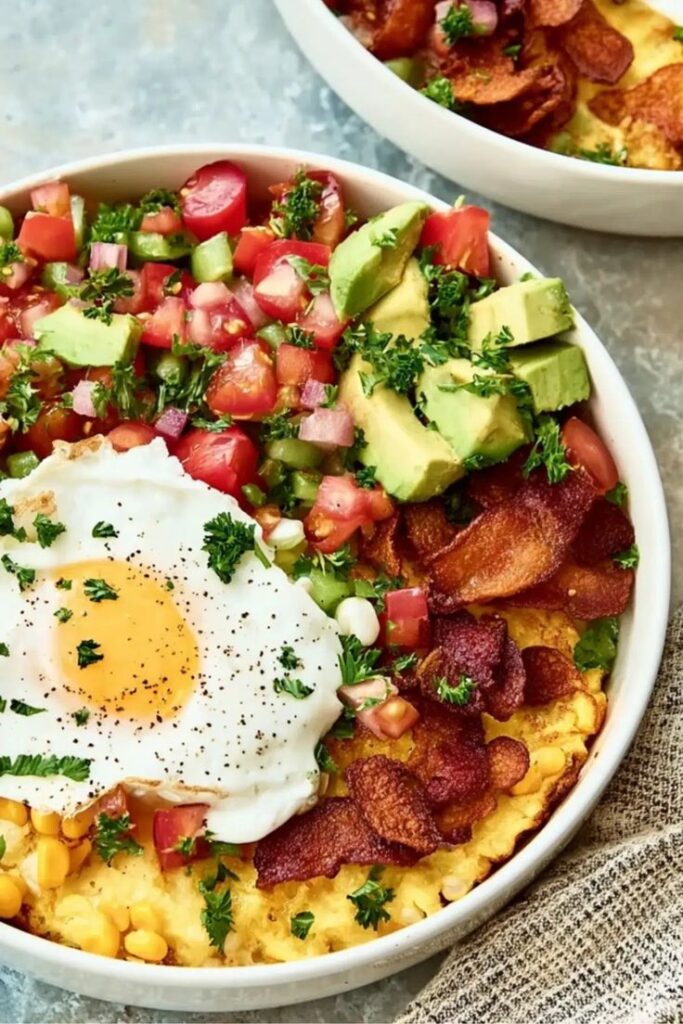
A plant-based breakfast is not only environmentally conscious but is often the easiest way to significantly boost your fiber intake. These ideas prove that you don’t need dairy or meat to feel energized.
3.1 The Green Smoothie Revolution
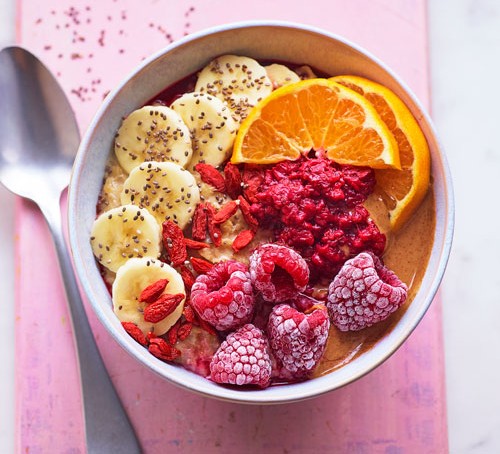
Smoothies are a perfect vehicle for packing in vegetables and superfoods you might not otherwise eat. Crucially: Focus on Greens, not just fruit.
The Power Smoothie Formula (to avoid a sugar rush):
| Component | Example Ingredients | Purpose |
| Liquid Base (1 cup) | Unsweetened almond milk, water, coconut water | Hydration, consistency |
| Greens (1 large handful) | Spinach, kale (you won’t taste it!) | Vitamins, minerals, fiber |
| Protein/Fat (1-2 Tbsp) | Peanut butter, chia seeds, hemp seeds, protein powder | Sustained energy, satiety |
| Fruit (1/2 cup) | Frozen banana (for creaminess), mixed berries | Natural sweetness, antioxidants |
3.2 Chia Seed Pudding: The High-Fiber Delight
Chia seeds absorb up to 12 times their weight in liquid, creating a thick, delicious, tapioca-like pudding. This is an unparalleled source of Omega-3 fatty acids and fiber.
Basic Method: Mix 1/4 cup chia seeds with 1 cup milk (dairy or non-dairy) and a splash of vanilla extract. Let it sit in the fridge overnight.
Flavor Enhancements:
- Cinnamon and sliced apple
- Cacao powder and a dash of sweetener
- Mango and coconut flakes
Section 4: Savory & Low-Carb Breakfast Options
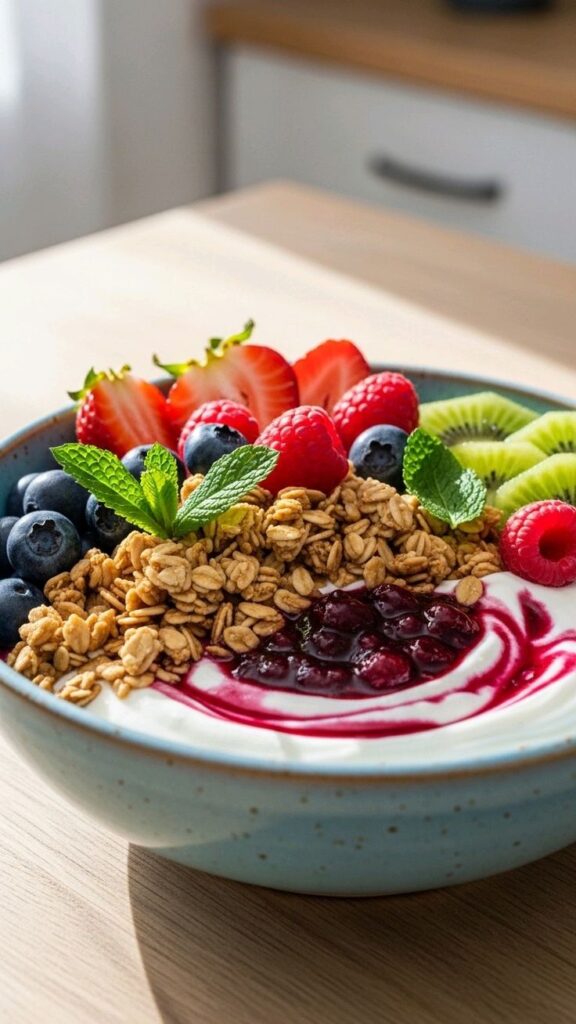

Many people find that savory meals keep them full and focused longer than sweet ones. If you are following a low-carb or ketogenic diet, these protein and fat-forward options are ideal.
4.1 The Everything-Bagel Avocado Toast Upgrade
Avocado toast is good, but it often lacks protein. We must upgrade it to be a complete meal.
The Upgrade Components:
- Bread: Choose 100% whole-wheat, sprouted grain, or low-carb bread.
- Protein: Add a fried egg, a slice of smoked salmon, or sprinkle with hemp seeds.
- Flavor: Everything-bagel seasoning, red pepper flakes, or a squeeze of lemon juice.
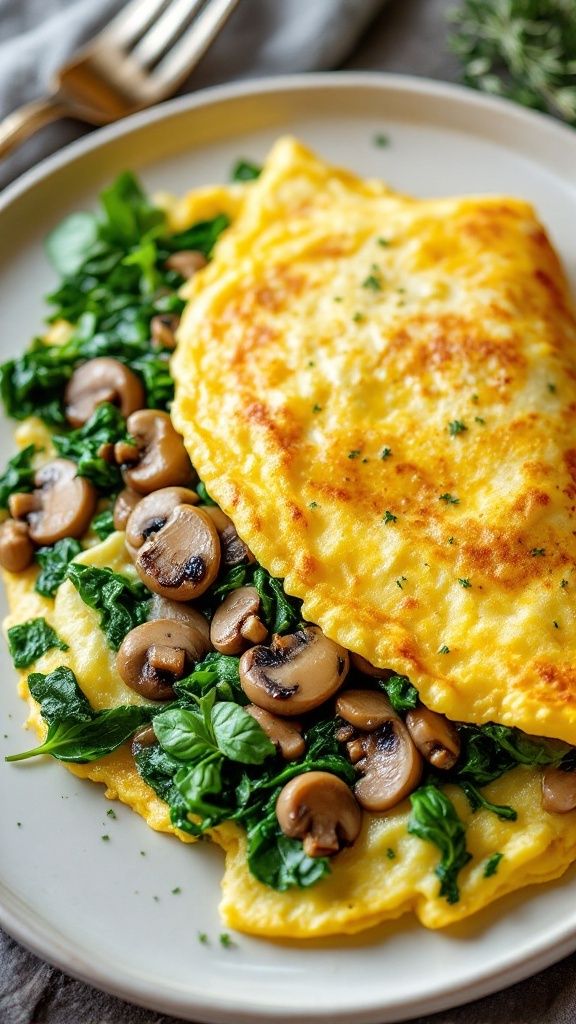
4.2 The Ultimate Veggie Omelet or Scramble
Eggs are the gold standard for breakfast protein, delivering all essential amino acids.
Tips for a Perfect, Filling Scramble:
- Use the Whole Egg: Don’t fear the yolk; it contains the majority of the vitamins (A, D, E, K) and healthy fats.
- Load the Veggies: Sauté onions, bell peppers, and spinach before adding the eggs. This prevents a watery scramble.
- Spice it Up: Use spices like turmeric (great anti-inflammatory benefits) or a pinch of chili powder for an energy kick.
Statistic: A study published in the International Journal of Obesity found that participants who ate an egg-based breakfast consumed significantly fewer calories over the following 36 hours compared to those who ate a bagel-based breakfast of equal calories.
Section 5: The Common Breakfast Traps and How to Avoid Them
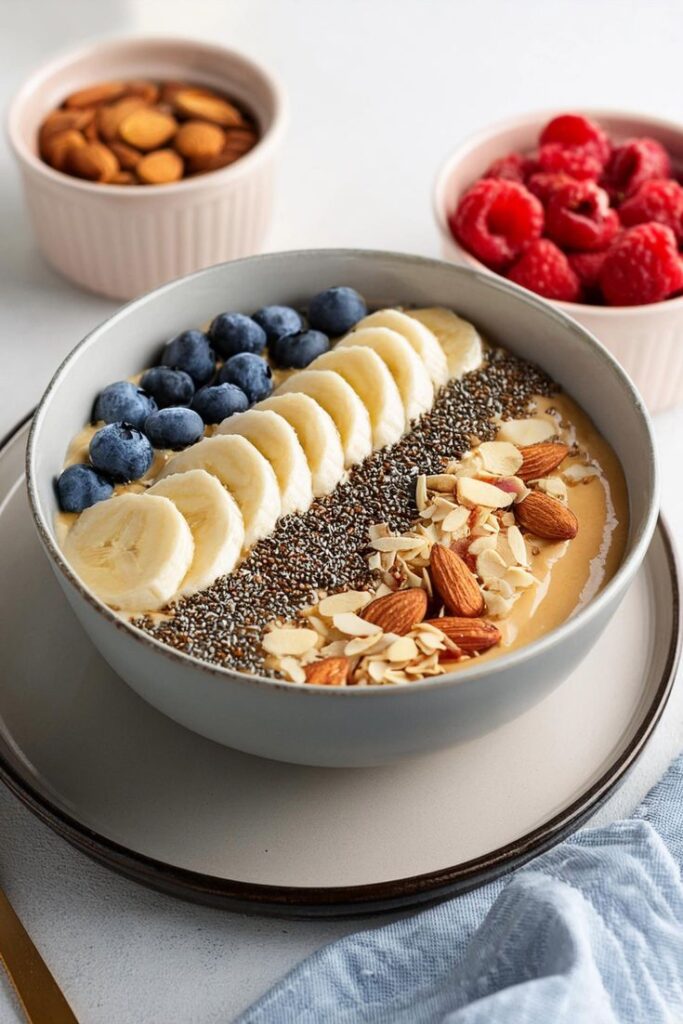
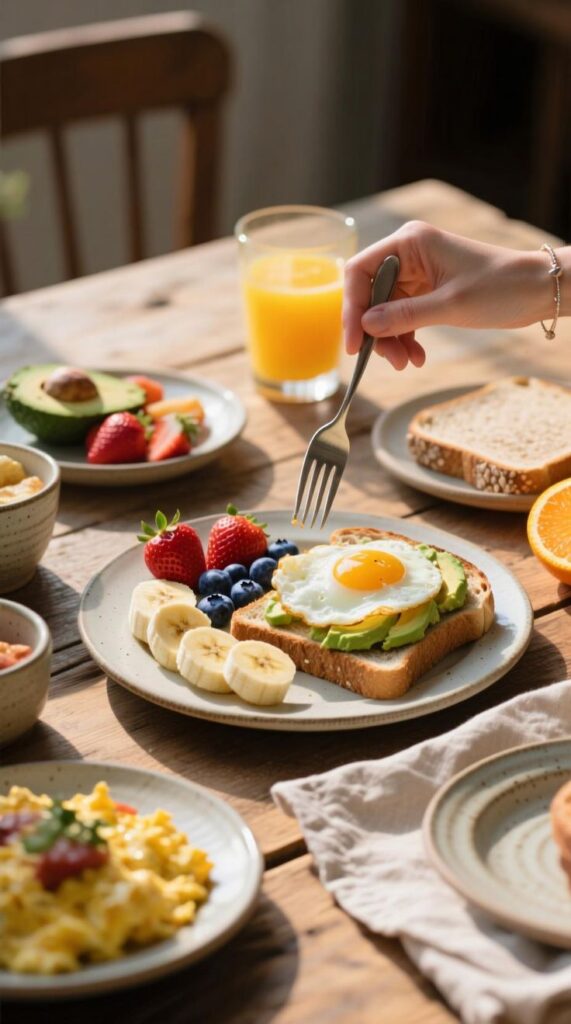
You must learn to recognize the “healthy” imposters—foods cleverly marketed as nutritious but secretly loaded with sugar and refined ingredients.
5.1 The Cereal Aisle Deception
Many popular cereals are essentially dessert in a box. Rule of Thumb: Look for cereals with less than 5 grams of sugar and more than 3 grams of fiber per serving.
| Unhealthy Trap | Healthy Alternative |
| Pre-sweetened, ‘fun’ cereals | Plain rolled oats or shredded wheat |
| Instant oatmeal packets (often full of sugar) | Plain rolled oats you sweeten yourself with fruit |
| Sweetened granola (can be 15g+ sugar per serving) | Plain muesli or a low-sugar granola (less than 6g sugar) |
5.2 The Juice and Muffin Mistake
A large glass of 100% fruit juice is a massive dose of sugar with zero fiber. The fiber has been strained out, meaning your body processes it exactly like a soft drink. A large bakery muffin can contain more calories and sugar than a donut.
- The Fix: Eat the whole fruit (e.g., an apple) instead of drinking the juice. Choose a whole-wheat, homemade quick bread instead of a commercial muffin.
Section 6: Tailoring Your Breakfast to Your Goals
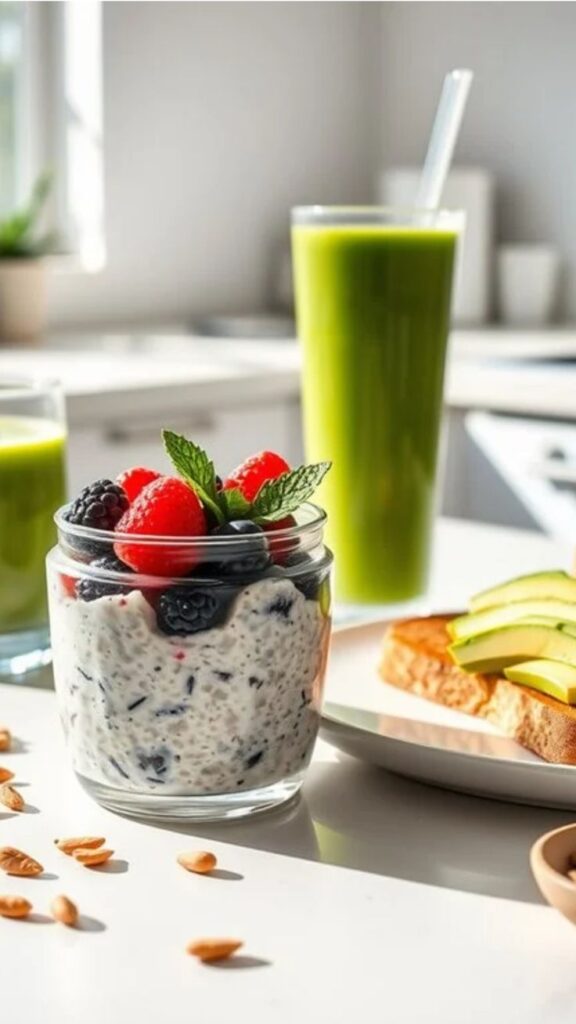
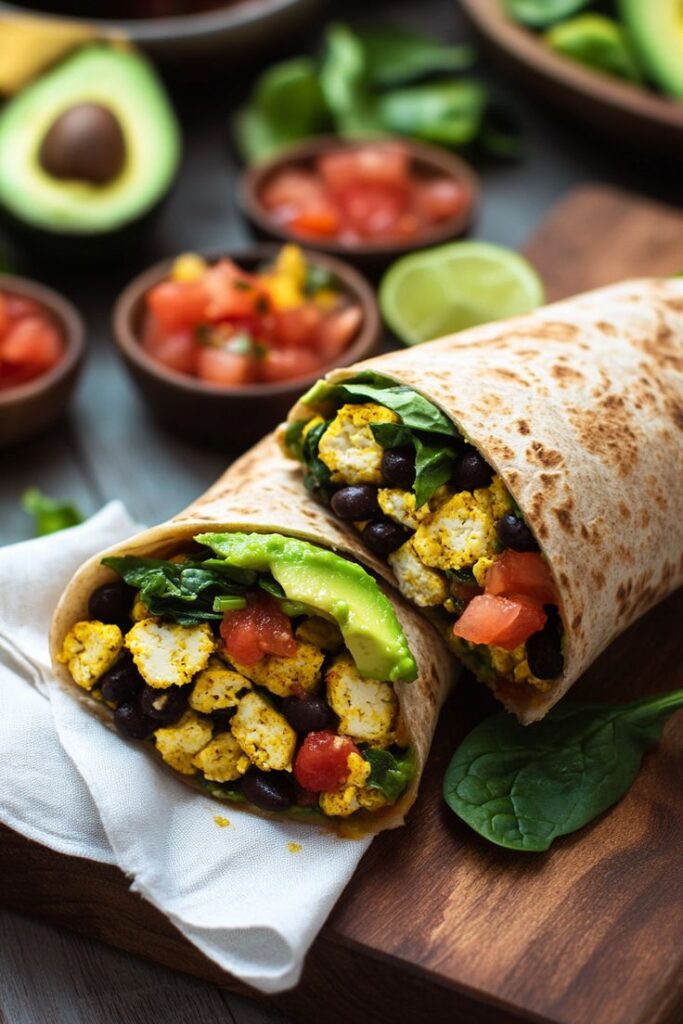
Your breakfast should align with your specific health and lifestyle goals.
6.1 For Weight Loss
The focus here is high protein and high fiber for maximum satiety and minimum calories.
- Strategy: Prioritize egg whites, Greek yogurt, or protein shakes. Use high-volume foods like spinach and berries that fill you up without adding many calories.
- Avoid: Large portions of refined grains, butter, and calorie-dense juices.
6.2 For Muscle Building
You need a significant dose of protein and complex carbohydrates to replenish glycogen stores.
- Strategy: Aim for 30-40 grams of protein. Combine protein powder with a good carb source like oatmeal, whole-wheat toast, or sweet potato hash.
6.3 For Enhanced Focus and Brain Health
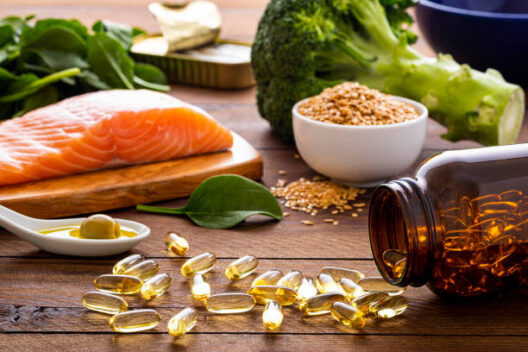
Your brain thrives on Omega-3 fatty acids.
- Strategy: Incorporate foods like flax seeds, chia seeds, walnuts, and wild-caught salmon (smoked salmon on whole-grain toast). The healthy fats will improve cognitive function and mood.
Section 7: The Art of Meal Prepping for Breakfast Success

The secret weapon of successful healthy eaters is prep. Dedicate a small amount of time to simplify your weekday mornings.
7.1 Sunday Prep Power Hour
- Bake: A batch of egg muffins or sweet potato hash.
- Chop: Hard-boil a dozen eggs. Chop vegetables (peppers, onions, spinach) for easy morning omelets or scrambles.
- Portion: Measure out oats, nuts, and seeds into individual jars for five days of overnight oats.
- Wash: Wash and dry all fruit (berries, grapes) and place them in grab-and-go containers.
Conclusion: Transform Your Mornings, Transform Your Life
Breakfast is far more than just “breaking the fast.” It is a daily opportunity—a ritual—that dictates your energy, focus, and nutritional direction. By adopting the principles of high-quality protein, essential fiber, and healthy fats, you can move away from the energy roller coaster of sugary foods.
You now possess a comprehensive blueprint for creating healthy, satisfying, and quick breakfast ideas, whether you are preparing for a 12-hour workday, a rigorous workout, or a morning of focused study. The shift from a hurried, nutrient-poor breakfast to a mindful, balanced one is one of the single most impactful changes you can make to your health.
Start today! Pick just one idea from this guide—the Overnight Oats, the Egg Muffin, or the Power Smoothie—and commit to preparing it for the next five mornings. Take control of your first meal and watch how profoundly it changes the rest of your day. Share your favorite healthy breakfast creations in the comments below!