



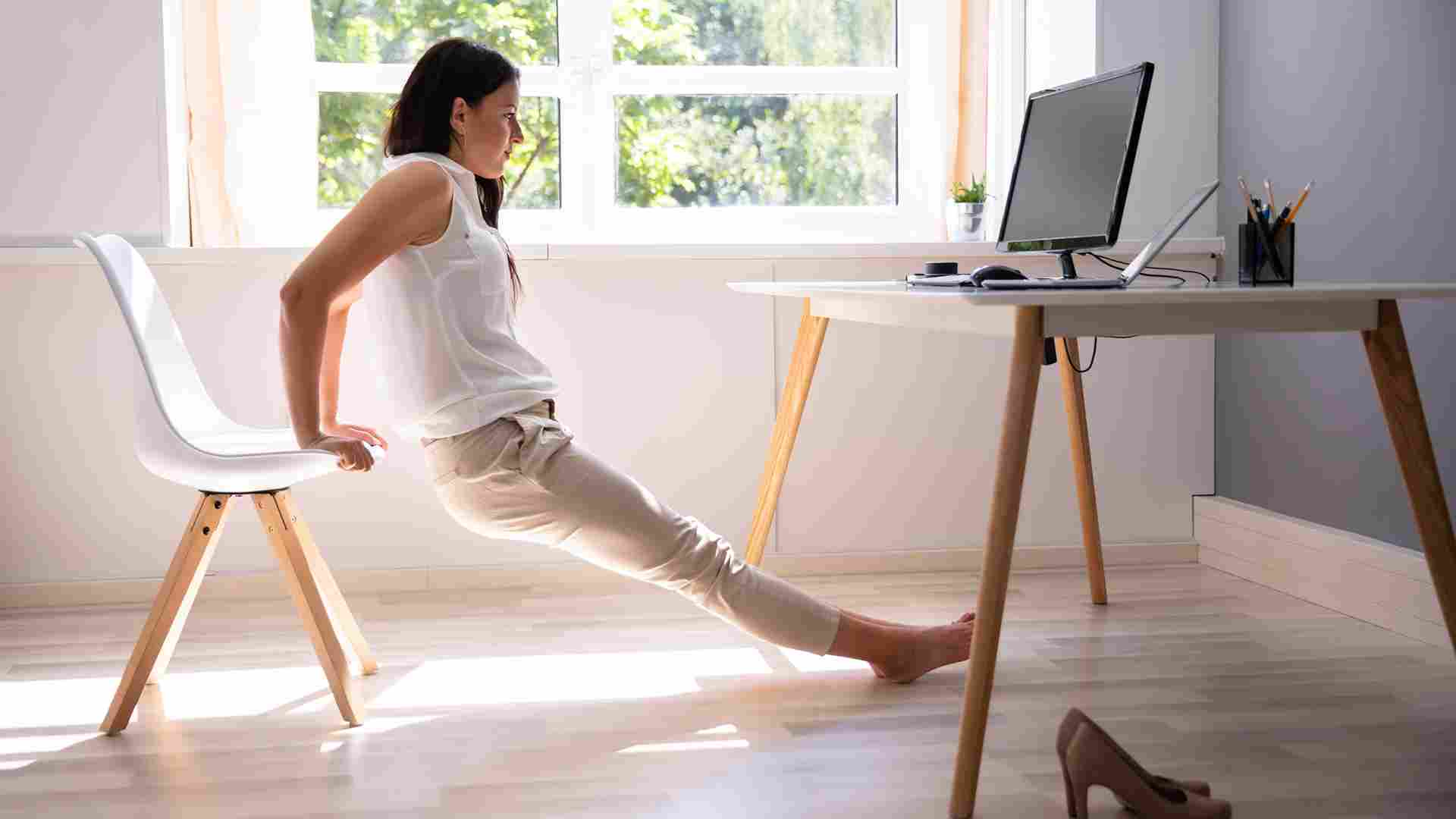

In today’s fast-paced work environment, many office workers find themselves sitting for prolonged periods. This sedentary lifestyle can lead to various health issues, including poor posture and weight gain. Incorporating simple home workouts into your daily routine can dramatically improve your health and overall well-being. You don’t need a gym membership or a lot of time to make a positive change.
By integrating easy exercises throughout your workday, you can combat the negative impacts of sitting. These movements not only enhance physical fitness but also boost mental health and productivity. Taking a few moments to stretch or complete a quick workout can reduce stress, helping you feel more energized and focused at work.
Transforming your home environment into a mini workout space is easier than you think. You can design a personalized routine that fits into your schedule while targeting common issues faced by office workers. From improving posture to reducing tension, small changes can lead to significant benefits.
Key Takeaways
- Regular exercise can help combat the negative effects of a sedentary lifestyle.
- Simple movements throughout the day can boost productivity and reduce stress.
- Creating a tailored workout routine at home promotes better health and well-being.
Understanding Sedentary Behaviors in Office Environments
Sedentary behaviors are common in office settings and can lead to various health issues. Recognizing these behaviors and their impacts is crucial for promoting better health among office workers.
Health Risks Associated with Prolonged Sitting
Sitting for long periods can pose serious health risks. Research shows that prolonged sedentary behavior increases the likelihood of obesity, type 2 diabetes, and cardiovascular disease.
- Obesity: Regular sitting without movement slows metabolism, making it easier to gain weight.
- Diabetes: Sedentary lifestyles can impair insulin sensitivity, leading to higher blood sugar levels.
- Cardiovascular Disease: Lack of movement is linked to higher blood pressure and increased cholesterol levels.
Moreover, studies indicate that sedentary behavior contributes to early mortality. Sitting too much can lead to musculoskeletal disorders as well. Poor posture and weak muscles from inactivity can cause back and neck pain.
The Importance of Regular Physical Activity
Incorporating regular physical activity can greatly improve your health. Engaging in exercise helps combat the negative effects of sitting.
- Boosts Metabolism: Movement increases your metabolic rate, helping to burn calories and manage weight.
- Reduces Health Risks: Regular activity lowers the risk of developing diabetes, heart disease, and other major health problems.
- Improves Mental Health: Physical activity can enhance mood and reduce feelings of anxiety and depression.
Aim for at least 150 minutes of moderate activity each week. Simple changes, like taking short walks or stretching, can make a big difference. Making physical activity a part of your daily routine is vital for countering the impacts of a sedentary lifestyle.
Integrating Simple Exercises into Your Workday
Incorporating movement into your workday is essential for managing a sedentary lifestyle. By integrating simple exercises, you can improve your health and well-being without requiring much time or space.
Desk-Based Stretching and Strengthening
Start with desk stretches to relieve tension in your muscles. Try seated side bends by reaching one arm overhead and leaning to the side. Hold for 15-30 seconds on each side. Another effective move is the desk push-up. Place your hands on the desk, step back, and perform push-ups to strengthen your upper body.
Chair squats are also useful. Stand in front of your chair, lower your body as if sitting, then rise back up. Aim for 10-15 repetitions. Incorporate wrist and neck stretches to alleviate stiffness from typing. Use these exercises throughout your day, especially when you feel fatigue setting in.
Standing and Walking Opportunities
Look for chances to stand while working. If you can, use a standing desk or adjust your work setup to alternate between sitting and standing. This small change helps reduce time spent in a chair.
Consider walking meetings. Instead of sitting at a conference table, take your discussions to a nearby park or hallway. Walking boosts creativity and can make the meeting more engaging.
Incorporate short breaks every hour to stretch or take a brisk walk around your space. Even a few minutes of movement can significantly impact your energy levels. By focusing on these practical strategies, you create a healthier work environment.


Designing an Office Workout Routine
Creating an effective office workout routine can help you counteract the effects of a sedentary lifestyle. Focus on incorporating short workouts that improve cardiovascular health and muscular strength. Also, prioritize flexibility and core stability to enhance overall mobility.
Short-Burst Workouts for Cardiovascular and Muscular Health
Short-burst workouts are ideal for busy office workers. These exercises can be done in brief sessions throughout the day. Aim for 5-10 minutes of activity every hour to stay active.
Consider exercises like:
- Desk Push-ups: Place your hands on your desk and push your body away to strengthen your upper body.
- Chair Squats: Stand and lower yourself into a seated position without actually sitting. This improves leg muscles.
Using intervals, try doing these exercises for 30 seconds, followed by a 30-second rest. This approach maintains your heart rate and helps build muscle without taking up too much time.
Building a Balanced Routine for Flexibility and Core Strength
Flexibility and core strength are vital for good posture and balance. A balanced routine should include stretches and core exercises you can do at your desk.
Incorporate these stretches:
- Seated Torso Twist: While seated, twist your upper body to each side for improved spine flexibility.
- Wrist and Finger Stretches: Stretch your wrists and fingers regularly to ease tension.
For core stability, try the following:
- Desk Plank: Place your forearms on your desk and hold your body straight for 20-30 seconds.
- Seated Leg Raises: While seated, extend one leg and hold for a few seconds, then switch.
Aim to do these exercises in 5-10 minute sessions to promote mobility and strengthen your core muscles.


Targeted Exercises for Common Office Worker Ailments
To reduce discomfort from common issues faced by office workers, specific exercises can help. These exercises focus on improving mobility, enhancing circulation, and easing pain associated with poor posture and repetitive movements.
Combating Lower Back and Neck Pain
One common issue you may face is lower back and neck pain, often caused by prolonged sitting and poor posture. Here are a few exercises to help:
- Seated Spinal Twist: While sitting, place your left hand on the back of your chair. Twist to the left, holding for 15 seconds. Repeat on the other side. This improves mobility and eases tension.
- Child’s Pose: Kneel and sit back on your heels. Reach forward with your arms on the floor. Hold for 30 seconds. This stretch helps lengthen the spine and relieve tightness in the lower back.
- Neck Stretch: Gently tilt your head to one side, bringing your ear towards your shoulder. Hold for 15 seconds and switch sides. This can alleviate discomfort from staring at a computer screen.
These exercises promote better posture, which can reduce musculoskeletal problems over time.
Alleviating Repetitive Strain Injuries
Repetitive strain injuries, like carpal tunnel syndrome, can also affect you if you spend long hours typing. To help reduce these risks, try:
- Wrist Flexor Stretch: Extend one arm in front, palm up. Use your other hand to pull back on your fingers. Hold for 15 seconds on each side. This stretch targets wrist and forearm muscles.
- Finger Extensions: With your hands flat on the table, lift each finger individually, then release. Repeat 10 times. This can strengthen the muscles in your hands and reduce stiffness.
- Shoulder Rolls: Roll your shoulders forward and backward 10 times each. This exercise relieves tension in the shoulders and neck.
Incorporating these movements into your daily routine can promote better circulation and maintain your mobility.
Mental and Emotional Benefits of Exercise at Work
Regular exercise offers critical mental and emotional advantages for office workers. When you incorporate physical activity into your routine, you can enhance cognitive performance and improve your mental health, ultimately leading to greater job satisfaction.
Boosting Cognitive Function and Mental Well-Being
Physical activity increases blood flow to the brain, which can enhance cognitive function. This boost helps improve your focus, memory, and ability to learn new information.
Exercising regularly can also lead to a more positive mood. When you work out, your body releases endorphins, which are known as “feel-good” hormones. This can reduce feelings of anxiety and depression, making it easier for you to handle daily challenges in the workplace.
Studies indicate that even short bouts of exercise can lead to noticeable improvements in mental clarity and productivity. Incorporating brief workouts into your day can make it easier for you to stay engaged with your tasks.
Exercise as a Tool for Managing Stress and Anxiety
Engaging in physical activity is a proven strategy for managing stress. When you exercise, your body activates a relaxation response, helping to lower levels of stress hormones such as cortisol.
This reduction in stress can foster a sense of control, making it more manageable to navigate work-related pressures. Exercise also creates an opportunity for you to shift your focus away from daily concerns, providing a mental break.
In the long run, maintaining a regular workout routine can help boost your mental resilience. By balancing your work and physical activities, you’ll likely notice an overall improvement in your emotional well-being and job satisfaction.
Frequently Asked Questions
You may have questions about how to stay active while working at a desk. Here are some answers to common concerns about quick workouts, equipment, stretches, and strategies to keep moving throughout your workday.
What are effective 10-minute workouts that can be done at an office desk?
You can do simple exercises like seated leg raises, desk push-ups, and chair squats. These activities help get your blood flowing without needing much space. A few minutes of these workouts can energize you and improve focus.
Which desk exercise equipment is recommended for office workers to stay active?
Consider using a resistance band or a small set of weights. A stability ball can also replace your chair for core strength. These tools can fit easily under your desk and provide quick options to add movement during your day.
What are the best stretching routines for office workers to alleviate sedentary strain?
Focus on stretches that target your neck, shoulders, and back. Simple exercises like neck rolls, shoulder shrugs, and torso twists can relieve tension. Spending just a few minutes on these stretches can help improve your mobility.
How can I incorporate a 5-minute workout routine into my busy office schedule?
Set a timer for every hour or two during your workday. Use that time for quick workouts, like walking in place or performing desk exercises. This approach can break up long periods of sitting and keep your energy levels up.
What exercises can I perform discreetly at my desk to maintain fitness?
Some discreet exercises include seated marches, calf raises, and ankle rolls. You can also do wrist and finger stretches while typing. These movements can help you stay active without drawing attention.
What strategies can help office workers avoid a sedentary lifestyle throughout the workday?
Try to take short breaks every 30 minutes. Stand up, stretch, or walk a few steps. You might also consider standing or walking meetings to keep your body moving while discussing work. These habits contribute to better health and productivity.