



Life’s a whirlwind, isn’t it? Between work, family, social commitments, and that ever-growing laundry pile, finding an hour (or even 30 minutes!) to dedicate to a serious gym session can feel like trying to catch a unicorn. We’ve all been there, staring at our sneakers, wanting to get fit but just… not having the time. But what if I told you that you can squeeze in incredibly effective workouts, boost your energy, and torch some serious calories without needing hours, expensive equipment, or even leaving your living room? Yep, it’s totally possible, and it’s called a HIIT workout.
Forget the intimidating images of elite athletes grunting through insane circuits. We’re talking about a super fun, casual HIIT workout plan that fits perfectly into your real life. This isn’t about being a fitness fanatic; it’s about being smart with your time and making movement a joyful, energizing part of your day. We’re here to banish the “no time” excuse and show you how to unlock a fitter, more vibrant you, one short, intense burst at a time. Get ready to rethink how you approach exercise – because getting in shape has never been this accessible, or this much fun!
Understanding the Magic of HIIT (Even When You’re Busy)
Let’s demystify HIIT. The acronym stands for High-Intensity Interval Training. Sounds fancy, right? But in practice, it’s delightfully simple: you push yourself hard for short bursts, then you take a brief rest or active recovery period, and you repeat. That’s it! Think of it like a sprint followed by a walk, repeated several times.
Why is this so magical, especially for those of us juggling a million things? Because it’s incredibly time-efficient. A typical HIIT session can range from a mere 10 minutes to a more robust 25-30 minutes, including warm-up and cool-down. Compare that to an hour-long traditional cardio session, and you immediately see the appeal. You get maximum bang for your buck in minimum time.
The real power of a HIIT workout lies in what happens after you finish sweating. This is where the famous “afterburn effect,” or EPOC (Excess Post-exercise Oxygen Consumption), comes into play. Because you’ve pushed your body to work anaerobically during those high-intensity intervals, your body needs more oxygen to return to its resting state afterward. This means your metabolism stays elevated, and you continue to burn calories at a higher rate for hours post-workout – even while you’re showering, working, or relaxing! This makes it a fantastic tool for fat burning and improving cardiovascular fitness, even with short bursts of activity.
And here’s the best part for our casual approach: you don’t need to be an Olympic athlete to do it. “High-intensity” is relative to your fitness level. For some, a high-intensity interval might be sprinting; for others, it might be vigorously marching in place or doing fast bodyweight squats. The goal is to reach about 70-90% of your maximum effort during the work periods, making it challenging but sustainable. It’s about giving it your all for a short period, then recovering, and doing it again. This makes a casual HIIT workout accessible for almost everyone, regardless of their current fitness journey. It’s about working smarter, not necessarily harder or longer.
Getting Started: Your Pre-Workout Checklist (No Gym Required!)

Alright, convinced that casual HIIT is your new best friend? Fantastic! Before you dive into your first super fun session, let’s go through a quick, no-fuss checklist. The beauty of this approach is how little you actually need.
First up: Mindset. This is crucial. Ditch the pressure, the judgment, and the idea that you need to be perfect. This is about progress, not perfection. Some days you’ll feel like a superhero, others you might feel a bit sluggish. Both are okay! The goal is to show up for yourself, even for just 10 minutes. Embrace the “casual” part – it means less stress and more enjoyment. Don’t compare yourself to others; this is your journey.
Next, let’s talk Gear. The good news? You hardly need any!
- Comfy Clothes: This isn’t a fashion show. Grab your favorite sweats, shorts, t-shirt, or leggings. Anything that allows you to move freely without restriction is perfect.
- Supportive Shoes (Optional but Recommended): While many bodyweight HIIT exercises can be done barefoot, a good pair of athletic shoes can provide cushioning and stability, especially if you have sensitive joints or are doing any jumping movements.
- Water Bottle: Hydration is key! Keep a bottle of water nearby. You’ll be sweating, even in short bursts.
- Workout Mat (Optional): If you have hard floors or want extra cushioning for floor exercises like planks or mountain climbers, a yoga or fitness mat can be a nice addition. But a towel works just fine too!
- Timer: Your phone, a kitchen timer, or even a basic watch can serve this purpose. Many free interval timer apps are available that allow you to customize your work and rest periods.
Then, there’s your Space. You don’t need a huge area. A small patch of clear floor in your living room, bedroom, or even kitchen is often enough. Make sure you have enough room to extend your arms and legs without bumping into furniture. Move that coffee table if you need to! Safety first.
Finally, and this is non-negotiable, a Warm-Up. Don’t skip this, even if you’re crunched for time. A quick 3-5 minute warm-up prepares your body for movement, increases blood flow to your muscles, and significantly reduces the risk of injury. It doesn’t have to be complicated:
- Light cardio: Marching in place, arm circles, leg swings, gentle jumping jacks.
- Dynamic stretches: Torso twists, cat-cow, knee circles.
The aim is to get your blood pumping and your joints moving fluidly. Think of it as gently waking your body up before asking it to party. A proper warm-up will make your workout feel better and be more effective.
Crafting Your Super Fun Casual HIIT Workout: The Core Principles
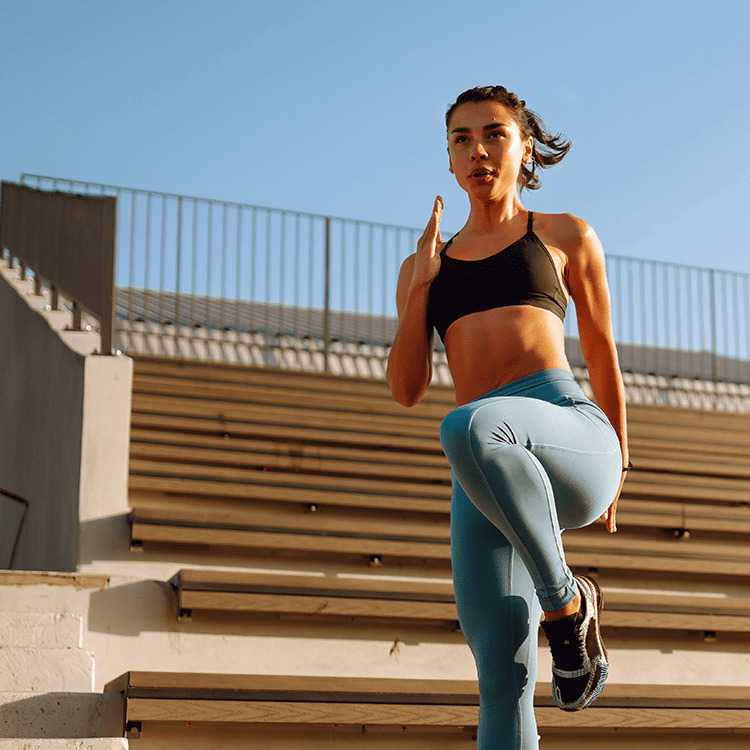
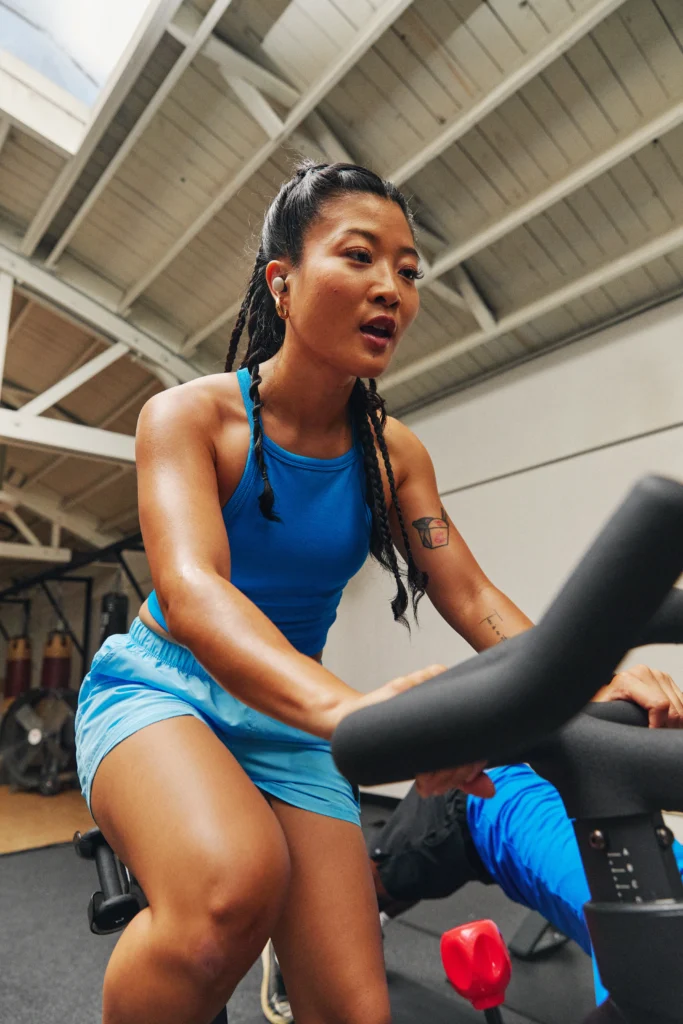
Now for the exciting part: designing your own go-to, energy-boosting casual HIIT workout! It’s simpler than you think, and the beauty is that you can totally customize it to your mood and energy levels.
The fundamental building block of any HIIT workout is the interval structure. This defines how long you work and how long you rest. The most common and beginner-friendly ratios are:
- Work:Rest 1:1 (e.g., 30 seconds work, 30 seconds rest): This is fantastic for beginners or days when you want a slightly gentler approach. It allows for good recovery between efforts.
- Work:Rest 2:1 (e.g., 40 seconds work, 20 seconds rest): A step up in intensity, challenging your endurance more.
- Work:Rest 1:2 (e.g., 20 seconds work, 40 seconds rest): Sometimes used for very high-intensity bursts, allowing for more recovery.
For a casual HIIT plan, stick to the 1:1 or 2:1 ratios. The goal is to push hard during the “work” phase, aiming for an intensity where you can only speak in short sentences, and then use the “rest” phase to actively recover (light marching, walking) or completely rest before the next burst.
Next up is exercise selection. This is where “no gym required” really shines. Bodyweight basics are your absolute best friends. They’re effective, safe, and can be easily modified. Focus on compound movements that engage multiple muscle groups for maximum efficiency. Great choices include:
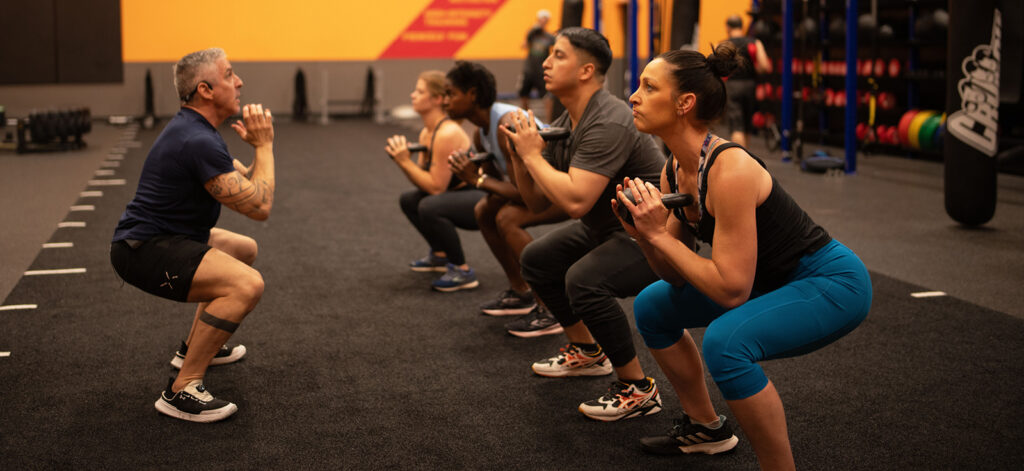
- Squats: Bodyweight squats, sumo squats, squat jumps (advanced).
- Lunges: Forward lunges, reverse lunges, walking lunges.
- Push-ups: On knees, on toes, incline push-ups against a wall or counter.
- Planks: Standard plank, forearm plank, side plank.
- Burpees: Modified (step-back) or full burpees (advanced).
- Jumping Jacks: Or step jacks for lower impact.
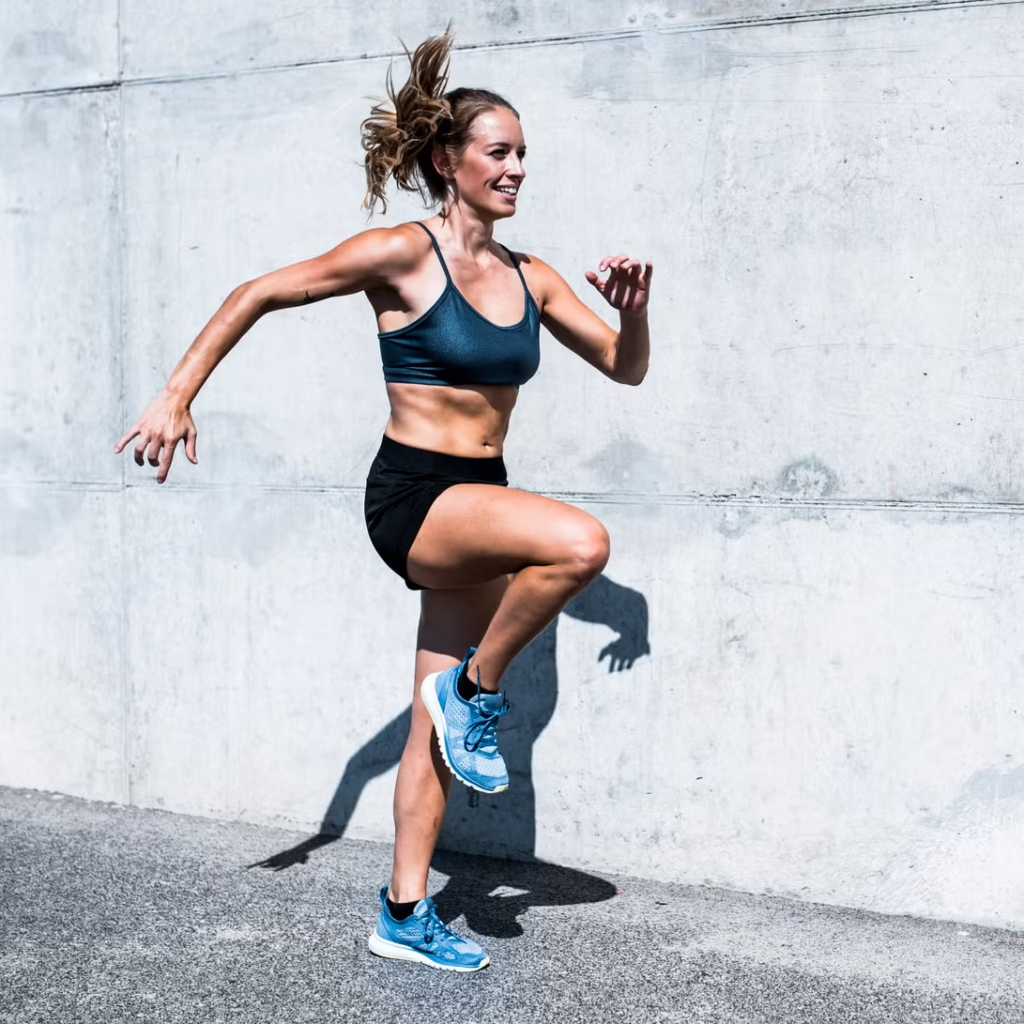
- High Knees/Butt Kicks: Great for cardio bursts.
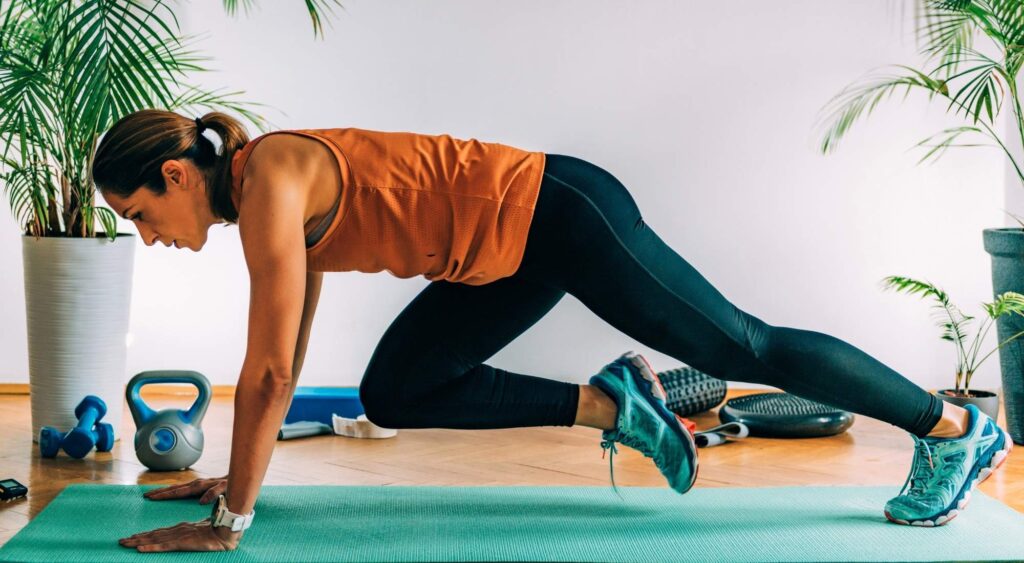
- Mountain Climbers: Engaging core and cardio.
- Glute Bridges: Excellent for glutes and core.
- Tricep Dips: Using a chair or bench.
The key is modifications. This is what makes “casual” truly work for everyone. If an exercise feels too hard, modify it! Can’t do a full push-up? Do it on your knees or against a wall. Can’t jump? Step it out! If an exercise feels too easy, increase the intensity or add a jump. Listen to your body and adjust accordingly. There’s no shame in modifying; it’s smart training.
Finally, think about progression. To keep things fresh and challenging, you’ll want to gradually increase your fitness over time. This doesn’t mean you need to add weights or complex moves right away. Simple ways to progress your casual HIIT workouts include:
- Increasing work time or decreasing rest time: Move from 30s work/30s rest to 40s work/20s rest.
- Adding more rounds: If you typically do 3 rounds, try 4.
- Switching up exercises: Introduce new bodyweight moves to challenge different muscles.
- Increasing intensity: Push yourself a little harder during the work intervals.
- Adding impact (if appropriate): If you’ve been doing step jacks, try light jumping jacks. If you’ve been doing squats, try squat jumps.
The goal is to keep it engaging and ensure your body continues to adapt and get stronger.
Sample Casual HIIT Workouts: Mix & Match for Maximum Fun

Let’s put these principles into action with some ready-to-go casual HIIT workout plans. Remember, these are just starting points. Feel free to swap exercises, change timings, and adjust to your personal vibe! Always do a 3-5 minute warm-up before, and a 3-5 minute cool-down/stretch after.
Workout 1: The Quick Burst (10-15 minutes)
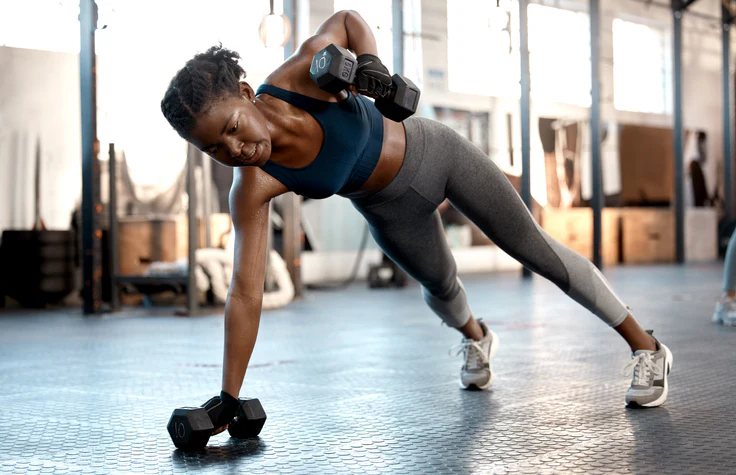
Perfect for those “I literally have five minutes” days. This one focuses on getting your heart rate up quickly and efficiently.
Structure: 30 seconds work, 30 seconds active rest (light marching in place). Complete all 4 exercises as a circuit, then repeat the entire circuit 2-3 times.
Exercises:
- Jumping Jacks (or Step Jacks): Get those arms and legs moving!
- Bodyweight Squats: Feet shoulder-width apart, chest up, sit back as if into a chair.
- High Knees (or Marching High Knees): Drive your knees towards your chest.
- Plank: Hold a straight line from head to heels, engaging your core. Modify on knees if needed.
Example Flow:
- Warm-up (3-5 mins)
- Jumping Jacks (30s) -> Active Rest (30s)
- Bodyweight Squats (30s) -> Active Rest (30s)
- High Knees (30s) -> Active Rest (30s)
- Plank (30s) -> Active Rest (30s)
- Repeat circuit 2-3 times.
- Cool-down & stretch (3-5 mins)
Workout 2: The Energy Booster (15-20 minutes)

When you have a little more time and want to feel a full-body zing! This one incorporates more compound movements.
Structure: 40 seconds work, 20 seconds active rest. Complete all 5 exercises as a circuit, then repeat the entire circuit 3-4 times.
Exercises:
- Reverse Lunges (alternating legs): Step back with one leg, lower hips until both knees are at 90 degrees. Alternate.
- Push-ups (on knees or toes): Keep a straight line, lower chest towards the floor.
- Mountain Climbers: Start in a plank, drive knees towards chest alternately.
- Glute Bridges: Lie on your back, knees bent, feet flat. Lift hips off the floor, squeeze glutes.
- Burpee (Modified): Squat, place hands on floor, step feet back to plank, step feet forward, stand up. (Optional jump at the end for full burpee).
Example Flow:
- Warm-up (3-5 mins)
- Reverse Lunges (40s) -> Active Rest (20s)
- Push-ups (40s) -> Active Rest (20s)
- Mountain Climbers (40s) -> Active Rest (20s)
- Glute Bridges (40s) -> Active Rest (20s)
- Burpee (Modified) (40s) -> Active Rest (20s)
- Repeat circuit 3-4 times.
- Cool-down & stretch (3-5 mins)
Workout 3: The Full-Body Blitz (20-25 minutes)
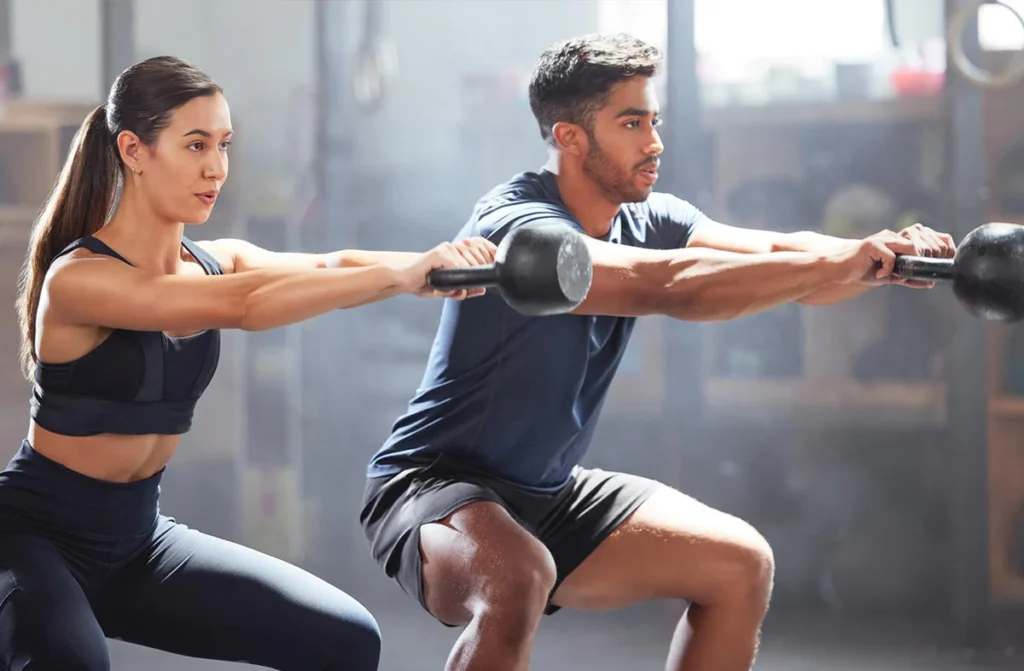
Ready to really challenge yourself? This workout mixes it up with slightly longer work periods and a variety of moves to hit different muscle groups.
Structure: 45 seconds work, 15 seconds active rest. Complete all 6 exercises as a circuit, then repeat the entire circuit 3-4 times.
Exercises:
- Squat Jumps (or fast Bodyweight Squats): Explosively jump from a squat position.
- Tricep Dips (using a chair/step): Sit on the edge of a sturdy chair, hands beside hips. Slide off, lower body by bending elbows.
- Russian Twists (seated): Sit with knees bent, feet off floor (optional). Twist torso side to side.
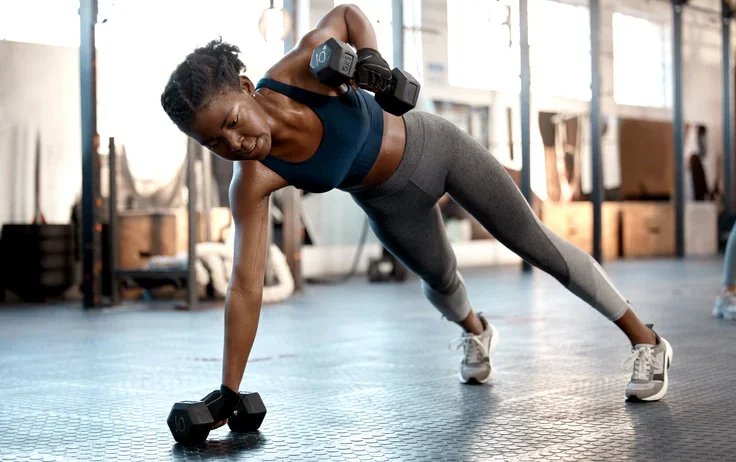
- Commando Planks: Start in forearm plank, push up to hand plank one arm at a time, then back down.
- Alternating Side Lunges: Step out to the side, keeping one leg straight, and sit back into the hip of the bent leg.
- Sprawls (Half Burpee without the jump): Squat, hands down, kick feet back to plank, bring feet forward, stand up.
Example Flow:
- Warm-up (3-5 mins)
- Squat Jumps (45s) -> Active Rest (15s)
- Tricep Dips (45s) -> Active Rest (15s)
- Russian Twists (45s) -> Active Rest (15s)
- Commando Planks (45s) -> Active Rest (15s)
- Alternating Side Lunges (45s) -> Active Rest (15s)
- Sprawls (45s) -> Active Rest (15s)
- Repeat circuit 3-4 times.
- Cool-down & stretch (3-5 mins)
Feel free to mix and match exercises from these lists, or substitute with your favorites! The goal is to keep it fun and effective. Your super fun casual HIIT workout is meant to fit your life, not the other way around.
Beyond the Sweat: Maximizing Your Casual HIIT Experience
Congratulations, you’ve mastered the art of the casual HIIT workout! But getting the most out of your fitness journey involves a little more than just the sweat itself. Here’s how to truly maximize your experience and turn those quick bursts into sustainable, long-term well-being.
First off, let’s talk about the cool-down and stretching. Just as the warm-up is crucial, so is the cool-down. After those intense intervals, your body needs to gradually return to its resting state. A 3-5 minute cool-down helps bring your heart rate down and allows your muscles to begin their recovery process. This can be as simple as walking in place, light marching, or gentle arm and leg swings. Follow this with some static stretches – holding each stretch for 20-30 seconds. Focus on the major muscle groups you just worked (legs, glutes, chest, back, core). Stretching helps improve flexibility, reduce muscle soreness, and promotes better range of motion. Don’t skip it; your body will thank you!
Next up: nutrition. You’re fueling a powerful engine, even with short bursts of activity. While you don’t need to count every calorie for a casual approach, making mindful food choices will amplify your results. Focus on whole, unprocessed foods: lean proteins (chicken, fish, beans, lentils), complex carbohydrates (oats, brown rice, sweet potatoes), plenty of fruits and vegetables, and healthy fats (avocado, nuts, seeds). A small snack with protein and carbs about an hour after your workout can aid muscle repair and replenish energy stores. Think a banana with a spoonful of peanut butter, or Greek yogurt with berries. Hydration also extends beyond your workout – sip water throughout the day.
Perhaps the most important secret sauce is consistency over intensity. It’s far better to do a 10-15 minute casual HIIT workout 3-4 times a week consistently than to attempt an epic 60-minute session once a month. Regular, shorter bursts add up quickly and create lasting habits. Don’t beat yourself up if you miss a day; just pick up where you left off. The “casual” aspect means less pressure and more likelihood of sticking with it. Aim for 3-5 sessions per week, allowing for rest days.
Speaking of which, listen to your body – rest days are heroes! HIIT is demanding, and your muscles need time to repair and rebuild. Incorporate 1-2 full rest days or active recovery days (gentle walks, stretching, yoga) into your week. Pushing through constant fatigue can lead to burnout, injury, and diminish results. If you feel excessively sore, tired, or just “off,” take a break. It’s not lazy; it’s smart training.
Finally, think about tracking your progress in simple, non-overwhelming ways. This isn’t about rigid spreadsheets, but recognizing how far you’ve come. Maybe you started with modified push-ups and now you’re doing them on your toes. Maybe you can do an extra round of your circuit, or your recovery time feels shorter. Notice how your clothes fit, how your energy levels feel, and how your mood improves. These small victories are powerful motivators. Keep a simple journal or just make mental notes. Making fitness a habit means celebrating these small, consistent steps.
By incorporating these simple practices, your super fun casual HIIT workouts will not only transform your physical fitness but also become a powerful tool for boosting your energy, mood, and overall well-being.
Conclusion
So there you have it – the ultimate guide to making fitness work for you, even when your schedule is packed tighter than a sardine can. The “no time, no problem” mantra isn’t just a catchy phrase; it’s the core philosophy behind your super fun casual HIIT workout plan. You’ve discovered how High-Intensity Interval Training, in its most accessible form, can deliver incredible results in mere minutes, leveraging the power of the afterburn effect to keep your metabolism buzzing long after you’ve cooled down.
We’ve debunked the myths, shown you how minimal equipment you actually need, and laid out a clear path from warm-up to cool-down. With sample workouts designed for every energy level and time constraint, you now have the tools to pick and choose, modify, and customize your fitness journey. Remember, “high-intensity” is personal, and “casual” means ditching the pressure and embracing the joy of movement.
This isn’t about chasing perfection; it’s about embracing consistency, listening to your body, fueling it wisely, and celebrating every small victory. You’re not just doing a workout; you’re investing in your energy, your mood, and your long-term health. The power to transform your fitness routine is literally at your fingertips, right in your own home, without a single minute of wasted time.
Ready to reclaim your fitness, one exhilarating burst at a time? There’s no better moment than now to start. Pick one of the sample workouts, set your timer, and give yourself the gift of movement. Your body (and your busy schedule!) will thank you.
Frequently Asked Questions
What is a “casual” HIIT workout exactly?
A “casual” HIIT workout is a High-Intensity Interval Training session designed to be approachable, time-efficient, and adaptable to various fitness levels and busy schedules. It emphasizes using bodyweight exercises, easy modifications, and shorter durations (10-25 minutes) to make fitness accessible without the need for a gym or extensive equipment, while still delivering the benefits of traditional HIIT.
How often should I do casual HIIT workouts?
For best results and to allow for adequate recovery, aim for 3-5 casual HIIT sessions per week. This allows your muscles time to repair and rebuild, which is crucial for strength and endurance gains, and helps prevent burnout or injury. Listen to your body and include rest days or active recovery days (like light walking or stretching) as needed.
Do I need any special equipment for casual HIIT?
Absolutely not! The beauty of casual HIIT, especially for beginners or those short on time, is that it relies almost entirely on bodyweight exercises. All you truly need is comfortable clothing, a clear space to move, and a timer (your phone works perfectly!). A yoga mat for comfort and supportive shoes for impact exercises are optional but can be nice additions.
How long should my work and rest intervals be?
Common and effective interval ratios for casual HIIT are 1:1 (e.g., 30 seconds work, 30 seconds rest) or 2:1 (e.g., 40 seconds work, 20 seconds rest). Beginners might start with longer rest periods, while those looking for more challenge can decrease rest time or increase work time. The key is to find a ratio that allows you to push hard during the work interval but recover sufficiently during the rest.
What if I can’t do an exercise like a full push-up or burpee?
Modifications are your best friend in casual HIIT! If an exercise feels too difficult, simply modify it. For example, do push-ups on your knees or against a wall, perform step-back burpees instead of jumping, or do step jacks instead of jumping jacks. The goal is to challenge yourself relative to your current fitness level, not to match someone else’s.
Will short HIIT workouts really help me lose weight or get fit?
Yes, absolutely! Despite their short duration, HIIT workouts are incredibly effective for improving cardiovascular fitness, building strength, and burning calories, leading to fat loss. The “afterburn effect” (EPOC) means your body continues to burn calories at an elevated rate for hours after your workout. Consistency with these short, intense bursts can yield significant results over time.
Do I need to warm up and cool down for these short workouts?
Yes, warming up and cooling down are essential, even for short HIIT sessions. A 3-5 minute warm-up prepares your muscles and joints for activity, reducing injury risk. A 3-5 minute cool-down helps bring your heart rate down safely and includes static stretching to improve flexibility and aid in muscle recovery, minimizing soreness. Never skip these crucial steps!