



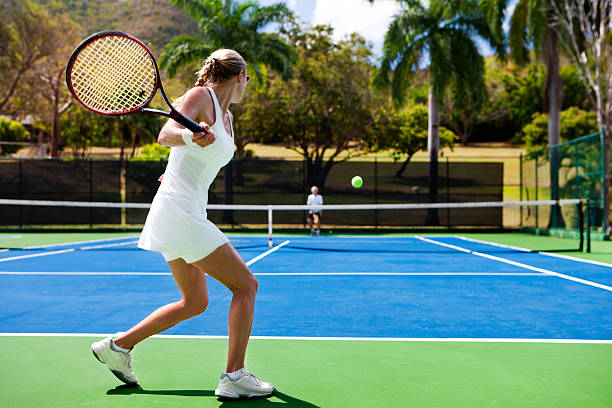


The thrill of tennis is unlike any other sport. The rapid exchanges, the strategic plays, the sheer athleticism – it all culminates in moments of pure exhilaration. But behind every electrifying point and every hard-fought victory lies a secret weapon: meticulous tennis match preparation. This isn’t just about showing up with your racket; it’s a holistic, multi-faceted approach that primes your body and mind to perform at their absolute best. Whether you’re a seasoned competitor or an enthusiastic club player, mastering the art of preparation is your ultimate key to unlocking peak performance and truly dominating the court. Get ready to elevate your game!
The Unseen Battle: Mastering Mental Preparation
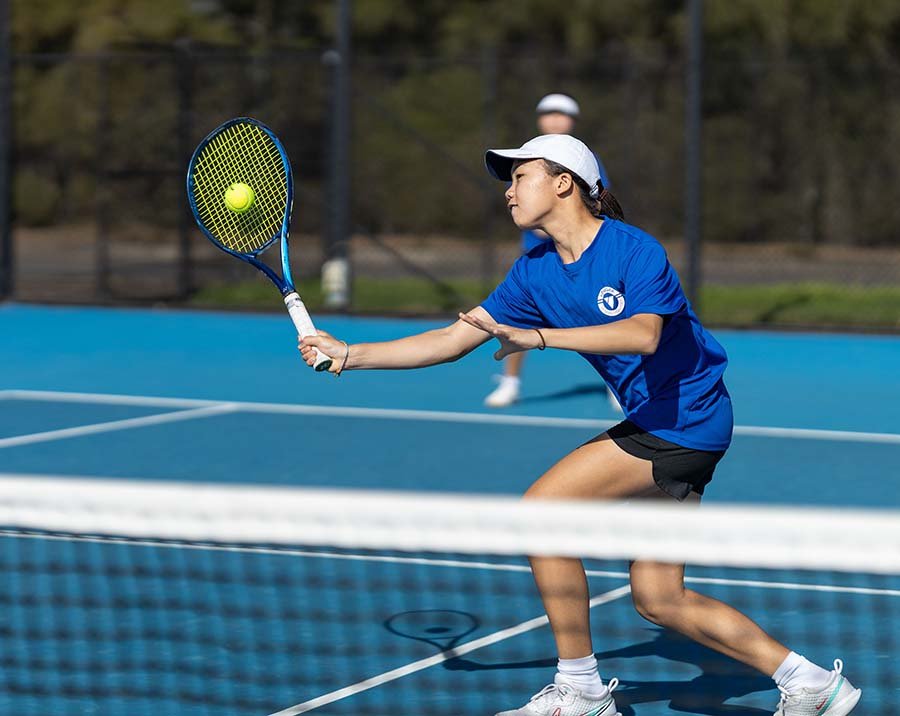
Before you even step onto the court, the real match begins in your mind. Mental toughness is arguably as crucial as your forehand or serve. A player who is mentally prepared can overcome adversity, maintain focus under pressure, and execute their strategy effectively, even when the chips are down. Ignoring this aspect is like trying to drive a high-performance car with a shaky steering wheel.
Cultivating a Winning Mindset
Your mindset sets the tone for your entire match. It’s about confidence, resilience, and unwavering belief in your abilities.
- Positive Self-Talk: Challenge negative thoughts immediately. Replace “I can’t do this” with “I’ve trained for this, and I can do it.” Your internal dialogue dictates your performance.
- Visualization: Close your eyes and vividly imagine successful scenarios. See yourself hitting perfect shots, executing winning strategies, and handling tough moments with grace. World-class athletes consistently use visualization to program their minds for success.
- Process-Oriented Focus: Instead of obsessing over the outcome (winning or losing), focus on the process – executing your technique, maintaining court positioning, and sticking to your game plan. This helps manage anxiety and keeps you in the present moment.
- Emotional Regulation: Tennis is an emotional rollercoaster. Learn to recognize when frustration or anger is bubbling up. Implement calming techniques like deep breathing or a quick, positive mantra to regain composure. Roger Federer, renowned for his composure, often speaks about staying calm under pressure.
Pre-Match Mental Routine
Developing a consistent pre-match mental routine helps signal to your brain that it’s time to focus.
- Review Your Game Plan: Briefly go over your strategy for your opponent. This reinforces your plan and builds confidence.
- Deep Breathing Exercises: Just before stepping on court, take several slow, deep breaths. Inhale through your nose, hold, and exhale slowly through your mouth. This calms your nervous system and sharpens your focus.
- Listen to Calming Music: Many players find that a specific playlist can help them get into the right headspace – either to energize or to relax.
- Positive Affirmations: Repeat short, powerful statements to yourself: “I am strong,” “I am focused,” “I am ready.”
Fueling Your Fire: Nutrition and Hydration
Your body is your engine, and proper nutrition and hydration are the premium fuel it needs to perform at its peak during a tennis match. Neglecting this crucial aspect can lead to fatigue, cramping, reduced concentration, and ultimately, a significant drop in performance.
The Days Leading Up to the Match
Think of your body as a sponge. You want to saturate it with the right nutrients.
- Carbohydrate Loading (Moderate): Increase your intake of complex carbohydrates like whole-wheat pasta, brown rice, oats, and sweet potatoes 2-3 days before a match. These are your primary energy source.
- Lean Protein: Ensure adequate protein intake (chicken, fish, legumes, tofu) to support muscle repair and growth.
- Healthy Fats: Include sources like avocados, nuts, and olive oil for sustained energy and overall health.
- Hydration, Hydration, Hydration: Start drinking plenty of water and electrolyte-rich fluids days in advance. Don’t wait until match day to hydrate. Aim for clear urine as an indicator of good hydration.
The Day of the Match: Strategic Eating
Timing and type of food are critical on match day.
- 3-4 Hours Before: A balanced meal with complex carbs, lean protein, and a small amount of healthy fats. Examples: grilled chicken with brown rice and vegetables, or a turkey sandwich on whole-wheat bread. Avoid heavy, greasy, or high-fiber foods that can cause digestive upset.
- 1-2 Hours Before: A lighter snack rich in easily digestible carbohydrates for a quick energy boost. Examples: banana, energy bar, piece of toast with jam.
- Immediately Before (Optional): If you need a last-minute boost, a small piece of fruit like an apple or an energy gel can be beneficial.
During the Match: Sustaining Energy and Hydration


Matches can be long and demanding. You need a strategy for refueling on the changeovers.
- Electrolyte Drinks: Crucial for replenishing salts lost through sweat and preventing cramping. Sip consistently on changeovers.
- Water: Alternate between water and electrolyte drinks, especially in hot conditions.
- Quick Energy Snacks: Bananas (potassium), energy gels, or sports chews can provide quick, digestible carbohydrates during longer matches. Aim for small, frequent intakes rather than large amounts.
- Avoid Sugary Sodas: These can lead to a quick sugar spike followed by a crash, negatively impacting your energy levels.
Post-Match Recovery: Repair and Replenish
Your preparation doesn’t end when the last ball is hit. What you do after the match sets you up for your next session.
- The 30-Minute Window: Consume a combination of carbohydrates and protein within 30-60 minutes after your match. This is crucial for glycogen replenishment and muscle repair. A protein shake with a banana, yogurt with berries, or a turkey wrap are excellent choices.
- Rehydrate: Continue to drink water and electrolyte drinks to fully rehydrate your body.
- Balanced Meal: Follow up with a well-balanced meal a few hours later.
Physical Prowess: Warm-Up and Readiness
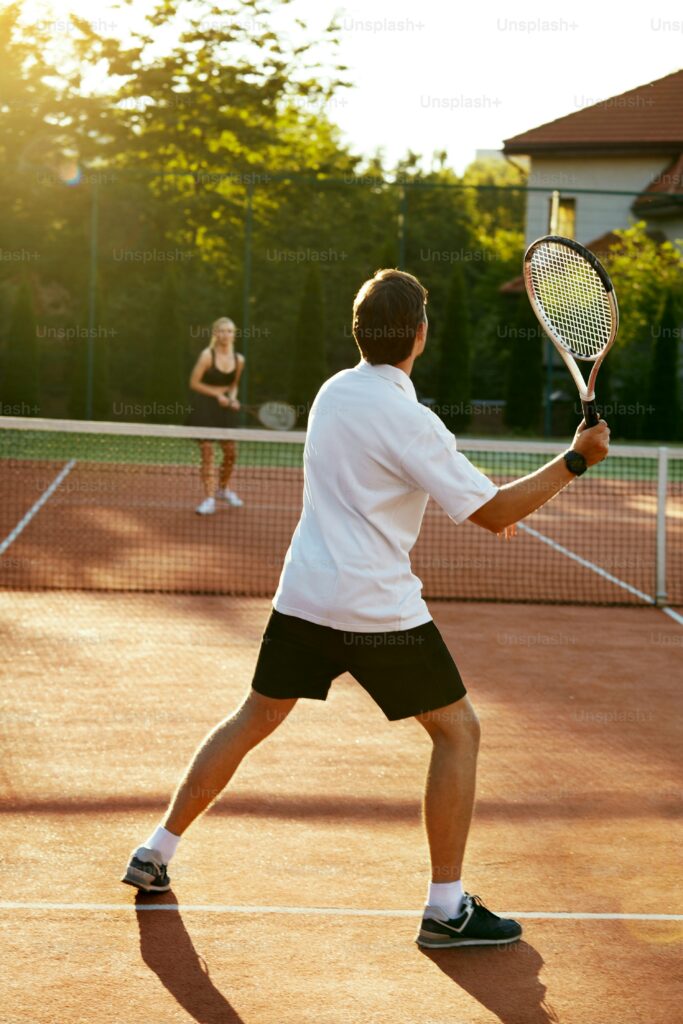

Your physical preparation is the bedrock of your performance. A proper warm-up isn’t just about preventing injuries; it’s about preparing your body to move explosively, react swiftly, and execute precise movements from the very first point. Think of it as tuning an instrument before a concert.
The Pre-Match Warm-Up Routine (30-45 Minutes)
A comprehensive warm-up gradually increases your heart rate, blood flow to muscles, and joint mobility.
- General Aerobic Activity (5-10 minutes):
- Light jogging, skipping, or cycling. The goal is to slightly elevate your heart rate and warm up your core body temperature.
- Dynamic Stretching (10-15 minutes):
- Unlike static stretching (holding a stretch), dynamic stretches involve movement. They prepare your muscles and joints for the demands of tennis.
- Examples: Arm circles, leg swings (forward/backward and side-to-side), torso twists, walking lunges with a twist, high knees, butt kicks, Frankenstein walks.
- Focus on movements that mimic tennis strokes.
- Tennis-Specific Drills (10-15 minutes):
- These drills gradually increase intensity and incorporate tennis movements.
- Mini-Tennis: Start close to the net, hitting soft shots to get a feel for the ball and racket.
- Groundstroke Rally: Move back to the baseline, hitting forehands and backhands with increasing pace and depth. Focus on footwork and rhythm.
- Volleys and Overheads: Practice these shots at the net to get your hands ready.
- Serves: Start with gentle serves, gradually increasing power and targeting. Don’t hit full-power serves right away. Focus on rhythm and technique.
- Footwork Drills: Incorporate quick sprints, shuffles, and changes of direction to get your feet active and responsive.
- Static Stretching (Optional, 5 minutes):
- Light static stretches (holding a stretch for 15-20 seconds) after your dynamic warm-up can further improve flexibility, but keep it brief to avoid diminishing muscle power. Focus on major muscle groups like hamstrings, quads, calves, and shoulders.
Strategic Blueprint: Developing Your Game Plan

Tennis is often described as “chess on a court.” Simply reacting to your opponent isn’t enough; you need a strategic blueprint, a well-thought-out game plan that leverages your strengths and exploits your opponent’s weaknesses.
Opponent Analysis: Knowing Your Foe
Preparation starts long before match day. If possible, observe your opponent or gather information.
- Identify Strengths: What is their primary weapon? A big serve, a crushing forehand, relentless consistency?
- Uncover Weaknesses: Do they have a weaker backhand? Struggle with high balls, drop shots, or net play? Are they slow to react to wide shots? Do they tire easily?
- Playing Style: Are they aggressive baseliners, defensive counter-punchers, serve-and-volleyers, or all-court players?
- Mental Tendencies: Do they get frustrated easily? Are they prone to double faults under pressure?
Crafting Your Match Strategy
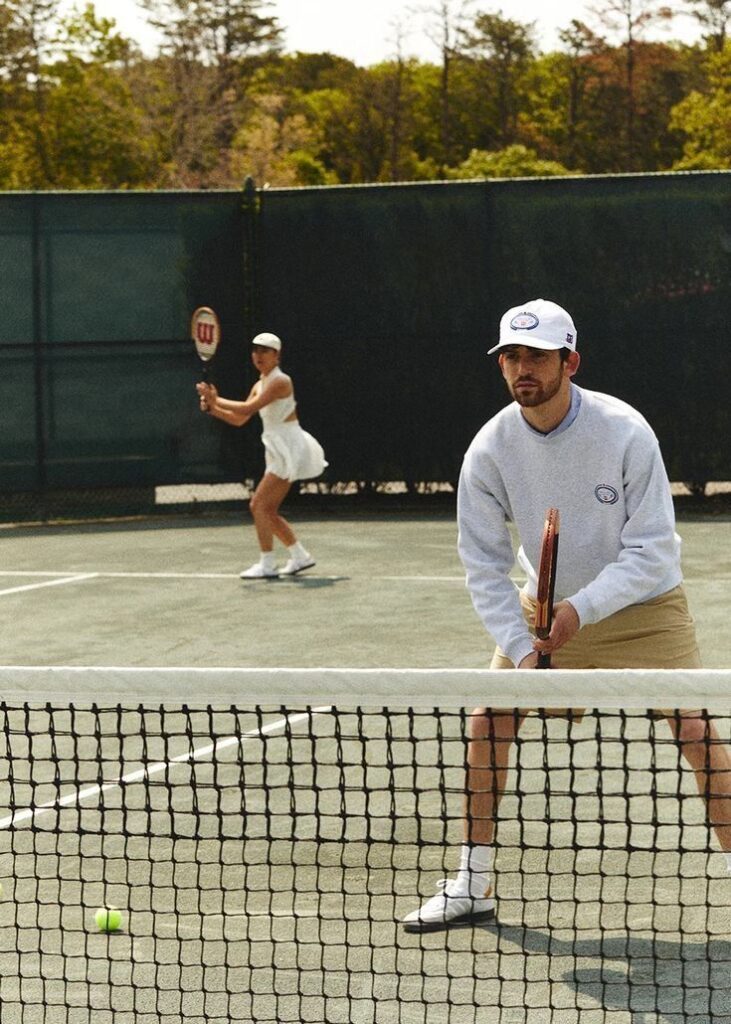

Based on your analysis, develop a plan. Remember, this plan isn’t set in stone; it’s a guide.
- Primary Game Plan (A Plan): This is your ideal strategy. For example, “Target their backhand with heavy topspin, then open up the court with an inside-out forehand.”
- Secondary Game Plan (B Plan): What if Plan A isn’t working? “If they handle the backhand well, try to bring them to the net with drop shots, then pass them.”
- Exploiting Weaknesses: Constantly test their weaknesses. Hit to their weaker side, make them move, or challenge their volleys.
- Leveraging Your Strengths: Don’t forget to play to your strengths. If you have a powerful serve, use it strategically to set up easy points. If you’re quick, force them to hit extra balls.
- Court Positioning: Decide where you want to position yourself on the court – aggressive inside the baseline, or defensive behind it, depending on your opponent and your strengths.
- Serve Strategy: Plan your serves. Will you go for pace, spin, or placement? Which serves will you use on big points? Aim for variety.
- Return Strategy: Are you returning aggressively or defensively? Aiming for placement or power?
Adapting and Adjusting
The best players are adept at mid-match adjustments.
- Read the Flow: Pay attention to what’s working and what isn’t. Is your opponent doing something unexpected?
- Communicate (If in Doubles): Discuss adjustments with your partner on changeovers.
- Trust Your Instincts: Sometimes, a gut feeling about a shot or strategy can be incredibly powerful.
- Observe Body Language: Look for signs of fatigue, frustration, or injury in your opponent.
Gear Up for Glory: Equipment Check

Your equipment is an extension of yourself on the court. Ensuring it’s in optimal condition is a fundamental part of tennis match preparation. A faulty racket, worn-out shoes, or an uncomfortable outfit can significantly hinder your performance and even lead to injury.
Racket and Strings: Your Primary Weapon
The condition of your racket and strings is paramount.
- Racket Inspection: Check for any cracks in the frame, loose grommets, or a worn-out grip. A fresh overgrip provides better feel and prevents slipping.
- String Tension: Ensure your strings are at the desired tension. Old, dead strings lose tension, power, and spin potential. Consider stringing your racket a few days before a match, especially if you haven’t recently. Many pros re-string daily!
- Backup Rackets: Always carry at least two strung rackets. A broken string can happen at any moment, and a quick switch can save your match.
Footwear: Your Foundation
Your feet are your foundation, providing stability, traction, and shock absorption.
- Tennis Shoes: Wear tennis-specific shoes that offer lateral support, cushioning, and durability on court surfaces. Running shoes are not suitable and can lead to ankle injuries.
- Traction Check: Ensure your shoe soles aren’t overly worn, which can lead to slipping and loss of crucial court coverage.
- Socks: High-quality, moisture-wicking athletic socks prevent blisters and keep your feet comfortable.
Apparel: Comfort and Freedom


Your clothing should allow for full range of motion and manage sweat effectively.
- Breathable Fabrics: Opt for lightweight, moisture-wicking fabrics that keep you cool and dry. Cotton can become heavy and uncomfortable when wet.
- Comfort: Ensure your clothes fit well and don’t restrict your movement. Try out new outfits during practice, not on match day.
- Sun Protection: If playing outdoors, consider a hat or visor and apply sunscreen.
Essential Accessories
Don’t forget the small but mighty items.
- Water Bottle/Electrolyte Drink: Crucial for hydration.
- Towel: For wiping sweat and keeping your hands dry.
- Wristbands/Headband: To manage sweat from your face and arms.
- Snacks: Energy bars, bananas, or gels for mid-match refueling.
- First-Aid Kit (Basic): Small plasters, pain relievers, blister treatment – just in case.
- Extra Balls: If you’re bringing your own.
The Day Of: Crafting Your Pre-Match Routine

The hours leading up to a match are critical. A structured pre-match routine helps you manage nerves, get physically loose, and mentally focused. Consistency is key here; doing the same things before every match helps build confidence and reduces anxiety.
The Morning of the Match
- Wake Up Early: Allow yourself ample time to wake up naturally, avoid rushing, and digest your pre-match meal. Rushing adds unnecessary stress.
- Light Breakfast: As discussed in nutrition, a balanced, easily digestible meal 3-4 hours before your match.
- Hydrate Consistently: Sip water and electrolyte drinks throughout the morning.
- Light Activity (Optional): Some players like a very light walk or stretching to get their body moving without expending too much energy.
- Pack Your Bag: Double-check you have everything, especially your backup rackets, shoes, and hydration.
Arriving at the Venue (Approx. 60-90 minutes before)
- Arrive Early: This gives you time to settle in, find your court, and avoid any last-minute stress.
- Observe (If Possible): If your opponent is already playing or warming up, discreetly observe them to gather last-minute insights.
- Bathroom Break: Take care of this before your warm-up.
- Light Dynamic Warm-Up: Begin with some light cardio and dynamic stretches away from the court to get your body moving.
On-Court Warm-Up (30 minutes before)
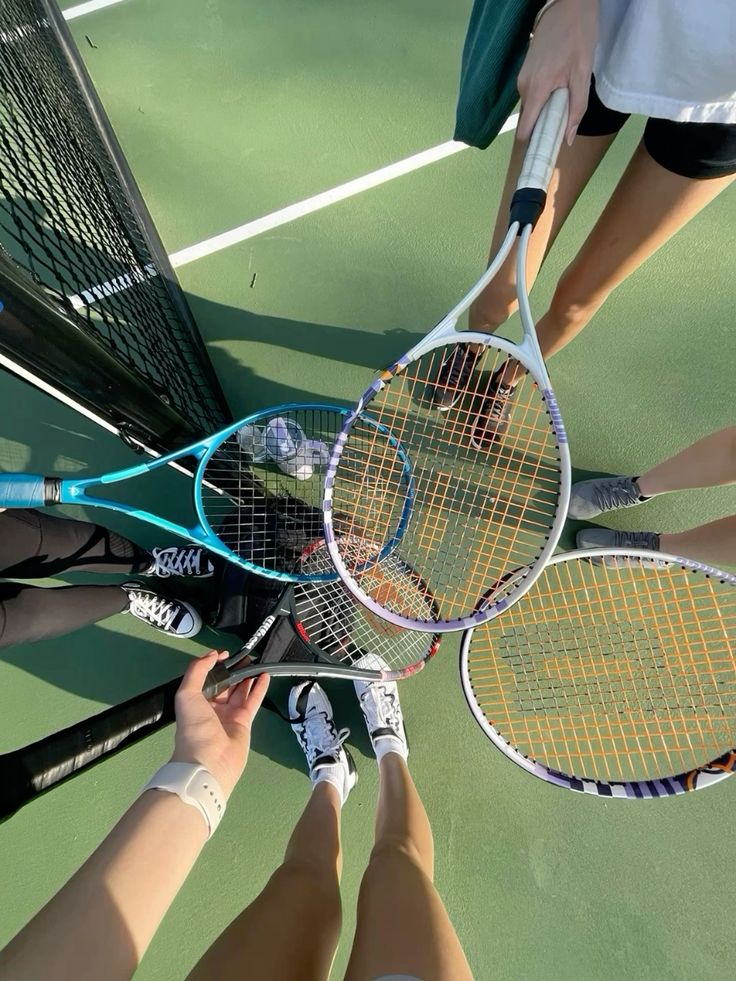

This is where you execute the physical preparation routine described earlier.
- Find Your Rhythm: Use this time to get a feel for the court surface, the lighting, and the ball bounce.
- Focus on Execution: Don’t try to win the warm-up. Focus on hitting clean, controlled shots and getting your technique dialed in.
- Communicate (If in Doubles): Warm up with your partner, practicing volleys, overheads, and serves together.
The Final Moments (5-10 minutes before)
- Pre-Match Mental Routine: Engage in your visualization, positive self-talk, and deep breathing.
- Meet Opponent/Officials: Greet your opponent, handle the coin toss, and any necessary formalities.
- Final Hydration: Take a few sips of water or electrolyte drink.
- Step Onto Court with Purpose: Walk onto the court with confidence and a clear focus on the first point.
Post-Match Mastery: Recovery and Review
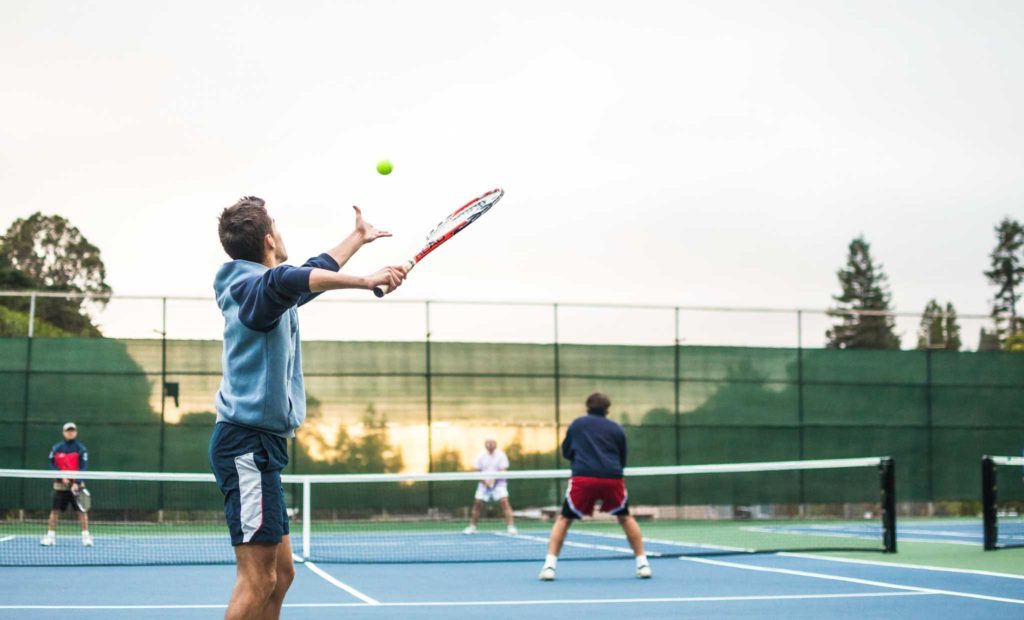
The final piece of the tennis match preparation puzzle extends beyond the final point. How you recover and review your performance directly impacts your ability to improve and prepare for the next challenge. This is where champions are truly made.
The Golden Hour: Immediate Recovery
The first 30-60 minutes post-match are crucial for kicking off the recovery process.
- Active Cool-Down (5-10 minutes): Don’t just stop cold. Engage in light jogging, walking, or cycling to gradually bring your heart rate down and flush out metabolic byproducts.
- Static Stretching (10-15 minutes): This is the ideal time for static stretches. Hold each stretch for 20-30 seconds, focusing on major muscle groups used in tennis (hamstrings, quads, calves, glutes, shoulders, back). This helps improve flexibility and reduce muscle soreness.
- Refuel and Rehydrate: As discussed, consume a carb-protein snack and electrolyte-rich fluids within 30-60 minutes to replenish glycogen stores and repair muscle tissue.
- Cold Therapy (Optional): An ice bath or cold shower can help reduce inflammation and soreness, especially after intense matches.
The Deeper Dive: Match Review
A critical self-assessment helps you learn from every match, regardless of the outcome.
- What Went Well? Identify the strengths you displayed. Which shots were effective? What strategic decisions paid off?
- What Could Be Improved? Be honest with yourself. Where did you struggle? Was it a specific shot, court positioning, mental lapses, or a tactical error?
- Emotional Check: How did you handle pressure, frustration, or momentum swings?
- Physical Assessment: Did you feel fatigued? Were there any areas of your body that felt tight or sore during the match? This can inform future training.
- Note-Taking: Jot down key observations in a tennis journal. This creates a valuable record of your progress and areas for focus.
Rest and Recharge: Holistic Recovery


True recovery extends beyond physical aspects.
- Quality Sleep: Prioritize 7-9 hours of quality sleep. This is when your body repairs and regenerates most effectively.
- Nutrition Continues: Maintain a balanced diet rich in whole foods to support ongoing recovery and energy levels.
- Listen to Your Body: Don’t push through excessive pain. Allow for rest days or active recovery (light cross-training, yoga) to prevent burnout and injury.
- Mental Break: Sometimes, stepping away from tennis for a day or two can be incredibly beneficial for mental freshness.
Conclusion: Your Path to Domination
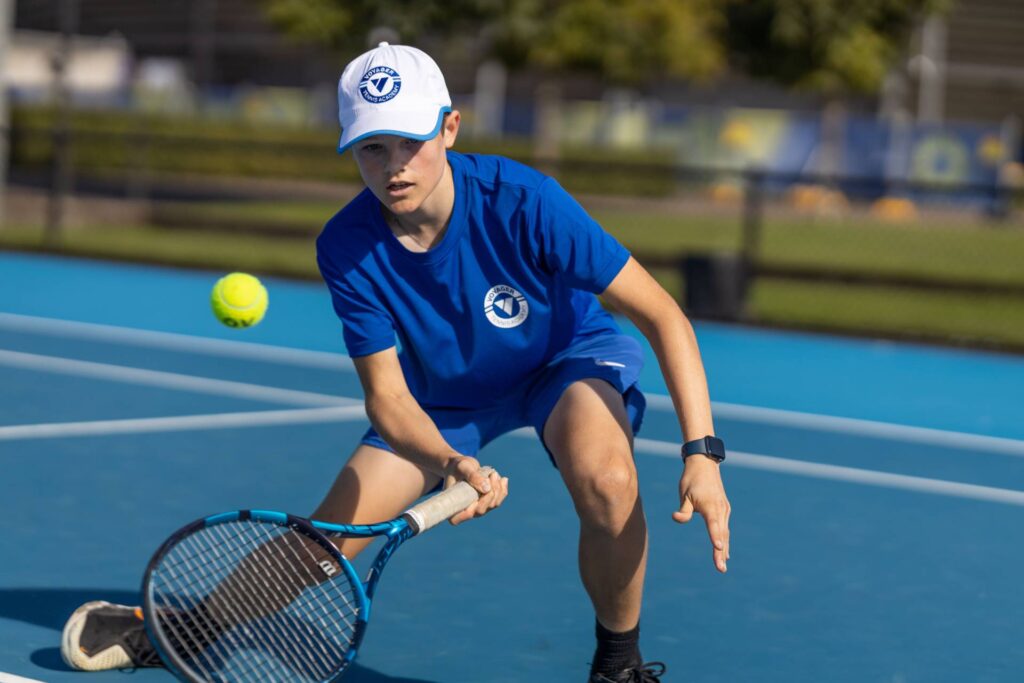
Tennis match preparation is a symphony of interconnected elements – mental fortitude, precise nutrition, physical readiness, strategic brilliance, and meticulous equipment care. It’s not about doing one thing well, but about integrating all these aspects into a seamless, consistent routine. Every top player understands that true dominance isn’t just about raw talent; it’s about showing up prepared to execute, adapt, and fight for every single point.
By committing to a comprehensive preparation strategy, you’re not just getting ready for a match; you’re investing in your development as a player, building resilience, and maximizing your potential. Embrace the process, fine-tune your approach, and watch as your performance on the court transforms. It’s time to step up, get ready, and unleash your best game!
Frequently Asked Questions

What are the most crucial aspects of tennis match preparation?
The most crucial aspects include mental preparation (focus, confidence, emotional control), physical readiness (dynamic warm-up, proper conditioning), strategic planning (game plan, opponent analysis), proper nutrition and hydration, and ensuring your equipment is in top condition. All these elements work together for peak performance.
How far in advance should I start my pre-match nutrition?
You should ideally start focusing on optimal nutrition and hydration 2-3 days before a match, emphasizing complex carbohydrates and consistent fluid intake. On match day, your main meal should be 3-4 hours prior, followed by lighter, easily digestible snacks.
Why is dynamic stretching preferred over static stretching before a tennis match?
Dynamic stretching involves movement that mimics tennis actions, increasing blood flow, muscle elasticity, and range of motion without decreasing power. Static stretching (holding a stretch) is best performed after a match as part of a cool-down to improve flexibility and aid recovery.
How do I develop an effective game plan against an opponent I don’t know?
If you don’t know your opponent, focus on your primary strengths and a versatile game style in the initial games. Quickly observe their tendencies: strong side/weak side, preferred shots, movement patterns, and emotional reactions. Adapt your strategy in real-time based on these observations.
What should I do immediately after a tennis match for optimal recovery?
Immediately after a match, perform a 5-10 minute active cool-down followed by 10-15 minutes of static stretching. Within 30-60 minutes, consume a snack or drink rich in both carbohydrates and protein to replenish energy stores and aid muscle repair. Continue to rehydrate with water and electrolytes.
How important is sleep in tennis match preparation?
Sleep is incredibly important. Quality sleep (7-9 hours) allows your body to recover, repair muscles, and consolidate learning. It also significantly impacts mental focus, reaction time, and emotional regulation, making it a cornerstone of effective preparation.
Should I always stick to my pre-planned game strategy?
While a game plan is essential, flexibility is key. Tennis matches are dynamic, and opponents will adjust. Be prepared to adapt your strategy based on how the match unfolds, what’s working, what’s not, and your opponent’s responses. Having a “Plan B” and even a “Plan C” is crucial.