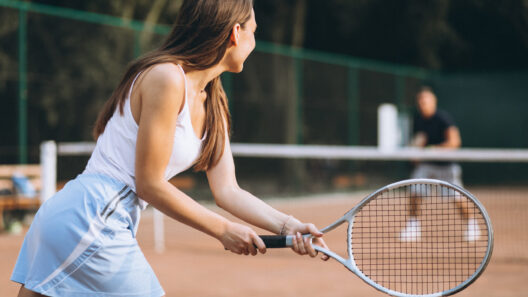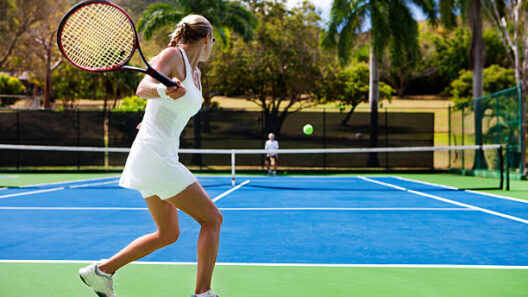



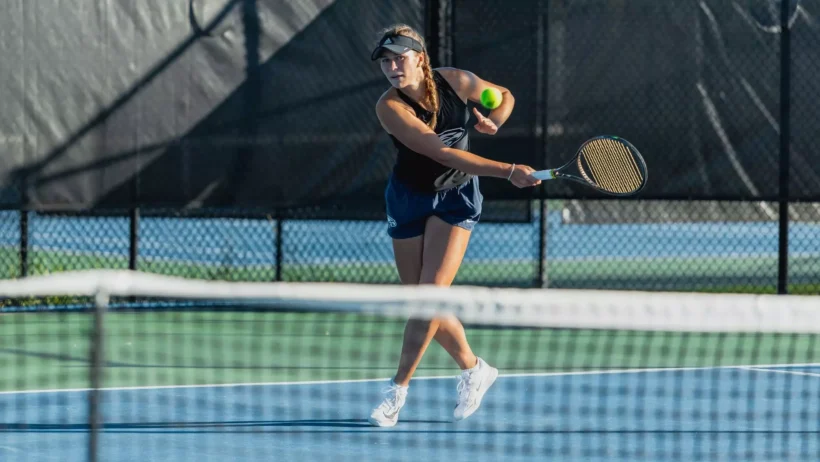

The thud of a well-struck serve, the blur of a cross-court forehand, the lightning-fast footwork to retrieve a drop shot – these aren’t just moments of skill; they are triumphs of exceptional physical conditioning. Tennis is a demanding sport, a relentless ballet of explosive power, agile movement, pinpoint accuracy, and unwavering endurance. To truly dominate the court, you need more than just a perfectly honed stroke; you need a body that’s primed for peak performance. This is where dedicated tennis fitness training becomes your secret weapon, transforming your potential into undeniable prowess.
Imagine having the stamina to outlast your opponent in a grueling third set, the explosive power to unleash a game-changing serve, or the agility to chase down every ball. These aren’t dreams; they are achievable realities with a focused approach to your physical preparation. We’re not talking about endless hours on a treadmill. We’re diving into specific, powerful drills designed to replicate the unique demands of tennis, building a resilient, explosive, and agile athlete ready to conquer any challenge the game throws your way. Get ready to elevate your game, because we’re about to unveil the ultimate guide to 7 powerful tennis fitness training drills that will serve up success!
1. The Explosive Power Series: Ignite Your Serve and Groundstrokes

Tennis demands bursts of power – for serves, groundstrokes, and dynamic movements. Without it, you’re leaving potential on the table. This series focuses on plyometrics, exercises that train your muscles to exert maximum force in short intervals, dramatically improving your ability to jump, sprint, and strike the ball with authority. Think of it as teaching your body to be a spring-loaded catapult, ready to unleash energy on command.
Why it’s crucial for tennis: Every powerful shot originates from the ground up. A strong, explosive lower body translates directly into faster serves, deeper groundstrokes, and quicker acceleration to the ball. Your ability to generate power from your legs and transfer it through your core to your racket is fundamental to offensive play. Moreover, these exercises enhance your anaerobic capacity, preparing you for the short, intense bursts of effort typical in a point.

Key Drills:
- Box Jumps:
- How to do it: Stand facing a sturdy box (start with a low height, gradually increasing as you gain confidence and strength). Hinge at your hips and knees, swinging your arms back, then explode upwards, landing softly on the box with both feet. Step or jump back down.
- Tennis connection: Mimics the explosive push-off for serves, overheads, and reaching high balls. It develops vertical power, critical for getting airborne for those high-impact shots.
- Progression: Increase box height, perform single-leg box jumps, or add a light medicine ball for an even greater challenge.
- Plyometric Lunges (Switch Lunges):
- How to do it: Start in a lunge position, then explode upwards, switching your legs in mid-air so you land with the opposite leg forward in a lunge. Maintain balance and a controlled landing.
- Tennis connection: Essential for split-steps, changing direction quickly, and generating power from a staggered stance, much like preparing for a forehand or backhand. This drill builds unilateral power, which is critical since you often push off one leg on court.
- Progression: Increase speed, hold light dumbbells, or perform them continuously for a set period.
Training Tip: Focus on quality over quantity. Each jump or lunge should be performed with maximum effort and perfect form. Rest adequately between sets to allow for full recovery. Aim for 3-4 sets of 5-8 repetitions for each exercise.
2. The Agility & Quickness Gauntlet: Master Court Coverage

Tennis is a game of constant adjustments and rapid directional changes. You need to react instantly, accelerate quickly, and stop on a dime. The Agility & Quickness Gauntlet is designed to sharpen your ability to change direction efficiently, without losing balance or speed. This isn’t just about being fast in a straight line; it’s about being fast in any direction, mirroring the unpredictable flow of a match.
Why it’s crucial for tennis: The player who gets to the ball faster, more efficiently, and in better balance often dictates the point. This series directly enhances your first step quickness, lateral movement, and ability to sprint, stop, and pivot, all vital components of successful court coverage and shot preparation. Think about chasing a wide shot, then recovering to the center – that’s pure agility.
Key Drills:
- Cone Drills (T-Drill, Box Drill):
- How to do it (T-Drill): Set up four cones in a ‘T’ shape. Sprint from the base cone to the middle cone, shuffle laterally to the right cone, shuffle back past the middle cone to the left cone, then shuffle back to the middle cone and sprint backward to the starting cone.
- Tennis connection: Directly simulates the bursts of speed, lateral shuffles, and backward recovery movements required during a rally. The T-drill specifically targets the movements needed to cover the baseline and react to various shots.
- Progression: Reduce recovery time, perform drills with a racket in hand, or vary the starting point and direction calls.
- Ladder Drills (Icky Shuffle, In-Outs):
- How to do it (Icky Shuffle): Start at one end of an agility ladder. Step into the first box with your right foot, then your left. Step out to the right with your right foot, then step back into the next box with your left, and so on. Maintain quick, light steps.
- Tennis connection: Improves foot speed, coordination, and rhythm, all of which contribute to better balance and quicker reactions. The rapid footwork helps engrain efficient movement patterns.
- Progression: Increase speed, add variations (e.g., two feet in, one foot out), or integrate a quick sprint at the end of the ladder.
Training Tip: Stay low and athletic during these drills. Use small, quick steps, and pump your arms vigorously. Focus on maintaining balance and control while moving at maximum speed. Perform 3-5 sets of each drill with short rest periods (e.g., 60-90 seconds).
3. The Rotational Powerhouse: Core Strength for Strokes

The core is the engine of your tennis game. It connects your upper and lower body, transferring power from your legs through your torso to your arm and racket. A strong, stable, and powerful core is essential for generating maximum racket head speed on serves and groundstrokes, as well as protecting your spine from injury during the repetitive, forceful rotations inherent in tennis.
Why it’s crucial for tennis: Think of the immense rotational force generated during a serve or a powerful forehand. Without a robust core, this power is lost, and your body is vulnerable. This series builds the deep abdominal, oblique, and lower back strength necessary for efficient power transfer and injury prevention.
Key Drills:
- Medicine Ball Rotational Throws:
- How to do it: Stand sideways to a sturdy wall (or partner), holding a medicine ball with both hands. Rotate your torso away from the wall, then powerfully rotate and throw the ball against the wall. Catch it and repeat. Perform on both sides.
- Tennis connection: Directly mimics the rotational power generated in groundstrokes and serves. It trains the explosive hip and torso rotation that is fundamental to hitting powerful, accurate shots. It also builds proprioception, the body’s sense of its position in space.
- Progression: Increase medicine ball weight, perform from a kneeling or half-kneeling position for greater core engagement, or add a lunge into the throw.
- Russian Twists (with or without weight):
- How to do it: Sit on the floor with your knees bent and feet elevated (optional, for increased difficulty). Lean back slightly, maintaining a straight spine. Twist your torso from side to side, touching the floor beside your hips with your hands (or a medicine ball/plate).
- Tennis connection: Strengthens the obliques and rectus abdominis, crucial for stabilizing the torso during powerful rotations and for maintaining balance during dynamic movements. A strong oblique set contributes significantly to racket head speed.
- Progression: Hold a medicine ball or dumbbell, increase the speed of twists, or lower your feet closer to the ground for a more acute angle.
Training Tip: Focus on controlled, deliberate movements, especially when returning the medicine ball. Ensure your power comes from your core and hips, not just your arms. Aim for 3 sets of 10-15 repetitions per side for rotational throws and 3 sets of 20-30 total twists for Russian Twists.
4. The Lateral Movement Machine: Own the Sidelines

Tennis is played on a wide court, and your ability to cover the sidelines efficiently is non-negotiable. Many points are won or lost based on effective lateral movement – quickly sliding or shuffling across the baseline to reach wide balls and set up your next shot. This series is designed to enhance your lateral speed, agility, and the crucial ability to decelerate and change direction.
Why it’s crucial for tennis: Unlike many sports, tennis requires extensive side-to-side movement. This type of movement is often neglected in general fitness routines but is paramount for retrieving wide shots, closing down the net, and maintaining court position. Strong lateral muscles also help prevent injuries to the knees and ankles.
Key Drills:

- Lateral Shuffles with Resistance Band:
- How to do it: Place a resistance band around your ankles or just above your knees. Assume an athletic stance (knees bent, chest up). Take quick, short steps sideways, maintaining tension on the band. Avoid letting your feet come together.
- Tennis connection: Builds strength and endurance in the hip abductors and adductors, which are vital for explosive lateral pushes and efficient side-to-side movement. The resistance band forces these muscles to work harder, directly translating to more powerful on-court shuffles.
- Progression: Increase band resistance, increase distance, or perform shuffles with a partner providing resistance or calling out directions.
- Carioca (Grapevine):
- How to do it: Move sideways by crossing one foot in front of the other, then crossing the same foot behind. For example, if moving right, step right with your right foot, then cross your left foot in front of your right, then step right with your right foot again, then cross your left foot behind your right. Maintain a fluid, rhythmic motion.
- Tennis connection: Enhances coordination, agility, and multi-directional footwork. While not a primary on-court movement, it improves the fluidity and speed of complex foot patterns often seen when adjusting for awkward balls or recovering from deep court positions.
- Progression: Increase speed, perform over a longer distance, or incorporate a quick sprint or shuffle at the end of a set distance.
Training Tip: Stay low with a bent-knee stance, as if you’re constantly ready to pounce. Keep your core engaged and use your arms to help propel you. Aim for 3-4 sets of 15-20 yards (or 10-15 repetitions per side) for each exercise.
5. The Endurance Engine: Outlast Your Opponent
A tennis match can last anywhere from an hour to several hours, filled with short, intense bursts of activity followed by brief recovery periods. Without a strong cardiovascular engine, your performance will inevitably dip as the match wears on. This series is designed to build both your aerobic base (sustained effort) and your anaerobic capacity (repeated sprints), ensuring you stay strong and sharp from the first point to the last.
Why it’s crucial for tennis: Fatigue leads to poor decision-making, slower reactions, and decreased power. Building exceptional endurance means you can maintain high-intensity rallies, recover faster between points, and execute your game plan effectively for the entire match. It separates the winners from those who fade.
Key Drills:
- On-Court Interval Sprints (Suicides/Shuttles):
- How to do it: Start at the baseline. Sprint to the service line and back, then to the middle of the court (net) and back, then to the opposite baseline and back. This constitutes one “shuttle” or “suicide.”
- Tennis connection: Directly mimics the stop-and-go nature of tennis rallies, involving sprints, changes of direction, and quick accelerations and decelerations. This drill specifically targets the energy systems used during match play.
- Progression: Decrease rest time between shuttles, increase the number of shuttles per set, or perform them with a racket in hand.
- High-Intensity Interval Training (HIIT) on a Bike or Treadmill:
- How to do it: After a warm-up, alternate between periods of maximum effort (e.g., 30-60 seconds of all-out sprint) and periods of active recovery (e.g., 60-120 seconds of light jogging or easy cycling). Repeat for 15-20 minutes.
- Tennis connection: Builds both aerobic and anaerobic fitness without the high impact on joints. It improves your body’s ability to efficiently use oxygen and clear metabolic byproducts, leading to faster recovery between points and sustained performance throughout the match.
- Progression: Increase the duration or intensity of the high-effort intervals, decrease recovery time, or add incline/resistance.
Training Tip: Push yourself during the high-intensity phases, aiming for near-maximal effort. During recovery, focus on bringing your heart rate down but keep moving. Listen to your body and adjust intensity as needed. Aim for 3-4 sets of 5-8 repetitions for interval sprints and 3-4 sets of 4-6 high-intensity intervals for HIIT.
6. The Dynamic Balance & Stability Challenge: Stay Grounded Under Pressure

Maintaining balance is often overlooked but incredibly vital in tennis. From powerful serves that require core stability to stretching wide for a backhand volley while staying upright, balance is intertwined with every movement. This series focuses on strengthening the smaller stabilizing muscles around your joints, improving proprioception (your body’s awareness in space), and ensuring you can deliver powerful shots even from awkward positions.
Why it’s crucial for tennis: Good balance allows for more controlled and powerful strokes, quicker recovery, and significantly reduces the risk of ankle, knee, and hip injuries. When you’re stable, your power isn’t wasted on simply trying to stay upright; it’s channeled into the ball.
Key Drills:
- Single-Leg Romanian Deadlifts (RDLs):
- How to do it: Stand on one leg with a slight bend in your knee. Hold a dumbbell in the opposite hand (e.g., if standing on your right leg, hold the dumbbell in your left hand). Hinge at your hips, extending your non-standing leg straight back, keeping your back straight. Lower the dumbbell towards the floor, feeling the stretch in your hamstring. Return to the starting position in a controlled manner.
- Tennis connection: Strengthens the glutes and hamstrings, which are crucial for pushing off and stabilizing the body during dynamic movements and shots. It also significantly improves single-leg balance, which is constantly challenged in tennis.
- Progression: Increase dumbbell weight, perform with eyes closed, or try on an unstable surface like a Bosu ball.
- Bosu Ball Squats/Lunges:
- How to do it: Stand on the dome side of a Bosu ball (or flat side up for more instability). Perform squats or lunges, focusing on maintaining your balance throughout the movement. Your core should be constantly engaged.
- Tennis connection: Challenges the stabilizing muscles of the ankles, knees, and hips like few other exercises. This directly translates to better stability during explosive movements, quick changes of direction, and hitting shots while off-balance.
- Progression: Increase the depth of the squat/lunge, hold light weights, or perform single-leg variations on the Bosu.
Training Tip: Engage your core throughout these exercises. It’s not about how much weight you lift, but how well you control the movement and maintain stability. Aim for 3 sets of 8-12 repetitions per leg for RDLs and 3 sets of 10-15 repetitions for Bosu squats/lunges.
7. The Reaction & Hand-Eye Coordination Nexus: Sharpen Your Instincts

Tennis is a game of fractions of a second. The ability to quickly process visual information, react appropriately, and make contact with a rapidly moving ball is paramount. This series isn’t just about physical strength; it’s about training your brain and body to work together in seamless, rapid response.
Why it’s crucial for tennis: Faster reaction times mean you get to the ball earlier, have more time to set up your shot, and can anticipate your opponent’s moves more effectively. Improved hand-eye coordination directly translates to cleaner ball striking, better depth, and fewer unforced errors.
Key Drills:
- Reaction Ball Drills:
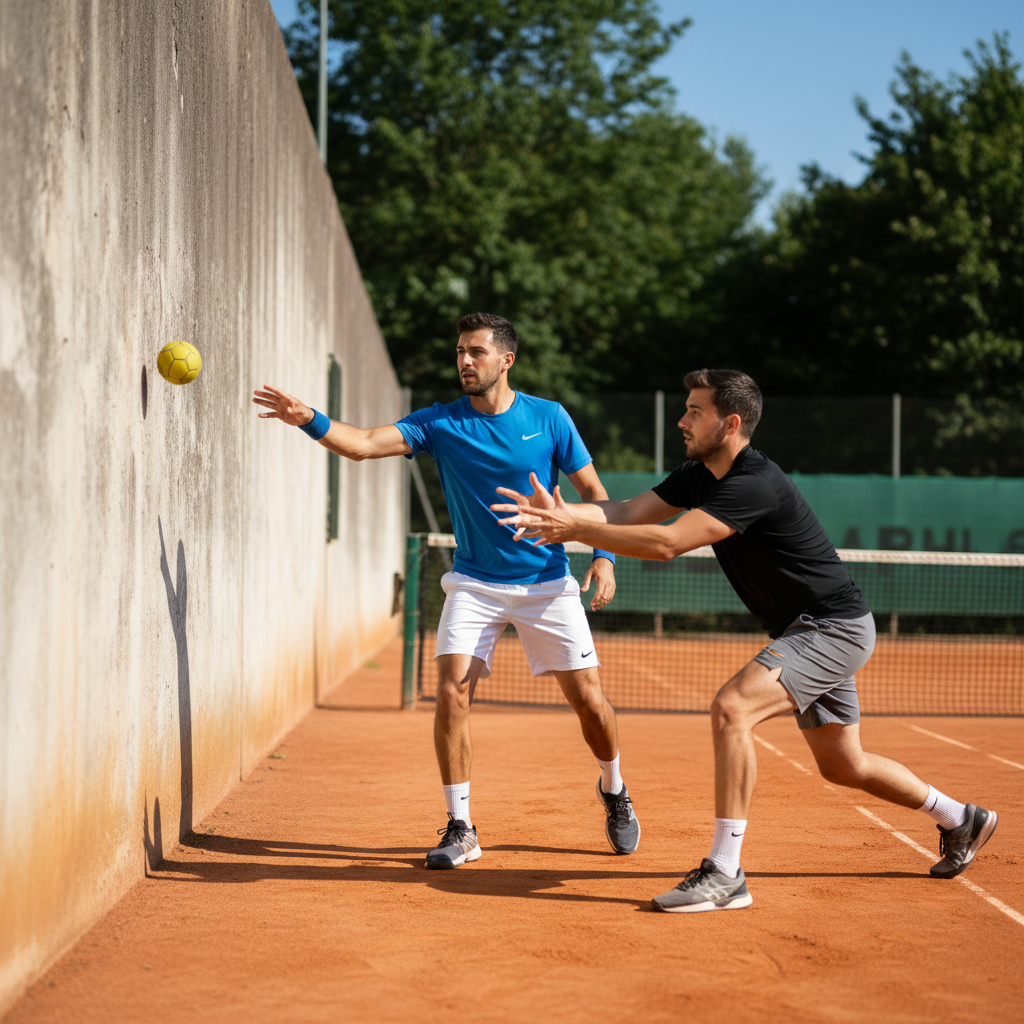
- How to do it: Use a specialized reaction ball (irregular bounces) or a standard tennis ball. Throw it against a wall and react to its unpredictable bounce, catching it with one or both hands. Increase speed and distance from the wall.
- Tennis connection: Directly trains your eyes and brain to track an unpredictable object and forces quick adjustments in footwork and hand position, mimicking the dynamic and often surprising bounces of a tennis ball during a match.
- Progression: Use a smaller ball, perform with a partner calling out directions, or try to hit the ball back with a racket after a bounce.
- Partner Tosses (Catch & Throw):
- How to do it: Stand a few yards from a partner. Have them quickly toss different objects (tennis balls, small beanbags, even a frisbee) in varying trajectories and speeds. Your goal is to catch and throw them back as quickly and accurately as possible.
- Tennis connection: Enhances hand-eye coordination, depth perception, and reaction time. The variety of objects and trajectories helps improve your visual tracking skills and ability to adjust your body for different incoming shots.
- Progression: Use smaller objects, increase the speed and unpredictability of tosses, or introduce a second or third object simultaneously.
Training Tip: Stay focused and engage your peripheral vision. Anticipation is key – try to read the trajectory of the object as early as possible. Perform these drills for 2-3 sets of 60-90 seconds, focusing on consistent, quick reactions.
Conclusion: Your Pathway to On-Court Dominance

Integrating these 7 powerful tennis fitness training drills into your routine isn’t just about getting fitter; it’s about getting smarter, stronger, and more resilient on the court. Each drill is a building block, contributing to a comprehensive physical foundation that will elevate every aspect of your game – from the thunderous serve to the delicate drop shot.
Consistency is your most powerful ally. Regular engagement with these targeted exercises, combined with proper warm-ups, cool-downs, and adequate rest, will unlock new levels of performance. Remember, the greatest tennis champions aren’t just masters of technique; they are athletes who have meticulously sculpted their bodies to meet the extraordinary demands of the sport.
So, step onto the court with confidence, knowing that your dedication to tennis fitness training has prepared you for anything. Serve up success, outrun your opponents, and dominate every point. Your ultimate tennis potential awaits!
Frequently Asked Questions
What is the most important aspect of fitness for tennis players?
While all aspects are crucial, agility and explosive power are arguably the most important. Tennis demands frequent, rapid changes of direction and bursts of power for serves, sprints, and powerful groundstrokes. However, without adequate endurance and core strength, these abilities diminish quickly over a match.
How often should I perform tennis fitness training drills?
For optimal results, aim for 3-4 dedicated fitness training sessions per week, separate from your on-court practice. This allows for adequate muscle recovery and adaptation. On-court practice should focus more on technique and strategy, while off-court sessions build the physical foundation.
Can these drills help prevent injuries in tennis?
Absolutely. Many of these drills, particularly those focusing on core strength, balance, and lateral movement, are excellent for injury prevention. By strengthening stabilizing muscles and improving joint stability, you reduce the risk of common tennis injuries like ankle sprains, knee issues, and back pain. Dynamic movements also improve tissue resilience.
Do I need special equipment for these tennis fitness drills?
While some drills can benefit from equipment like resistance bands, medicine balls, agility ladders, or a Bosu ball, many can be performed with minimal gear. Cone drills use simple markers, and bodyweight exercises form the foundation of many power and agility routines. Start with what you have and gradually add equipment as you progress.
How long should a typical tennis fitness training session last?
A comprehensive tennis fitness session, including a warm-up and cool-down, should typically last 45-75 minutes. The actual work portion of the session might be 30-50 minutes, focusing on 3-4 different drills from various categories (e.g., one power, one agility, one core).
Should I prioritize cardio or strength training for tennis?
Tennis requires a blend of both. You need the anaerobic power for explosive sprints and shots (strength/power training) and the aerobic endurance to sustain high intensity throughout a long match (cardiovascular training). A well-rounded program incorporates both, often using interval training to mimic the stop-and-go nature of a match.
Can beginners perform these advanced drills?
Many of these drills can be scaled for beginners. Start with lower intensity, fewer repetitions, and simpler variations (e.g., lower box jumps, bodyweight only for RDLs, slower ladder drills). The key is to focus on correct form before increasing speed, resistance, or complexity. As you gain strength and coordination, you can progressively advance to the more challenging versions.