





The thrill of stepping onto the court, the anticipation of a fierce rally, the desire to execute every shot with precision – these are the hallmarks of a tennis player ready to dominate. But what separates those who consistently perform at their peak from those who struggle with inconsistency, stiffness, or even injury? Often, the answer lies in their preparation. A well-structured, comprehensive tennis warm up routine is not just a suggestion; it’s a non-negotiable cornerstone of peak performance and injury prevention.


Imagine an orchestra without a tuning session, a race car without a meticulous pre-race check, or a chef without mise en place. They’re all set up for potential disaster. Similarly, a tennis player who skips or rushes their warm-up is inviting trouble. Your body is a finely tuned athletic instrument, and it demands proper preparation to hit those searing serves, powerful groundstrokes, and agile volleys. This isn’t just about breaking a sweat; it’s about systematically priming your muscles, joints, nervous system, and mind for the intense demands of the game. Get ready to transform your approach, unlock your full potential, and truly get ready to dominate every time you step on court.
The Indispensable Value of a Proper Warm-Up

Before we dive into the specifics of an ultimate routine, let’s understand why this preparation is so critical. It’s more than just a pre-game ritual; it’s a strategic investment in your game and your physical longevity.
1. Injury Prevention: This is arguably the most crucial benefit. Tennis involves explosive movements, sudden stops, quick changes in direction, and repetitive arm motions. Without proper preparation, cold muscles, stiff joints, and an unprepared nervous system are highly susceptible to strains, sprains, and tears. A warm-up increases blood flow, making muscles more elastic and less prone to injury. It also lubricates joints, improving their range of motion and reducing friction.
- 2. Enhanced Performance: A warmed-up body performs better. Simple as that.
- Increased Muscle Temperature: Warmer muscles contract and relax more efficiently, translating to greater power and speed in your shots and footwork.
- Improved Flexibility and Range of Motion: Dynamic stretches prepare your joints and muscles for the full range of movement required in tennis, allowing for bigger swings and deeper lunges without restriction.
- Better Coordination and Agility: The warm-up activates your nervous system, improving the communication between your brain and muscles. This leads to quicker reaction times, better balance, and more precise movements on court.
- Optimized Energy Systems: A gradual warm-up prepares your body’s energy systems for the high-intensity bursts characteristic of tennis, delaying fatigue and maintaining performance throughout the match.
- 3. Mental Preparation: Tennis is as much a mental game as it is physical. A dedicated warm-up routine provides a crucial window for mental preparation. It allows you to:
- Focus and Concentrate: Block out distractions, tune into your body, and narrow your focus on the upcoming match.
- Visualize Success: Mentally rehearse shots, anticipate opponents’ moves, and envision your desired outcomes.
- Reduce Anxiety: Engaging in a familiar, structured routine can calm nerves and build confidence, transforming pre-match jitters into focused energy.
Deconstructing the Ultimate Tennis Warm-Up Routine

An effective tennis warm-up isn’t a random collection of stretches. It’s a progressive, multi-faceted approach that systematically prepares every aspect of your body and mind for the demands of the game. We can break it down into several key phases, each with a distinct purpose.
Phase 1: General Cardiovascular Activation (5-10 minutes)
The goal here is to gently elevate your heart rate, increase blood flow throughout your body, and raise your core muscle temperature. This phase should be light to moderate intensity, making you feel warm but not fatigued.
Key Exercises:
- Light Jogging or Shuffling: Move around the court, front and back, side to side. Focus on controlled, rhythmic movements.
- Jumping Jacks: A classic full-body warm-up that gets the heart rate up.
- High Knees: Bring your knees up towards your chest, alternating legs.
- Butt Kicks: Kick your heels back towards your glutes, alternating legs.
- Skipping: A fun way to get dynamic and coordinated.
- Shadow Boxing (Light): Engage your upper body and core with light punching and weaving movements.
The aim is to shake off any initial stiffness and signal to your body that it’s time to get moving. This isn’t a sprint; it’s a gradual ascent.
Phase 2: Dynamic Mobility and Flexibility (10-15 minutes)


This is where you’ll actively move your joints through their full range of motion, preparing muscles and connective tissues for the dynamic nature of tennis. Forget static stretching (holding a stretch for 30 seconds) at this stage – research shows dynamic movements are far more effective pre-activity.
Key Dynamic Stretches:
- Arm Circles (Forward and Backward): Start small and gradually increase the size of the circles. Focus on shoulder mobility.
- Torso Twists: Stand with feet shoulder-width apart, gently twist your upper body from side to side, keeping hips relatively stable.
- Leg Swings (Front-to-Back): Hold onto a fence or net for balance. Swing one leg forward and backward, gradually increasing height. Focus on hip flexor and hamstring mobility.
- Leg Swings (Side-to-Side): Similar to front-to-back, but swing the leg across your body laterally. Great for hip adductors and abductors.
- Walking Lunges with Torso Twist: Step forward into a lunge, and as you hold the lunge, twist your torso towards the lead leg. This combines lower body and core mobility.
- Carioca / Grapevine: A lateral shuffle that crosses one foot over the other, improving hip rotation and lateral agility.
- Spiderman Lunges: Step into a lunge, place both hands on the ground inside your front foot, and gently lower your hips. This opens up the hips and inner thighs.
- Inchworms: Start standing, bend down to place hands on the ground, walk hands forward into a plank, then walk feet towards hands. This warms up the entire posterior chain and core.
- Ankle Circles: Rotate your ankles in both directions to prepare them for quick changes in direction.
Each movement should be controlled and fluid, feeling a stretch but never pain. Aim for 8-12 repetitions per side or limb.
Phase 3: Tennis-Specific Movement & Footwork Drills (5-10 minutes)

Now that your body is generally warmed up and mobile, it’s time to mimic the movements you’ll make during a match. This phase primes your neurological pathways for tennis-specific actions.
Key Drills:
- Shadow Swings: Practice your forehand, backhand, volley, and serve motions without a ball. Focus on full range of motion, racket head speed, and smooth transitions.
- Tip: Visualize hitting the perfect shot.
- Footwork Pattern Drills:
- Shuffles: Practice moving laterally along the baseline.
- Split Steps: Emphasize quick, small jumps to prepare for the next shot.
- Sprints to Cones (or imaginary points): Short, explosive sprints to simulate chasing a ball, followed by a recovery shuffle.
- Backward Pedals: Practice moving backward to retrieve lobs.
- Figure-8 Drills: Use cones or lines to practice multi-directional movement, simulating court coverage.
This phase helps engrain good habits and gets your body accustomed to the specific demands of the game before you even touch a ball.
Phase 4: Progressive Racket Work & Ball Contact (10-15 minutes)

This is where you integrate your warm body with your racket and the ball, gradually increasing intensity. If you’re playing with a partner, this is your time to hit.
Progression:
- Mini-Tennis (3-5 minutes): Start hitting gently from the service line. Focus on touch, control, and getting a feel for the ball. This is great for hand-eye coordination and initial ball contact.
- Half-Court Groundstrokes (3-5 minutes): Move back to the baseline but aim for the opposing service box. Increase the swing speed slightly, focusing on smooth rhythm and consistent contact.
- Full-Court Groundstrokes (3-5 minutes): Move back to full court. Start with controlled rallies, then gradually increase pace and depth. Work on different shot types if time allows.
- Volleys (2-3 minutes): Move to the net. Start with gentle volleys, focusing on technique and racket face angle.
- Serves (3-5 minutes): Begin with gentle serves, focusing on toss and motion. Gradually increase pace, incorporating slice and kick serves if desired. Don’t go for maximum power immediately.
This progressive approach allows your muscles, tendons, and ligaments to gradually adapt to the stresses of hitting, minimizing the risk of sudden injury. It also helps you find your rhythm and timing before the match officially begins.
Phase 5: Mental Acclimatization & Final Focus (Integrated)
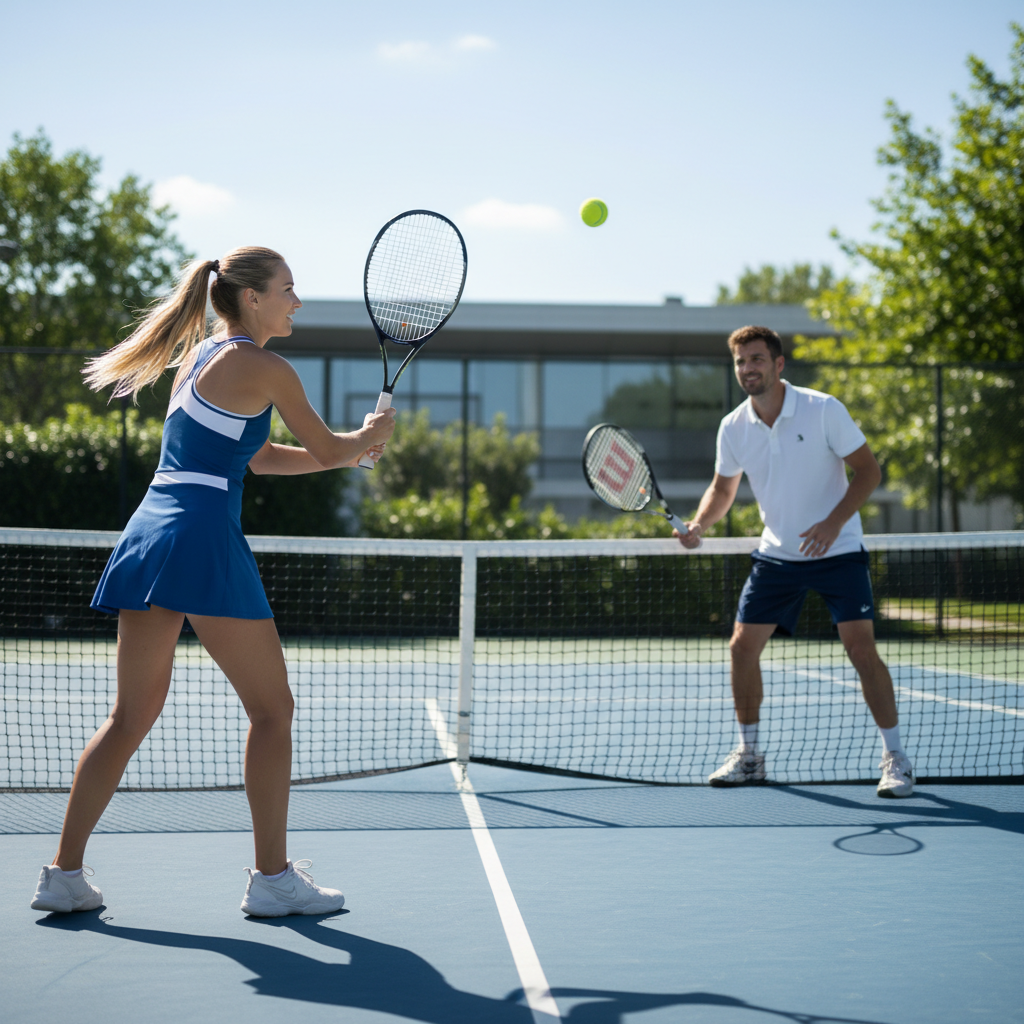
While not a separate block of exercises, mental preparation should be woven throughout your entire routine.
- Breathing Techniques: Practice deep, controlled breaths to calm your nervous system and enhance focus. Inhale deeply through your nose, hold briefly, and exhale slowly through your mouth.
- Visualization: During breaks or between exercises, close your eyes for a moment and visualize successful points, executing your strategy, and staying composed under pressure.
- Positive Self-Talk: Remind yourself of your strengths and abilities. Replace any negative thoughts with empowering affirmations. “I am ready,” “I am focused,” “I will compete.”
A well-executed warm-up leaves you feeling physically prepared, mentally sharp, and brimming with confidence.
Common Warm-Up Mistakes to Avoid
Even with good intentions, players often fall into traps that undermine their warm-up efforts.
- Too Short or Too Long: A warm-up that’s too brief won’t adequately prepare your body. One that’s too long can lead to fatigue before the match even starts. The 30-45 minute timeframe outlined above is generally optimal for most adult players.
- Skipping Phases: Each phase serves a distinct purpose. Jumping straight to hitting without general activation or dynamic mobility leaves your body vulnerable.
- No Tennis-Specific Movements: A generic workout doesn’t fully prepare you for the unique demands of tennis. Always include shadow swings and footwork drills.
- Going 100% Too Soon: Don’t rip serves or smash forehands at full power in the first five minutes of hitting. Gradual progression is key.
- Ignoring Environmental Factors: A cold day requires a longer, more thorough warm-up. A very hot day might necessitate a slightly shorter, less intense cardiovascular component to conserve energy.
Customizing Your Routine for Optimal Impact

While the ultimate routine provides a robust framework, it’s not one-size-fits-all. Adapt it based on these factors:
- Time Constraints: If you’re severely short on time (e.g., only 15 minutes before a casual hit), prioritize dynamic mobility and quick tennis-specific movements, followed by rapid progressive hitting. Do not skip general activation entirely.
- Weather Conditions:
- Cold Weather: Extend the general activation and dynamic mobility phases to ensure thorough muscle and joint warming. Wear layers that you can shed.
- Hot Weather: Be mindful of overheating. Reduce the intensity of the cardiovascular phase slightly, and ensure adequate hydration.
- Fitness Level: Beginners or those less fit might start with shorter durations for each phase and lower intensity. As fitness improves, gradually increase the duration and intensity.
- Match Importance: For a crucial match, allocate more time to each phase, especially mental preparation and progressive hitting, to ensure you’re absolutely dialed in. For casual play, you might shorten some phases slightly.
- Physical Ailments/Injuries: If you have any niggles or old injuries, consult a professional for modified warm-up exercises that support those areas without aggravating them. Always listen to your body.
Beyond the Warm-Up: The Importance of the Cool-Down

While this article focuses on the warm-up, it’s important to briefly mention its counterpart: the cool-down. After an intense match or practice, a 10-15 minute cool-down (light jogging, static stretching, foam rolling) is essential for:
- Gradually bringing your heart rate down.
- Flushing out metabolic byproducts (like lactic acid) from your muscles.
- Improving flexibility and reducing post-exercise muscle soreness.
- Aiding in recovery.
Consider your warm-up and cool-down as two essential bookends to your tennis activity, both vital for long-term health and performance.
The Ripple Effect: Benefits That Extend Beyond the Court

Adopting a consistent, thorough tennis warm up routine doesn’t just improve your game; it instills discipline and self-care habits that can positively impact other areas of your life. The focus, awareness, and bodily preparation translate into greater overall physical literacy and a deeper understanding of how your body works. You’ll move better, feel better, and ultimately play better, match after match, year after year.
Ready to stop guessing and start performing? Embrace this ultimate tennis warm up routine and feel the difference in every shot, every stride, and every match point. Your body will thank you, and your opponents will notice the change. It’s time to unleash your full potential.
Frequently Asked Questions

What is the ideal duration for a tennis warm-up routine?
A comprehensive and effective tennis warm-up should ideally last between 30 to 45 minutes. This allows sufficient time for general activation, dynamic mobility, tennis-specific movements, and progressive racket work without causing fatigue.
Why shouldn’t I do static stretching before playing tennis?
Static stretching (holding a stretch for an extended period) can temporarily decrease muscle power and strength, which are crucial for tennis. It can also slightly increase the risk of injury if performed on cold muscles. Dynamic stretches, which involve movement, are much more effective for preparing muscles and joints before activity.
Can I skip certain parts of the warm-up if I’m short on time?
While it’s always best to complete the full routine, if time is severely limited, prioritize dynamic mobility and quick tennis-specific movements. Even 10-15 minutes of dynamic stretches and shadow swings is better than no warm-up at all. Always aim for at least some form of general activation.
How does mental preparation fit into a physical warm-up?
Mental preparation is integrated throughout the warm-up. As you move through the exercises, use the time to focus on your breathing, visualize successful shots and strategies, and practice positive self-talk. This helps to reduce anxiety, improve concentration, and build confidence before stepping onto the court.
Is a warm-up the same for every tennis player?
While the core principles remain the same, the routine should be customized. Factors like age, fitness level, existing injuries, weather conditions, and the importance of the match should influence the intensity and duration of each phase. Listen to your body and adjust accordingly.
What should I do if I feel pain during my warm-up?
If you feel any sharp or persistent pain during your warm-up, stop the exercise immediately. Do not push through pain. Assess if it’s a minor discomfort that dissipates with gentle movement or something more serious. If the pain persists, it’s advisable to rest and consult a medical professional or physical therapist before continuing to play.
Does a warm-up really prevent injuries, or just help performance?
A proper warm-up significantly contributes to both injury prevention and performance enhancement. By increasing muscle temperature, blood flow, and joint lubrication, it makes muscles more elastic and less prone to strains and tears. It also prepares the nervous system, improving coordination and reaction time, which indirectly reduces the risk of awkward movements that can lead to injury.