





In the modern world, the conversation around health is incomplete without a focus on the mind. We understand the physical benefits of movement—a strong heart, toned muscles, better weight management. Yet, the most profound and immediate rewards of physical activity are often experienced in our heads. Exercise is not just a way to shape the body; it is a fundamental pillar for managing stress, combating depression and anxiety, and boosting overall well-being.
This article delves into the undeniable link between exercise and mental health, providing scientific evidence, expert insights, and practical strategies to harness movement as a powerful therapeutic tool.
The Neurochemical Uplift: The Science Behind the ‘Runner’s High’

The immediate boost you feel after a walk or a workout is no placebo; it is a complex biological reaction. Physical activity triggers a cascade of chemical changes in the brain that directly impact mood, focus, and emotional resilience.
The Brain’s Natural Pharmacy
- Endorphin Release: Often called the “feel-good” hormones, endorphins are powerful, naturally produced opioids that interact with receptors in your brain to reduce your perception of pain and trigger a positive feeling in the body. They contribute to the classic “runner’s high” and create that sense of well-being post-workout.
- Neurotransmitter Regulation: Exercise has been shown to improve the regulation of key neurotransmitters, including serotonin and norepinephrine. Serotonin is critical for regulating mood, sleep, and appetite, and its deficiency is often linked to depression. Norepinephrine helps the brain handle stress more efficiently.
- Reduced Cortisol Levels: Physical activity is an excellent way for the body to practice dealing with stress. While intense exercise may briefly spike stress hormones like cortisol, regular, moderate activity results in lower overall levels of this primary stress hormone. Lower cortisol means less chronic stress and better emotional balance.
- Brain Growth (Neurogenesis): Experts note that exercise actually promotes neural growth. It increases blood flow to the brain, which in turn encourages the creation of new brain cells in areas like the hippocampus, a region critical for memory and learning. This neurogenesis is thought to be vital in combating conditions like depression.
Exercise as a Therapeutic Agent for Common Mental Health Conditions

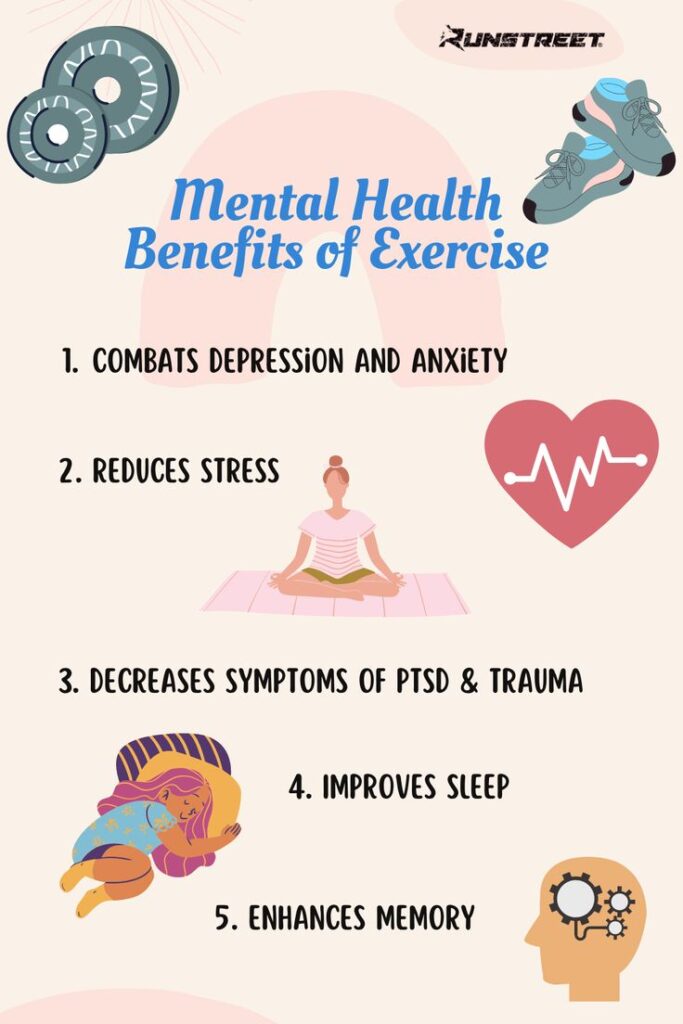

A growing body of research, including numerous meta-analyses and systematic reviews, confirms that exercise is a highly effective, low-cost intervention for various psychological disorders. For some individuals with mild to moderate symptoms, physical activity can be as effective as antidepressant medication or cognitive behavioral therapy.
Battling Depression
For those grappling with depression, the motivation to move is often the hardest part, yet the reward is substantial.
- Evidence-Based Treatment: Studies have shown that a regimen of regular physical activity can significantly reduce depressive symptoms and help prevent relapse. The effect size of physical activity on depression has been consistently demonstrated to be medium to large across diverse populations.
- Breaking the Cycle: Depression often involves a cycle of negative, ruminative thoughts. Exercise serves as a powerful distraction, providing a much-needed break from the mind’s internal struggles. By focusing on the body—the rhythm of steps, the weight of a lift, the breath—it interrupts this negative feedback loop.
Calming Anxiety and Stress



Anxiety is characterized by a “fight-or-flight” response gone awry. Exercise provides a healthy, physical outlet for the body to process this built-up nervous energy.
- The Anti-Anxiety Effect: Just a few minutes of aerobic exercise can begin to stimulate anti-anxiety effects. Activities that promote a steady heart rate and deep breathing signal to the brain to shift out of the sympathetic (fight-or-flight) nervous system and into the parasympathetic (rest and digest) system.
- Improved Self-Efficacy: When you commit to a workout and follow through, or when you meet a small physical goal, you build a sense of achievement and mastery. This improved self-esteem and coping ability provides a crucial psychological buffer against feelings of helplessness that accompany anxiety.
- Reducing Muscle Tension: Anxiety frequently manifests as physical tightness in the neck, shoulders, and back. Physical activity, particularly stretching and rhythmic movements, directly reduces this skeletal muscle tension, leading to a palpable sense of relaxation.
The Best Movement Modalities for Mental Wellness

While any movement is better than none, certain types of exercise are scientifically shown to be particularly potent for mental health benefits. The best exercise, however, is always the one you enjoy and will stick with consistently.
Aerobic Exercise: The Mood Stabilizer
Activities that get your heart pumping and your breath moving steadily are essential for elevating and stabilizing mood.
- Examples: Brisk walking, running, cycling, swimming, dancing, and using an elliptical machine.
- Benefits: Studies suggest that aerobic exercise works quickly to elevate depressed mood, offering hours of relief similar to an immediate stress reliever. Regular sessions improve sleep and overall alertness.
Mind-Body Practices: The Focus Enhancers
These forms of exercise intentionally connect movement with breath and presence, promoting relaxation and reducing worry.
- Examples: Yoga, Tai Chi, and Pilates.
- Benefits: These movements combine physical activity with mindfulness, helping to cultivate an awareness of the present moment rather than worrying about the past or future. Yoga, in particular, has been shown to increase levels of the neurotransmitter GABA, which helps calm nervous system activity and may improve mood. They are highly effective for reducing anxiety.
Resistance Training: The Confidence Builder

Lifting weights or performing bodyweight exercises is not just for building muscle; it is a powerful tool for self-perception.
- Examples: Lifting weights, using resistance bands, bodyweight movements (push-ups, squats).
- Benefits: Strength training is associated with significant reductions in anxiety and can be as effective as aerobic exercise for depression. The feeling of gaining physical strength translates into a feeling of emotional control and self-confidence, providing a stable sense of progress that is stabilizing for chronic worry.
Exercising in Nature: The Double Dose of Calm
Combining movement with the outdoors provides a synergistic boost to mental well-being.
- Examples: Nature walks, hiking, trail running, or biking in a park.
- Benefits: Research shows that being in green spaces lowers levels of the stress hormone cortisol and supports emotional balance. The combination of fresh air, sunlight (which aids Vitamin D production), and natural scenery has a quieting effect on the brain, reducing the sensory overload of daily life.
Expert Strategies for Building a Mental Health Routine

The biggest hurdle for using exercise for mental health is often the lack of motivation when symptoms are high. Experts recommend focusing on small, achievable steps rather than aiming for perfection.
- Start Small and Consistent: A psychological principle confirms that frequency is more important than duration. A ten-minute walk every day is vastly superior to waiting for a perfect hour-long session once a week. Even just five minutes of aerobic activity can begin to stimulate anti-anxiety effects.
- Prioritize Enjoyment: Force yourself to do an activity you dread, and you will quickly create negative associations. The best exercise is the one you genuinely enjoy. Experiment with dancing, gardening, swimming, or team sports until you find what feels less like a chore and more like self-care.
- Social Connection: Consider group exercise or finding an exercise buddy. Physical activity with others adds the mental health benefit of social support and connection, which are vital buffers against loneliness and isolation.
- Practice Mindful Movement: While exercising, avoid ruminating on your problems. Instead, practice mindfulness by tuning into your body: notice the feeling of your feet hitting the pavement, the air entering your lungs, or the stretch in your muscles. This practice can interrupt negative thought patterns.
Conclusion and Call to Action

The evidence is overwhelming: movement is a powerful, accessible, and essential tool for supporting and safeguarding your mental health. Exercise is not merely an auxiliary activity; it is a fundamental element of mental hygiene, offering immediate relief from stress and long-term protection against severe symptoms.
By understanding the release of powerful chemicals like endorphins, recognizing the power of different exercise types, and prioritizing consistency over intensity, you can fundamentally shift your mental landscape.
Take the first step today. You do not need a gym membership or an hour of free time. Start by committing to a ten-minute mindful walk during your lunch break, or trying a five-minute stretch routine when you wake up. Make the promise to yourself that you will move, not for a better body, but for a better mind. Your journey toward greater emotional well-being begins with that first step.