



Hydration is a key element of any fitness journey and plays a vital role in your overall health. Staying properly hydrated can enhance your workout performance, promote faster recovery, and help prevent injuries. When you exercise, your body loses water through sweat. This can lead to dehydration if you do not replenish those fluids, affecting your strength, endurance, and overall effectiveness in the gym.
Understanding the importance of hydration goes beyond just drinking water; it includes knowing how to hydrate before, during, and after your workouts. Factors like your diet and environment can greatly influence your hydration needs. Addressing these aspects helps you maintain optimal fluid levels, ensuring you can push through your fitness goals while keeping your body healthy.
As you navigate your fitness routine, stay aware of how hydration affects your body and performance. Incorporating effective hydration strategies can make a significant difference in how you feel and function during workouts.
Key Takeaways
- Proper hydration boosts exercise performance and aids recovery.
- Your diet and surroundings impact your hydration needs.
- Understanding hydration helps prevent injuries and health issues.
Understanding Hydration and Its Impact on Performance
Hydration is crucial for maintaining physical performance and supporting overall health. Proper fluid balance helps regulate body temperature, transport nutrients, and support metabolism. Here’s a closer look at how hydration influences your performance, identifying risks associated with dehydration, and developing effective hydration strategies.
Physiology of Hydration in the Body
Water makes up a large part of your body and is vital for various functions. It helps transport nutrients to cells and remove waste products. Electrolytes, such as sodium and potassium, are also essential since they help maintain fluid balance and support muscle function.
During exercise, fluid loss occurs through sweat. Your sweat rate depends on factors like exercise intensity, heat, and humidity. Maintaining optimal hydration supports not only stamina but also strength by keeping your muscles functioning properly. Dehydration can disrupt this balance, leading to reduced performance.
Identifying Dehydration and Its Risks
Dehydration affects your body in different ways. Key signs include:
- Thirst: A strong urge to drink indicates fluid loss.
- Dizziness: A drop in blood volume can make you feel lightheaded.
- Dry Mouth: A lack of moisture can be uncomfortable and signal dehydration.
- Dark Urine: Concentrated urine is a warning sign that you need to hydrate.
Ignoring these signs can lead to more severe issues like electrolyte imbalances. These imbalances may cause muscle cramps, fatigue, and decreased performance. Staying aware of your hydration status is crucial for both safety and performance.
Hydration for Enhanced Athletic Performance
For optimal performance, having a hydration strategy is key. This involves planning how much and when to drink. Here are some effective hydration practices:
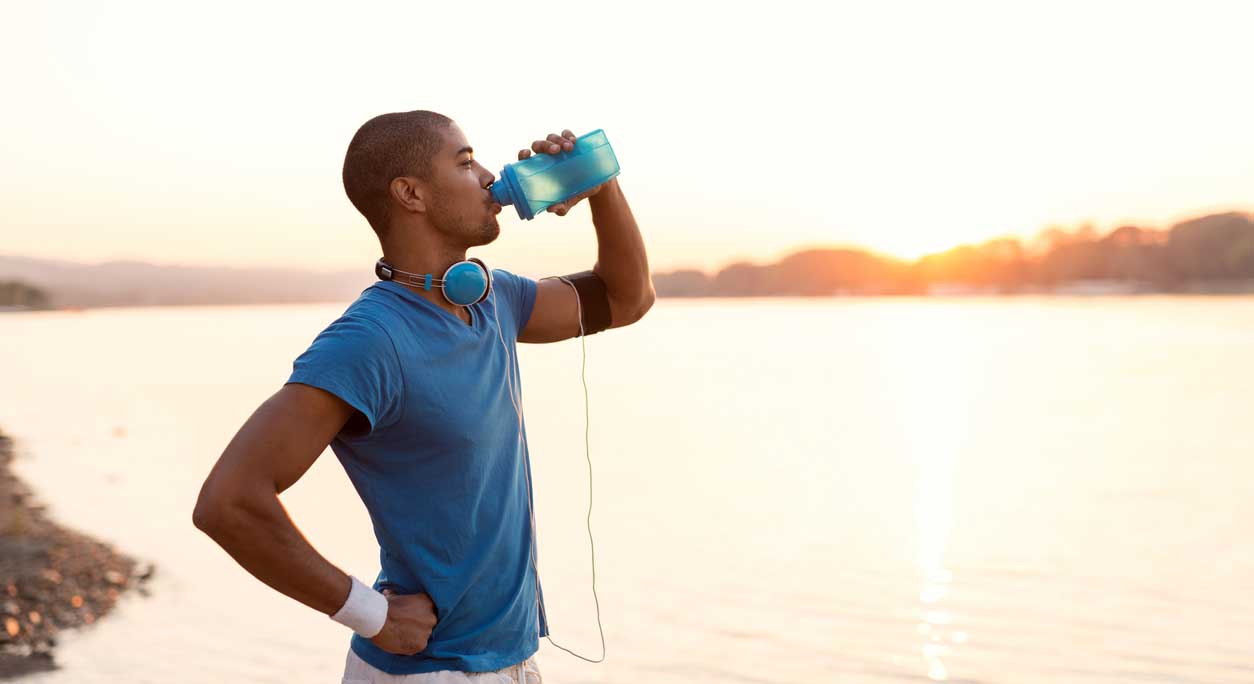
- Pre-Workout: Drink water in the hours leading up to exercise to ensure you start hydrated.
- During Exercise: Sip water regularly, particularly in longer sessions. Consider electrolyte drinks for endurance.
- Post-Workout: Replenish lost fluids and electrolytes. Aim to drink 16-24 ounces for every pound lost during exercise.
By staying hydrated, you can improve endurance and maintain strength, all while supporting recovery post-exercise. This attention to hydration will enhance your overall athletic performance.
Pre and Post-Exercise Hydration Techniques
Hydration plays a crucial role in your performance and recovery during workouts. Understanding the best practices for fluid intake before and after exercise can help you optimize your fitness results.
Optimizing Pre-Exercise Hydration
Before your workout, your hydration levels can significantly affect your performance. Aim to drink 500 to 600 ml of water or a sports drink 2 to 3 hours before exercising. This allows your body time to absorb fluids and prepare for the activity ahead.
In the last 10 to 20 minutes before your workout, consume an additional 200 to 300 ml. This approach helps you maintain focus and endurance by ensuring that your body is ready to perform.
Establish a hydration plan that includes drinking water consistently throughout the day. This habit keeps you hydrated and supports your hydration needs for better workout performance.
Recovery and Post-Exercise Hydration
After exercising, it’s important to restore lost fluids. Adequate hydration can aid in muscle recovery by facilitating nutrient transport to your muscles. This process helps repair microtears caused by exercise and supports regeneration.
Start your recovery by drinking at least 500 ml of water or a recovery drink within 30 minutes of finishing your workout. In addition, consider beverages that contain electrolytes to replenish those lost through sweat.
Monitor your body weight before and after exercise. A drop in weight can indicate fluid loss, guiding your hydration strategy. Aim to drink 1.5 times the amount of weight lost to ensure you return to baseline hydration levels. This effective approach can reduce inflammation and promote quicker recovery.
Influence of Diet and Environment on Hydration
Your hydration status can be significantly influenced by what you eat and the environment around you. Foods with high water content play a crucial role in maintaining fluid balance. Additionally, environmental factors such as temperature and humidity can impact hydration needs.
Hydrating Foods and Their Role in Fluid Intake
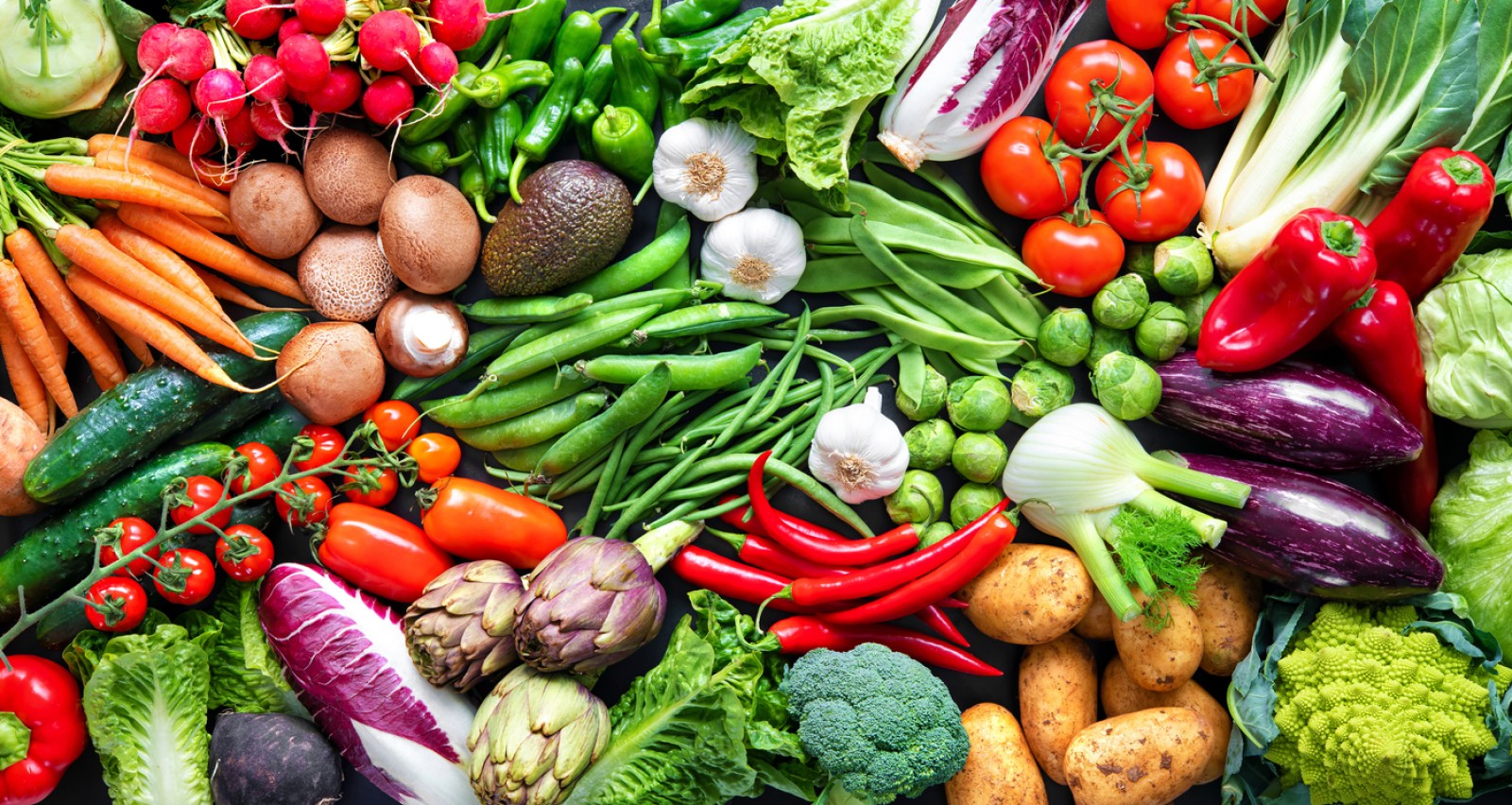
Certain foods can help you stay hydrated. Fruits and vegetables, for example, are packed with water and essential minerals.
Here are some examples of hydrating foods:
- Watermelon: Contains over 90% water.
- Cucumber: About 95% water.
- Strawberries: Roughly 91% water.
- Spinach: Contains approximately 91% water.
Incorporating these foods into your diet can reduce the risk of dehydration. While liquids are essential, solid foods also contribute to your overall fluid intake. Aim to balance your hydration strategies by including these hydrating foods alongside drinking sufficient water.
Environmental Factors Affecting Hydration
Your environment plays a big part in your hydration needs. Hot, humid climates can lead to increased water loss through sweat. If you’re active, your sweat rate may rise, raising your need for fluids.
Consider these factors:
- Temperature: Higher temperatures increase the risk of dehydration due to sweat loss.
- Humidity: High humidity can make you sweat more without realizing it.
- Activity level: Intense exercise increases your need for hydration.
You should adjust your fluid intake based on these elements. Using sports drinks can help restore electrolyte balance after heavy sweating, especially if you’ve lost important minerals like sodium and potassium. Always listen to your body and drink accordingly to maintain optimal hydration levels.